

Loading, please wait...
Loading, please wait...
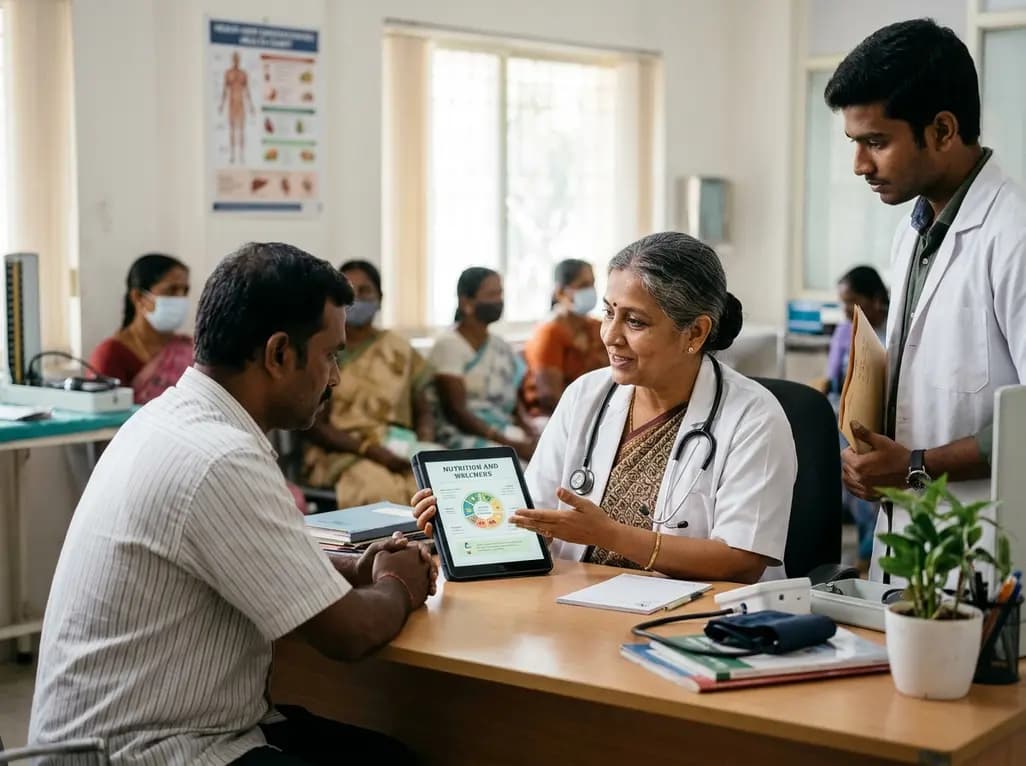
Modern healthcare delivery requires an active partnership between proactive patients and vigilant primary care providers. As lifestyle disorders and nutritional deficits rise across urban and rural demographics, fostering responsible self-care has emerged as a cornerstone of preventive health in India. Self-care does not mean unsupervised self-medication. Instead, it encompasses informed health awareness, early symptom recognition, scientifically validated interventions, and timely professional consultations. Grounding daily wellness in robust scientific evidence ensures safe and sustainable outcomes.
At the ETHealthworld Nutriwell Conclave 2026, healthcare leaders outlined a four-step model to promote responsible self-care among consumers. This clinical approach consists of recognising the problem, responding appropriately, reassessing the condition, and referring to a medical practitioner when necessary. First, individuals must cultivate bodily awareness to detect abnormal symptoms early. For instance, chronic fatigue or unexplained digestive changes require active attention rather than passive acceptance. Second, individuals respond through verified dietary habits, lifestyle modifications, or evidence-based over-the-counter remedies. However, self-management must never continue indefinitely without objective appraisal. Therefore, reassessing the physical response represents a crucial third step. If symptoms persist beyond anticipated timelines, patients must avoid escalating home remedies. Consequently, the fourth step mandates prompt referral to a qualified physician. This structured sequence prevents dangerous diagnostic delays and minimizes adverse drug events. Primary care doctors can actively introduce this four-step pathway during routine visits. As a result, patients learn to separate minor self-limiting complaints from red-flag symptoms requiring formal evaluation. Ultimately, structured self-care eases overburdened health systems while protecting individual safety.
Recent consumer surveys presented at the conclave revealed alarming trends regarding youth fatigue and emotional exhaustion across India. Specifically, in a survey across ten major cities, 85% of respondents aged 25 to 35 woke up feeling completely exhausted. Furthermore, 90% of these young adults experienced debilitating fatigue by lunchtime. These distressing figures correlate with prolonged working hours, chronic sleep restriction, and irregular meals. In addition, an accompanying stress survey showed that nearly 90% of surveyed adults experienced significant stress. Crucially, 70% of respondents confirmed that stress directly impaired their daily workplace productivity. Clinicians in general practice frequently encounter these somatic complaints among young corporate professionals. However, patients often normalize chronic exhaustion until severe functional impairment occurs. Routine clinical evaluations should investigate underlying microvascular, thyroid, or nutritional deficiencies rather than dismissing complaints as simple burnout. In addition, physicians must educate patients on restorative sleep hygiene, active stress management, and balanced daily meals. When individuals understand how daily habits influence energy metabolism, they can adopt restorative habits. Consequently, addressing workplace stress through verified self-care prevents long-term metabolic disorders.
Nutritional deficiencies remain widespread across rural and urban populations in India. While caloric intake may appear adequate, hidden hunger persists because traditional diets lack vital micronutrients. To address this challenge, Bayer introduced the Nutrient Gap Initiative, reaching approximately 80,000 vulnerable families across rural Karnataka and eastern Uttar Pradesh. This extensive program evaluates local dietary patterns, identifies micronutrient shortages, and upskills community health workers. Educating frontline workers, such as ASHA staff and Anganwadi volunteers, establishes sustainable community-level nutritional guidance. Traditional diets in these regions often lack sufficient iron, folate, calcium, zinc, and essential vitamins like B12. Therefore, targeted micronutrient supplementation serves as a vital bridge when dietary diversity remains constrained by economic factors. Community-based interventions empower families to make informed nutritional choices without excessive financial burden. Clinicians working in community healthcare should champion such public-private collaborations to amplify reach. By resolving micronutrient deficits early, health systems can curb childhood stunting, maternal anemia, and pervasive adult fatigue. Ultimately, expanding nutritional literacy across underserved populations builds enduring community resilience.
The proliferation of digital wellness platforms and social media influencers has transformed consumer health behaviors across India. Unfortunately, unverified medical claims and aggressive advertising frequently overshadow scientifically validated clinical advice. During the conclave, industry leaders highlighted the pressing need for rigorous scrutiny of online wellness influencers. Many popular online trends advocate extreme dietary restrictions, unproven herbal concoctions, or excessive vitamin megadoses without scientific justification. Consequently, vulnerable consumers risk developing supplement-induced hepatic strain, renal overload, or severe electrolyte imbalances. Furthermore, deceptive marketing creates unrealistic expectations, encouraging individuals to replace proven clinical therapies with untested commercial products. Primary care physicians must proactively address digital health trends during patient consultations. Clinicians should maintain an empathetic, non-judgmental stance while debunking popular online wellness myths. In addition, regulatory bodies and healthcare organizations must enforce transparent advertising standards for wellness products. Verifiable clinical evidence must form the foundation of all public health communications. When patients receive trustworthy, science-backed guidance, they develop essential critical thinking skills. Therefore, promoting vigilant scrutiny against digital misinformation safeguards consumers from dangerous therapeutic errors.
Global experience demonstrates that sustainable self-care strategies must integrate smoothly into existing cultural habits. Imposing rigid, unfamiliar foreign dietary regimens or costly fitness trends frequently leads to poor patient adherence. Instead, effective self-care interventions in India must respect regional culinary traditions and socioeconomic realities. For example, clinicians can recommend traditional nutrient-dense foods, such as regional millets, seasonal greens, and pulses, rather than expensive imported superfoods. In addition, over-the-counter wellness solutions must remain affordable and accessible for semi-urban and rural populations. Pharmaceutical manufacturers must design clear packaging that emphasizes accurate dosage instructions and vital precautions. Moreover, community retail pharmacists act as essential frontline touchpoints for self-care advice across India. Training pharmacists to reinforce safe product usage and symptom monitoring creates an accessible local safety net. Primary care providers should also collaborate with community educators to craft culturally relevant health guidance. When interventions align with everyday lifestyles, individuals embrace preventive measures willingly. Consequently, culturally sensitive self-care frameworks drive lasting behavioral change, supporting national public health objectives.
Q1: What does the concept of responsible self-care entail in daily clinical practice?
Responsible self-care empowers individuals to actively monitor, preserve, and improve their health using scientifically validated practices. In clinical practice, this concept involves adopting balanced nutrition, managing everyday stress, maintaining sleep hygiene, and using over-the-counter products correctly. Crucially, it does not replace medical expertise. Instead, responsible self-care establishes clear boundaries, guiding consumers to seek professional medical advice promptly when symptoms persist, worsen, or present red flags.
Q2: How does Bayer’s four-step framework guide patients managing everyday health complaints?
The four-step framework provides a structured sequence: recognising the symptom, responding appropriately, reassessing the physical response, and referring to a medical practitioner. First, an individual identifies an abnormal sensation early. Next, they initiate a safe, evidence-based remedy or lifestyle adjustment. Afterwards, they critically evaluate whether their condition improves. Finally, if symptoms do not resolve within an expected timeframe, they consult a qualified doctor for comprehensive clinical evaluation.
Q3: Why are stress and fatigue surveys significant for primary care practitioners in India?
Surveys indicate that 85% of young adults wake up tired and 90% report workplace stress impacting productivity. These findings signal that fatigue and stress represent widespread systemic issues rather than isolated complaints. Primary care practitioners can utilize these insights to proactively screen young patients for hidden micronutrient deficiencies, poor sleep habits, and lifestyle strains, thereby preventing chronic metabolic and cardiovascular complications through timely intervention.
Disclaimer: This content is for informational and educational purposes only. It does not constitute medical advice or replace professional judgment. Refer to the latest local and national guidelines for clinical practice.
References

Read summarized clinical updates, watch expert medical content, and earn CME certifications right from your smartphone.
Open your smartphone camera to scan and install.





Evidence-based self-care is vital for tackling hidden hunger, fatigue, and stress across India. Discover key survey findings, Bayer's Nutrient Gap Initiative, a four-step patient care framework, and clinical strategies to address digital misinformation while fostering sustainable community wellness.
Today
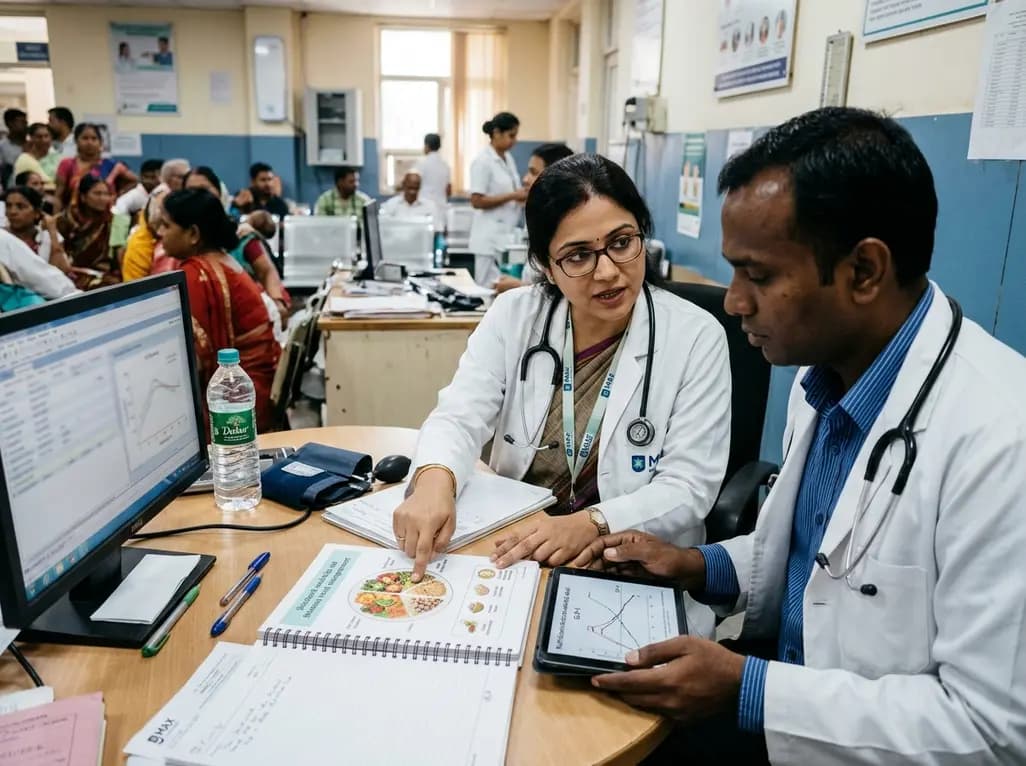
Modern obesity care is moving away from basic caloric deficit paradigms toward comprehensive dietary quality. Learn why clinical experts urge practitioners to focus on lean mass retention, personalized nutrition, and guided meal replacements, especially for patients undergoing GLP-1 receptor agonist therapies.
Today

A qualitative study highlights the unaddressed emotional hurdles and role uncertainty faced by men during the transition to fatherhood, calling for father-inclusive perinatal care and tailored digital health support.
Today

In a landmark public health ruling, the Supreme Court ordered the FSSAI to finalize strict front-of-pack warning rules within four months. Food companies must adopt separate red hexagonal symbols for high sugar, saturated fat, and salt within one year, advancing preventive medicine and patient dietary awareness.
Today
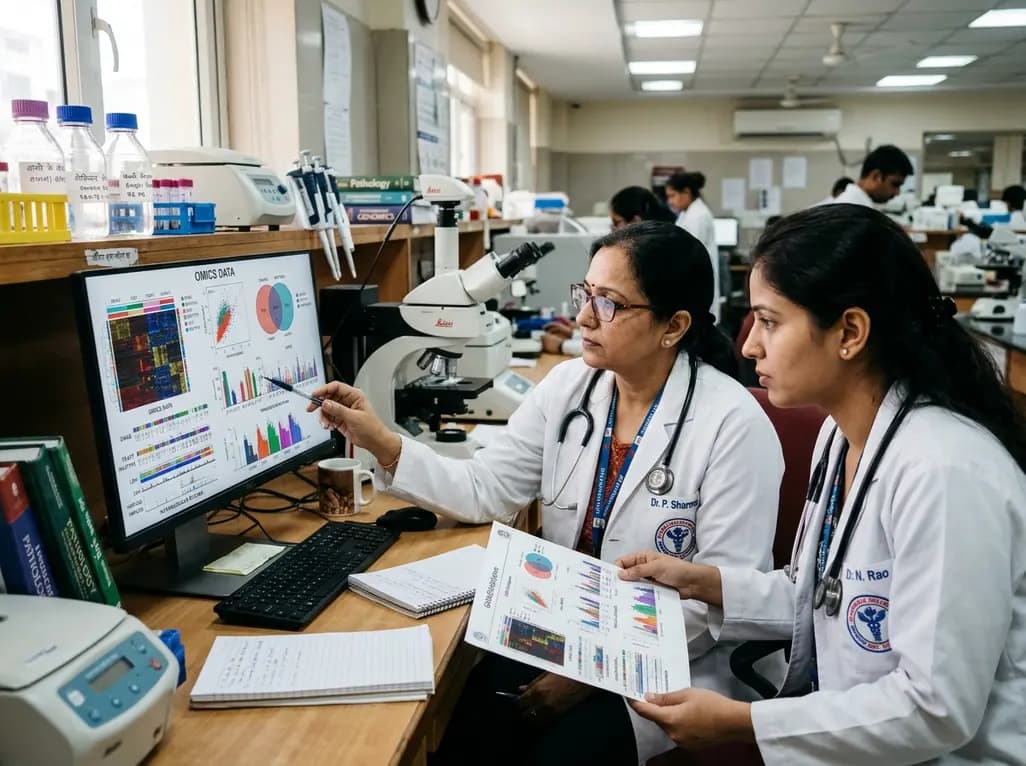
A multi-omic analysis reveals sporadic intramuscular myxoma comprises two molecularly distinct subtypes. GNAS-mutated lesions frequently carry TRAF7 mutations, whereas GNAS-wildtype tumors demonstrate striking genomic instability, loss of heterozygosity, and near-haploid features resembling DNHFN.
Today
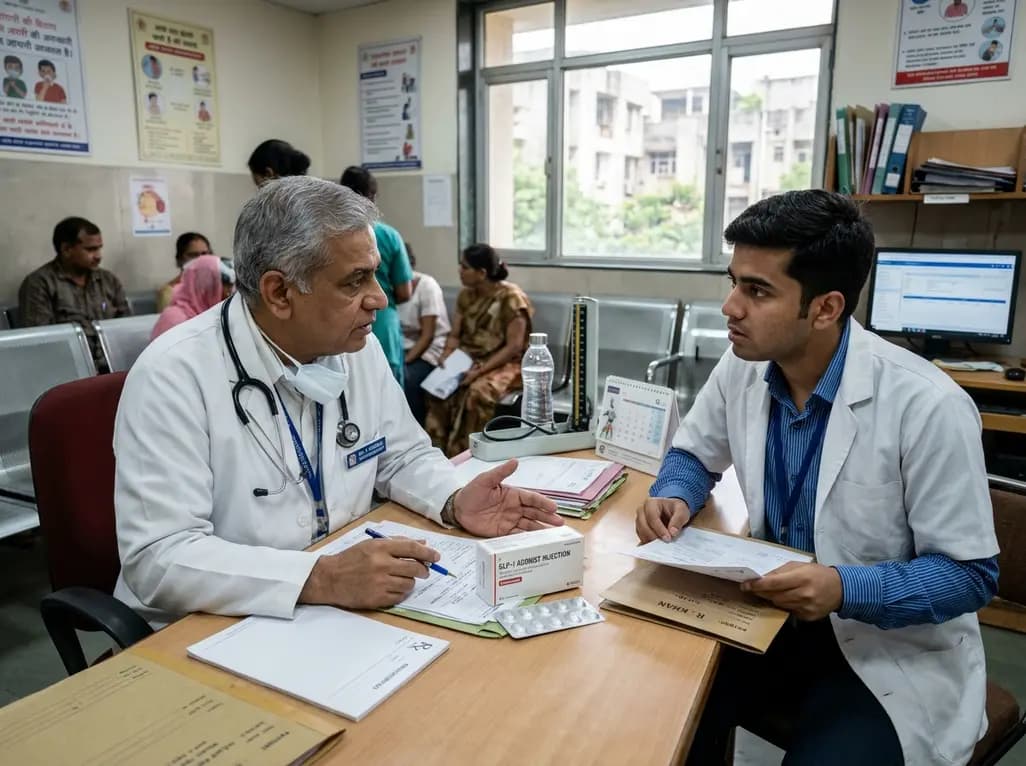
Indiscriminate GLP-1 agonist use raises urgent clinical concerns regarding muscle loss, rapid rebound weight gain, and adverse effects. Leading endocrinologists urge strict medical screening, evidence-based dosing, comprehensive nutritional preservation, and sustainable lifestyle modifications in routine practice.
Today
