.webp&w=384&q=75)

Loading, please wait...
Loading, please wait...
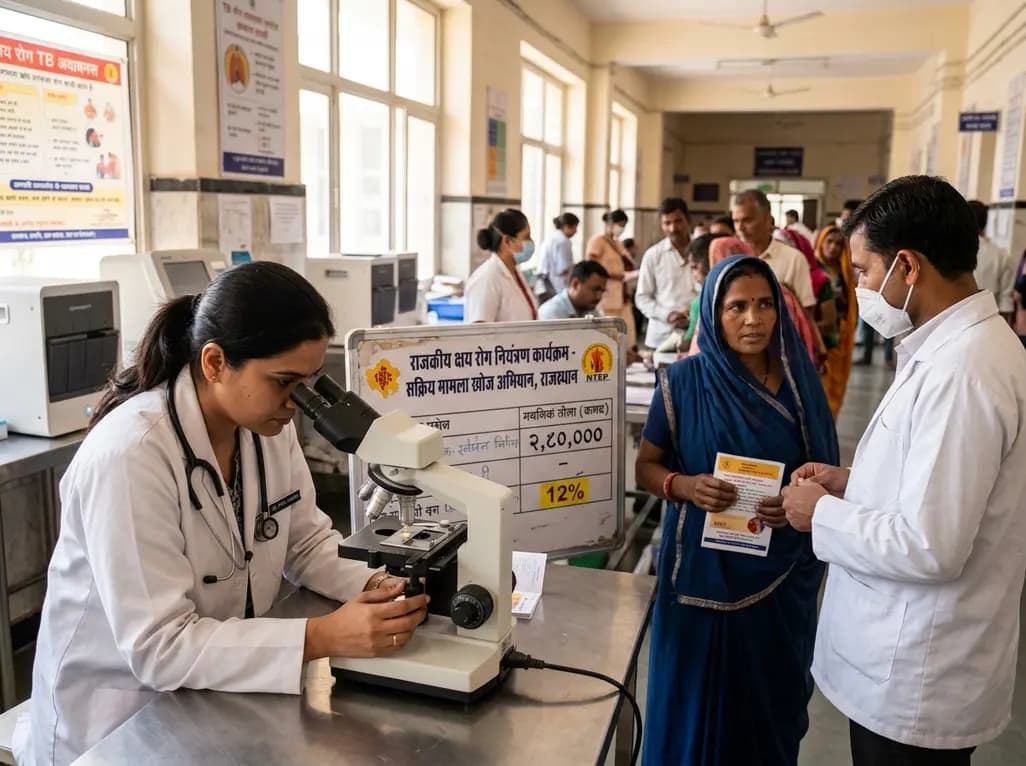
A comprehensive statewide TB screening drive recently executed across Rajasthan revealed an alarming disease burden among vulnerable populations. Between December 7, 2024, and August 23, 2026, healthcare workers screened approximately 22.8 lakh individuals across various districts. Consequently, laboratory evaluations and clinical assessments confirmed active tuberculosis in 2.8 lakh people, demonstrating a notable 12% positivity rate. This extensive campaign reflects the renewed clinical emphasis on active case finding under the National Tuberculosis Elimination Programme. For treating physicians and public health specialists, these findings underscore the persistent transmission reservoirs that evade passive clinical presentations.
The outcomes from the statewide TB screening drive place Rajasthan twelfth among Indian states and Union Territories regarding active detection yield. In comparison, urban centers and high-density regions reported significantly steeper case identification figures during similar screening windows. For instance, Delhi recorded a positivity rate of 42%, while Bihar and Punjab followed closely with 33% and 29% respectively. These geographical variations do not necessarily indicate higher overall community prevalence alone. Instead, they demonstrate the focused efficacy of vulnerability mapping strategies deployed by public health teams. When frontline staff deploy intensified testing algorithms in pre-identified clusters, case detection efficiency naturally increases. Furthermore, systematic household investigations uncover hidden subclinical cases that conventional outpatient clinics frequently miss. Healthcare providers must recognize that passive presentation represents only the visible tip of the regional epidemiological pyramid. Therefore, aggressive community screening remains essential to interrupt persistent mycobacterial transmission cycles across northern and western Indian states.
Health authorities deliberately prioritized door-to-door screening across socioeconomically and clinically susceptible populations to maximize testing yield. Field teams actively evaluated people living with HIV, individuals with diabetes mellitus, malnourished persons, and citizens aged above sixty years. Additionally, the campaign reached migrant laborers, tribal settlements, substance users, tobacco smokers, and individuals with a prior history of tuberculosis. Occupational clusters received equal attention, specifically workers engaged in marble quarries, mining belts, construction sites, and congested urban informal settlements. Similarly, prison inmates and residents of closed institutional facilities underwent systematic clinical screening. Because diabetes mellitus impairs cell-mediated immunity, glycemic dysregulation triples the risk of active tuberculosis reactivation. Likewise, occupational exposures in stone-crushing units cause silicosis, which markedly damages alveolar macrophages and escalates mycobacterial susceptibility. Consequently, primary care physicians must maintain a high index of suspicion when evaluating patients presenting from these high-risk occupational environments.
Mycobacterium tuberculosis spreads primarily through airborne droplet nuclei generated when a patient with untreated pulmonary disease coughs, sneezes, or speaks. Poorly ventilated living spaces substantially accelerate airborne transmission among close domestic and occupational contacts. However, misconceptions regarding transmission routes still persist widely among patients and family members. Clinicians must educate communities that tuberculosis does not spread through casual social contact, shared utensils, clothing, or public washrooms. Moreover, extrapulmonary tuberculosis, which affects organ systems such as the lymph nodes, pleura, kidneys, and spine, remains virtually non-contagious. Effective modern chemotherapy halts droplet infectiousness rapidly after treatment initiation. Specifically, patients with drug-susceptible pulmonary disease become non-contagious after two to three weeks of continuous, appropriate multidrug therapy. Clinicians should reinforce that prompt treatment adherence neutralizes transmission hazards much faster than prolonged physical isolation. Hence, dispelling unscientific social stigma encourages early voluntary presentation and protects vulnerable family members from sustained airborne exposure.
Early clinical intervention hinges on robust laboratory algorithms established by the National Tuberculosis Elimination Programme. When community workers identify presumptive cases during active door-to-door campaigns, peripheral facilities must deliver rapid confirmatory investigations. The program emphasizes upfront nucleic acid amplification testing, such as cartridge-based nucleic acid amplification tests and line probe assays. These molecular platforms confirm Mycobacterium tuberculosis DNA and simultaneously establish rifampicin susceptibility within a few hours. Consequently, clinicians avoid empirical monotherapy pitfalls and prevent the selection of drug-resistant strains. In parallel, digital radiography systems integrated with artificial intelligence assist peripheral medical teams in prioritizing sputum collections for testing. State health systems provide these diagnostics alongside daily fixed-dose combination antitubercular regimens free of charge across public health centers. Clinicians practicing within the private sector should collaborate closely with local health authorities to ensure standard notification and seamless molecular testing for all presumptive cases.
Identifying active disease represents merely the initial step within the comprehensive tuberculosis care cascade. Once field teams diagnose active infection, healthcare personnel must immediately link patients to designated treatment support centers. The Nikshay ecosystem and the patient-centric TB Aarogya Sathi mobile application provide essential educational support regarding dosage schedules and potential adverse drug reactions. Additionally, digital platforms empower patients with direct mapping of nearby diagnostic units and nutritional guidance. Under national welfare frameworks, direct benefit transfers provide continuous nutritional assistance to mitigate severe treatment-limiting catabolic wasting. Furthermore, clinicians must prioritize systematic contact tracing for all household members exposed to bacteriologically confirmed index cases. Household contacts without active disease require evaluation for tuberculosis preventive treatment using weight-banded regimens. By combining targeted chemoprophylaxis with consistent treatment monitoring, clinicians can close persistent programmatic gaps and substantially reduce relapse rates across affected rural and urban communities.
Q1: Why did the recent screening campaign demonstrate such a high positivity rate compared to routine outpatient testing?
The campaign utilized active case finding focused exclusively on high-risk, vulnerable populations rather than passive general community screening. By screening targeted cohorts such as diabetic patients, immunocompromised individuals, mine workers, and close contacts, field teams investigated individuals with high pre-test probabilities. Consequently, this focused surveillance approach significantly concentrated the yield of positive cases compared to unselected public health evaluations.
Q2: When does a patient with active pulmonary tuberculosis cease to be infectious to close household contacts?
A patient with drug-susceptible pulmonary tuberculosis generally stops shedding viable infectious bacilli within two to three weeks after starting an appropriate, standard multidrug regimen. However, infectiousness drops only if the patient adheres strictly to daily treatment. Extrapulmonary disease without respiratory involvement is inherently non-infectious unless concurrent active pulmonary cavitation or open draining lesions exist.
Q3: What digital resources can clinicians recommend to patients diagnosed during community screening drives?
Clinicians should recommend the TB Aarogya Sathi application, developed under the National Tuberculosis Elimination Programme. This digital tool provides verified patient education concerning medication adherence, potential drug side effects, and nearby treatment dispensaries. Furthermore, it offers nutritional guidance and allows patients to track their treatment progress and financial nutritional transfers seamlessly throughout therapy.
Disclaimer: This content is for informational and educational purposes only. It does not constitute medical advice or replace professional judgment. Refer to the latest local and national guidelines for clinical practice.
References

Read summarized clinical updates, watch expert medical content, and earn CME certifications right from your smartphone.
Open your smartphone camera to scan and install.





A statewide active case-finding initiative in Rajasthan screened 2.28 million individuals and detected 280,000 tuberculosis cases, reflecting a 12% positivity rate. Targeted surveillance among high-risk groups underscores the critical need for rapid molecular diagnostics and integrated care under the NTEP framework.
4 weeks back
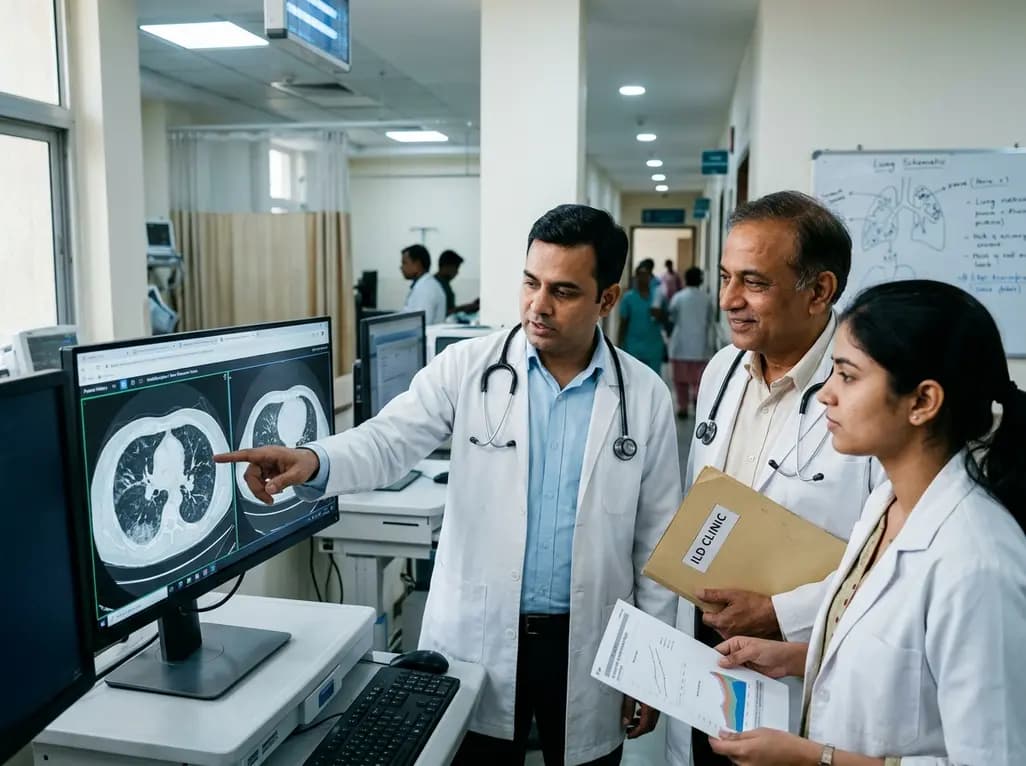
A nationwide English cohort study shows that interstitial lung diseases are no longer rare, with incidence jumping 30% and 200,000 active cases. This analysis highlights clinical implications for diagnosis, multi-disciplinary management, and global health priorities across respiratory and internal medicine.
Today
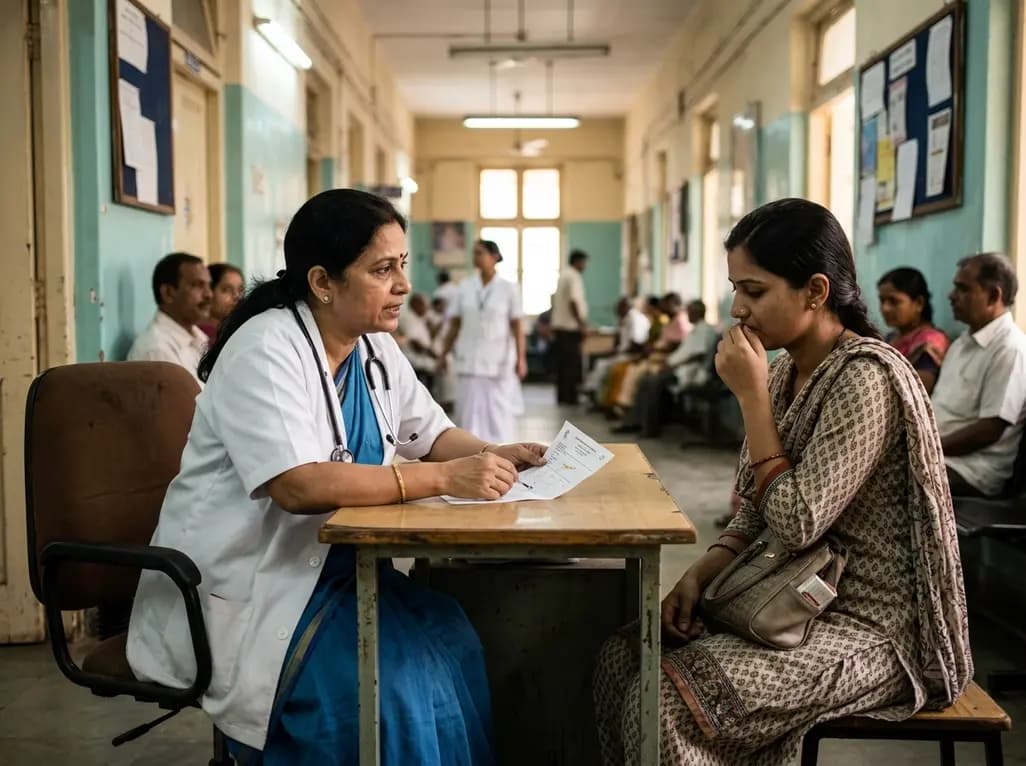
A nationwide South Korean study shows underreporting of smoking among women dropped from 57.4% to 36.4% between 2008 and 2021. However, over one-third of female smokers still conceal their habit, highlighting the critical role of cotinine verification in clinical risk assessment.
Today
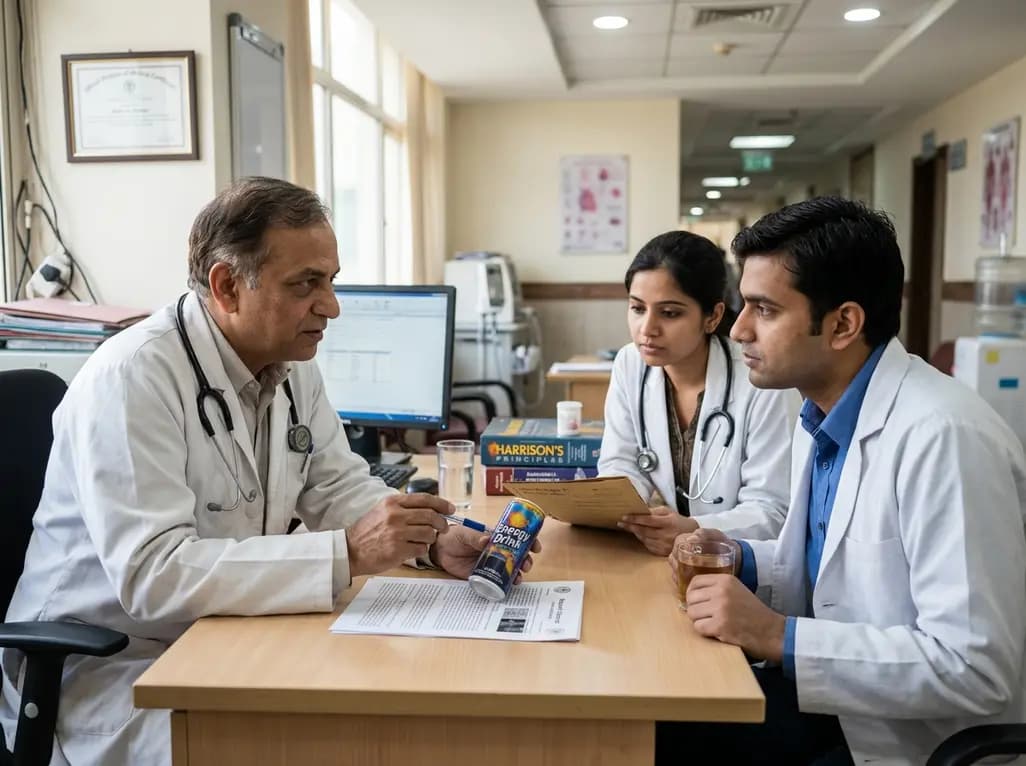
PepsiCo and Monster Beverage have challenged the FSSAI ban on the energy drink label in Indian courts. While companies highlight supply disruptions, regulatory actions spotlight severe cardiovascular and metabolic risks associated with excessive caffeine, sugar, and taurine consumption, especially in adolescents.
Today
A new study evaluates the rheological stability of decellularized peripheral nerve matrix hydrogels under varied storage conditions. Findings show -80°C storage and freeze-drying preserve gelation kinetics and mechanical stiffness, offering key insights for shipping and translational clinical applications.
Today
A Bayesian multilevel meta-analysis reveals that aerobic training combined with moderate carbohydrate restriction modestly lowers HbA1c in type 2 diabetes. However, sparse data and very low certainty leave incremental benefits over exercise or diet alone unproven, highlighting the need for individualized care.
Yesterday
