

Loading, please wait...
Loading, please wait...

Pelvic and abdominal radiotherapy remains essential in cancer care, yet radiation-induced intestinal injury continues to represent a dose-limiting obstacle. Ionizing radiation causes rapid destruction of the epithelial barrier, induces apoptosis in regenerative zones, and triggers severe mucosal inflammation. Consequently, discovering protective therapeutics that rescue crypt stem cells and preserve gut microbiota has become a clinical priority. Recent preclinical findings indicate that Tongyang Zhixie Decoction provides potent radioprotection through coordinated cellular and metabolic pathways. Therefore, evaluating these multi-target mechanisms offers valuable insights for oncologists.
Ionizing radiation rapidly damages highly proliferative intestinal tissues. When therapeutic radiation penetrates the abdomen, high-energy particles induce extensive reactive oxygen species generation, causing immediate oxidative DNA damage in mucosal cells. Furthermore, this oxidative storm precipitates vascular dysfunction and mucosal ischemia, rapidly driving mucosal denudation. Consequently, acute inflammation develops, and mucosal integrity collapses. As a result, patients experience debilitating diarrhea, severe malabsorption, rectal bleeding, and persistent abdominal pain. However, standard therapeutic agents remain largely symptomatic rather than restorative. Current clinical interventions fail to reverse crypt depletion or restore lost stem cells. Moreover, high-dose irradiation disrupts cellular renewal networks, allowing bacterial components to penetrate systemic circulation and trigger sepsis. Thus, clinicians need novel therapeutics that simultaneously shield the cellular architecture and suppress cytotoxic signaling. Emerging evidence reveals that natural formulations counteract these cascades by reducing oxidative stress and blocking cell death pathways. Therefore, targeting both mucosal damage and systemic inflammatory triggers remains vital for effective radioprotection.
Intestinal crypts contain specialized stem cell niches responsible for constant epithelial renewal. Specifically, actively cycling intestinal stem cells expressing Lgr5 drive mucosal regeneration following cytotoxic insult. When radiation strikes these crypt compartments, mitotic activity halts abruptly, and stem cell pools decline severely. Fortunately, experimental administration of Tongyang Zhixie Decoction preserves these critical regenerative populations during total-body irradiation. In particular, treated models show marked increases in Lgr5-positive and AXIN2-positive cells within surviving crypts. In addition, elevated Ki67 proliferation markers confirm restored mitotic turnover along the crypt-villus axis. Because Wnt/beta-catenin signaling regulates crypt architecture, sustained AXIN2 expression ensures functional renewal despite radiation exposure. Furthermore, preserving these stem cells accelerates epithelial re-population and maintains intestinal barrier integrity. Consequently, treated subjects display reduced crypt destruction and accelerated architectural healing. Therefore, protecting the Lgr5-positive lineage serves as a cornerstone for post-radiation gastrointestinal recovery. Moreover, crypt preservation sustains mucosal immunity by safeguarding adjacent secretory cells.
Exposure to ionizing radiation induces substantial DNA double-strand breaks, triggering fatal apoptotic cascades within crypt cells. In unprotected tissues, damaged cells accumulate extensive 8-hydroxy-2'-deoxyguanosine (8-OHdG), reflecting pervasive oxidative genomic injury. Consequently, this persistent damage activates the p53 signaling cascade, which upregulates pro-apoptotic BAX and alters mitochondrial membrane permeability. Subsequently, cytochrome c release activates cleaved caspase-3, leading to irreversible programmed cell death across epithelial lineages. However, Tongyang Zhixie Decoction effectively interrupts this lethal cascade. Specifically, the formulation decreases 8-OHdG accumulation, demonstrating rapid suppression of oxidative DNA lesions. In addition, molecular analyses confirm pronounced downregulation of the p53/BAX/cleaved caspase-3 signaling axis. By preventing mitochondrial outer membrane permeabilization, this intervention rescues vulnerable crypt cells from apoptotic elimination. Furthermore, inhibiting mitochondrial apoptosis allows injured cells sufficient time to initiate endogenous DNA repair mechanisms. Therefore, downregulating this apoptotic pathway preserves crypt survival and sustains mucosal barrier defense. Moreover, maintaining mitochondrial stability minimizes intracellular release of reactive radicals, thereby protecting adjacent tissue beds.
Radiation exposure induces severe ecological dysbiosis within the gastrointestinal lumen. The loss of mucosal integrity depletes beneficial commensal bacteria while encouraging the rapid overgrowth of opportunistic pathogens. Furthermore, this microbial disruption compromises essential metabolic pathways, reducing short-chain fatty acid production and amplifying local inflammation. Fortunately, multi-target interventions such as Tongyang Zhixie Decoction restore bacterial diversity and reinforce host-microbiota crosstalk. By stabilizing microbial ecology, the decoction suppresses harmful bacterial metabolites and enriches beneficial taxa. In addition, untargeted metabolomic analyses demonstrate that this herbal preparation recalibrates crucial host metabolic programs, particularly pathways governing oxidative stress responses. Notably, this metabolic shift enhances antioxidant glutathione reserves and markedly reduces lipid peroxidation products. Consequently, the healed mucosal barrier prevents bacterial translocation and endotoxemia, protecting against systemic inflammatory complications. Meanwhile, beneficial microbial metabolites nourish regenerating enterocytes, facilitating structural reconstitution. Therefore, rebalancing the gut microbiota and host metabolism forms an essential pillar of radioprotection. Importantly, this reciprocal microbial and metabolic cooperation fosters sustained functional restoration.
Radiation-induced gastrointestinal complications present major therapeutic challenges during pelvic and abdominal radiotherapy. Clinicians often must interrupt or modify oncological treatments because enteropathy degrades patient quality of life. In this setting, multi-target botanical remedies that combine antioxidant, anti-apoptotic, and microbiome-modulating properties offer significant therapeutic promise. Experimental evidence demonstrating that Tongyang Zhixie Decoction prevents crypt apoptosis and stimulates Lgr5-mediated regeneration highlights viable translational opportunities. Moreover, natural formulations leverage multiple bioactive constituents, targeting complementary signaling networks that single-agent drugs rarely modulate. However, clinical implementation requires rigorous chemical standardization, preclinical toxicology, and well-designed human trials. In addition, researchers must verify that systemic radioprotection does not reduce the tumoricidal efficacy of radiotherapy against pelvic malignancies. Thus, ongoing evaluations should track tumor control rates alongside normal tissue preservation. Ultimately, understanding these regenerative mechanisms aids the development of integrative supportive therapies that improve treatment adherence, patient tolerance, and oncological outcomes. Furthermore, these findings encourage multidisciplinary collaboration between oncologists and gastroenterologists to advance cancer care.
Ionizing radiation causes severe damage primarily by generating reactive oxygen species that induce extensive double-strand DNA breaks in mucosal cells. Consequently, rapidly cycling crypt base columnar cells undergo p53-dependent mitochondrial apoptosis, which halts epithelial turnover. Additionally, radiation disrupts the vascular endothelium, impairs mucosal blood supply, compromises tight junction integrity, and triggers substantial gut dysbiosis. Together, these compounding destructive pathways produce barrier breakdown, severe inflammation, malabsorption, and acute clinical diarrhea.
The decoction shields crypt architecture by significantly reducing oxidative DNA lesions and downregulating the pro-apoptotic p53/BAX/cleaved caspase-3 cascade. Furthermore, it actively preserves leucine-rich repeat-containing G-protein coupled receptor 5 (Lgr5) and AXIN2-positive intestinal stem cell populations. By sustaining Wnt/beta-catenin signaling, the formulation accelerates crypt proliferation, as demonstrated by increased Ki67 expression. Consequently, these preserved stem cells rapidly proliferate and differentiate, driving swift re-epithelialization of the injured mucosal lining.
Radiation therapy precipitates severe microbial dysbiosis by depleting beneficial commensal organisms and fostering pathogenic bacterial expansion. This disturbance weakens mucosal immune regulation and reduces protective metabolites such as short-chain fatty acids. Consequently, restoring microbial equilibrium limits mucosal inflammation, enhances host antioxidant defenses, and preserves epithelial junctional integrity. Furthermore, a balanced microbiome prevents bacterial translocation into systemic circulation, thereby avoiding secondary endotoxemia and systemic septic complications in immunocompromised patients.
Disclaimer: This content is for informational and educational purposes only. It is not intended to provide medical advice, diagnosis, or treatment recommendations. Refer to the latest local and national guidelines for clinical practice.
References

Read summarized clinical updates, watch expert medical content, and earn CME certifications right from your smartphone.
Open your smartphone camera to scan and install.





A preclinical study reveals that Tongyang Zhixie Decoction mitigates radiation-induced intestinal injury by preserving Lgr5+ crypt stem cells, inhibiting p53-mediated mitochondrial apoptosis, and restoring gut microbiota homeostasis, offering promising regenerative insights for supportive oncology care.
Today

A cross-sectional study of 4,862 women highlights how metabolic phenotypes alter female reproductive impairment. Metabolically unhealthy overweight and obesity presented the greatest odds for infertility and impaired fecundity, underscoring the vital need for comprehensive cardiometabolic screening.
Today
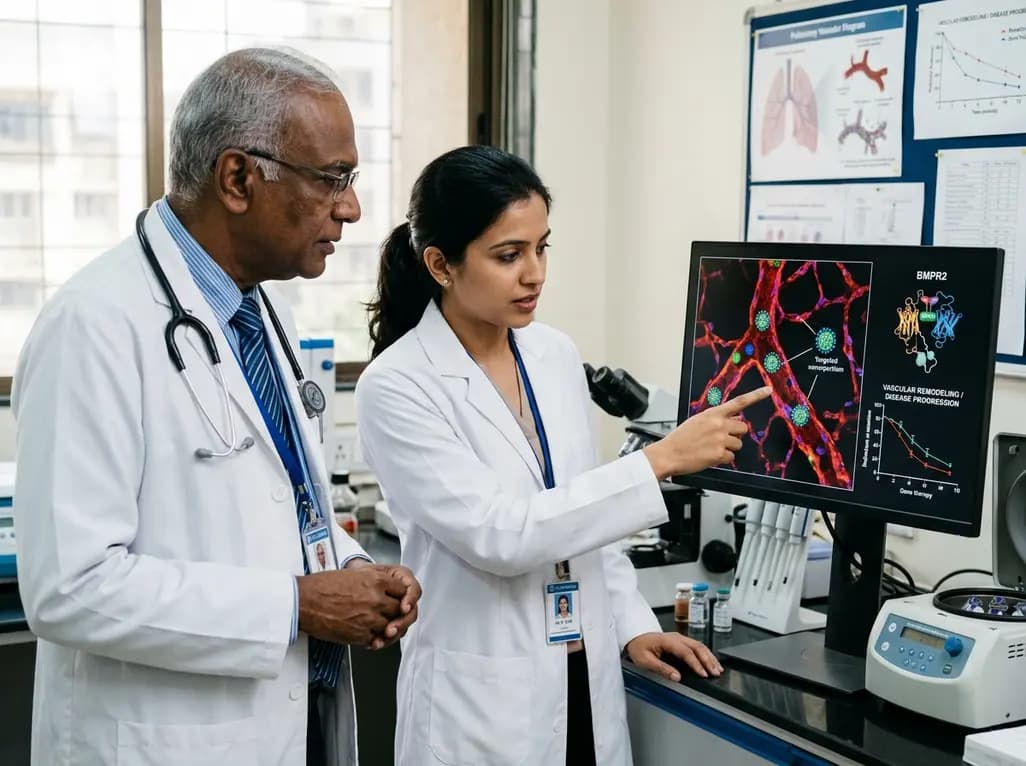
Pulmonary vascular diseases like PAH carry high mortality. While current drugs improve hemodynamics, they fail to halt remodeling. This review examines viral vector engineering and endothelial targeting strategies, highlighting BMPR2 restoration and translational challenges in achieving disease-modifying therapies.
Today
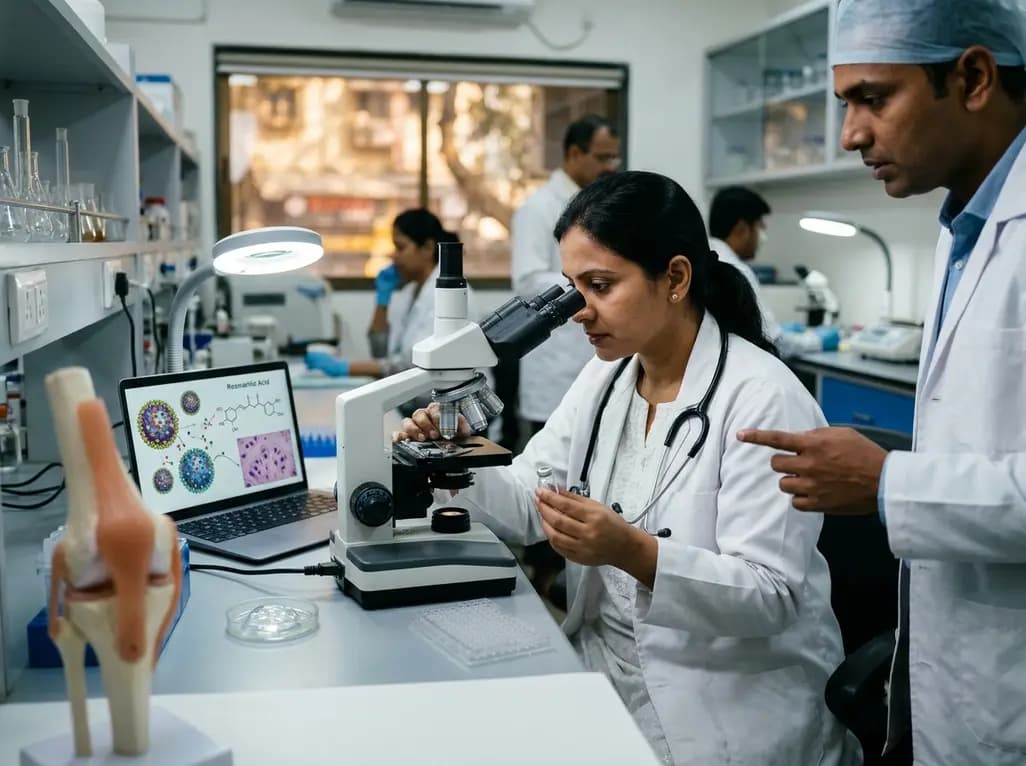
Smart biomaterial platforms for rosmarinic acid delivery offer a breakthrough in osteoarthritis therapy. By engineering responsive nanoparticles and hydrogels, researchers overcome rapid joint clearance and metabolic instability, paving the way for targeted chondroprotection and theranostics.
Today
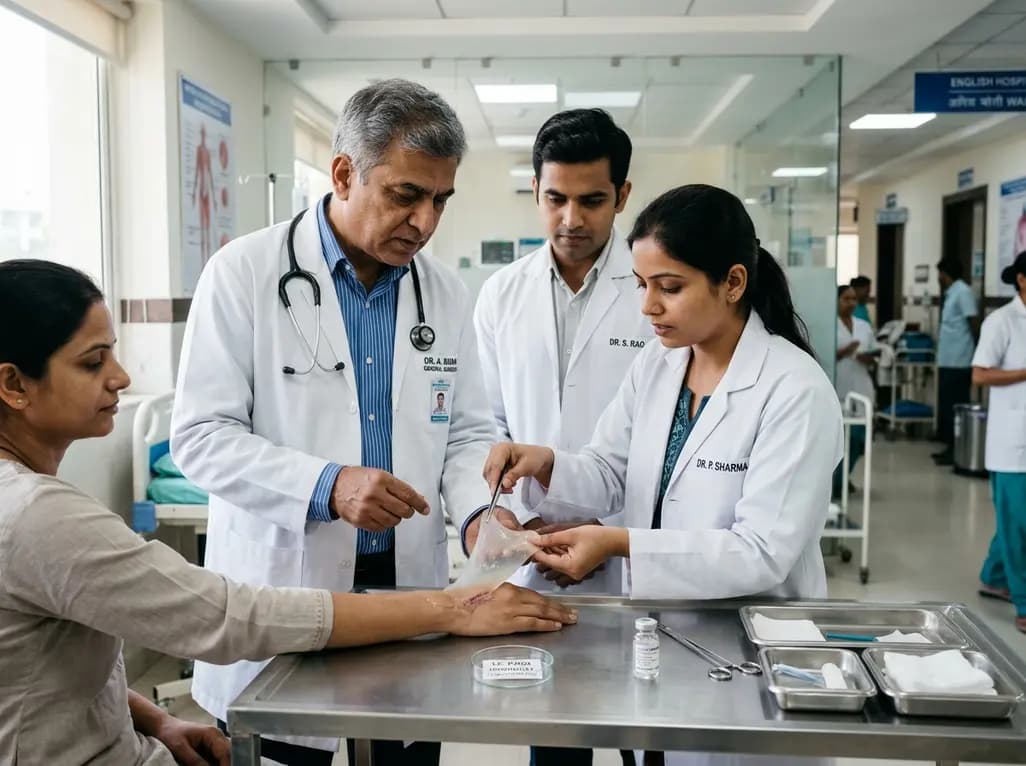
Researchers have engineered a resilient LC-PAM hydrogel that resolves the trade-off between toughness and elasticity. Incorporating lignin and cellulose nanoparticles alongside selenium, this biomaterial offers durable adhesion and antibacterial activity for complex infected and diabetic wound care.
Today
