.webp&w=384&q=75)

Loading, please wait...
Loading, please wait...
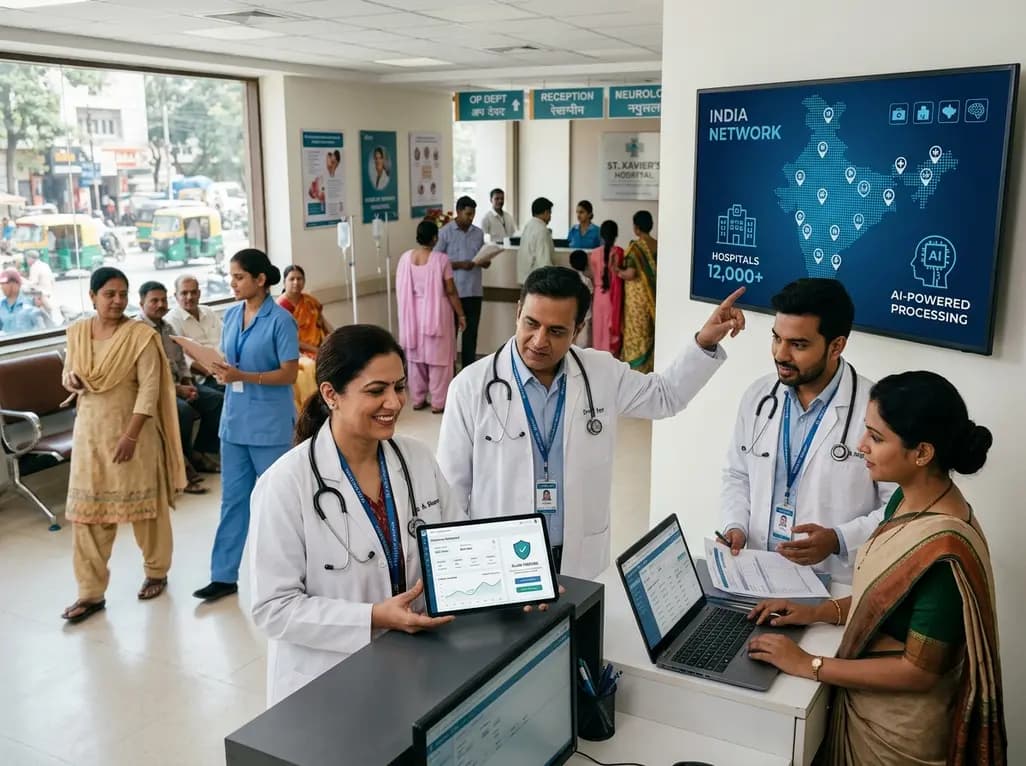
The Indian healthcare ecosystem is witnessing a major transformation with the launch of new standalone underwriters. Specifically, Prudential HCL Health Insurance has officially commenced business operations in India to serve the expanding medical protection needs of families. Backed by global financial services leader Prudential plc and Indian technology conglomerate HCL Group, this joint venture enters an expanding market worth over one lakh crore rupees. Consequently, the entry of this specialized entity introduces advanced digital capabilities, broader hospital network access, and patient-centric coverage options nationwide.
Prudential HCL Health Insurance operates as a strategic joint venture structured with a seventy-thirty equity split. Prudential Group Holdings holds a majority seventy percent stake, whereas the HCL Group promoter company retains the remaining thirty percent. Previously, the Insurance Regulatory and Development Authority of India granted its formal regulatory nod on July 1, 2026. This approval formally established the entity as the eighth standalone health insurer operating across India.
Moreover, the establishment of this new entity marks a significant milestone in Indian health sector capitalization. Standalone health underwriters now represent the fastest-growing component of non-life insurance in India. In addition, the venture aligns closely with national policy initiatives aimed at achieving universal coverage by 2047. By combining international underwriting acumen with local technological expertise, the insurer establishes a strong operational foundation. Therefore, clinicians and healthcare administrators can anticipate enhanced institutional stability and sustainable financing for patient treatments.
At the point of commercial launch, the insurer secured operational integration across a wide network of more than 12,000 empaneled hospitals. This extensive initial reach guarantees immediate accessibility for policyholders seeking tertiary, secondary, and day-care interventions. Furthermore, cashless hospitalization remains the central priority for both policyholders and clinical healthcare providers across urban and semi-urban centers.
Consequently, an expansive hospital network diminishes out-of-pocket financial strain during emergency hospitalizations. When patients utilize empaneled healthcare facilities, transparent pre-authorization protocols reduce delays in critical admissions. Similarly, standardized reimbursement frameworks minimize billing disputes between hospital administrative teams and insurance desks. Therefore, healthcare providers benefit from predictable cash flows and simplified discharge workflows. As network integration broadens, regional hospitals will likely experience increased patient footfalls across medical and surgical specialties.
Digital infrastructure represents the central pillar of the newly launched underwriting operations. Operating commercially under the brand name Prudential Health India, the organization integrates proprietary artificial intelligence systems across every customer touchpoint. Specifically, the insurer deploys an omnichannel distribution strategy that pairs professional agency advisory services with an AI-enabled direct-to-consumer digital portal.
In addition, advanced algorithms facilitate real-time risk stratification and automated policy issuance. Customers can seamlessly compare coverage limits, modify family riders, and submit electronic claims through intuitive mobile applications. For clinical facilities, automated claims processing drastically reduces paperwork and manual documentation scrutiny. Consequently, hospital billing personnel can verify coverage details almost instantaneously. Furthermore, intelligent analytics identify fraud patterns early, ensuring honest claims receive rapid approvals without administrative friction.
The domestic health underwriting market has evolved into the largest single segment within India's general insurance sector. In recent years, health policies have accounted for more than forty percent of total non-life gross direct premiums. Hence, Prudential HCL Health Insurance enters the competitive landscape at a time of rising health awareness and medical cost inflation.
However, retail insurance penetration across non-metro regions remains relatively low despite robust macroeconomic expansion. In response, modern insurers are designing flexible benefit packages that address outpatient consultations, diagnostic scans, and preventive wellness programs. Moreover, chronic disease management coverage is becoming standard across modern product lines. Because lifestyle diseases such as diabetes, hypertension, and cardiovascular disorders continue to rise in India, specialized insurers are curating preventive health programs. As a result, Indian families gain structured financial protection against both acute emergencies and long-term therapeutic regimens.
For medical practitioners and clinical leaders, the entry of specialized health insurers brings significant operational advantages. First, modern digital insurers encourage rigorous, electronic medical record documentation to validate diagnostic necessity. When physicians maintain structured digital records, diagnostic approvals and surgical authorizations proceed with fewer queries from underwriting medical boards.
Additionally, specialized insurers frequently introduce disease management protocols and wellness incentives for proactive health maintenance. Practitioners in family medicine, cardiology, endocrinology, and internal medicine can leverage these benefits to ensure patient adherence to treatment schedules. Furthermore, expanded insurance coverage improves patient compliance with elective surgical recommendations and advanced diagnostic screenings. Ultimately, widespread insurance adoption lowers financial barriers, allowing physicians to deliver evidence-based care without patient financial distress.
Q1: What distinguishes Prudential HCL Health Insurance in the Indian insurance sector?
Prudential HCL Health Insurance operates as a standalone health insurer combining Prudential's global underwriting heritage with HCL's digital engineering expertise. The company utilizes artificial intelligence across an omnichannel model, merging personal agent guidance with direct-to-consumer platforms. This approach streamlines policy selection, simplifies customer onboarding, and accelerates claim settlements across diverse demographics.
Q2: How does the insurer's network affect patient access to medical treatments?
The company launched with immediate access to over 12,000 empaneled hospitals across India. This extensive network facilitates seamless cashless hospitalization for policyholders during planned admissions and emergencies. Consequently, patients face minimal out-of-pocket expenses, while hospitals benefit from standardized pre-authorizations and faster financial settlements.
Q3: How will AI integration improve administrative workflows for hospitals?
Artificial intelligence automates document verification, accelerates policy validation, and facilitates real-time claims processing. Therefore, hospital billing desks experience fewer administrative delays during discharge. Additionally, automated fraud detection ensures authentic medical claims receive rapid approvals, enhancing overall operational efficiency for clinical centers.
Disclaimer: This content is for informational and educational purposes only. It does not constitute medical advice or replace professional judgment. Refer to the latest local and national guidelines for clinical practice.
References

Read summarized clinical updates, watch expert medical content, and earn CME certifications right from your smartphone.
Open your smartphone camera to scan and install.





Prudential HCL Health Insurance has officially launched operations in India. Backed by Prudential plc and HCL Group, the standalone health insurer integrates artificial intelligence and an extensive network of over 12,000 hospitals to enhance coverage, digital claims, and patient healthcare delivery.
last month

A recent clinical case series highlights the synthetic polylactic acid matrix as an innovative local therapy for refractory pyoderma gangrenosum. The bioresorbable scaffold demonstrated complete ulcer closure and favorable scar quality across chronic wounds, presenting a viable regenerative modality.
Today
A nationwide South Korean study shows underreporting of smoking among women dropped from 57.4% to 36.4% between 2008 and 2021. However, over one-third of female smokers still conceal their habit, highlighting the critical role of cotinine verification in clinical risk assessment.
Today
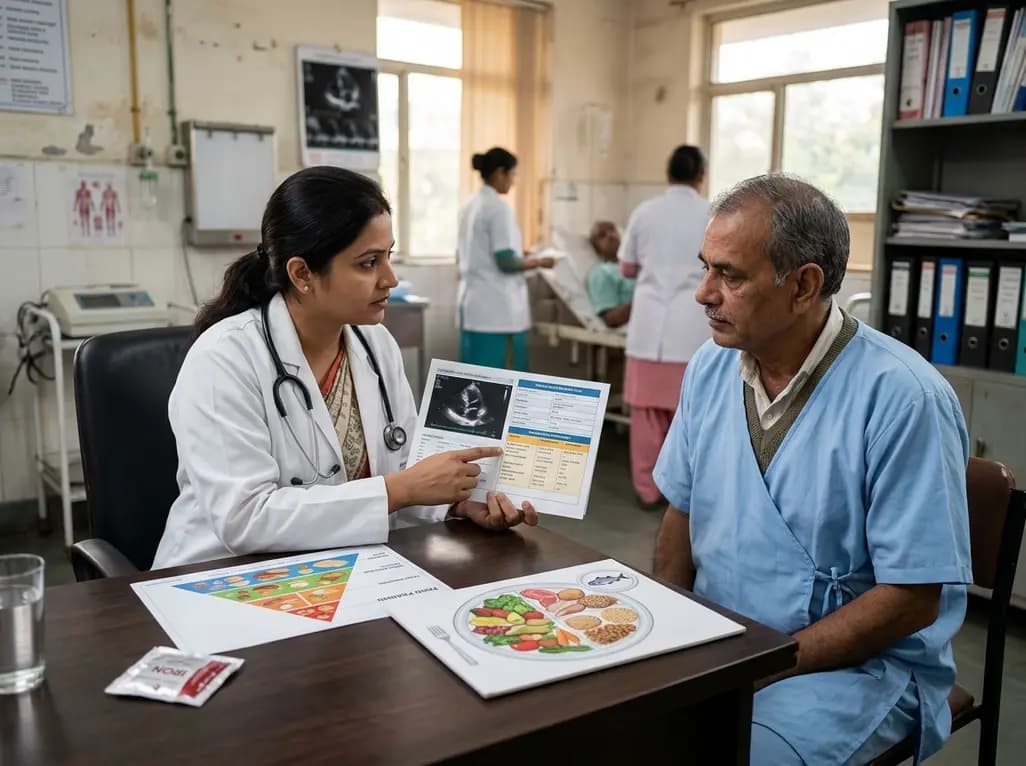
A scientific statement highlights the crucial role of nutrition in managing chronic heart failure. It emphasizes GLIM-based screening, individualized dietary patterns like the Mediterranean diet, appropriate protein and energy intake, avoiding unnecessary fluid restriction, and targeted iron supplementation.
Today

A new study evaluates the rheological stability of decellularized peripheral nerve matrix hydrogels under varied storage conditions. Findings show -80°C storage and freeze-drying preserve gelation kinetics and mechanical stiffness, offering key insights for shipping and translational clinical applications.
Today
A qualitative meta-synthesis highlights the complex interplay between gender dysphoria, minority stress, and eating disorders in transgender and gender-diverse individuals. Clinicians must recognize these distinct drivers to offer supportive, gender-affirming, and interdisciplinary eating disorder care.
Today
