.webp&w=384&q=75)

Loading, please wait...
Loading, please wait...
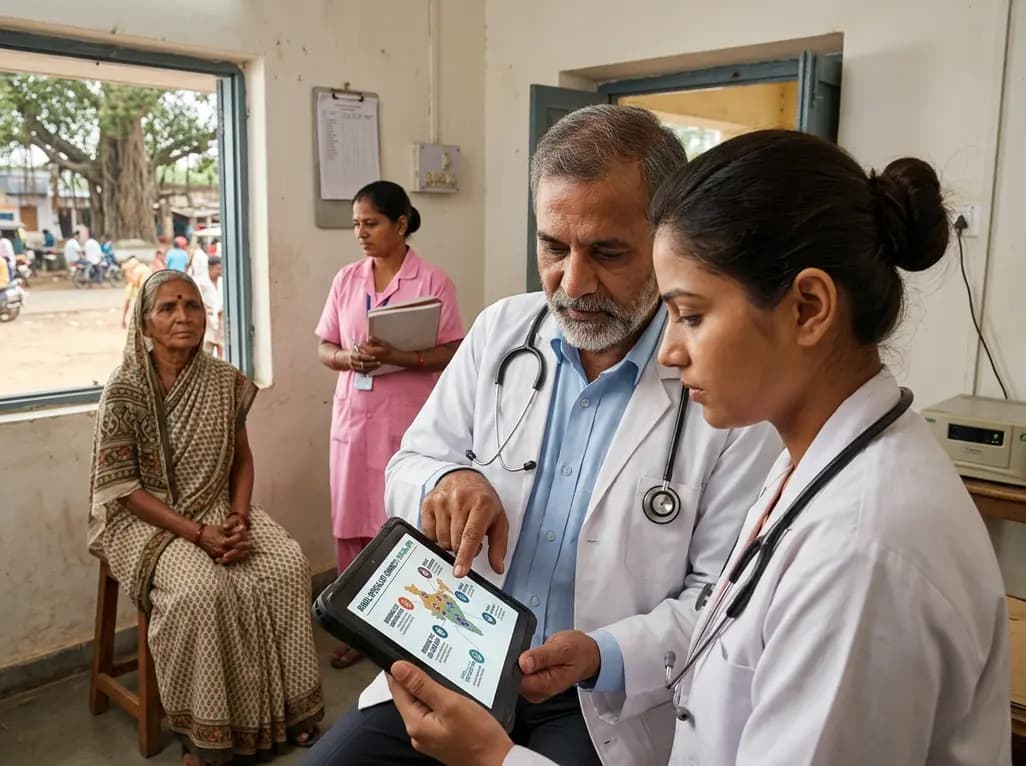
On the eve of National Doctors' Day, leading health experts and policymakers in Delhi highlighted the urgent need to prioritize preventive healthcare in India. During a special programme organized by the Illness to Wellness Foundation, specialists emphasized that treating illnesses is no longer sufficient. Consequently, the country must actively shift its healthcare approach from reactive clinical management to proactive wellness. Transitioning to a prevention-first model can substantially reduce the growing national disease burden. Therefore, doctors today must play a broader educational role, guiding families toward healthier lifestyles and early screening protocols. Ultimately, this approach will strengthen the healthcare landscape and secure a healthier future for all citizens.
For decades, the Indian medical system has primarily operated on a curative model, focusing heavily on treating established diseases. However, current trends indicate that this reactive paradigm is highly unsustainable for a population of over 1.4 billion people. To address this crisis, health leaders are strongly advocating for a systematic transition towards preventive healthcare in India. Early screening and timely diagnosis must become standard components of everyday primary care. Furthermore, shifting the national focus to wellness reduces the immense financial and operational strain on tertiary hospitals. Consequently, regular health check-ups should be promoted across all demographics, rather than being viewed as an occasional luxury. When individuals proactively monitor their health parameters, they can identify risk factors before chronic symptoms manifest. Moreover, integrating early diagnostics within community outreach programs ensures that vulnerable populations receive timely interventions. This proactive model not only improves individual longevity but also enhances the overall quality of clinical outcomes across the nation. Therefore, medical professionals must champion this cultural change within their daily practices.
Achieving a healthier society requires a multifaceted approach that extends far beyond clinical environments and prescription medicines. Specifically, experts highlight that regular exercise, balanced nutrition, and adequate rest form the absolute foundation of long-term wellness. In addition, incorporating traditional practices like yoga and meditation can dramatically reduce psychological stress, which is a major driver of physical illnesses. Unfortunately, a very small percentage of the population currently seeks proactive medical check-ups on a regular basis. To counter this inertia, the Illness to Wellness Foundation has released its Annual Report, outlining comprehensive strategies for community empowerment. These initiatives include robust workplace wellness drives, school-based health programs, and highly accessible screening camps. By actively bringing diagnostic resources directly to where people work and study, we can dismantle common barriers to access. Additionally, digital health tools and wearable technologies can assist individuals in tracking their daily physical activities. As a result, patients become active participants in their health journeys, rather than passive recipients of medical treatments. Promoting these lifestyle adjustments on a large scale will ultimately foster a widespread national culture of wellness.
India currently faces a complex epidemiological challenge, characterized by the co-existence of infectious diseases and non-communicable conditions. For instance, obesity has rapidly emerged as a massive public health threat, acting as a primary driver for diabetes and cardiovascular diseases. At the same time, seasonal infections and respiratory conditions continue to cause significant seasonal disruptions across the country. Consequently, managing this dual disease burden demands a strategic pivot toward robust, comprehensive primary prevention strategies. Immunization programs must be expanded to protect vulnerable adults from preventable respiratory infections. Similarly, public health campaigns need to address dietary imbalances and sedentary habits that accelerate metabolic disorders. To achieve this, the government has integrated prevention into national campaigns like the TB Mukt Bharat Abhiyan and the Swachh Bharat Mission. By improving hygiene standards and encouraging early screenings, these programs address the root environmental causes of chronic infections. Moreover, systematic clinical monitoring helps clinicians identify risk factors before they escalate into high-cost medical emergencies. Therefore, an integrated approach addressing both lifestyle changes and infectious diseases remains vital for stabilizing national healthcare expenses.
Promoting preventive healthcare is not merely a clinical recommendation; instead, it is a lifelong personal commitment. Senior orthopaedic specialists note that maintaining physical mobility through regular daily activity from an early age prevents musculoskeletal degeneration. Indeed, keeping joints active helps avoid chronic conditions like osteoarthritis and maintains bone density as individuals age. Furthermore, physicians must actively counsel patients on balanced nutrition and structured lifestyle interventions during every routine clinical consultation. For example, replacing processed foods with nutrient-dense options can significantly curb the progression of metabolic disorders. In addition, establishing consistent sleep schedules and managing mental health play critical roles in regulating immune function. Subsequently, medical practitioners should offer personalized wellness plans that patients can easily incorporate into their busy daily routines. Healthcare technologies, including health monitoring apps, can also facilitate the tracking of nutritional intake and daily step counts. Consequently, small but consistent daily changes can lead to dramatic long-term reductions in chronic illness severity. Ultimately, educating patients on these actionable measures empowers them to take control of their health before symptoms emerge.
Transforming India’s healthcare system from a treatment-centric model to a prevention-first paradigm requires powerful, unified multi-stakeholder collaborations. Specifically, the private sector, academic researchers, and medical organizations must work in tandem with government agencies to execute broad health campaigns. For instance, international diplomats and global healthcare leaders can share highly effective frameworks for implementing screening drives at scale. Additionally, medical societies should publish updated guidelines to help general practitioners integrate routine preventive advice into their busy clinical workflows. Moreover, the systematic integration of technology, such as teleconsultations and artificial intelligence, can quickly bridge the deep healthcare delivery gap. By utilizing digital health records, clinicians can trace patient histories efficiently and flag risk factors early. As a result, preventive care becomes far more accessible to individuals residing in remote or underserved rural communities. Therefore, fostering robust partnerships across all sectors is absolutely essential to building a highly resilient public health infrastructure. Through these collaborative actions, India can successfully reduce its growing disease burden and secure a brighter future.
Q1: Why is preventive healthcare in India becoming a primary priority for medical professionals?
Historically, India's medical system focused primarily on treating advanced illnesses. However, this reactive curative model is highly unsustainable for a population of 1.4 billion people. Therefore, transitioning toward proactive prevention represents the only sustainable path forward. Regular screenings and early lifestyle modifications significantly reduce the national burden of chronic diseases. Consequently, this shift ensures improved long-term clinical outcomes and prevents catastrophic healthcare expenditures for vulnerable families.
Q2: What role do lifestyle modifications play in preventing chronic diseases?
Lifestyle modifications are vital because they directly target the root biological causes of metabolic and musculoskeletal disorders. For instance, incorporating regular physical exercise, maintaining healthy dietary choices, and ensuring adequate rest can prevent obesity and type 2 diabetes. Furthermore, routine physical mobility starting from an early age protects musculoskeletal health as individuals age. Consequently, minor daily habits actively empower patients to manage their long-term health, helping them avoid high-cost hospitalizations and complex medical interventions.
Q3: How do national public health initiatives support preventive healthcare campaigns?
National public health programs play a crucial role by integrating preventive measures directly into community structures. Specifically, initiatives such as the TB Mukt Bharat Abhiyan and the Swachh Bharat Mission focus heavily on improving environmental sanitation, boosting nutrition, and encouraging early disease screening. Moreover, these campaigns raise public awareness and establish accessible screening camps in rural areas. Ultimately, these collaborative efforts help bridge the healthcare access gap, fostering a proactive wellness culture nationwide.
Disclaimer: This content is for informational and educational purposes only. It does not constitute medical advice or replace professional judgment. Refer to the latest local and national guidelines for clinical practice.
References

Read summarized clinical updates, watch expert medical content, and earn CME certifications right from your smartphone.
Open your smartphone camera to scan and install.





Leading health experts call for a paradigm shift in Indian medicine from illness to wellness. Highlighted by the Illness to Wellness Foundation, specialists advocate for early screening, healthy lifestyle modification, and robust community outreach programs to systematically combat chronic and metabolic diseases.
3 months ago

Explore why official drug package inserts fail to reflect modern evidence for clozapine prescribing. Learn how legal standards of care, case law, slow titration, and vital adverse event monitoring empower clinicians to prioritize evidence-based medical practice over outdated manufacturer labeling.
Today
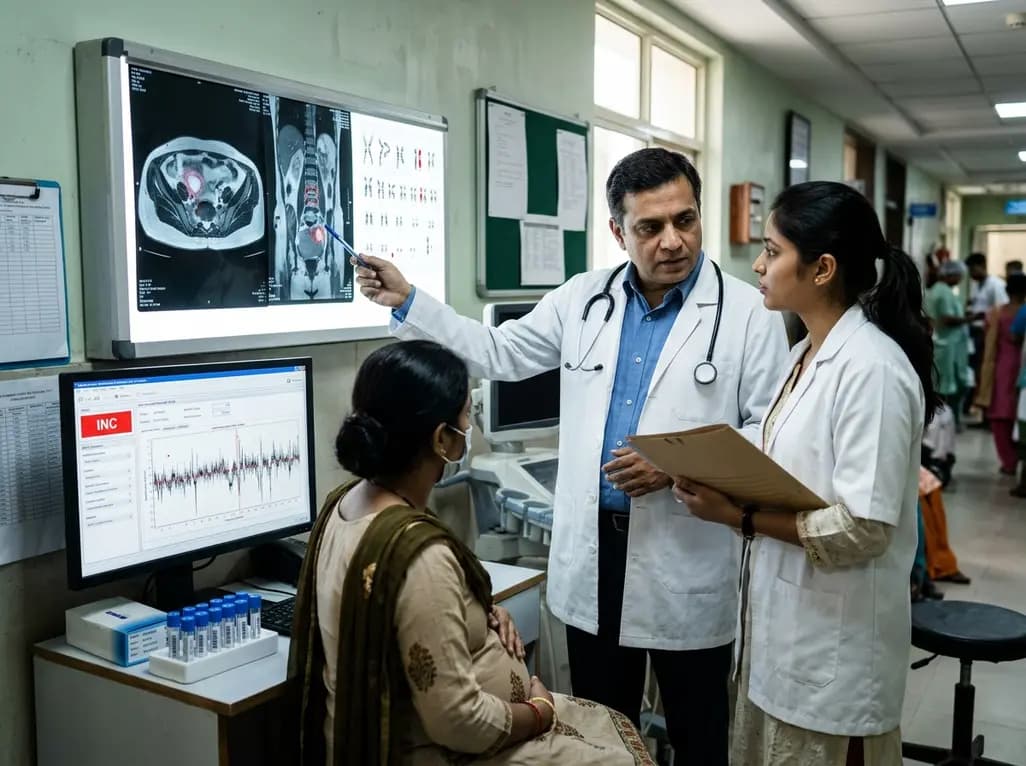
Occult maternal malignancy accounts for 3.82% of persistent unreportable NIPT results with genomic noise. Multiple chromosomal aberrations, notably on chromosome 18, warrant thorough oncological evaluation and whole-body MRI to ensure timely maternal diagnosis while preserving fetal care.
Today
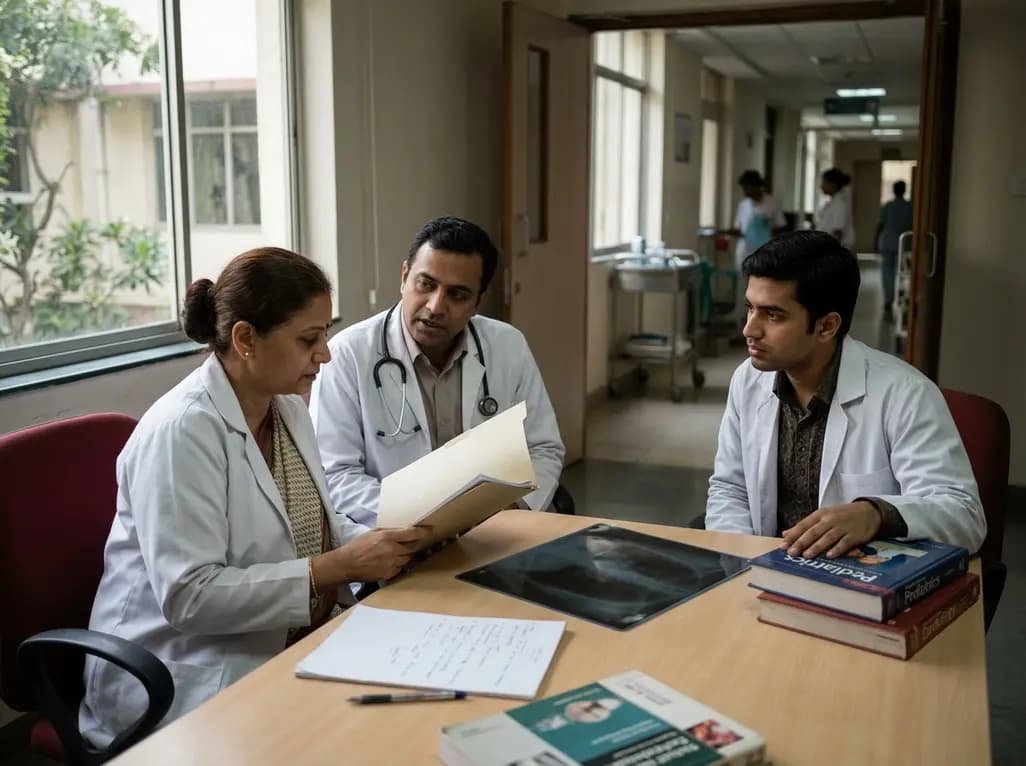
This article reviews the forensic and clinical complexities of acute myocarditis arising on left ventricular hypertrophy in children, highlighting early diagnostic red flags and multidisciplinary postmortem autopsy protocols.
Today
A randomized controlled trial demonstrates that an eight-week dual-task training intervention significantly improves static and dynamic postural control over standard balance exercises in individuals with chronic ankle instability, addressing critical neurocognitive deficits during athletic and daily activities.
Today

A retrospective cohort study of 7,716 ICU patients from the MIMIC-IV database demonstrates that Gradient Boosting Decision Trees significantly outperform traditional SOFA scores in predicting in-hospital mortality among patients with sepsis and diabetes, with SHAP analysis providing clinical interpretability.
Today
