

Loading, please wait...
Loading, please wait...

Pediatric central nervous system neoplasms in young infants present exceptional technical hurdles for surgical teams. Achieving complete tumor clearance remains the principal determinant of long-term event-free survival. However, severe hypervascularity and low circulating blood volumes frequently jeopardize primary operative interventions. Preoperative chemotherapy has surfaced as a proven neoadjuvant approach to resolve these formidable surgical challenges. By administering targeted medical regimens prior to definitive resection, clinicians can systematically reduce lesion volume and downregulate abnormal tumor vascular networks. Consequently, this staged multidisciplinary strategy significantly enhances operative safety.
Complete surgical resection represents the primary benchmark for curative intent in pediatric neuro-oncology. Nevertheless, attempting radical primary excision in infants frequently carries life-threatening operative risks. Young pediatric patients have very limited circulating blood volumes. Therefore, even modest intraoperative blood loss can cause rapid hemodynamic collapse. Furthermore, tumors such as medulloblastoma and choroid plexus carcinoma present with massive dimensions and fragile neo-vessels. When neurosurgeons encounter aggressive vascular proliferation, gross-total removal often becomes impossible without inflicting severe neurological deficits.
Consequently, multidisciplinary teams increasingly utilize neoadjuvant protocols to remodel tumor architecture before surgery. Administering systemic induction therapy triggers rapid apoptosis within susceptible malignant cells. As a direct result, tumor vascularity diminishes substantially, while distinct fibrous borders develop around the mass. In addition, this cytotoxic shrinkage relieves severe peritumoral edema and dangerous mass effect on the brainstem. Thus, pediatric neurosurgeons can execute complex microdissections within a far more controlled, stable operative environment.
Recent high-quality clinical data provide compelling support for neoadjuvant chemotherapy protocols in pediatric brain tumors. Guillen Arguello and colleagues recently analyzed twenty-one studies encompassing 124 pediatric cases alongside institutional data from Texas Children's Hospital. Across the published literature, the mean patient age at presentation was 32 months. Furthermore, male children represented 58.9% of the overall study cohort. Multiagent chemotherapy protocols achieved demonstrable radiographic tumor reduction in 82.3% of the pooled literature cases.
Similarly, the institutional cohort demonstrated objective tumor shrinkage in half of the treated patients. More importantly, gross-total resection was achieved in 78.2% of the systematic review cohort and 80% of institutional cases. Remarkably, investigators observed zero chemotherapeutic complications that interfered with planned surgery or prolonged immediate recovery. These findings confirm that neoadjuvant treatment consistently converts inoperable neoplasms into completely resectable lesions. In addition, extended follow-up intervals demonstrate durable local disease control without increasing perioperative morbidity. Consequently, clinicians now possess robust multi-center evidence supporting upfront systemic treatment in high-risk pediatric presentations.
Histological tumor biology strongly governs patient responsiveness to preoperative cytoreductive protocols. Within systematic analyses, medulloblastoma represents the single most common pathology, followed by aggressive choroid plexus carcinoma. Medulloblastomas display exceptional sensitivity to alkylating agents and platinum compounds. As a result, early chemotherapy cycles induce dramatic tumor shrinkage, effectively freeing invaded fourth ventricle boundaries.
Similarly, choroid plexus carcinomas demonstrate pronounced architectural transformation following neoadjuvant drug delivery. These neoplasms typically cause massive hemorrhage during primary surgery due to expansive choroidal arterial feeders. However, post-chemotherapy surgical reports document marked devascularization, extensive tissue necrosis, and robust capsule formation. Furthermore, atypical teratoid/rhabdoid tumors derive notable mechanical advantages from cytoreductive induction. Even partial volumetric reduction relieves obstructive hydrocephalus and stabilizes intracranial dynamics. Consequently, neurosurgeons can defer urgent, precarious interventions until systemic medical therapy restores patient stability. Ultimately, early biopsy confirmation allows multidisciplinary teams to tailor specific chemotherapeutic protocols to distinctive tumor profiles.
Preserving hemodynamic stability remains a vital operative priority during complex infant craniotomies. Because infants possess minimal physiological circulating blood volume, abrupt blood loss quickly precipitates shock, coagulopathy, and cerebral hypoperfusion. Primary resections of hypervascular intraventricular neoplasms historically required blood transfusions exceeding total patient blood volume. In sharp contrast, children who receive neoadjuvant chemotherapy demonstrate dramatically lower intraoperative transfusion requirements.
Surgeons consistently observe less parenchymal bleeding, firmer tumor texture, and collapsed feeder vessels during post-chemotherapy craniotomies. Furthermore, avoiding excessive blood transfusions protects infants from systemic inflammatory cascades, transfusion-related lung injury, and metabolic acidosis. Clearer visualization of surrounding brainstem structures also prevents accidental devascularization of vital neural tracts. Consequently, surgical teams achieve higher complete resection rates while substantially reducing permanent neurological deficits. In addition, decreased operative blood loss correlates directly with shorter anesthesia duration and reduced intensive care stays. Thus, preoperative cytoreduction safeguards pediatric hemodynamics while markedly increasing surgical radicality and functional recovery.
Adopting neoadjuvant chemotherapy protocols offers substantial advantages for pediatric neuro-oncology services in India. In many Indian tertiary care institutions, young patients present late with massive lesions and advanced hydrocephalus. Performing upfront radical resections on such large masses strains blood banking resources and specialized pediatric critical care units. Therefore, establishing a staged care pathway delivers tremendous clinical and economic value.
Multidisciplinary tumor boards should coordinate care between pediatric oncologists, neurosurgeons, and pediatric intensivists. Performing an endoscopic third ventriculostomy with concurrent tumor biopsy effectively manages hydrocephalus while establishing an accurate histological diagnosis. Subsequently, oncologists can administer standardized, cost-effective chemotherapy regimens, including cisplatin and etoposide combinations, under close clinical monitoring. Furthermore, this therapeutic window provides undernourished infants valuable time to recover nutritional reserves and immunological health before major surgery. As a result, Indian centers can achieve resection benchmarks comparable to international standards while preventing avoidable operative mortality. Ultimately, systematic implementation of this approach advances national healthcare efforts to improve childhood cancer survival.
Preoperative chemotherapy benefits highly vascular and chemosensitive pediatric brain tumors most effectively. Medulloblastomas and choroid plexus carcinomas represent the most common indications in clinical practice. In addition, atypical teratoid/rhabdoid tumors benefit substantially. Neoadjuvant therapy reduces overall tumor volume, suppresses hypervascularity, and establishes distinct surgical margins before resection.
Clinical studies show that preoperative chemotherapy does not increase surgical risks or postoperative complications. In fact, systematic reviews report zero chemotherapy-related complications affecting surgery. Furthermore, chemotherapy reduces intraoperative hemorrhage and operative time. Consequently, it protects vulnerable infants from severe hemodynamic instability, blood transfusions, and secondary neurological deficits.
Preoperative chemotherapy improves gross-total resection rates by triggering tumor apoptosis and peritumoral fibrosis. This therapeutic response shrinks the lesion, diminishes bleeding from fragile neovessels, and establishes clean cleavage planes. Consequently, pediatric neurosurgeons can completely and safely resect approximately 78% to 80% of challenging tumors without compromising vital brain tissue.
Disclaimer: This content is for informational and educational purposes only and does not constitute medical advice, diagnosis, or treatment. Always seek the advice of a qualified healthcare provider with any questions you may have regarding a medical condition. Reliance on any information provided herein is solely at your own risk. Refer to the latest local and national guidelines for clinical practice.
References

Read summarized clinical updates, watch expert medical content, and earn CME certifications right from your smartphone.
Open your smartphone camera to scan and install.





A systematic review and clinical study demonstrate that preoperative chemotherapy is a safe, highly effective strategy to shrink aggressive pediatric brain tumors, significantly improve gross-total resection rates, and reduce life-threatening intraoperative surgical complications in infants.
Today

The Food Safety and Standards Authority of India has issued an urgent advisory against food business operators violating mandatory labelling standards for nutraceuticals and botanicals. Regulators prohibited therapeutic claims while mandating clear advisory warnings to prevent patient toxicity and medical misuse.
Today

Biotechnology researchers in India are developing an automated liquid biopsy platform to detect cervical malignancy from blood samples. Supported by the MAHA MedTech Mission, this initiative applies nanopore sequencing and piRNA biomarker detection to eliminate invasive speculum exams and expand rural screening.
Today
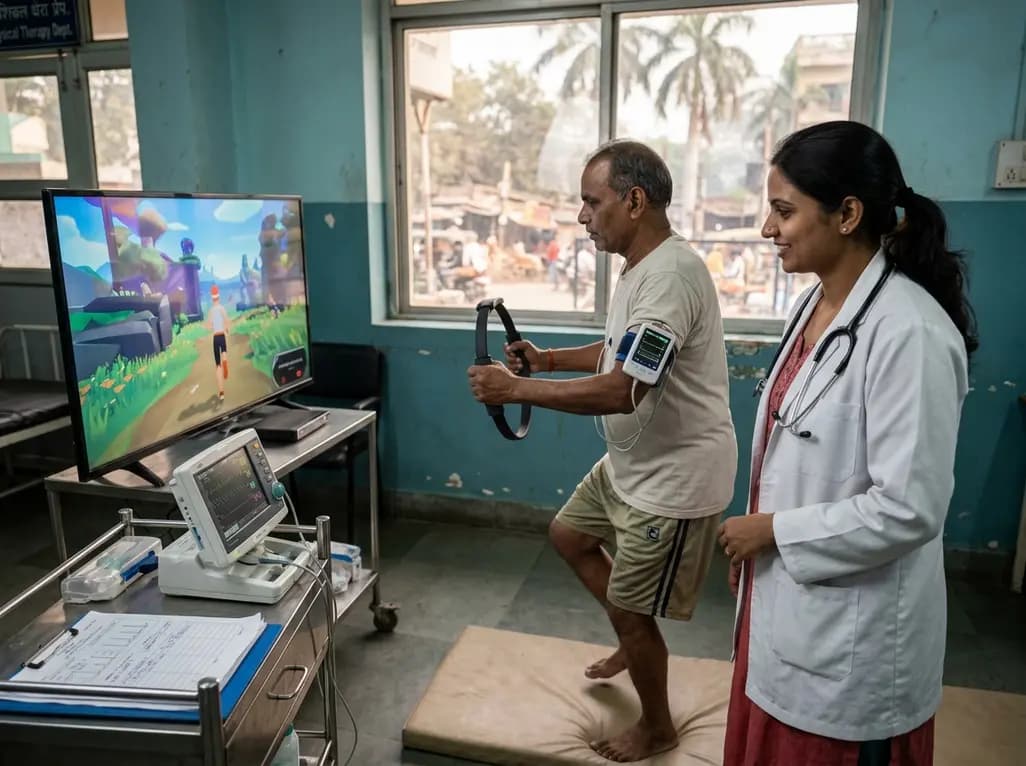
A clinical study evaluated Ring Fit Adventure in adults with chronic conditions, revealing that exergaming achieves moderate-to-vigorous exercise intensity while maintaining hemodynamic stability, high enjoyment, and zero adverse events.
Today

A retrospective cohort study reveals that selecting the touched vertebra as the lowest instrumented vertebra in thoracic adolescent idiopathic scoliosis yields a 20.8% distal add-on rate, driven by remnant motion segments and axial rotational discrepancies.
Today
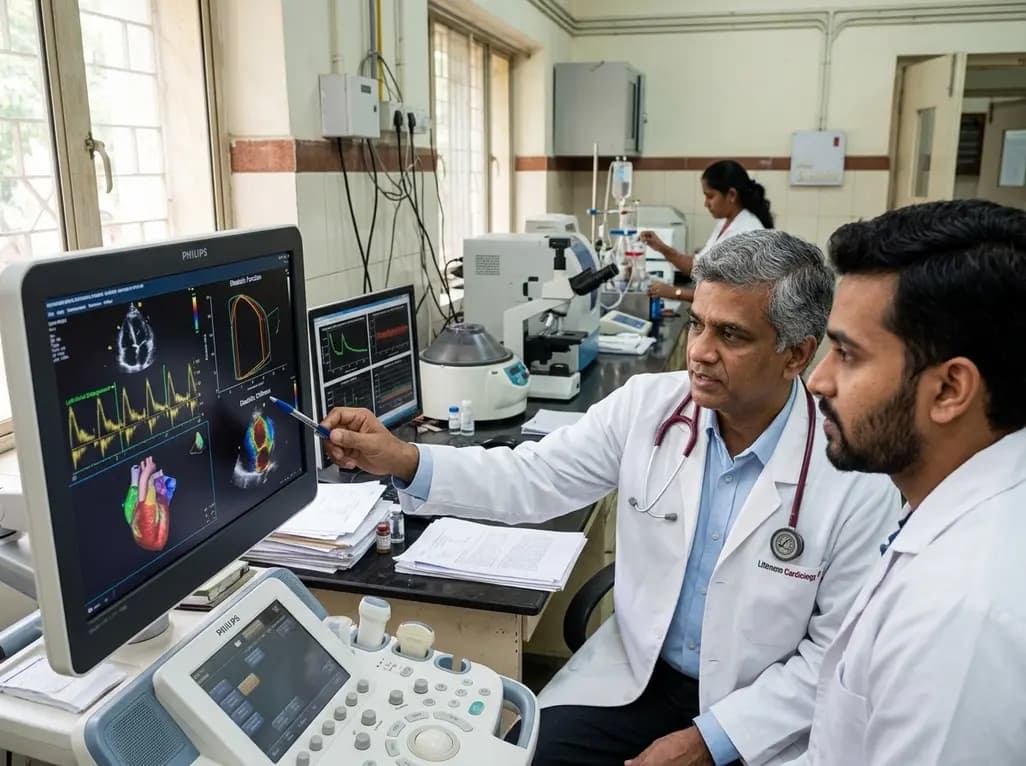
A study evaluates a cardiometabolic HFpEF model combining metabolic stress with chronic mineralocorticoid excess. The findings reveal profound diastolic stiffness, endothelial dysfunction, and pulmonary hypertension, illuminating key pathophysiological mechanisms for targeted cardiopulmonary therapies.
Today
