

Loading, please wait...
Loading, please wait...
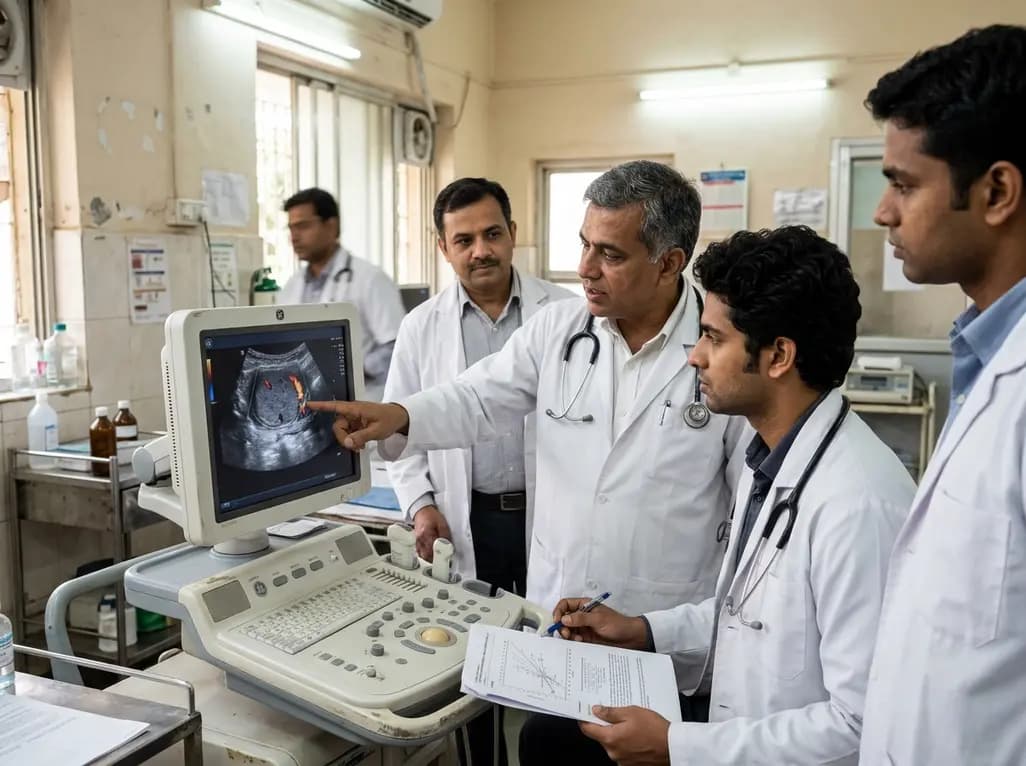
Testicular torsion represents a time-critical urological emergency demanding rapid diagnosis and decisive surgical exploration. Clinicians continually strive to maximize rates of testicular salvage while preventing unnecessary orchiopexy of non-viable tissue. Although acute scrotal pain requires prompt intervention, surgeons frequently face challenging intraoperative decisions regarding tissue preservation. A groundbreaking multicenter study by Deniz and colleagues introduces a validated nomogram that refines this decision-making process by integrating clinical, ultrasonographic, and inflammatory parameters.
Acute spermatic cord twisting rapidly compromises testicular arterial inflow and venous drainage. Consequently, prolonged parenchymal ischemia triggers progressive testicular necrosis, germ cell death, and Leydig cell dysfunction. Historically, attending surgeons relied almost entirely on patient-reported symptom duration to estimate testicular viability. However, relying exclusively on patient recall frequently causes diagnostic error and clinical uncertainty. For example, intermittent torsion episodes or nocturnal onset can significantly distort the estimated timeline of ischemia. Therefore, urologists require objective pre-operative markers to evaluate testicular necrosis risks accurately. Furthermore, preserving an irreversibly necrotic testicle introduces significant long-term clinical risks, including chronic pain, scrotal abscess formation, and systemic anti-sperm antibody production that may compromise contralateral fertility. In contrast, performing an unnecessary orchiectomy causes substantial psychological distress and potential androgen deficiency in adolescent males. Because of these competing clinical concerns, objective risk stratification tools are indispensable in emergency urology. By providing calibrated, individualized probabilities of tissue loss, validated prediction tools empower clinicians to counsel families effectively and refine operative planning before entering the surgical suite. Additionally, standardized risk scoring helps trainees and emergency physicians appreciate the urgent physiological cascade involved in ischemic testicular injury.
To address clinical ambiguities in acute scrotal management, investigators conducted a robust multicenter retrospective study spanning thirteen consecutive years. Specifically, the researchers evaluated 198 consecutive male patients diagnosed with surgically confirmed unilateral testicular torsion between 2012 and 2025. Every included patient underwent urgent surgical exploration resulting in either definitive orchiopexy or orchiectomy. In addition, the research teams methodically gathered comprehensive baseline demographics, precise symptom durations, preoperative color Doppler ultrasonography findings, and routine laboratory parameters. Multivariable logistic regression analysis was subsequently performed to identify independent predictors of surgical orchiectomy and tissue non-viability. The multicenter design provided extensive geographic and institutional diversity, which significantly enhanced the external validity of the resulting predictive model. Moreover, analyzing cases over more than a decade allowed researchers to observe real-world decision patterns across diverse surgical teams. Ultimately, the collected data revealed consistent clinical, radiological, and biochemical differences between salvageable organs and infarcted tissue. Consequently, this multicenter dataset established a reliable empirical baseline for constructing a clinically applicable predictive nomogram. Furthermore, strict inclusion criteria ensured that only true twisting of the spermatic cord was analyzed, eliminating confounding diagnostic mimickers.
The multivariable logistic regression analysis identified three independent predictors of orchiectomy: symptom duration, absent intratesticular blood flow on Doppler ultrasound, and elevated C-reactive protein. First, symptom duration demonstrated decisive prognostic influence. Receiver operating characteristic curve analysis revealed an 8-hour cutoff as the optimal discriminative threshold. Specifically, this 8-hour window yielded a sensitivity of 85.5% and a specificity of 76.7% for predicting orchiectomy. Second, the complete absence of intratesticular parenchymal blood flow on color Doppler sonography strongly correlated with microvascular thrombosis and parenchymal infarction. While preserved or marginal peripheral flow suggests early ischemia, absent central waveforms signify advanced vascular compromise. Third, serum C-reactive protein emerged as a potent systemic inflammatory biomarker. Elevated CRP levels directly mirror the extent of ischemic cellular necrosis and tissue inflammation within the affected hemiscrotum. Although clinicians historically regarded blood tests as uninformative in acute scrotal pain, CRP reflects biological disease progression reliably. Consequently, combining duration, perfusion status, and inflammatory response yields unmatched diagnostic precision. Therefore, assessing these three synergistic markers transforms surgical prognostication from an imprecise guessing game into a structured, evidence-based assessment.
Building upon the multivariable regression model, the investigators developed a user-friendly graphical nomogram designed for rapid bedside application. Nomograms translate intricate mathematical equations into intuitive visual scoring instruments that clinicians can quickly calculate. In this nomogram, individual point values are assigned to symptom duration, color Doppler flow status, and serum CRP levels. Subsequently, the user sums these individual points to produce a total score that corresponds directly to an individualized risk percentage for orchiectomy. Internal validation demonstrated excellent calibration and remarkable discriminative performance. Furthermore, decision-curve analysis confirmed substantial net clinical benefit across all realistic probability thresholds in emergency practice. Rather than relying on subjective intraoperative visual assessment alone, surgeons gain objective, preoperative risk stratification. Thus, surgical teams can anticipate operative findings before making the scrotal incision. Moreover, this calibrated risk score provides junior surgical residents with a standardized metric to support clinical judgment during emergency night shifts. Consequently, the tool minimizes unwarranted hesitation, assists in organizing appropriate surgical instrumentation, and ensures that intraoperative strategies align with validated clinical probabilities of tissue recovery.
Integrating this predictive nomogram into emergency scrotal pathways can optimize operative workflows and improve communication. However, clinicians must remember that diagnostic calculations should never delay urgent surgical exploration. Scrotal exploration remains the definitive diagnostic and therapeutic standard for suspected testicular torsion. Fortunately, emergency teams can obtain color Doppler ultrasound and rapid serum CRP measurements simultaneously while preparing the operating room. In secondary care centers and rural clinics, the nomogram helps emergency physicians determine transfer urgency and prioritize ambulance dispatch. Furthermore, identifying patients with an extremely high probability of orchiectomy allows surgeons to conduct transparent preoperative counseling with patients and their guardians. Frank discussions regarding unilateral gonadectomy, potential prosthesis insertion, and contralateral orchiopexy prevent surprise and emotional trauma postoperatively. In addition, recognizing high-risk profiles enables timely long-term counseling regarding reproductive health and endocrine follow-up. Thus, the nomogram represents a valuable adjunctive instrument that harmonizes clinical assessment, radiological imaging, and compassionate patient care. Ultimately, adopting this systematic approach standardizes emergency scrotal care across diverse hospital settings and reduces practice variation in acute urological surgery.
Elevated C-reactive protein acts as an independent biomarker of severe testicular ischemia and germ cell necrosis. While symptom duration measures elapsed time, CRP objectively reflects the underlying biological inflammatory response to tissue infarction. Consequently, high CRP concentrations indicate extensive ischemic parenchymal breakdown, substantially lowering the likelihood of successful organ preservation. Incorporating CRP alongside Doppler sonography significantly enhances prognostic precision beyond clinical history alone.
The multicenter study identified an 8-hour cutoff as the optimal threshold for predicting surgical testicular viability, yielding 85.5% sensitivity and 76.7% specificity. Within this critical time window, immediate surgical detorsion can successfully restore parenchymal microcirculation before permanent cellular death occurs. Beyond 8 hours, progressive cellular hypoxia and microvascular thrombosis dramatically reduce tissue salvage rates. Therefore, prompt emergency intervention within this period remains essential for organ survival.
The predictive nomogram should never delay urgent surgical scrotal exploration. Clinicians acquire color Doppler ultrasonography and basic blood tests concurrently while mobilizing the operating room team and obtaining informed consent. Because calculations require only minutes, the nomogram provides immediate risk stratification without stalling theater access. Its primary utility lies in guiding intraoperative expectations, surgical decision-making, and objective communication with patients and families beforehand.
Disclaimer: This content is for informational and educational purposes only. It is not intended to substitute for professional medical advice, diagnosis, or treatment. Always seek the advice of your physician or other qualified health provider with any questions you may have regarding a medical condition or treatment choices. Never disregard professional medical advice or delay in seeking it because of something you have read here. Clinical decisions should not be based solely on this content. Refer to the latest local and national guidelines for clinical practice.
References

Read summarized clinical updates, watch expert medical content, and earn CME certifications right from your smartphone.
Open your smartphone camera to scan and install.





A multicenter study evaluates clinical, Doppler ultrasound, and CRP markers to construct a validated predictive nomogram for testicular salvage in testicular torsion, guiding surgical decision-making between orchiopexy and orchiectomy.
Today

A recent experimental study demonstrates that pre-challenge montelukast administration attenuates food-allergic responses and reduces colonic eosinophilic inflammation, providing valuable insights into leukotriene-mediated pathways in gastrointestinal allergic disorders.
Today
A single-center study evaluates fetal shunt placement in twin gestations with severe lung lesions or bladder outlet obstruction. Findings demonstrate an 85.7% 30-day survival rate in treated fetuses and 100% survival among unaffected co-twins, showing that experienced centers can perform the procedure safely.
Today

A new scoping review and expert consensus establish a concise 16-measure performance bundle for hospital cardiology services. Covering clinical processes, outcomes, patient-reported experiences, and structural factors, this framework advances value-based cardiovascular care under universal health coverage.
Today

A paired cadaveric study compared triple and quintuple percutaneous Achilles tendon lengthening. While quintuple hemisection showed numerically greater elongation, differences were not statistically significant.
Today
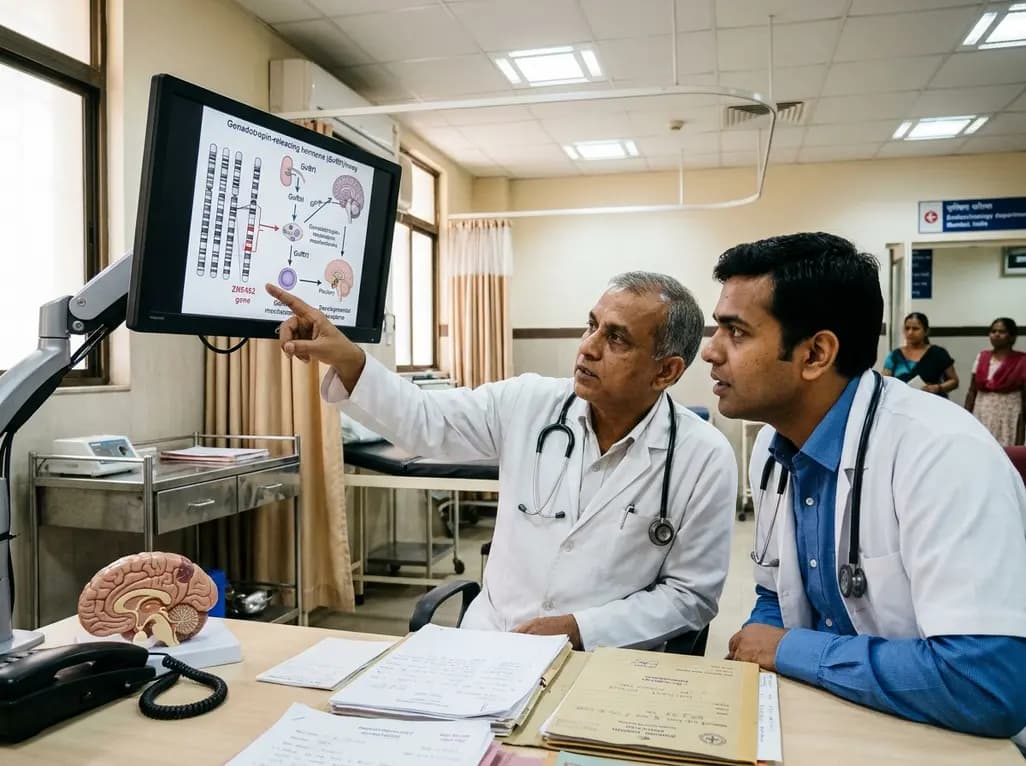
New research links de novo truncating variants in ZNF462 to congenital hypogonadotropic hypogonadism and Kallmann syndrome in Weiss-Kruszka syndrome. These findings reveal critical neurodevelopmental and epigenetic mechanisms governing GnRH neuron deficiency, offering new diagnostic clarity for clinicians.
Today
