.webp&w=384&q=75)

Loading, please wait...
Loading, please wait...
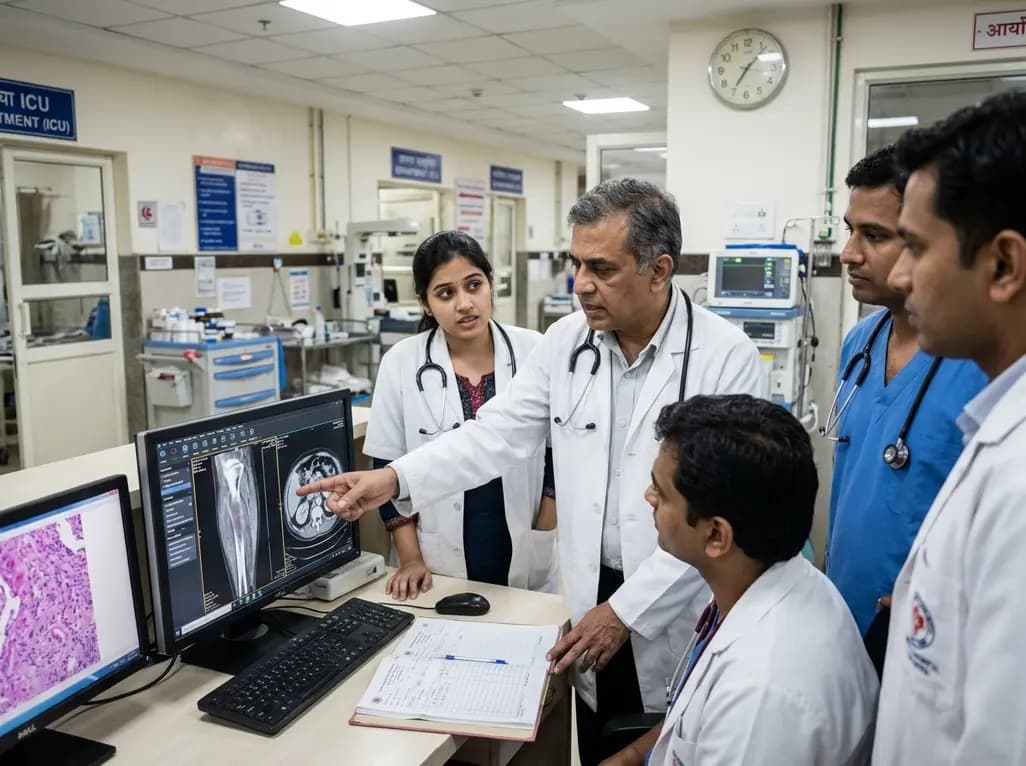
Managing fulminant necrotizing soft tissue infections presents one of the most critical emergencies in acute care medicine. Clinicians know that rapid surgical intervention remains the cornerstone of source control. However, many peripheral hospitals lack dedicated surgical intensive care units or specialized reconstructive teams. Consequently, physicians frequently arrange interhospital transfers for definitive critical management. This logistical reality sparks an intense debate among surgical teams. Should referring surgeons immediately debride tissue locally, or should they stabilize physiology and expedite direct transfer? For years, traditional practice favored urgent local surgery prior to transport, regardless of institutional resources. Yet, emerging evidence from multi-state databases challenges this entrenched dogma. When a transferring facility attempts an operation, anesthesia coordination, operating theater turnaround, and postoperative stabilization inevitably consume valuable hours. Furthermore, incomplete debridement at community facilities without subspecialty coverage may fail to halt tissue necrosis. Therefore, acute care leaders must evaluate whether pre-transport surgery confers true survival benefits or inadvertently prolongs clinical delay. As emergency transfer networks evolve, clarifying the timing of surgical debridement becomes essential for surgical teams, critical care physicians, and emergency departments.
A multi-state cohort study by Strobl and colleagues examined this clinical dilemma using three comprehensive state inpatient databases. Analyzing 2022 data from Massachusetts, Wisconsin, and Colorado, investigators identified 243 patients transferred with necrotizing soft tissue infections. Notably, 77 individuals underwent emergency surgical intervention prior to transfer, representing thirty-two percent of all cases. The authors initially hypothesized that pre-transfer surgical source control would significantly reduce patient mortality. However, multivariable logistic regression revealed unexpected results. Overall mortality in the pre-transfer surgery cohort was 9.1 percent, compared to 6.0 percent in the direct-transfer group. After adjusting for age, comorbidity burden, and severe sepsis, pre-transfer operation showed no survival advantage. Specifically, the adjusted odds ratio was 1.62 without achieving statistical significance. In addition, baseline disease severity was balanced between groups, because septic shock rates were virtually identical. Referring centers demonstrated wide variation in surgical volume and transfer patterns. Ultimately, these rigorous data demonstrate that operating prior to transport does not reduce mortality. Acute care clinicians must recognize that performing emergency debridement before transport fails to reverse established septic injury or improve survival.
Beyond mortality outcomes, the researchers evaluated hospital length of stay and total institutional charges. Surprisingly, pre-transfer surgical operations introduced marked systemic inefficiencies and increased resource utilization. Patients who had surgery before transfer experienced substantially prolonged hospitalization at referring hospitals. Specifically, these patients spent a median of four days at the initial hospital, compared to zero days for direct-transfer patients. This prolonged four-day delay represents critical time when patients remained without definitive tertiary intensive care. Furthermore, subsequent hospital stay at the receiving center did not shorten to compensate for earlier operations. Instead, overall duration of hospitalization remained extended, elevating the risk of hospital-acquired complications and functional decline. Consequently, financial charges increased dramatically for the pre-transfer surgery cohort. Hospital bills surged due to dual operating room sessions, repeated diagnostic imaging, and extended supportive therapies. Critical care requirements also rose, because postoperative patients frequently needed invasive mechanical ventilation during ambulance transit. Therefore, pre-transport surgical procedures place heavy burdens on healthcare systems without providing measurable clinical improvements. Health systems should optimize rapid transit protocols rather than encouraging extended preliminary surgical admissions.
How should surgical and emergency teams balance prompt source control against the necessity for rapid regional transfer? Existing literature reinforces that delayed operative debridement increases systemic morbidity. However, surgeons must differentiate between timely operative intervention and fragmented surgical care. When a community hospital lacks dedicated intensive care beds, initiating extensive debridement poses considerable physiological hazards. Aggressive resection frequently causes hypothermia, acute coagulopathy, and severe hemodynamic instability before an ambulance journey. Moreover, transport personnel face substantial clinical challenges when monitoring unstable postoperative patients in transit. Conversely, when referring physicians focus on immediate hemodynamic resuscitation and rapid dispatch, tertiary centers can execute comprehensive source control upon arrival. Tertiary facilities offer multidisciplinary resources, including specialized intensive care units, advanced renal replacement therapy, and microvascular reconstruction teams. Thus, clinicians at referring centers must assess local capabilities objectively. If immediate operating room access is unavailable within minutes, delaying transport to assemble surgical teams creates harmful clinical latency. Acute care providers should prioritize physiologic stabilization, broad-spectrum antimicrobial coverage, and prompt interhospital transfer.
These clinical findings carry direct significance for emergency and surgical workflows across India. In Indian healthcare, patients with severe soft tissue infections regularly present to peripheral nursing homes, primary health centers, or district hospitals. Many peripheral centers lack round-the-clock intensive care specialists, blood component therapy, and advanced surgical facilities. Consequently, local medical officers confront difficult choices when managing suspected necrotizing infections. Performing incomplete debridements in resource-limited settings can precipitate hemorrhage and septic shock while squandering critical transfer windows. Meanwhile, traffic congestion and vast transport distances across rural districts compound interhospital transit delays. Therefore, Indian clinicians must adopt structured clinical protocols. Referring doctors should initiate rapid fluid resuscitation, administer broad-spectrum intravenous antimicrobials, and coordinate directly with regional tertiary medical colleges. If a peripheral hospital cannot provide definitive surgical clearance and post-procedural intensive monitoring, direct expedited transfer represents the safer choice. By eliminating unnecessary pre-transfer operative delays, Indian health networks can optimize clinical outcomes, preserve financial resources, and ensure timely access to comprehensive multidisciplinary surgical care.
Recent multi-center evidence shows that pre-transfer surgical debridement does not confer a survival benefit for patients with necrotizing soft tissue infections. In fact, adjusted analysis revealed comparable mortality rates between patients who underwent pre-transport operations and those transferred immediately without surgery. Because pre-transfer procedures frequently cause substantial logistical delays and prolonged hospitalization, expedited transfer directly to a tertiary facility with dedicated critical care resources remains the preferred clinical strategy.
Clinicians should only perform pre-transfer operative debridement when definitive transport is significantly delayed and the referring center has adequate surgical and anesthetic capabilities. If weather, geographic barriers, or ambulance shortages delay transit for many hours, local source control can halt rapid tissue necrosis. However, if reliable transport is readily accessible, teams should prioritize hemodynamic stabilization, broad-spectrum antibiotics, and prompt transfer, avoiding avoidable operative delays that worsen overall clinical outcomes.
Initial medical management requires aggressive intravenous crystalloid resuscitation to restore organ perfusion and correct metabolic acidosis. Physicians must promptly obtain blood cultures and administer empiric, broad-spectrum intravenous antimicrobials covering gram-positive, gram-negative, and anaerobic pathogens, including MRSA and group A Streptococcus. Clinicians should also add clindamycin to suppress bacterial exotoxin synthesis. Finally, continuous hemodynamic monitoring, active warming, and rapid communication with the receiving surgical intensive care team ensure patient safety during transfer.
Disclaimer: This content is for informational and educational purposes only and does not constitute medical advice, diagnosis, or treatment. Healthcare professionals should rely on their clinical judgment and verify details against standard clinical guidelines. Refer to the latest local and national guidelines for clinical practice.
References

Read summarized clinical updates, watch expert medical content, and earn CME certifications right from your smartphone.
Open your smartphone camera to scan and install.





A recent multi-state analysis evaluates whether pre-transfer surgical debridement improves outcomes in necrotizing soft tissue infections. The findings show no survival advantage, but reveal longer hospital stays and higher costs, challenging conventional clinical dogma regarding immediate pretransport operation.
4 weeks back
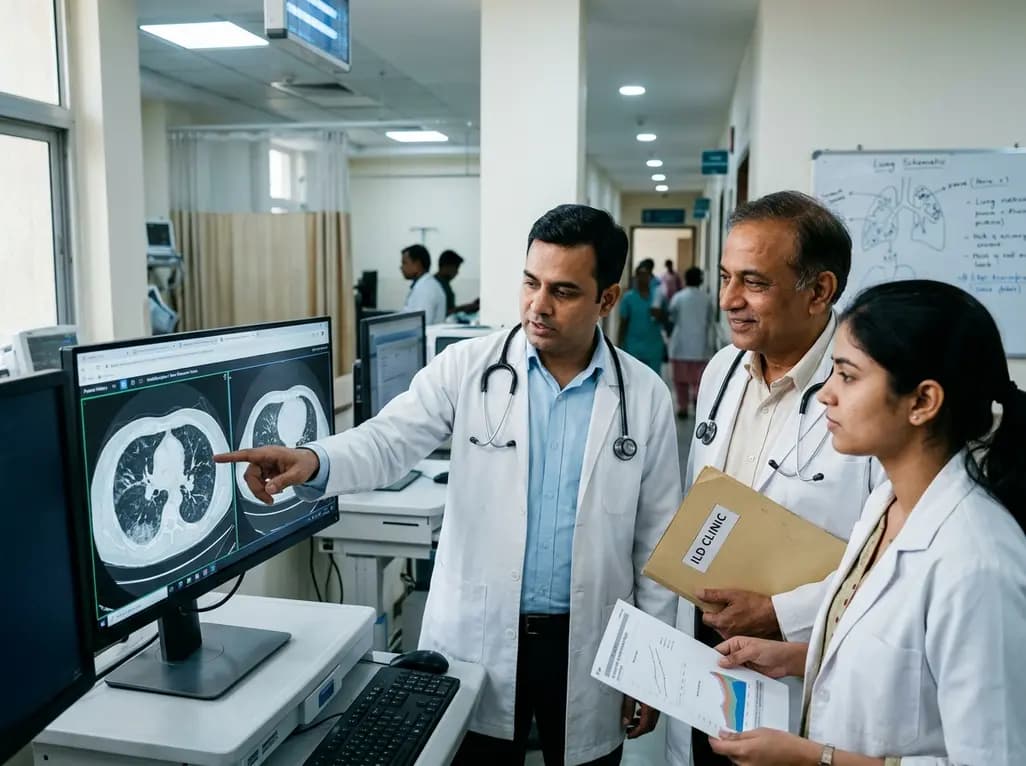
A nationwide English cohort study shows that interstitial lung diseases are no longer rare, with incidence jumping 30% and 200,000 active cases. This analysis highlights clinical implications for diagnosis, multi-disciplinary management, and global health priorities across respiratory and internal medicine.
Today

A nationwide South Korean study shows underreporting of smoking among women dropped from 57.4% to 36.4% between 2008 and 2021. However, over one-third of female smokers still conceal their habit, highlighting the critical role of cotinine verification in clinical risk assessment.
Today

PepsiCo and Monster Beverage have challenged the FSSAI ban on the energy drink label in Indian courts. While companies highlight supply disruptions, regulatory actions spotlight severe cardiovascular and metabolic risks associated with excessive caffeine, sugar, and taurine consumption, especially in adolescents.
Today

A new study evaluates the rheological stability of decellularized peripheral nerve matrix hydrogels under varied storage conditions. Findings show -80°C storage and freeze-drying preserve gelation kinetics and mechanical stiffness, offering key insights for shipping and translational clinical applications.
Today

A Bayesian multilevel meta-analysis reveals that aerobic training combined with moderate carbohydrate restriction modestly lowers HbA1c in type 2 diabetes. However, sparse data and very low certainty leave incremental benefits over exercise or diet alone unproven, highlighting the need for individualized care.
Yesterday
