

Loading, please wait...
Loading, please wait...
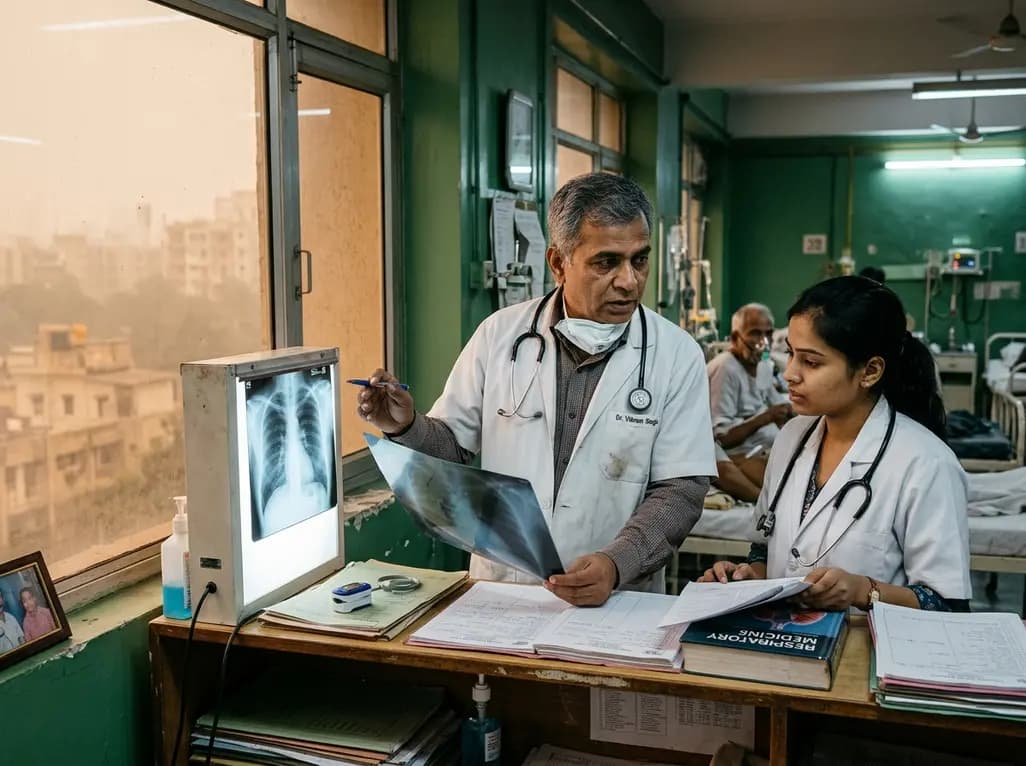
The national capital faces an unprecedented public health crisis as post-Diwali air pollution blankets the region in thick, hazardous smog. Consequently, hospitals across Delhi and the National Capital Region report significant spikes in acute respiratory distress. Air quality monitors recorded values exceeding five hundred on official scales, while private monitors documented levels past one thousand. Therefore, healthcare providers must immediately recognize the acute clinical implications of this environmental emergency.
The sudden spike in toxic smog results from compounding environmental stressors. Although winter meteorology routinely traps urban emissions, firecracker detonations deliver an immediate burst of hazardous particulate matter. Furthermore, private monitors reported PM2.5 levels climbing from three hundred micrograms to nearly fifteen hundred micrograms per cubic meter overnight. Consequently, airborne pollutants remain trapped near ground level due to temperature inversion and stagnant wind speeds.
Fine particulate matter smaller than 2.5 micrometers penetrates deep into the human respiratory system. In addition, these particles bypass the upper airway ciliary clearance mechanisms. They readily reach the alveolar spaces where gas exchange occurs. Moreover, firecracker combustion releases toxic chemical compounds, including heavy metals, sulfur dioxide, and nitrogen oxides. Therefore, inhaled particles provoke severe local cellular oxidative stress.
Simultaneously, ultrafine particles cross the alveolar-capillary barrier to trigger systemic inflammation. This process promotes endothelial dysfunction and increases vascular thrombogenicity. As a result, acute exposure threatens both pulmonary integrity and systemic cardiovascular stability. Physicians must understand that standard municipal Air Quality Index scales cap readings at five hundred. In contrast, true ambient concentrations during these episodes frequently exceed official thresholds by multiple factors.
Clinicians across outpatient departments and emergency rooms observe a substantial surge in acute presentations. In fact, pulmonologists anticipate a twenty to thirty percent rise in patient admissions during severe pollution spikes. Previously stable individuals present with persistent dry cough, pharyngeal burning, and nasal congestion. Furthermore, patients with pre-existing airway diseases experience severe, abrupt exacerbations.
Bronchial hyperresponsiveness presents as diffuse wheezing, chest tightness, and progressive dyspnea. Similarly, extreme exposure triggers acute rhinosinusitis and severe conjunctival irritation. Even otherwise healthy young adults describe debilitating fatigue, ocular burning, and headaches after brief outdoor exertion. Consequently, physicians must distinguish between primary viral bronchitis and acute particulate-induced airway inflammation.
In addition, severe smog exposure compromises innate pulmonary defenses. Toxic pollutants impair alveolar macrophage phagocytosis and disrupt airway epithelial tight junctions. Therefore, exposed patients become markedly more susceptible to secondary bacterial and viral infections. Meanwhile, individuals with subclinical reactive airway disease may develop persistent cough variant asthma. In severe cases, acute exposure triggers bronchospasm that fails to respond to baseline bronchodilator therapy alone. Thus, clinicians must conduct thorough physical examinations and perform serial spirometry when assessing distressed patients.
Certain patient cohorts face disproportionate risks during acute pollution surges. Specifically, pediatric patients suffer substantial physiological harm because their lungs continue to develop. Children possess higher minute ventilation rates per kilogram of body weight compared to adults. Therefore, they inhale significantly greater volumes of toxic particulate matter during normal daily activity.
Furthermore, post-mortem and radiological observations indicate alarming structural alterations in juvenile pulmonary tissues. Microscopic carbonaceous deposits can turn juvenile lung parenchyma dark grey or brown over prolonged exposures. In addition, pediatric airways have narrower diameters, which predisposes young children to severe obstruction during inflammatory flares. Consequently, pediatric asthma exacerbations require swift, decisive clinical intervention.
Similarly, elderly patients and individuals with cardiopulmonary comorbidities represent extremely fragile populations. Chronic obstructive pulmonary disease, coronary artery disease, and congestive heart failure worsen dramatically during smog episodes. Moreover, systemic inflammatory cascades triggered by alveolar translocations destabilize vulnerable atherosclerotic plaques. As a result, hospitals report increased incidences of acute coronary syndromes and ischemic strokes during high pollution intervals. Additionally, pregnant women exposed to toxic ambient air face elevated risks of intrauterine growth restriction and gestational complications. Healthcare providers must proactively contact these high-risk cohorts to reinforce preventive self-care measures.
Effective outpatient management requires prompt risk stratification and aggressive early symptom control. First, practitioners should evaluate oxygen saturation, respiratory rate, and peak expiratory flow in all symptomatic individuals. Patients presenting with active bronchospasm benefit from stepped-up inhaled corticosteroid regimens combined with long-acting beta-agonists. Furthermore, physicians should ensure patients maintain access to rapid-acting inhaled bronchodilators for immediate symptom relief.
Additionally, short courses of oral corticosteroids may prove necessary for refractory exacerbations of asthma or chronic obstructive pulmonary disease. However, clinicians must judiciously avoid unnecessary empirical antibiotic prescriptions for purely irritant-induced bronchitis. Nasal saline irrigations and topical intranasal corticosteroids provide effective relief for severe upper airway mucosal edema. Similarly, lubricating eye drops mitigate acute chemical conjunctivitis caused by suspended particulate matter.
Physicians should also optimize existing cardiovascular medications during prolonged smog episodes. Specifically, ensuring strict adherence to antihypertensive and antiplatelet regimens mitigates pollution-induced cardiovascular instability. Furthermore, clinicians must provide comprehensive patient education regarding non-pharmacological protections. Patients should strictly avoid all outdoor morning exercise while the ambient Air Quality Index remains severe. Indoor high-efficiency particulate air purifiers significantly reduce domestic particle concentrations. In addition, healthcare workers should counsel patients to wear properly fitted N95 respirators whenever outdoor travel is unavoidable.
Managing public health crises demands long-term structural reforms alongside immediate clinical care. Experts emphasize that temporary municipal interventions, such as chemical cloud seeding or roadway water sprinkling, yield minimal clinical benefit. For example, localized anti-smog guns and mechanical water misting reduce airborne particulate burdens only marginally. Therefore, healthcare leaders must advocate for comprehensive emissions control at the actual source.
Furthermore, environmental health experts argue that air pollution recognizes no municipal borders. The entire Indo-Gangetic Plain represents a single, contiguous airshed that requires unified regional governance. Consequently, seasonal crop residue burning, heavy industrial discharge, vehicular exhaust, and festive fireworks demand simultaneous, coordinated regulation. When municipal authorities rely solely on reactive Graded Response Action Plan measures, toxic air persists unabated.
In contrast, international examples demonstrate that dedicated structural changes produce tangible, sustained improvements. Cities such as London and Beijing achieved remarkable air quality improvements through sustained funding and rigorous policy enforcement. They phased out outdated industrial boilers, expanded public transit infrastructure, and enforced strict emissions standards. Ultimately, Indian medical professionals must unite with policy planners to treat air quality as a primary public health priority. By highlighting the direct clinical morbidity of severe pollution spikes, doctors can accelerate meaningful systemic change.
Q1: Why does post-Diwali air pollution cause such severe health complications compared to routine urban pollution?
Post-Diwali smog combines routine industrial emissions with massive quantities of firecracker smoke. These fireworks release extremely fine particulate matter, potassium salts, sulfur compounds, and heavy metal residues. Furthermore, winter temperature inversions prevent vertical atmospheric dispersion. Consequently, these concentrated chemical toxins remain trapped near the ground, directly entering the lower airways to induce severe oxidative damage and systemic inflammation.
Q2: How should clinicians distinguish between particle-induced bronchitis and acute infectious pneumonia?
Particle-induced bronchitis presents abruptly after smog exposure with throat irritation, dry cough, and wheezing, typically lacking high fever. In contrast, infectious pneumonia presents with sustained fever, productive purulent sputum, focal lung crepitations, and elevated inflammatory laboratory markers. Clinicians should reserve diagnostic chest radiography and systemic antibiotics for patients demonstrating persistent pyrexia, focal auscultatory findings, or hemodynamic instability.
Q3: Which personal protective measures provide the greatest clinical benefit against severe PM2.5 exposure?
Properly fitted N95 or FFP2 respirators offer the highest personal protection by filtering at least 95 percent of fine airborne particles. Cloth and surgical masks provide inadequate filtration against microscopic PM2.5. Additionally, vulnerable patients must remain indoors with sealed windows, utilize certified HEPA air purifiers, and refrain from outdoor cardiovascular exercise until the ambient air quality index significantly improves.
Disclaimer: This content is for informational and educational purposes only. It does not constitute medical advice or replace professional judgment. Refer to the latest local and national guidelines for clinical practice.
References

Read summarized clinical updates, watch expert medical content, and earn CME certifications right from your smartphone.
Open your smartphone camera to scan and install.





Severe toxic smog following festival celebrations has pushed Delhi's air quality index into hazardous ranges. This clinical guide outlines acute respiratory impacts, particulate matter pathophysiology, vulnerable population risks, and evidence-based management strategies for healthcare practitioners.
Today
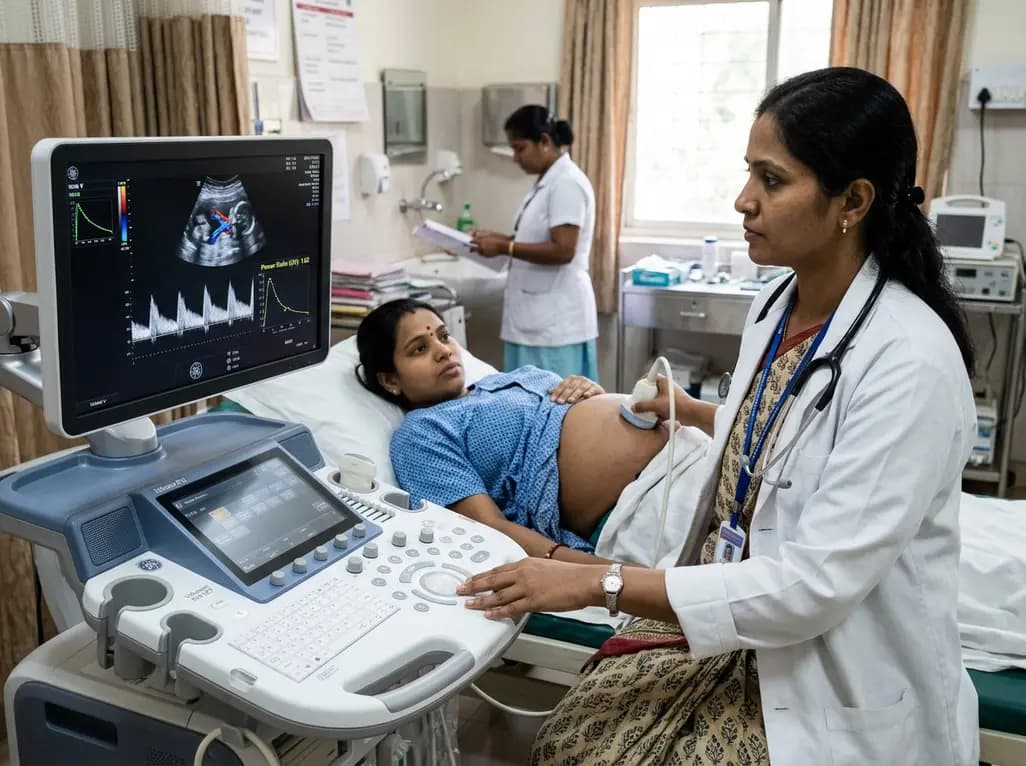
Adaptive spectral analysis of umbilical venous Doppler recordings reveals that an elevated second-trimester maternal-fetal power ratio can distinguish pregnancies at risk of preeclampsia, offering a novel biophysical approach to enhance early vascular risk stratification.
Today

A real-world cohort study of 6,537 patients from the FOUNTAIN platform demonstrates that initiating finerenone significantly reduces albuminuria by 40.7% with minimal eGFR decline and manageable hyperkalemia risk, confirming its practical effectiveness and safety in diabetic kidney disease.
Today

Adding a 12-week tele-supervised resistance band exercise program to intra-articular hyaluronic acid injections significantly improves physical function, chair stands, and mobility in knee osteoarthritis, despite showing no additive reduction in baseline pain scores.
Today
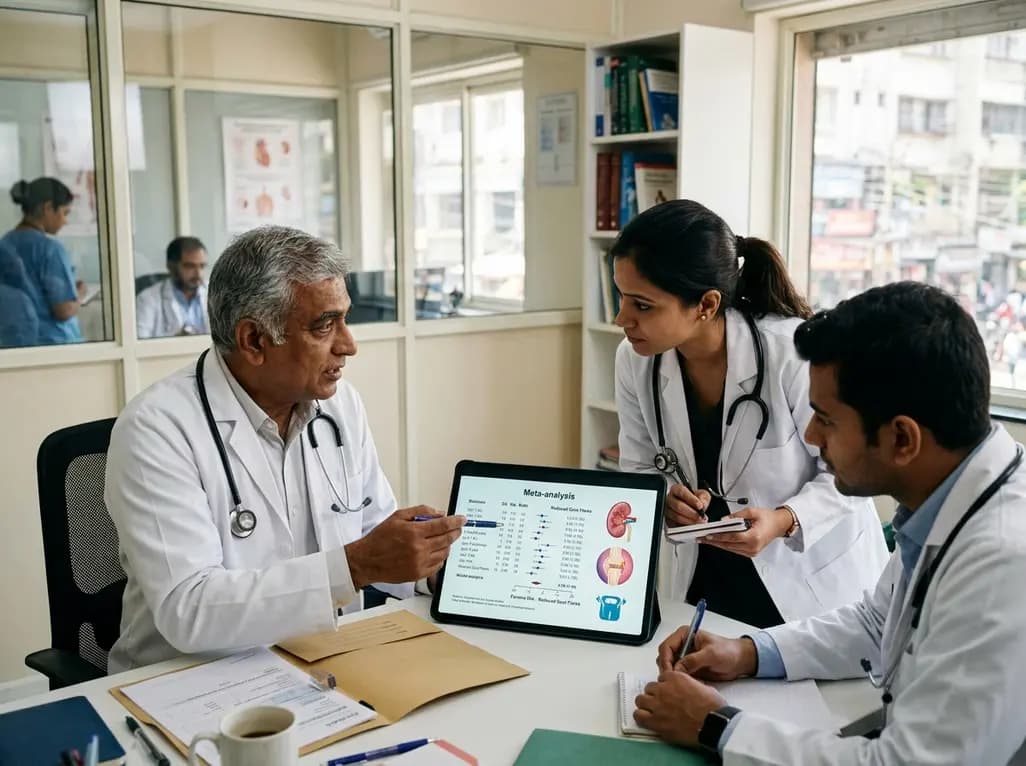
A meta-analysis of 18 RCTs with 77,942 patients reveals that GLP-1 and dual GIP/GLP-1 receptor agonists significantly reduce serum uric acid, cut incident gout flares by 38%, and lower hyperuricemia risk, with dual agonism showing superior urate-lowering efficacy mediated partly by weight loss.
Today
