.webp&w=384&q=75)

Loading, please wait...
Loading, please wait...
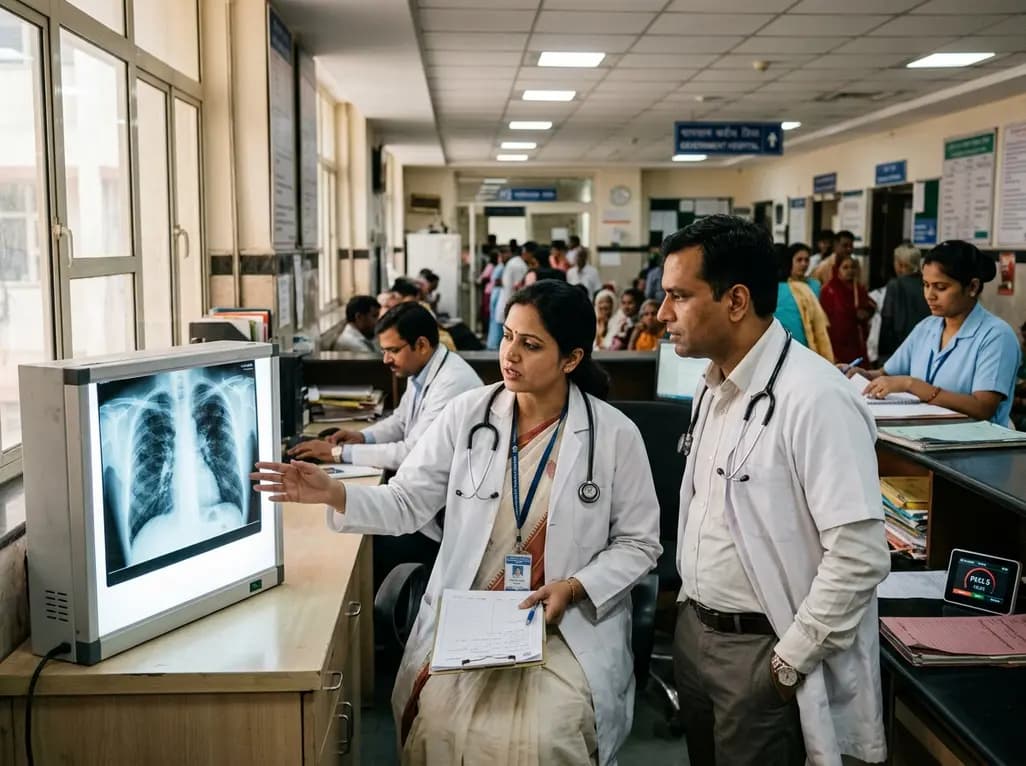
Air pollution poses an escalating threat to public health across the globe. Recent epidemiological investigations highlight how particulate matter smaller than 2.5 microns significantly elevates the PM2.5 cancer risk. Researchers examined long-term environmental exposures across 952 distinct geographical locations between 2000 and 2020. Consequently, this landmark analysis revealed that fine particulates account for 8.82 million of the 109 million documented cancer cases. Furthermore, nearly 99 percent of the global population currently breathes air exceeding safety guidelines.
Epidemiological datasets provide robust evidence regarding the magnitude of airborne oncogenic risks. Specifically, investigators analyzed comprehensive cancer registries spanning low-, middle-, and high-income countries over two decades. The study revealed that fine particulate pollution is the primary driver of environmental cancer incidence worldwide. For instance, each 10 microgram per cubic metre increase in ambient PM2.5 corresponds to a 16 percent increase in overall cancer risk. In addition, exposure to nitrous oxide and tropospheric ozone increases cancer risk by 11.7 percent and 4.23 percent, respectively. Nitrous oxide accounted for 6.67 million incident malignancies, while ozone exposure led to approximately 2.6 million cases. Moreover, fine particulates generated the highest preventable fraction of malignancies across multiple anatomical systems. Addressing particulate emissions could prevent roughly 17.9 percent of all tracheal, bronchial, and lung cancers globally. Therefore, environmental remediation presents an exceptional opportunity for primary cancer prevention. These findings strongly validate the classification by the International Agency for Research on Cancer of particulate matter as a Group 1 human carcinogen. Consequently, public health bodies must treat air purification as an urgent oncological intervention.
The physiological properties of fine particulate matter explain its potent carcinogenic potential within human tissues. Because these particles measure less than 2.5 micrometers, they easily penetrate deep into terminal bronchioles and alveoli. Subsequently, these microscopic pollutants translocate across the alveolar-capillary barrier into systemic circulation. This widespread dispersion triggers chronic, low-grade systemic inflammation in distant organs. In addition, particulate matter contains toxic heavy metals and polycyclic aromatic hydrocarbons that promote intracellular oxidative stress. Reactive oxygen species overwhelm cellular antioxidant defenses and induce direct double-strand DNA breaks. Furthermore, PM2.5 exposure disrupts critical DNA repair pathways and alters regular cellular epigenetic programming. As a result, somatic mutations accumulate rapidly in oncogenes and tumor suppressor genes. Cellular studies also demonstrate that particulate exposure causes severe immune dysregulation. Specifically, sustained pollutant exposure impairs natural killer cell function and exhausts cytotoxic T lymphocytes. Consequently, the immune microenvironment fails to eliminate nascent neoplastic cells effectively. Ultimately, these intertwined biological pathways drive accelerated malignant transformation across susceptible tissues.
Historically, clinicians associated particulate air pollution predominantly with primary pulmonary neoplasms. However, modern multi-center registries demonstrate that the carcinogenic effects extend well beyond the respiratory tract. For example, recent data reveal substantial increases in gastrointestinal, endocrine, and urological malignancies following chronic exposure. Specifically, researchers observed an elevated incidence of esophageal, colorectal, and thyroid carcinomas in highly polluted regions. Moreover, each 10 microgram per cubic metre increase in fine particulate matter increases kidney cancer risk by 17.9 percent. Similarly, the same exposure increase corresponds to a 21.1 percent higher risk of developing urinary bladder cancer. Because the renal system continuously filters circulating particulates and water-soluble metabolites, toxic particles accumulate directly within tubular epithelial cells. Furthermore, particulate toxins disrupt endocrine balance, thereby increasing the incidence of hormone-sensitive malignancies such as breast cancer. Thus, clinicians must recognize that air pollution represents a multi-organ systemic risk factor rather than a purely pulmonary hazard. Comprehensive diagnostic evaluations should incorporate environmental history for patients presenting with diverse unexplained oncological symptoms.
Vulnerability to environmental carcinogens varies significantly across demographic subgroups and geographic locations. In particular, recent epidemiological evidence indicates that women experience consistently higher susceptibility to several pollution-induced malignancies. Biological differences in particle deposition patterns and hormonal interactions may amplify cellular toxicity in female tissues. Additionally, baseline estrogen signaling pathways can interact synergistically with xenobiotic chemicals adsorbed onto particulate surfaces. Socioeconomic disparities also play a crucial role in determining long-term clinical outcomes. For instance, populations residing in low- and middle-income nations endure disproportionately severe exposures to both ambient and household combustion products. Rapid urbanization and loose industrial emissions standards severely compound baseline environmental hazards in these developing regions. Consequently, individuals in these regions suffer higher mortality rates and poorer survival following a cancer diagnosis. Therefore, targeted screening initiatives must prioritize vulnerable demographics living in heavily industrial zones. Addressing these environmental inequities requires coordinated policy interventions alongside personalized clinical risk assessments.
The staggering global cancer burden attributable to ambient pollutants demands immediate clinical and regulatory action. Healthcare professionals should actively incorporate environmental exposure history into routine preventive health evaluations. For example, physicians should educate high-risk patients about daily air quality indices and protective indoor filtration systems. Furthermore, medical practitioners must advocate for vulnerable populations during periods of severe ambient smog. High-efficiency particulate air filters and certified N95 respirators provide measurable personal protection during extreme pollution episodes. However, individual lifestyle modifications cannot replace comprehensive structural reforms. Public health authorities must enforce stringent vehicular emission limits and accelerate transitions to renewable energy sources. In addition, municipal planners should expand urban green spaces to mitigate localized particulate concentrations effectively. Halving ambient pollution levels worldwide would avert millions of premature cancer diagnoses over the coming decades. Ultimately, integrating clean air policies into national cancer control frameworks provides the most sustainable path toward reducing global malignancy rates.
Q1: What makes PM2.5 more carcinogenic than larger airborne particles?
Fine particulate matter measures under 2.5 micrometers in aerodynamic diameter, allowing it to bypass upper airway filtration defenses effortlessly. Consequently, PM2.5 penetrates deeply into terminal pulmonary alveoli and translocates into systemic circulation. These microscopic particles carry toxic hydrocarbons and heavy metals that induce persistent cellular oxidative stress, chronic systemic inflammation, and double-strand DNA damage across diverse internal organ systems.
Q2: Which extrapulmonary cancers exhibit the strongest link to PM2.5 exposure?
Beyond primary pulmonary malignancies, long-term fine particulate exposure significantly increases the risk of bladder and kidney cancers by 21.1 percent and 17.9 percent per 10 microgram per cubic metre increment, respectively. Furthermore, large-scale epidemiological datasets demonstrate substantial rises in colorectal, esophageal, breast, and thyroid carcinomas due to circulating particulate toxins, chronic tissue inflammation, and endocrine pathway disruption.
Q3: How can individuals reduce their personal cancer risk from ambient air pollution?
Individuals can mitigate environmental exposure by monitoring daily air quality indices and avoiding strenuous outdoor exercise during severe pollution spikes. Additionally, deploying high-efficiency particulate air filters indoors and utilizing certified N95 respirators outdoors significantly decreases particulate inhalation. Maintaining optimal metabolic health and consuming nutrient-dense foods also strengthens endogenous cellular antioxidant defenses against pollutant-induced genetic damage.
Disclaimer: This content is for informational and educational purposes only. It does not constitute medical advice or replace professional judgment. Refer to the latest local and national guidelines for clinical practice.
References

Read summarized clinical updates, watch expert medical content, and earn CME certifications right from your smartphone.
Open your smartphone camera to scan and install.





A landmark global analysis reveals that fine particulate matter (PM2.5) represents the leading environmental driver of cancer incidence worldwide. Emerging evidence indicates that chronic exposure elevates systemic oncogenesis across respiratory, reproductive, endocrine, and urinary organ systems.
last month

A recent clinical case series highlights the synthetic polylactic acid matrix as an innovative local therapy for refractory pyoderma gangrenosum. The bioresorbable scaffold demonstrated complete ulcer closure and favorable scar quality across chronic wounds, presenting a viable regenerative modality.
Today

A nationwide South Korean study shows underreporting of smoking among women dropped from 57.4% to 36.4% between 2008 and 2021. However, over one-third of female smokers still conceal their habit, highlighting the critical role of cotinine verification in clinical risk assessment.
Today
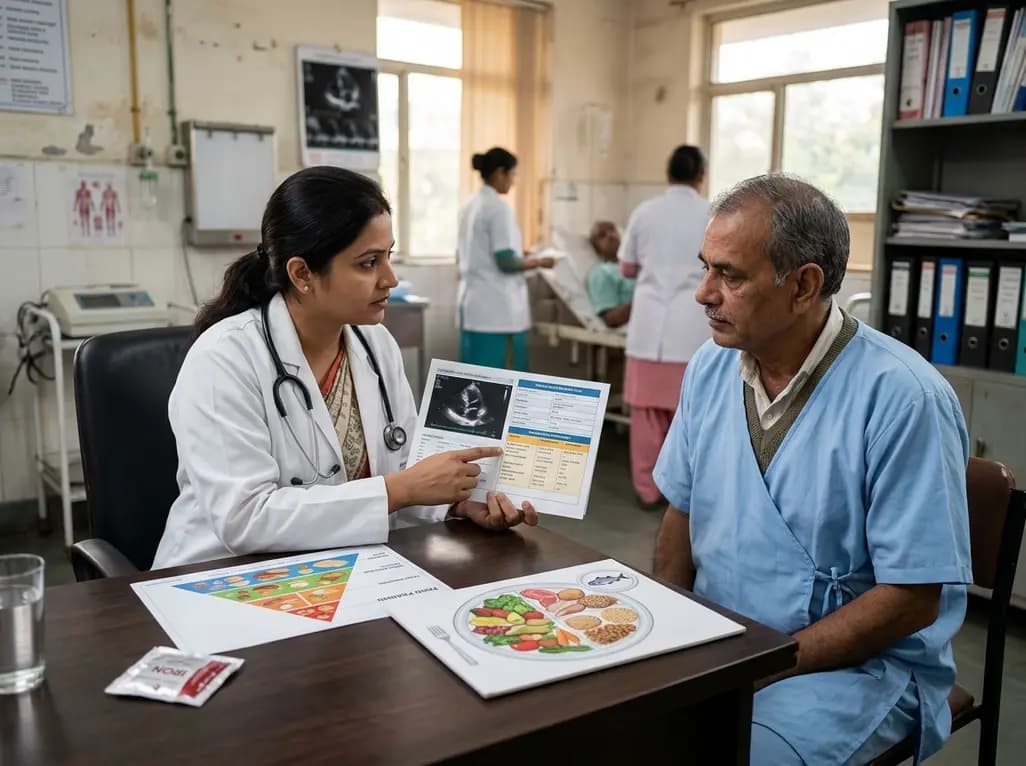
A scientific statement highlights the crucial role of nutrition in managing chronic heart failure. It emphasizes GLIM-based screening, individualized dietary patterns like the Mediterranean diet, appropriate protein and energy intake, avoiding unnecessary fluid restriction, and targeted iron supplementation.
Today
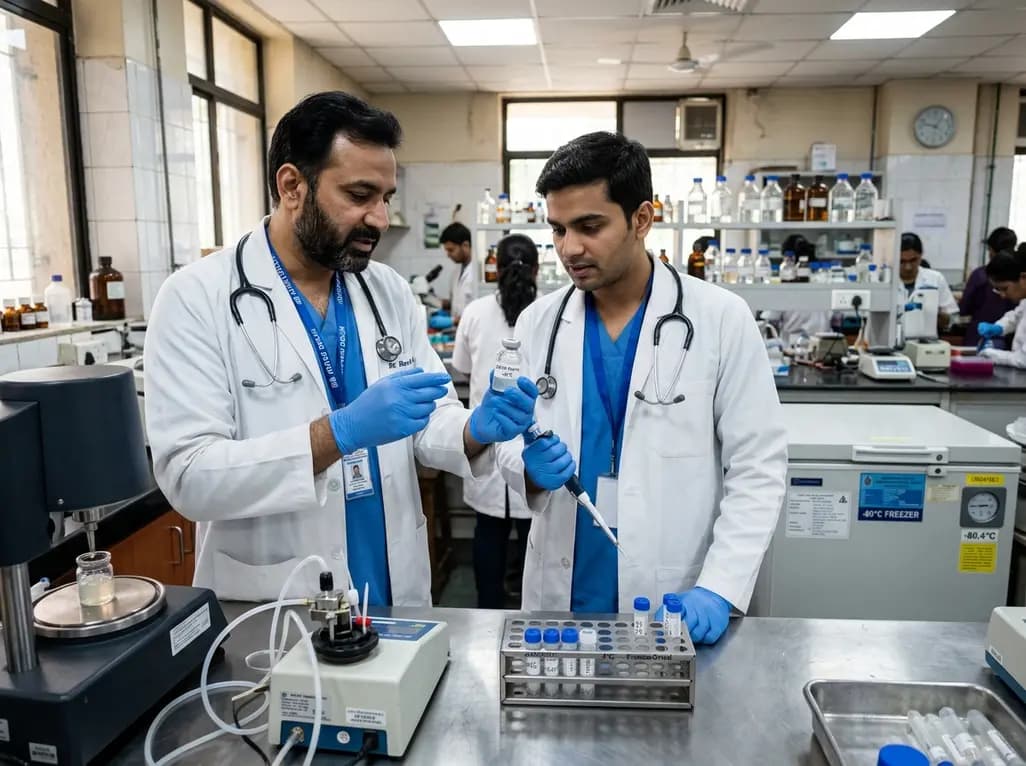
A new study evaluates the rheological stability of decellularized peripheral nerve matrix hydrogels under varied storage conditions. Findings show -80°C storage and freeze-drying preserve gelation kinetics and mechanical stiffness, offering key insights for shipping and translational clinical applications.
Today

A qualitative meta-synthesis highlights the complex interplay between gender dysphoria, minority stress, and eating disorders in transgender and gender-diverse individuals. Clinicians must recognize these distinct drivers to offer supportive, gender-affirming, and interdisciplinary eating disorder care.
Today
