.webp&w=384&q=75)

Loading, please wait...
Loading, please wait...
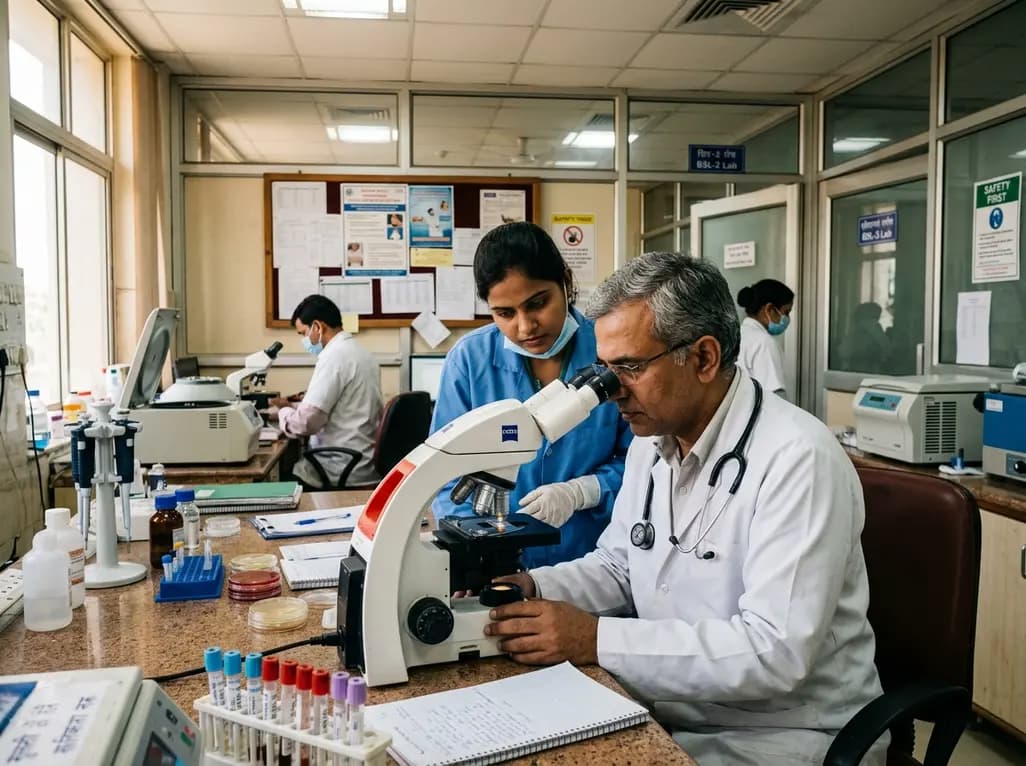
The recent death of a Siberian laboratory worker sparked scrutiny regarding pathogen biosafety. Consequently, public health agencies evaluated whether this incident presents broader plague epidemic risks to surrounding communities. Russian regulator Rospotrebnadzor confirmed that tests revealed no dangerous pathogens among contacts. Furthermore, officials notified the World Health Organization. Therefore, transparent surveillance remains essential.
In early October, a laboratory worker in the Siberian region of Irkutsk succumbed to severe respiratory failure. The technician worked at the Irkutsk Anti-Plague Research Institute of Siberia and the Far East. Clinical records indicated that the patient died from severe pneumonia of unknown etiology. However, regional authorities immediately initiated rigorous inquiries regarding potential pathogen exposure within the research facility. In response, regional health officials activated comprehensive anti-epidemic protocols across the local healthcare infrastructure. Specialized teams placed dozens of medical staff and close community contacts under strict quarantine. Epidemiologists quickly conducted thousands of diagnostic laboratory tests to identify possible transmission chains. Subsequently, Russian consumer safety regulator Rospotrebnadzor announced that biological screenings detected no dangerous pathogens linked to occupational duties. Additionally, the regulator asserted that no mechanical accidents occurred before the employee fell ill. Although public anxiety rose across social media, local hospitals reported zero secondary symptomatic cases. Thus, official findings indicated that established containment protocols prevented community spread. Moreover, federal health leaders traveled directly to Irkutsk to oversee emergency response committees.
The bacterium Yersinia pestis represents one of the most lethal zoonotic pathogens known to modern science. Wild rodents and their associated fleas maintain this Gram-negative coccobacillus within endemic global natural foci. Clinically, human infection manifests primarily as bubonic, septicemic, or pneumonic disease. The bubonic form develops after flea bites, causing excruciatingly swollen regional lymph nodes called buboes. However, pneumonic plague represents the most aggressive and rapidly fatal manifestation of the organism. Inhaling infectious respiratory droplets inoculates pulmonary alveolar spaces directly, inciting severe necrotizing bronchopneumonia. Patients rapidly develop high fever, chills, profound prostration, chest pain, tachypnea, and hemoptysis. Because pneumonic plague progresses swiftly, untreated patients often experience fatal respiratory failure within two to three days. Furthermore, pulmonary infection generates severe public health dangers through direct human-to-human droplet transmission. Unlike vector-borne transmission, aerosol spread can provoke explosive respiratory outbreaks among family members and healthcare workers. Consequently, clinicians must isolate any symptomatic individual with suspected exposure immediately. Early administration of targeted antimicrobial therapy remains the decisive factor for patient survival. Therefore, diagnostic vigilance and prompt clinical intervention represent vital safeguards in infectious disease management.
Evaluating potential plague epidemic risks requires an exhaustive combination of molecular testing, active surveillance, and inter-agency coordination. Following the Siberian fatality, Rospotrebnadzor dispatched specialized epidemiological investigation units to assess potential community exposure. The agency monitored over ninety percent of all documented institutional and hospital contacts. Crucially, repeated polymerase chain reaction assays and microbiological cultures yielded negative results for dangerous pathogens. In accordance with the International Health Regulations, Russian authorities formally notified the World Health Organization regarding the case. Global health officials noted that available epidemiological data indicates low risk to the wider community. Nevertheless, international agencies emphasized that transparent information sharing remains essential during suspected high-consequence pathogen events. When an infectious disease researcher dies from unexplained pulmonary infection, public confidence requires rigorous scientific validation. For public health directors, verifying negative results across thousands of biological specimens provides essential reassurance against outbreak proliferation. Furthermore, active symptom monitoring across regional clinics ensures rapid interception of any unusual respiratory illness. Meanwhile, continuous surveillance protocols remain active until all formal quarantine observation periods expire safely. Ultimately, thorough epidemiological investigations successfully contain panic while demonstrating standard public health mitigation methodologies.
Facilities that handle dangerous zoonotic pathogens must maintain strict Biosafety Level 3 or 4 containment standards. These specialized laboratories rely on continuous directional airflow and negative air pressure to keep infectious particles contained. Furthermore, researchers must handle active biological agents inside certified class two or class three biosafety cabinets. Personnel must wear comprehensive personal protective equipment, including positive-pressure air respirators, impermeable suits, and double gloves. In addition to physical barriers, facilities enforce two-person operational rules and real-time electronic monitoring. If an accidental spill or equipment breakage occurs, staff must initiate immediate emergency chemical decontamination and evacuation. Moreover, occupational health units must record the incident immediately and provide rapid post-exposure antimicrobial prophylaxis. Regular biosafety training, medical clearance screenings, and emergency drill simulations maintain staff readiness during potential containment breaches. Although advanced engineering systems reduce hazards significantly, accidental exposures remain a constant operational challenge in microbiological research. Additionally, continuous air sampling validates laboratory containment integrity during active shifts. Therefore, maintaining strict compliance with biosafety containment manuals represents the primary defense against biological hazards.
Clinicians must maintain high diagnostic suspicion when evaluating severe pneumonia in patients with laboratory or travel exposures. Because Yersinia pestis multiplies rapidly, physicians must never delay antimicrobial therapy while waiting for final laboratory confirmation. Historically, aminoglycosides like streptomycin and gentamicin have served as frontline therapies for suspected plague infections. Additionally, international treatment guidelines endorse fluoroquinolones like ciprofloxacin and levofloxacin, as well as tetracyclines like doxycycline. Clinicians should administer intravenous antimicrobials within twenty-four hours of symptom onset to maximize patient survival chances. Meanwhile, healthcare facilities must isolate suspected patients in airborne infection isolation rooms immediately. Attending staff must wear fitted N95 respirators, eye protection, and gloves before entering patient rooms. Furthermore, public health units must trace all close contacts exposed during the previous seven days. These individuals require seven days of oral post-exposure prophylaxis with doxycycline or ciprofloxacin along with active fever monitoring. Moreover, routine reporting to national surveillance networks strengthens overall health security responses. Finally, hospitals must coordinate with state reference laboratories to expedite molecular confirmation via real-time polymerase chain reaction.
Q1: How do public health agencies determine if plague poses a community transmission threat?
Epidemiologists evaluate transmission risks through contact tracing, laboratory testing, and environmental pathogen surveillance. First, public health teams identify direct contacts and place them under active quarantine. Next, certified laboratories perform polymerase chain reaction assays and cultures on biological specimens. If diagnostic tests return negative for Yersinia pestis and no secondary cases emerge, authorities conclude that community transmission risks remain negligible.
Q2: What clinical features distinguish pneumonic plague from typical bacterial pneumonia?
Pneumonic plague progresses far more rapidly than typical community-acquired bacterial pneumonia. While standard pneumonia develops over several days, pneumonic plague triggers fulminant respiratory failure within twenty-four hours of symptom onset. Patients present with sudden high fever, chills, tachypnea, chest pain, and prominent hemoptysis. Furthermore, untreated pneumonic plague carries a mortality rate near one hundred percent, necessitating urgent empirical antimicrobial administration and strict droplet isolation.
Q3: What immediate actions are required following potential laboratory exposure to Yersinia pestis?
Following suspected laboratory exposure, personnel must immediately cease operations, wash exposed skin, and evacuate the affected room. Staff must report the incident instantly to facility biosafety officers to initiate environmental decontamination. Furthermore, medical providers must evaluate exposed workers within hours to start post-exposure antimicrobial prophylaxis, typically oral doxycycline or ciprofloxacin for seven days. Exposed staff require strict active fever monitoring and immediate clinical isolation.
Disclaimer: This content is for informational and educational purposes only. It does not constitute medical advice or replace professional judgment. Refer to the latest local and national guidelines for clinical practice.
References

Read summarized clinical updates, watch expert medical content, and earn CME certifications right from your smartphone.
Open your smartphone camera to scan and install.





Following the tragic demise of a laboratory technician at the Irkutsk Anti-Plague Research Institute, Russian health authorities have ruled out community transmission. This detailed clinical review explores biosafety containment standards, rapid diagnostic methods, and essential global surveillance frameworks.
Today

A large UK cohort study of 1.4 million women shows that pregnancy complications, including gestational diabetes, hypertension, and preterm birth, substantially raise long-term risks for hypertension, chronic kidney disease, type 2 diabetes, and cardiovascular events, highlighting early postpartum intervention needs.
Today

A cross-sectional study reveals that hypertension knowledge, illness perceptions, depression, and substance use significantly predict self-care behaviors. Addressing mental health and cognitive beliefs in primary care is crucial for optimal blood pressure control and cardiovascular disease prevention.
Today

This clinical overview examines recent advancements in lumbar disc herniation surgery, comparing microscopic and full-endoscopic discectomy while highlighting biportal techniques and emerging motion-preserving innovations for spine specialists.
Today

Small interfering RNA (siRNA) therapeutics harness RNA interference to degrade disease-causing messenger RNA. By delivering hepatocyte-targeted, durable gene silencing, agents targeting PCSK9, LPA, and angiotensinogen offer potent cardiovascular risk reduction with infrequent, biannual dosing schedules.
Today
