.webp&w=384&q=75)

Loading, please wait...
Loading, please wait...

Bacteriophages, or phages, offer a promising alternative to traditional antibiotics for managing multidrug-resistant pathogens. Recent research into phage therapy gut microbiota interactions suggests that these viral agents can selectively target bacteria like Salmonella. However, their impact on the broader microbial ecosystem remains a subject of intense study. In a new trial involving chickens, investigators explored how recurrent administration affects intestinal health and pathogen control.
Researchers conducted a study on eighty chicks to determine the efficacy of a six-phage cocktail against Salmonella Enteritidis. Interestingly, the results showed that continuous high-dose treatment actually resulted in higher colonization levels compared to short-term pre-infection exposure. This finding suggests that dosing schedules play a critical role in treatment success. Furthermore, the phage administration significantly altered alpha and beta diversities, particularly before the onset of the infection. These changes gradually diminished as the birds aged, indicating a time-dependent response to the treatment.
The analysis revealed that phage treatment induced modifications in both the composition and functional profile of the gut. Specifically, the phages promoted an oxygen-utilizing microbial community during the early stages. This shift may have inadvertently counteracted the protective effects of the treatment. By creating a niche that potentially favors certain metabolic pathways, the phages might have altered the competitive landscape of the gut. Consequently, these results emphasize the importance of considering dynamic microbial interactions when designing phage-based strategies.
Moreover, the study highlights that while phages are highly specific, they are not entirely neutral in their effect on the microbiome. The transient reshaping of the gut community suggests that phage therapy acts as a biological intervention with its own set of ecological consequences. Future strategies may need to combine phages with other modulators, such as probiotics, to maintain a stable and protective microbial environment. Ultimately, understanding these complex interactions is essential for advancing the clinical application of phage therapy in both veterinary and human medicine.
Surprisingly, the study found that continuous, high-dose phage treatment led to higher Salmonella colonization levels in chickens compared to those receiving only short-term exposure before infection.
Phage therapy significantly influenced both alpha and beta diversities of the gut microbiota. The most substantial changes occurred before the Salmonella challenge and tended to decrease over time.
The phage cocktail transiently altered the predicted functions of the microbiota, favoring an oxygen-utilizing community. Researchers believe this shift might have reduced the overall protective effect of the phages against the target pathogen.
Disclaimer: This content is for informational and educational purposes only. It does not constitute professional medical advice, diagnosis, or treatment. Always seek the advice of your physician or other qualified health provider with any questions you may have regarding a medical condition. Refer to the latest local and national guidelines for clinical practice.
References
Agapé L et al. Recurrent phage treatment of Salmonella-infected chickens transiently reshapes gut microbiota composition and function. Vet Res. 2026 Mar 14. doi: 10.1186/s13567-025-01708-4. PMID: 41832592.
Wang J et al. Combination of bacteriophage-probiotics alleviates intestinal barrier dysfunction by regulating gut microbiome in a chick model of multidrug-resistant Salmonella infection. J Anim Sci Biotechnol. 2026 Jan 23;17(1):14. doi: 10.1186/s40104-025-01324-4.
Hsu BB et al. Bacteriophages Synergize with the Gut Microbial Community To Combat Salmonella. mSystems. 2025; doi: 10.1128/mSystems.
"
Read summarized clinical updates, watch expert medical content, and earn CME certifications right from your smartphone.
Open your smartphone camera to scan and install.





A study on chickens found that recurrent phage treatment transiently reshapes gut microbiota and, surprisingly, may lead to higher Salmonella colonization....
5 months ago
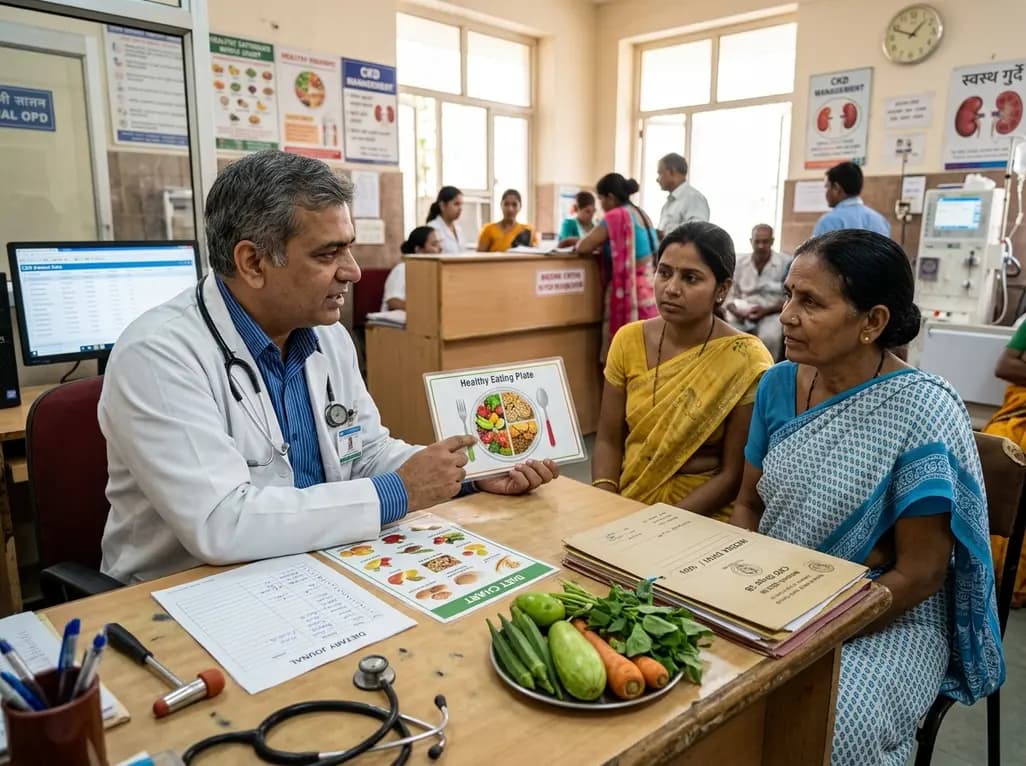
A large NHANES cohort study reveals that higher Healthy Eating Index scores significantly reduce all-cause mortality risk in CKD patients by 45%. This analysis highlights the importance of comprehensive diet quality and medical nutrition therapy in renal care to optimize long-term clinical survival.
Today

A prospective cohort study demonstrates that poor adolescent sleep quality, especially long sleep latency and reduced efficiency, increases dysmenorrhea severity in young adulthood. Addressing adolescent rest patterns offers a critical preventive avenue for clinicians.
Today

A meta-analysis of 13 propensity score-matched studies shows ViV-TAVR delivers lower early mortality and reduced bleeding compared to redo-SAVR for degenerated bioprosthetic aortic valves, though long-term hemodynamics warrant careful anatomical and patient-centered evaluation.
Today
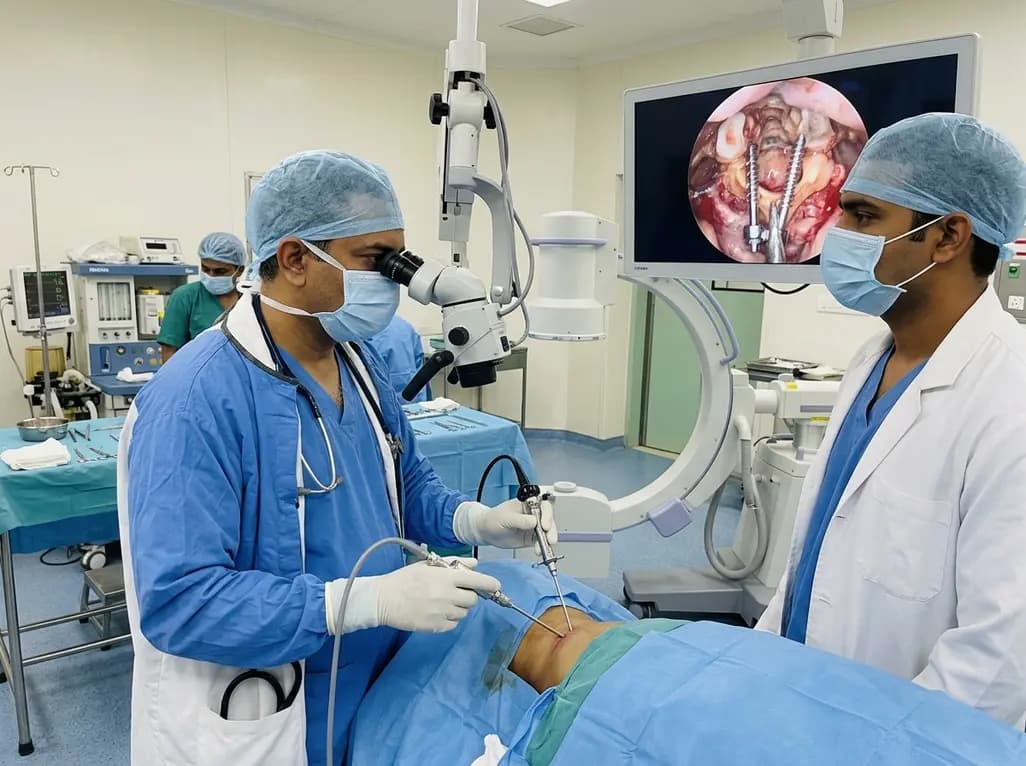
Endoscopic posterior cervical fusion combines minimally invasive decompression, joint preparation, and rigid screw-rod fixation for atlantoaxial pathologies. Early clinical findings demonstrate solid bony union, excellent symptom relief, and minimal soft-tissue morbidity without significant vascular compromise.
Today
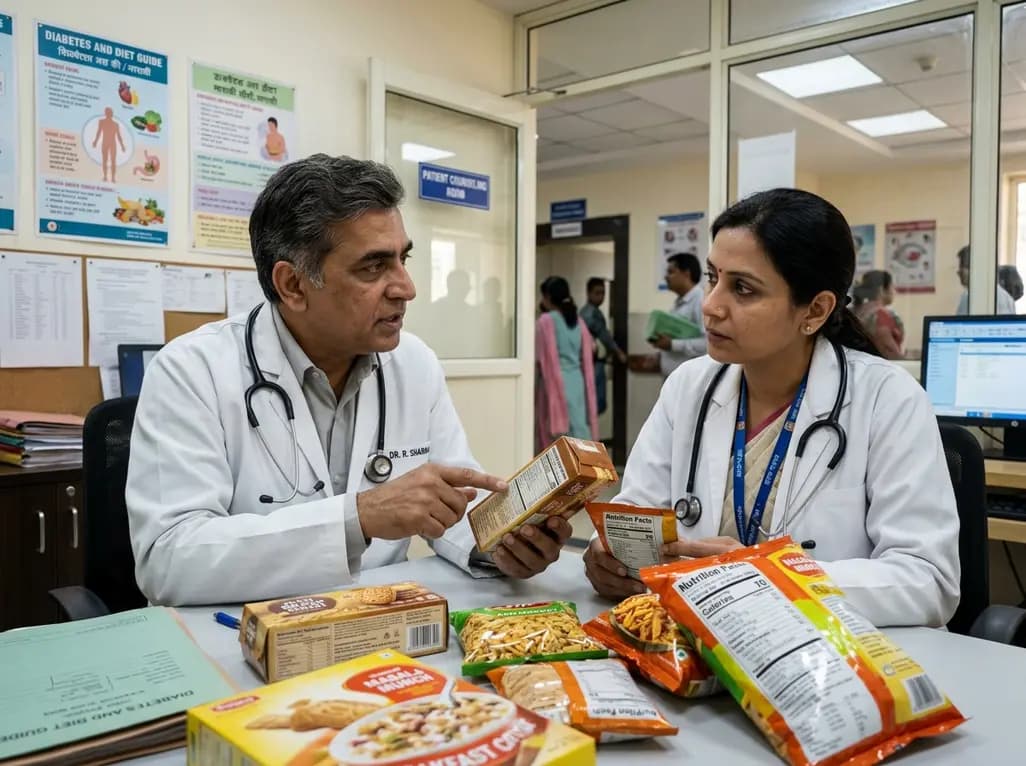
The All-India Food Processors' Association has approached the Supreme Court to oppose FSSAI's proposed per-100g benchmark for front-of-pack warning labels, advocating instead for a per-serving threshold. We explore the regulatory showdown, nutritional evidence, and implications for clinical lifestyle counseling.
Today
