

Loading, please wait...
Loading, please wait...

Nutritional status plays a pivotal role in determining surgical recovery and long-term musculoskeletal health. In elective spinal procedures, poor baseline nourishment frequently compromises tissue regeneration and elevates infection rates. A recent meta-analysis confirms that perioperative nutritional supplementation significantly reduces surgical complications and improves wound stability. Consequently, integrating systematic nutritional assessment into standard perioperative pathways allows surgeons to mitigate avoidable morbidity and enhance overall clinical outcomes.
Spinal surgery involves extensive tissue dissection, prolonged operative times, and considerable blood loss. Therefore, the physiological stress response triggers profound metabolic alterations and rapid catabolism. Clinicians historically define malnutrition as a serum albumin below 3.5 g/dL or a total lymphocyte count below 1500 cells/mm³. In India, malnutrition and subclinical micronutrient deficits affect a significant proportion of surgical candidates across varied socioeconomic strata. Furthermore, chronic back pain and degenerative spinal conditions frequently limit physical mobility, which accelerates skeletal muscle loss and sarcopenia. When malnourished individuals undergo major spinal decompression or instrumented fusion, their impaired metabolic reserves fail to satisfy the heightened cellular demands of tissue repair. As a result, these vulnerable patients face delayed healing, persistent wound drainage, and extended lengths of hospital stay. Moreover, unrecognized malnutrition substantially drives up medical expenditures and hospital readmission rates. Identifying baseline deficiencies early in the preoperative workup enables surgical teams to introduce corrective measures before elective interventions. Routine laboratory evaluations and dietary questionnaires help clinicians identify individuals requiring focused intervention.
A comprehensive systematic review and meta-analysis evaluated the therapeutic impact of targeted nutritional intervention in spine surgery cohorts. The rigorous analysis synthesized data from five clinical studies comprising 554 adult surgical patients. Among these participants, 221 patients received dedicated perioperative nutritional regimens, whereas 333 control individuals received routine institutional care. The pooled analysis revealed a significant 68 percent reduction in total postoperative complications among supplemented patients compared to controls. Specifically, the odds ratio for overall complications reached 0.32, demonstrating a clear clinical benefit. Furthermore, wound-related complications showed a remarkable decline of 66 percent in the intervention arm. The odds ratio for wound complications stood at 0.34 with high statistical significance. Additionally, investigators observed favorable trends toward reduced rates of surgical site infections and fewer deep vein thrombosis events. Supplemented patients also demonstrated stable intraoperative blood loss parameters and manageable operative durations. Consequently, these findings validate the biological rationale of fortifying metabolic substrates during critical surgical phases. Targeted nutritional therapy effectively shields vulnerable tissues from excessive surgical catabolism.
Surgical trauma initiates a complex cascade of inflammatory and reparative events at the incision site. Fibroblasts require substantial quantities of essential amino acids and micronutrients to synthesize collagen and reconstruct extracellular matrices. However, acute surgical stress depletes circulating amino acids and provokes systemic protein breakdown. When surgeons provide perioperative nutritional supplementation, exogenous proteins restore systemic nitrogen balance and preserve lean tissue mass. In addition, specialized immunonutrients such as arginine, glutamine, and omega-3 polyunsaturated fatty acids modulate host inflammatory pathways. Arginine serves as an essential precursor for nitric oxide synthesis, which enhances local microvascular perfusion and cellular oxygenation. Meanwhile, antioxidant vitamins and trace minerals combat oxidative stress and bolster leukocyte bactericidal activity. As a result, supplemented patients maintain robust innate immune defenses that suppress bacterial colonization within surgical incisions. Therefore, nutritional therapy directly addresses the underlying cellular dysfunctions that predispose surgical wounds to dehiscence and infection. These combined physiological benefits ensure timely primary wound closure and minimize secondary reconstructive interventions.
Modern spine centers increasingly adopt Enhanced Recovery After Surgery pathways to optimize perioperative efficiency. Nutrition forms a foundational pillar within these multimodal care protocols. Historically, perioperative teams relied on prolonged fasting, which aggravated catabolic stress and delayed bowel motility. In contrast, current evidence supports early oral intake and structured oral nutritional supplements. Clinicians should initiate nutritional optimization during the prehabilitation window, ideally five to fourteen days prior to surgery. Patients consume protein-dense supplements or specialized immunonutrition drinks to fortify physiological reserves. Furthermore, administering complex carbohydrate drinks two hours before anesthesia reduces insulin resistance and maintains postoperative glycogen stores. Following surgery, clinical teams should resume oral supplementation immediately once bowel sounds return. Continued supplementation for several weeks after hospital discharge supports prolonged fascial healing and spinal fusion consolidation. Thus, institutionalizing standardized nutritional bundles bridges the gap between surgical execution and biological tissue healing. Multidisciplinary coordination between spine surgeons, anesthetists, and clinical dietitians ensures consistent compliance across all surgical phases.
Implementing perioperative nutritional supplementation in Indian healthcare settings requires a pragmatic and tailored clinical approach. Many Indian surgical patients adhere to vegetarian diets that may lack adequate dietary protein density. Additionally, high rates of vegetarianism and urban lifestyle factors contribute to widespread vitamin D and iron deficiencies. Therefore, Indian spine surgeons must maintain high vigilance and routinely screen elective candidates using accessible serum biomarkers. Clinicians should evaluate serum albumin, prealbumin, hemoglobin, and absolute lymphocyte counts during outpatient preoperative consultations. When scores indicate nutritional risk, surgeons should prescribe commercially available high-protein oral formulas or whey-based supplements. Moreover, dietary counseling should emphasize affordable local protein sources, including pulses, paneer, and sprouted legumes. Clinicians must educate patients and caregivers on the direct connection between protein consumption and wound healing. Proactive nutritional prehabilitation empowers patients to actively participate in their recovery process. Ultimately, low-cost nutritional interventions provide Indian spine surgeons with an accessible, high-yield strategy to lower complication rates and enhance patient satisfaction.
Clinicians typically identify malnutrition through laboratory markers, including serum albumin under 3.5 grams per deciliter and total lymphocyte count below 1500 cells per cubic millimeter. In addition, validated screening tools such as the Nutritional Risk Screening 2002 help detect acute weight loss, compromised dietary intake, and sarcopenia before elective procedures.
Yes, patients with normal baseline laboratory values can still benefit from perioperative nutritional regimens. Major spinal instrumentation triggers intense surgical trauma and hypermetabolism, which rapidly depletes endogenous protein reserves. Proactive oral supplementation provides essential nitrogen, modulates acute inflammatory pathways, and helps preserve dermal microvascular integrity throughout the healing phase.
Current surgical protocols favor an integrated protocol spanning both preoperative and postoperative phases. Specifically, initiating high-protein oral nutrition or specialized immunonutrition five to seven days before elective surgery builds metabolic reserves. Continuing supplementation for two to four weeks postoperatively supports cellular proliferation, collagen synthesis, and prolonged wound stabilization.
Disclaimer: This content is for informational and educational purposes only. It is not intended to be a substitute for professional medical advice, diagnosis, or treatment. Always seek the advice of your physician or other qualified health provider with any questions you may have regarding a medical condition. Refer to the latest local and national guidelines for clinical practice.
References

Read summarized clinical updates, watch expert medical content, and earn CME certifications right from your smartphone.
Open your smartphone camera to scan and install.





A systematic review and meta-analysis demonstrates that perioperative nutritional supplementation reduces overall and wound-related complications by over 65% in spine surgery patients, underscoring the critical need for routine preoperative nutritional screening and targeted oral intake optimization.
Today

A large UK cohort study of over 3.9 million patients found no substantive difference in the risk of peripheral neuropathy between systemic fluoroquinolones and cephalosporins, providing clinical reassurance while affirming known risks such as tendon rupture.
Today
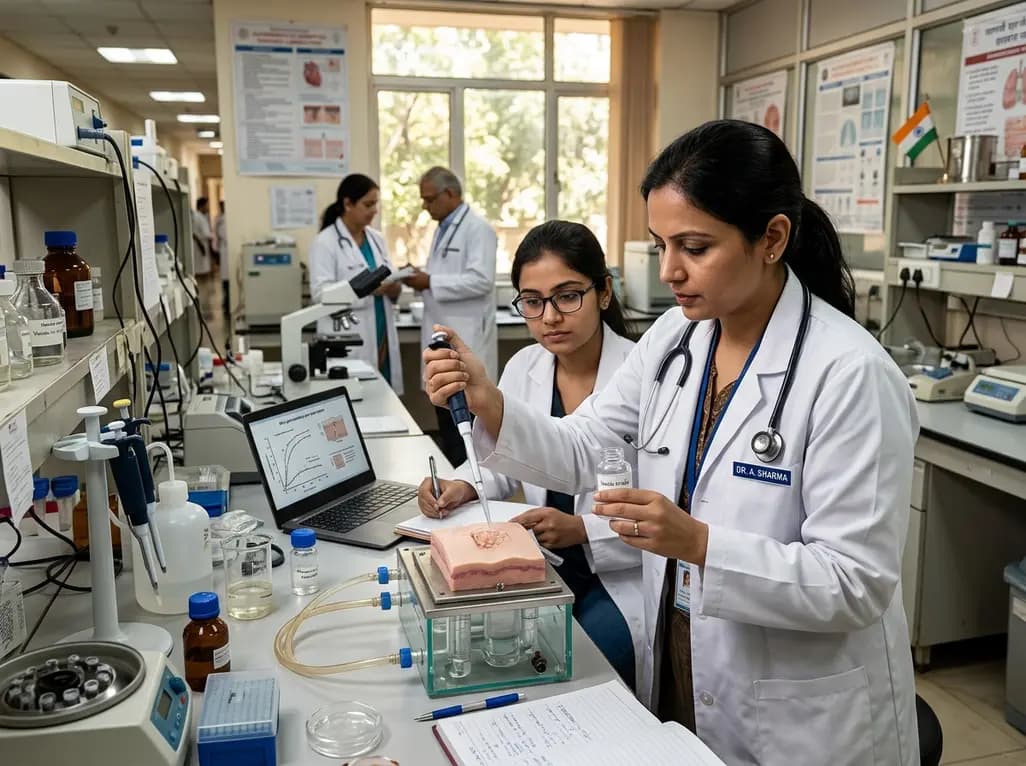
A novel high-permeation vesicle-in-gel platform enhances transdermal fulvestrant delivery, achieving sustained release, robust intradermal retention, and superior antitumor efficacy in breast cancer models while circumventing the drawbacks of painful intramuscular depot injections.
Today
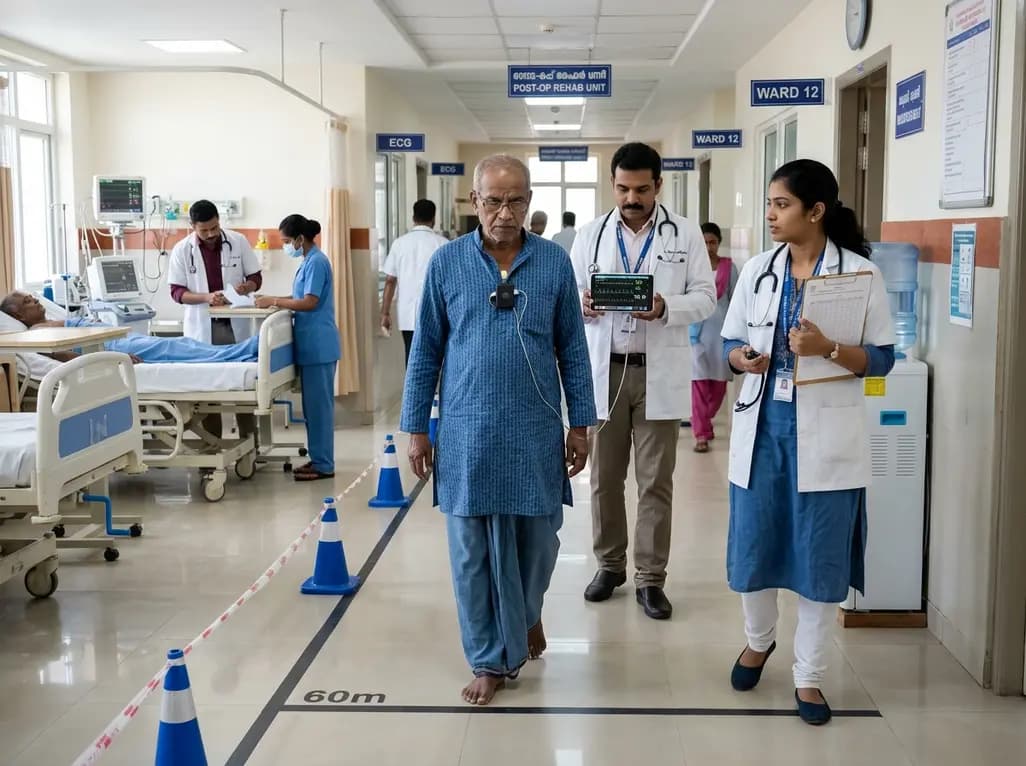
A recent study highlights the utility of measuring cardiac effort after surgery. In older, frail individuals undergoing cardiac surgery, combining continuous ECG with the six-minute walk test provides vital physiologic insights, demonstrating that heart rate responses mirror cycle ergometry.
Today
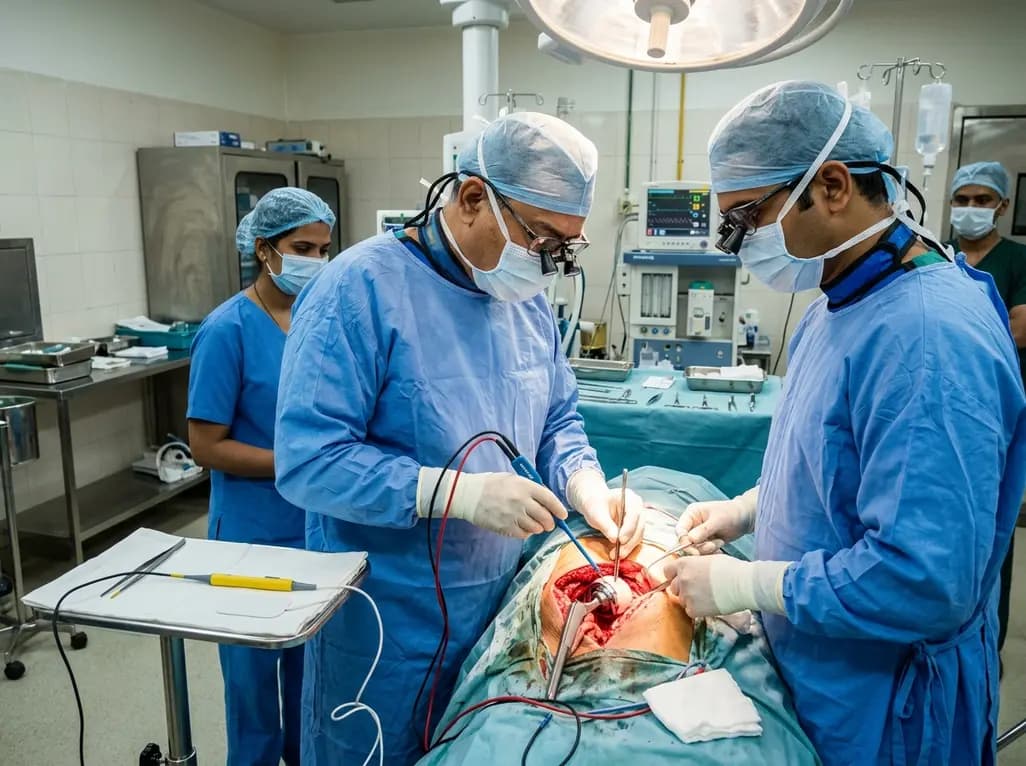
A systematic review and meta-analysis of 8 RCTs evaluated bipolar versus monopolar electrocautery in primary total hip and knee arthroplasty. Pooled data revealed no significant differences in haemoglobin drop, blood loss, or length of stay, concluding that routine bipolar electrocautery is not supported.
Yesterday

A critical review evaluates whether starch-polyphenol complexes meet structural and metabolic criteria to qualify as type 5 resistant starch. The proposed tiered evidence framework distinguishes true inclusion complexes from simple mixtures, clarifying mechanisms for glycemic modulation and gut fermentation.
Today
