

Loading, please wait...
Loading, please wait...

Adult spinal deformity surgeries require extensive reconstruction and prolonged operative durations. Consequently, spine surgeons and anesthesiologists frequently encounter severe physiological challenges during these complex procedures. Among these complications, perioperative acute kidney injury represents a critical determinant of extended hospitalization, postoperative morbidity, and escalated mortality rates. While traditional surgical pathways emphasize aggressive fluid administration to preserve renal perfusion, this tactic presents significant hazards during prone spine interventions. Therefore, clinicians must re-examine standard volume expansion paradigms to balance nephroprotection against devastating ocular complications.
Complex spinal deformity corrections often require multilevel osteotomies and prolonged general anesthesia. Consequently, renal hypoperfusion can develop secondary to occult blood loss, systemic inflammation, and microvascular dysfunction. A retrospective investigation by Guirguis and colleagues evaluated 235 consecutive adult patients undergoing multilevel thoracolumbar fusion. Notably, postoperative renal impairment occurred in 17% of the cohort based on standardized KDIGO criteria.
Furthermore, surgical teams must recognize that renal injury markedly compromises recovery trajectories. Patients experiencing kidney dysfunction face prolonged intensive care stays and increased risks of systemic infections. In addition, acute renal compromise escalates overall healthcare expenditures and surgical morbidity. Historically, surgical teams considered operative duration and estimated blood loss as primary drivers of renal hypoperfusion. However, the data revealed that anesthesia duration and intraoperative blood loss were equivalent between patients who developed kidney injury and those who did not. Similarly, the total number of fused vertebral levels did not differ significantly. Therefore, systemic patient-specific factors appear to exert a much stronger influence on renal vulnerability than mechanical surgical parameters alone.
Patient body habitus emerged as the most decisive determinant of postoperative renal decline. Specifically, patients who developed renal injury exhibited a significantly higher mean body mass index compared to unaffected peers. Researchers identified a critical threshold at 27.34 kg/m², beyond which renal vulnerability increased substantially. Consequently, overweight and obese individuals demonstrate heightened susceptibility to acute tubular stress during major spinal reconstruction.
Several physiological mechanisms explain this heightened risk among patients with elevated body habitus. Adipose accumulation promotes baseline microvascular endothelial activation and chronic subclinical inflammation. In addition, obesity alters renal hemodynamics through baseline glomerular hyperfiltration and increased baseline intra-abdominal pressures. When these patients undergo prone positioning for several hours, elevated intra-abdominal pressures further impede renal venous outflow. This venous congestion directly diminishes effective renal perfusion pressure without causing overt systemic arterial hypotension. Therefore, elevated body mass acts as an independent physiological stressor that amplifies renal susceptibility during long-segment fusion. Surgical teams must actively identify overweight patients during preoperative screening to establish individualized renal protective strategies before entering the operating room.
Conventional perioperative dogma dictates liberal fluid resuscitation to defend renal blood flow and prevent hypoperfusion. However, aggressive volume loading carries grave risks during adult spinal deformity procedures performed in the prone position. Sustained prone positioning already increases orbital venous pressures through dependent venous pooling. If clinicians administer massive crystalloid or colloid infusions, intraocular pressures escalate dramatically. Consequently, patients face an elevated danger of ischemic optic neuropathy, orbital compartment syndrome, and permanent postoperative visual loss.
Importantly, the findings from the study challenge conventional reliance on aggressive fluid loading. Researchers determined that perioperative renal decline occurred independently of the volume of crystalloid, colloid, or total fluids administered intraoperatively. Patients who received higher fluid volumes did not demonstrate superior renal protection compared to those managed with more conservative fluid regimens. Furthermore, multivariate regression models confirmed that fluid volume did not protect against tubular injury. Therefore, unguided fluid boluses fail to provide meaningful renal defense while substantially exacerbating the threat of devastating vision loss. Clinicians should adopt a restrained, balanced fluid strategy rather than reflexive hypervolemic expansion in prone spinal surgery.
Preoperative evaluation frequently identifies comorbid chronic kidney disease in older adults presenting with degenerative spinal curvature. In this surgical cohort, the average patient age was approximately 70 years, reflecting an inherently vulnerable geriatric demographic. Interestingly, baseline chronic kidney disease was documented in 7.23% of the study participants. However, statistical analysis revealed that preexisting chronic renal disease did not correlate with an increased incidence of acute postoperative injury.
Moreover, female patients comprised nearly two-thirds of the study population, matching typical demographic trends observed in adult scoliosis. Despite variations in baseline creatinine clearance calculated via Cockroft-Gault equations, preoperative baseline values alone did not reliably predict acute decline. Instead, dynamic intraoperative stressors interacting with patient body mass determined actual clinical outcomes. In addition, standard age-related decreases in nephron mass did not independently precipitate renal failure in this cohort. These findings indicate that clinicians cannot rely solely on baseline serum creatinine to stratify surgical risk. Consequently, comprehensive risk stratification must incorporate anthropometric measurements alongside standard biochemical assays. Preoperative optimization requires meticulous medication reconciliation, including the discontinuation of nephrotoxic agents such as nonsteroidal anti-inflammatory drugs and renin-angiotensin inhibitors prior to elective surgery.
Mitigating postoperative renal complications while avoiding ocular injury requires sophisticated, individualized hemodynamic strategies. Rather than administering arbitrary fluid challenges, anesthesiologists should employ goal-directed hemodynamic therapy guided by advanced dynamic parameters. Stroke volume variation, pulse pressure variation, and continuous cardiac index monitoring provide precise indicators of true volume responsiveness. Consequently, clinicians can maintain adequate organ perfusion while preventing intravascular fluid overload.
In addition, maintaining optimal mean arterial pressure through judicial vasopressor titration supports renal perfusion pressure effectively. Judicious use of alpha-1 adrenergic agonists and mixed inotropic agents can counteract anesthetic-induced vasodilation without overloading delicate ocular capillary beds. Furthermore, surgical teams should optimize prone positioning to minimize direct abdominal compression and orbital pressure. Utilizing specialized spinal frames ensures that the abdomen hangs freely, thereby reducing inferior vena cava compression and preserving renal venous return. Postoperatively, multidisciplinary teams must monitor serum creatinine and urine output vigilantly for at least 72 hours. Early detection of subclinical renal stress allows prompt intervention, including fluid balance fine-tuning and avoidance of secondary nephrotoxic exposures. Through these coordinated, evidence-based practices, surgical teams successfully safeguard both renal function and visual acuity in complex spinal deformity reconstruction.
Elevated body mass index increases intra-abdominal pressure during prolonged prone positioning, which severely impedes renal venous outflow and diminishes effective perfusion pressure. Furthermore, obesity promotes chronic endothelial inflammation and altered baseline glomerular hemodynamics. These combined pathophysiological stressors amplify renal vulnerability to intraoperative ischemic insults during multilevel spine surgery.
Prone positioning inherently increases orbital venous pressures through dependent pooling. Administering excessive crystalloids or colloids dramatically elevates intraocular pressure, substantially increasing the risk of ischemic optic neuropathy and irreversible postoperative blindness. Because intraoperative fluid volume does not reduce kidney injury risk, conservative, goal-directed fluid administration is strongly advised to prevent ocular damage.
Clinicians should implement advanced goal-directed hemodynamic monitoring, utilizing dynamic stroke volume variation and targeted vasopressors rather than unguided fluid loading. Furthermore, positioning must ensure a free-hanging abdomen to avoid renal venous congestion. Preoperative withholding of nephrotoxic medications and vigilant postoperative monitoring of serum creatinine for 72 hours ensure timely clinical interventions.
Disclaimer: This content is for informational and educational purposes only and does not constitute medical advice, diagnosis, or treatment. Healthcare professionals should exercise their independent clinical judgment. Refer to the latest local and national guidelines for clinical practice.
References

Read summarized clinical updates, watch expert medical content, and earn CME certifications right from your smartphone.
Open your smartphone camera to scan and install.





Recent evidence highlights that elevated body mass index, rather than intraoperative fluid resuscitation volume, is a primary risk factor for perioperative acute kidney injury in adult spinal deformity fusion. Cautious fluid administration is recommended to prevent prone-related ocular complications.
Today

A large UK cohort study of over 3.9 million patients found no substantive difference in the risk of peripheral neuropathy between systemic fluoroquinolones and cephalosporins, providing clinical reassurance while affirming known risks such as tendon rupture.
Today

A novel high-permeation vesicle-in-gel platform enhances transdermal fulvestrant delivery, achieving sustained release, robust intradermal retention, and superior antitumor efficacy in breast cancer models while circumventing the drawbacks of painful intramuscular depot injections.
Today
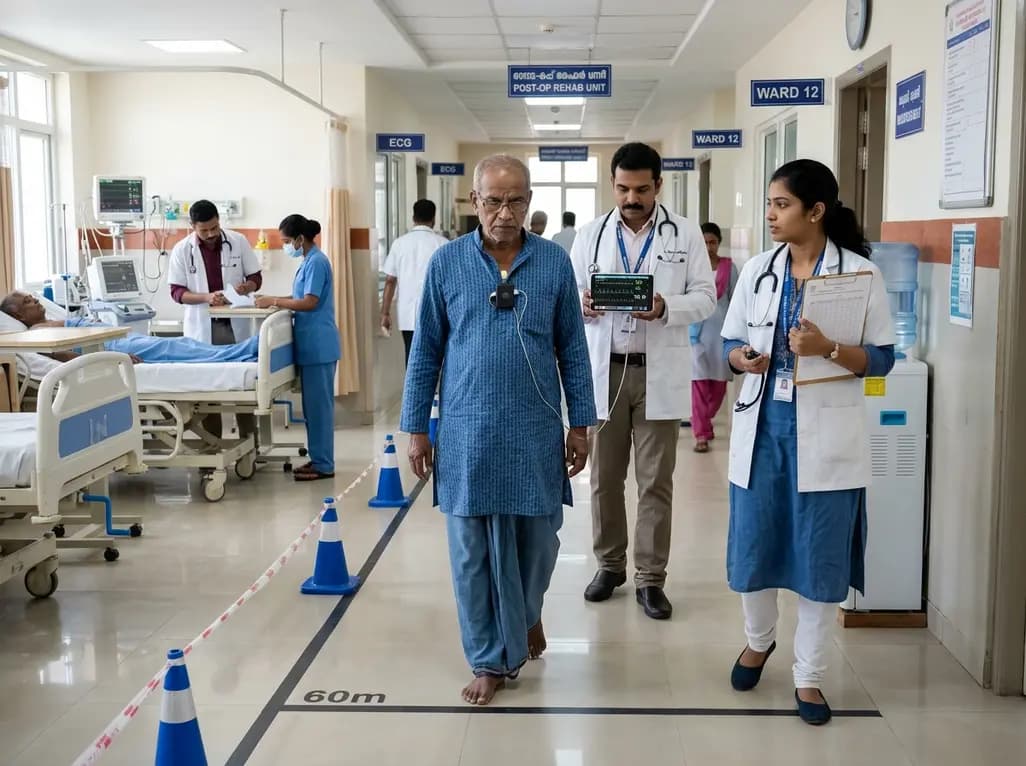
A recent study highlights the utility of measuring cardiac effort after surgery. In older, frail individuals undergoing cardiac surgery, combining continuous ECG with the six-minute walk test provides vital physiologic insights, demonstrating that heart rate responses mirror cycle ergometry.
Today
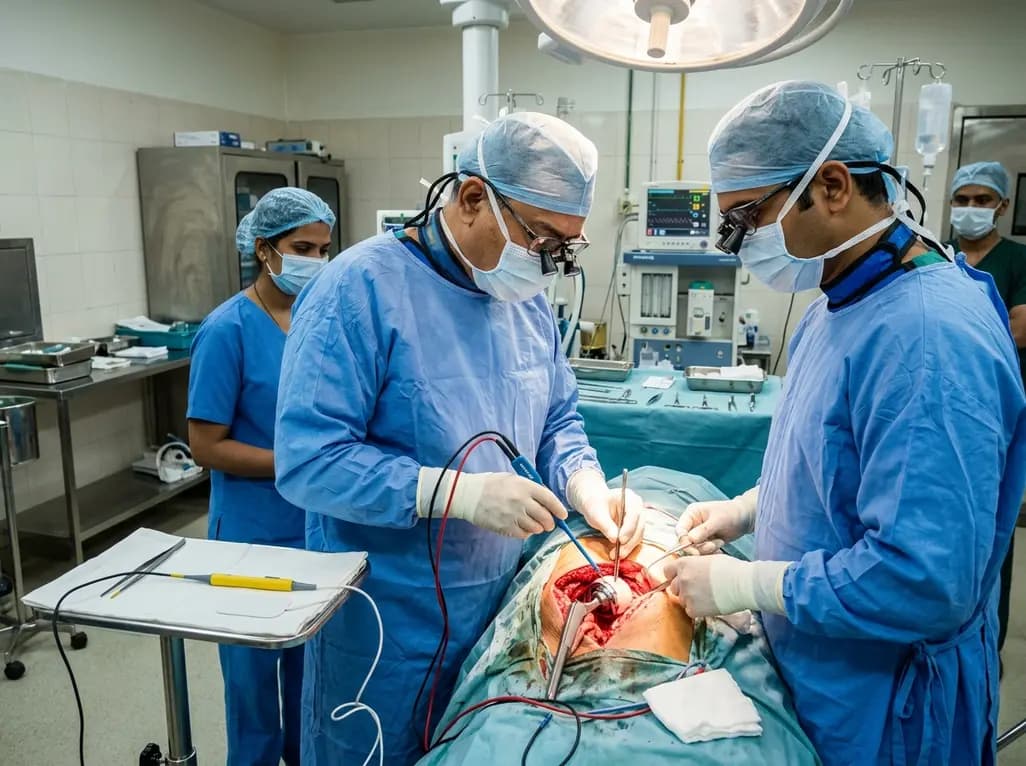
A systematic review and meta-analysis of 8 RCTs evaluated bipolar versus monopolar electrocautery in primary total hip and knee arthroplasty. Pooled data revealed no significant differences in haemoglobin drop, blood loss, or length of stay, concluding that routine bipolar electrocautery is not supported.
Yesterday

A critical review evaluates whether starch-polyphenol complexes meet structural and metabolic criteria to qualify as type 5 resistant starch. The proposed tiered evidence framework distinguishes true inclusion complexes from simple mixtures, clarifying mechanisms for glycemic modulation and gut fermentation.
Today
