

Loading, please wait...
Loading, please wait...

Moyamoya disease is a progressive steno-occlusive intracranial arteriopathy characterized by stenosis of the terminal internal carotid arteries and compensatory collateral formation. Although clinicians historically regarded it as primarily a pediatric disorder, modern epidemiological data demonstrate a clear bimodal age distribution. Recent national inpatient analyses indicate that adult admissions constitute over eighty percent of all moyamoya hospitalizations. In contrast, pediatric patients represent approximately nineteen percent of inpatient admissions. This pronounced demographic shift underscores the substantial disease burden experienced by adult populations worldwide. In clinical practice, clinicians frequently encounter adult presentations that were either overlooked in childhood or initiated during early adulthood. The progressive arterial stenosis prompts the development of fragile lenticulostriate networks, producing the pathognomonic angiographic appearance. However, vascular compliance, collateral development, and hemodynamic reserve differ fundamentally between children and older adults. Consequently, healthcare providers must recognize these age-specific trajectories to avoid diagnostic delays. Pediatric disease often displays rapid, aggressive progression during neurodevelopmental growth, whereas adult disease frequently involves protracted, indolent remodeling complicated by systemic vascular strain. Appreciating this epidemiological distribution helps clinicians maintain diagnostic vigilance across diverse patient age groups.
The clinical manifestations of moyamoya arteriopathy diverge sharply depending on patient age. Pediatric patients predominantly experience recurrent ischemic events, including transient ischemic attacks and cerebral infarctions. Furthermore, common pediatric behaviors such as vigorous crying, hyperventilation, or dehydration frequently trigger acute ischemic episodes by inducing cerebral vasoconstriction. In contrast, adult patients face significantly greater risks of devastating hemorrhagic complications. National inpatient data demonstrate that adult hospitalizations exhibit hemorrhagic stroke rates more than twice as high as pediatric rates. Similarly, subarachnoid hemorrhage occurs four times more frequently in adults than in children. These catastrophic hemorrhages typically result from the mechanical rupture of fragile, dilated collateral networks exposed to decades of hemodynamic shear stress. In addition, ischemic stroke remains remarkably common among adults, affecting twenty-five percent of adult admissions compared to sixteen percent of pediatric cases. Therefore, clinicians evaluating adult moyamoya cases must prepare for complex presentations featuring both severe hypoperfusion and acute intracranial bleeding. Conversely, pediatric management requires intense vigilance for rapid cognitive deterioration, focal motor deficits, and secondary epilepsy. Ultimately, recognizing these disparate phenotypic patterns enables physicians to initiate timely diagnostic neuroimaging and prevent debilitating neurological outcomes.
Systemic vascular comorbidities heavily aggravate disease severity and procedural risk in mature individuals with moyamoya vasculopathy. In adult cohorts, systemic hypertension represents the single most prevalent and impactful modifiable risk factor. Epidemiological evaluations confirm that adult hospitalizations carry enormous burdens of hypertension, dyslipidemia, diabetes mellitus, and chronic tobacco usage. In contrast, pediatric patients demonstrate an exceptionally low baseline prevalence of these acquired systemic diseases. When systemic arterial hypertension persists in adults, elevated hydrostatic forces accelerate vascular fatigue within fragile parenchymal collaterals. Consequently, untreated hypertension directly compounds the hazard of fatal hemorrhagic conversion and secondary intraventricular extension. Furthermore, erratic perioperative blood pressure swings dramatically heighten ischemic stroke complications following cerebral revascularization. Indian physicians frequently manage adult patients with longstanding essential hypertension, which complicates the clinical differentiation between moyamoya disease and intracranial atherosclerotic stenosis. Therefore, clinical teams must enforce meticulous blood pressure stabilization protocols. Overly aggressive antihypertensive therapy poses substantial danger, as abrupt hypotensive dips readily compromise marginal cerebral perfusion and provoke watershed infarctions. Thus, clinicians must maintain euvolemic normotension to safeguard cerebral perfusion while mitigating excessive vessel wall strain.
While adult presentations frequently reflect acquired systemic pathology, pediatric moyamoya syndrome predominantly emerges alongside genetic disorders and congenital anomalies. Extensive inpatient analyses demonstrate that pediatric cohorts exhibit significantly higher rates of Down syndrome, neurofibromatosis type 1, sickle cell disease, and structural congenital malformations. In these vulnerable children, abnormal vascular signaling pathways and baseline endothelial dysfunction trigger early carotid stenosis. Furthermore, genetic variants involving the RNF213 gene strongly associate with early onset, severe bilateral steno-occlusion, and rapid clinical deterioration. In the Indian subcontinent, hematological disorders including sickle cell anemia and thalassemia major represent prominent triggers for secondary moyamoya vasculopathy. Consequently, pediatric clinicians encountering young patients with unexplained ischemic strokes or transient focal weaknesses must perform comprehensive genetic, metabolic, and hematological evaluations. Bilateral cerebral involvement occurs frequently in pediatric syndromic cases, necessitating thorough four-vessel digital subtraction angiography or high-resolution vessel wall magnetic resonance imaging. Fortunately, young children possess exceptional neuroplasticity and collateral potential. Therefore, identifying underlying syndromic conditions early allows prompt revascularization, which effectively halts cognitive decline and prevents catastrophic hemispheric infarction. Regular neurological surveillance ensures early detection before severe irreversible deficits occur.
In-hospital mortality and procedural outcomes reflect pronounced age disparities across clinical settings. Nationwide epidemiological data show that in-hospital mortality among adult moyamoya admissions reaches nearly three times the pediatric rate, largely driven by catastrophic hemorrhages and systemic medical complications. Multivariable regression analyses indicate that older age, uncontrolled hypertension, and acute hemorrhagic onset independently predict in-hospital mortality and severe functional dependency. Surgical revascularization represents the gold standard for durable stroke prevention, yet surgical selection diverges substantially across cohorts. Pediatric patients achieve outstanding results with indirect revascularization techniques, including encephaloduroarteriosynangiosis and pial synangiosis. These minimally invasive procedures harness innate pediatric angiogenic vigor to establish rich neo-collateralization over several months. Conversely, adult brains exhibit diminished spontaneous angiogenic responsiveness and elevated immediate ischemic vulnerability. Hence, cerebrovascular surgeons typically perform direct bypass or combined techniques to deliver instant hemodynamic revascularization. However, direct bypass in adults requires vigilant monitoring for cerebral hyperperfusion syndrome and acute watershed shifts. In pediatric postoperative units, protocols prioritize aggressive hydration, normocapnia, and pain control to avoid crying-induced cerebral vasoconstriction. Ultimately, tailored neurosurgical strategies significantly improve long-term functional independence.
Children with moyamoya disease predominantly present with ischemic symptoms, such as transient ischemic attacks, focal infarctions, and seizures, frequently triggered by hyperventilation or crying. In contrast, adults frequently experience catastrophic hemorrhagic strokes or subarachnoid hemorrhage alongside ischemic events, driven by longstanding hemodynamic strain on fragile collateral vessels and systemic hypertension.
Systemic hypertension significantly increases hemodynamic shear stress across fragile, abnormally dilated lenticulostriate and leptomeningeal collateral vessels. This persistent mechanical pressure substantially elevates the risk of vessel rupture, precipitating massive intracerebral hemorrhage. Furthermore, unmanaged blood pressure fluctuations dramatically increase the likelihood of perioperative stroke and in-hospital mortality during cerebral revascularization procedures.
Pediatric patients typically undergo indirect revascularization procedures, such as encephaloduroarteriosynangiosis, which exploit robust pediatric angiogenic potential to stimulate collateral growth over months. Conversely, adult patients have reduced angiogenic capacity and require direct bypass, such as superficial temporal artery to middle cerebral artery anastomosis, or combined revascularization, to provide immediate cerebral perfusion.
Disclaimer: This content is for informational and educational purposes only, and does not substitute professional medical advice, diagnosis, or treatment. Medical knowledge is constantly evolving. Refer to the latest local and national guidelines for clinical practice.
References

Read summarized clinical updates, watch expert medical content, and earn CME certifications right from your smartphone.
Open your smartphone camera to scan and install.





A national analysis of 69,000 hospitalizations reveals major divergences between pediatric and adult moyamoya disease: adults face higher rates of ischemic stroke, hemorrhage, hypertension, and in-hospital mortality, whereas pediatric cases present with syndromic associations and primarily ischemic events.
Today

A new study reveals that internalized HIV stigma directly impairs self-rated health by diminishing healthcare empowerment among people living with HIV. Clinicians must actively cultivate patient agency and self-advocacy to interrupt this negative psychosocial pathway and optimize long-term clinical outcomes.
Today

A qualitative study highlights the unaddressed emotional hurdles and role uncertainty faced by men during the transition to fatherhood, calling for father-inclusive perinatal care and tailored digital health support.
Yesterday

A patient-based simulation study reveals that conventional 10% bias in mean normal prothrombin time causes up to 19.2% clinical reclassification in warfarin therapy. Restricting bias to ±2.5% eliminates major INR discrepancies, urging diagnostic laboratories to tighten analytical verification thresholds.
Today
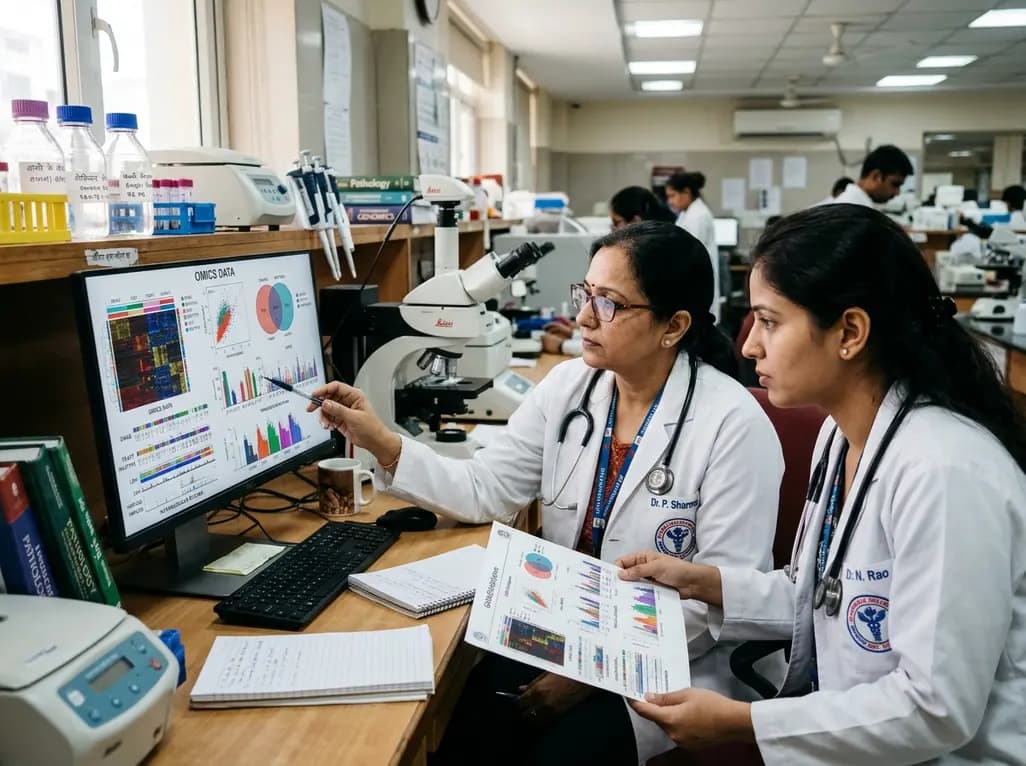
A multi-omic analysis reveals sporadic intramuscular myxoma comprises two molecularly distinct subtypes. GNAS-mutated lesions frequently carry TRAF7 mutations, whereas GNAS-wildtype tumors demonstrate striking genomic instability, loss of heterozygosity, and near-haploid features resembling DNHFN.
Today
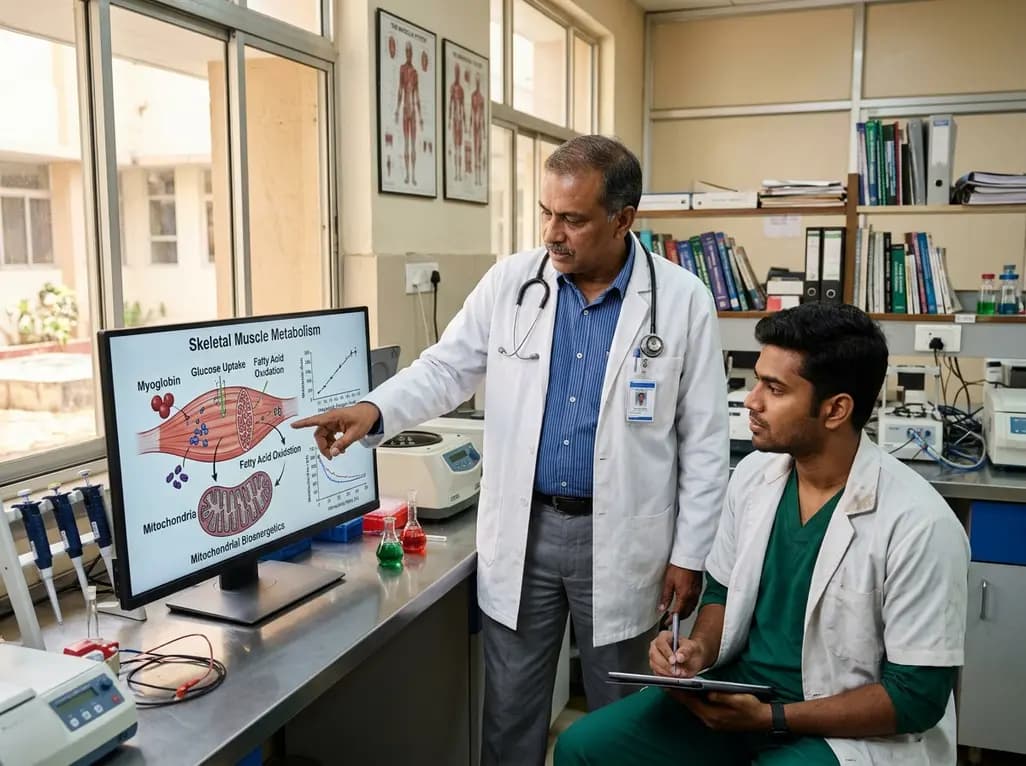
Recent physiological findings demonstrate that myoglobin acts beyond oxygen transport, significantly regulating skeletal muscle glucose metabolism and mitochondrial bioenergetics. Understanding these intracellular metabolic shifts offers fresh insights into metabolic health and exercise physiology.
Today
