

Loading, please wait...
Loading, please wait...

Effective healthcare delivery requires patients, clinicians, and health insurers to function as an interconnected system. Historically, the interaction between hospitals and insurers remained transactional, with providers delivering care while insurers managed billing. However, the escalating burden of chronic diseases and rising consumer expectations demand a fundamental structural transformation. Effective payer provider collaboration is now vital to ensure that patients receive appropriate, evidence-based care without administrative bottlenecks. By moving beyond isolated negotiations, health systems can prioritize holistic patient outcomes, promote financial sustainability, and elevate clinical experiences.
For decades, fee-for-service models dominated healthcare delivery across public and private sectors. In this conventional framework, medical facilities bill for individual interventions, tests, and bed days, while insurance adjudicators seek to control aggregate expenses. Consequently, this dynamic created systemic friction, misaligned financial motives, and mutual skepticism. Insurers frequently scrutinize hospital invoices for overutilization, whereas clinicians often experience frustration over arbitrary claim deductions or delayed approvals.
Furthermore, this adversarial relationship ultimately harms the individual seeking medical treatment. Patients frequently find themselves caught between hospital administrative desks and third-party administrators during vulnerable moments. Therefore, shifting toward a collaborative value-based framework resolves these operational impasses. Under a cooperative paradigm, both parties define clinical success through long-term health improvements rather than the sheer volume of medical procedures performed.
In addition, structured partnerships allow providers and payers to coordinate their resources around patient wellness. When financial protection aligns seamlessly with clinical expertise, health systems can curb avoidable hospital readmissions. Similarly, proactive care management helps minimize unnecessary interventions while ensuring that necessary treatments occur promptly. As a result, healthcare organizations can improve clinical performance, reduce administrative overhead, and foster lasting consumer trust across diverse clinical demographics.
A fundamental cornerstone of effective healthcare reform is the widespread implementation of evidence-based medical pathways. Clinicians naturally strive to deliver care supported by solid clinical trials and recognized national guidelines. Meanwhile, insurers aim to offer predictable coverage parameters that prevent unproven or redundant therapies. When both stakeholders collaborate openly, they can establish shared clinical protocols across major medical specialties.
Consequently, transparent treatment standards reduce the friction commonly associated with individualized pre-authorizations and retrospective claim rejections. Instead of debating line items on hospital invoices, payers can grant automatic pre-authorizations when treatments adhere to pre-agreed clinical guidelines. Therefore, this mutual consensus respects clinical autonomy while granting insurers financial predictability. Doctors retain the liberty to exercise tailored medical judgment, while insurers gain assurance regarding the necessity of delivered therapies.
Moreover, standardized protocols substantially enhance patient safety and institutional care quality. Standardizing therapeutic regimens for conditions like acute myocardial infarction, stroke, or sepsis significantly reduces complication rates. Patients also gain comprehensive clarity regarding their treatment plans and expected out-of-pocket costs. Consequently, eliminating ambiguity minimizes emotional distress for families during critical medical emergencies. Ultimately, adherence to evidence-based pathways bridges the divide between clinical necessity and administrative reimbursement, ensuring consistent treatment benchmarks across health systems.
Digital infrastructure serves as the primary catalyst for modernizing healthcare financing and clinical operations. Historically, manual documentation, physical paperwork, and fragmented online portals caused substantial delays during hospital discharge processes. Patients often wait several hours in hospital lobbies after receiving medical clearance simply to finalize administrative billing. Fortunately, deeper technological integration and payer provider collaboration offer robust solutions to eliminate these bottlenecks.
Specifically, nationwide digital initiatives like India's National Health Claims Exchange create an interoperable communication highway. By utilizing standardized Fast Healthcare Interoperability Resources protocols, healthcare management information systems can communicate directly with insurance claims engines. As a result, administrative personnel no longer need to navigate dozens of independent insurer portals manually. Pre-authorizations, medical records, and digital claim bundles transfer securely and instantaneously in standardized digital formats.
Furthermore, direct system integration eliminates the burden placed on patients to act as administrative liaisons. Patients should dedicate their energy to rest and recovery rather than coordinating documentation between clinicians and insurers. Automated real-time claims adjudication allows hospitals to process discharges quickly, which improves bed turnover rates and patient satisfaction scores. Additionally, shared digital platforms give payers valuable insights into clinical patterns, enabling swift fraud detection and transparent settlements. Consequently, digital synergy transforms claim settlements into an invisible, frictionless background service.
Modern healthcare delivery must extend far beyond episodic hospital admissions and acute intensive care episodes. Chronic illnesses like type 2 diabetes, hypertension, cardiovascular disease, and oncological conditions require continuous supervision over many years. When care remains restricted to acute hospitalizations, underlying disease progression frequently goes unchecked until severe complications manifest. Therefore, insurers and healthcare providers must collaborate to manage health across an individual's lifetime.
Consequently, modern benefit designs increasingly incorporate outpatient consultations, routine diagnostic screenings, and home-based rehabilitation services. Payers and hospital networks can co-design preventive wellness programs that incentivize policyholders to adopt healthier lifestyle behaviors. For instance, teleconsultations, remote biometric monitoring, and structured medication compliance programs empower clinicians to detect health decompensation early. Thus, early interventions avoid costly emergency department visits and prolonged intensive care stays.
Moreover, integrating post-discharge home care ensures that surgical patients and vulnerable elderly individuals recover safely. Timely follow-up calls and remote nursing assessments help detect surgical site infections or adverse drug reactions before they escalate. Insurers recognize that funding comprehensive outpatient management yields substantial long-term savings by mitigating severe chronic complications. Providers, meanwhile, establish enduring longitudinal relationships with their patients. Ultimately, this expanded continuum ensures coordinated care delivery across every phase of the patient journey.
Achieving a sustainable healthcare architecture requires reforming traditional financial models that incentivize volume over clinical efficacy. Historically, isolated fee-for-service systems encouraged hospitals to perform more procedures to maintain revenue growth. Conversely, insurers attempted to protect profit margins through aggressive claim reductions and coverage limitations. However, genuine long-term economic sustainability demands that both parties share financial accountability for population health outcomes.
In response, progressive health systems are exploring shared-risk models, bundled payment structures, and capitation mechanisms. Under bundled payment arrangements, payers and hospitals establish agreed-upon reimbursement packages for comprehensive care episodes. If the clinical team manages the treatment efficiently without avoidable complications, both the hospital and insurer retain financial savings. Conversely, hospitals absorb the costs associated with preventable medical errors or unplanned thirty-day readmissions.
Therefore, shared-risk structures motivate clinical institutions to invest aggressively in infection control, patient education, and thorough post-discharge tracking. Insurers can reinvest resulting savings into reduced policy premiums, expanding coverage accessibility to broader population segments. Furthermore, pooled epidemiological datasets help insurers assess population risk accurately while assisting clinicians in identifying regional public health trends. Ultimately, aligning economic incentives fosters an environment where delivering exemplary, cost-effective patient care directly drives institutional financial viability.
Q1: Why is payer provider collaboration essential for reducing hospital discharge delays?
Collaborative integration enables hospital management information systems to connect directly with insurer adjudication platforms using standardized digital exchange protocols. Because administrative data, diagnostic reports, and billing details transfer electronically in real time, insurance officers can approve claims instantaneously. Consequently, patients avoid spending multiple stressful hours waiting in hospital lobbies for manual discharge clearance after clinicians sign their release forms.
Q2: How does sharing standardized clinical pathways benefit practicing physicians?
When healthcare providers and insurers formally agree upon standardized, evidence-based treatment pathways, clinical decisions gain upfront approval certainty. Practicing physicians face fewer arbitrary pre-authorization rejections, repetitive claim queries, and billing disputes. Furthermore, this cooperative alignment respects professional medical judgment while ensuring therapies remain fully aligned with established medical guidelines, allowing doctors to focus on delivering optimal patient care.
Q3: What role does preventive healthcare play in long-term health insurance sustainability?
Collaborative preventive programs, such as subsidized annual health screenings, telemonitoring, and chronic disease management, help identify medical risks before severe complications emerge. By managing conditions like hypertension and diabetes in outpatient settings, health systems prevent costly emergency hospital admissions. Consequently, insurers experience lower claim outlays, hospitals optimize their bed capacities, and patients maintain superior long-term physiological wellness.
Disclaimer: This content is for informational and educational purposes only. It does not constitute medical advice or replace professional judgment. Refer to the latest local and national guidelines for clinical practice.
References

Read summarized clinical updates, watch expert medical content, and earn CME certifications right from your smartphone.
Open your smartphone camera to scan and install.





Indian healthcare is transitioning from transactional billing to integrated partnerships between hospitals and health insurers. By adopting standardized digital platforms like NHCX, sharing clinical guidelines, and focusing on preventive wellness, stakeholders can enhance treatment quality and curb soaring costs.
Today

The AustrAIHANZ consensus guidelines offer evidence-informed recommendations on the investigation, first- and second-line treatments, transfusion strategies, and supportive care for autoimmune haemolytic anaemia.
Today

Assam reduced maternal sepsis deaths from 21% to 8% through rigorous infection prevention protocols and digital monitoring. Explore the clinical strategies, sterilization quality checks, early recognition pathways, and antimicrobial stewardship lessons essential for obstetric teams across India.
Today
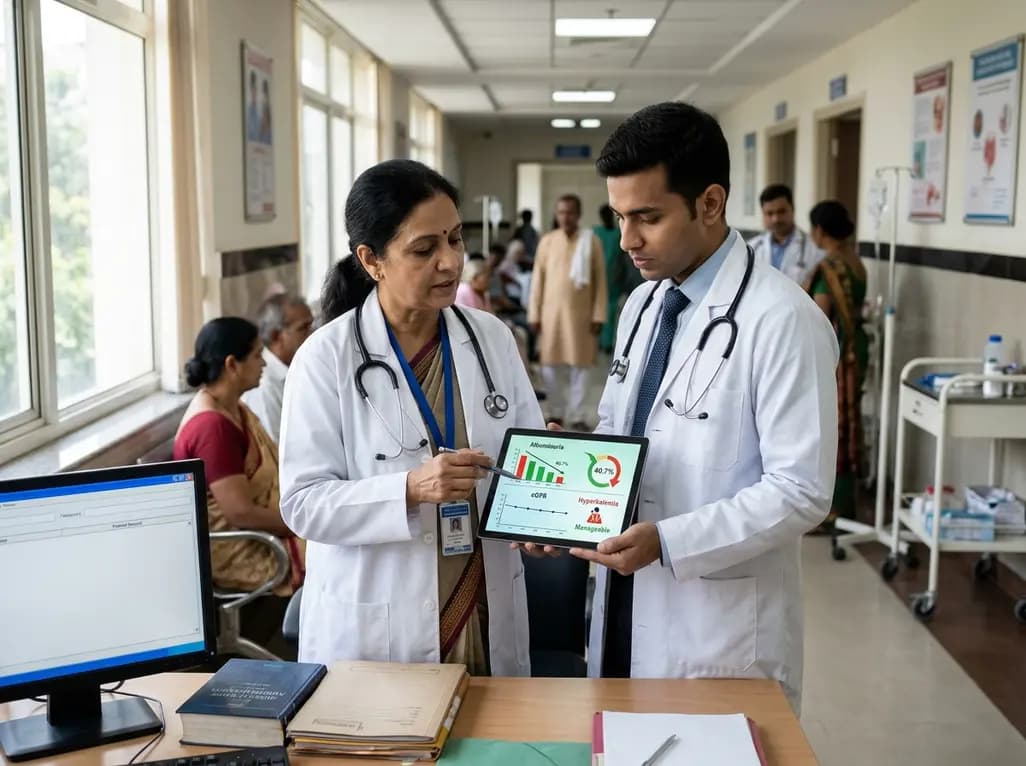
A real-world cohort study of 6,537 patients from the FOUNTAIN platform demonstrates that initiating finerenone significantly reduces albuminuria by 40.7% with minimal eGFR decline and manageable hyperkalemia risk, confirming its practical effectiveness and safety in diabetic kidney disease.
Today
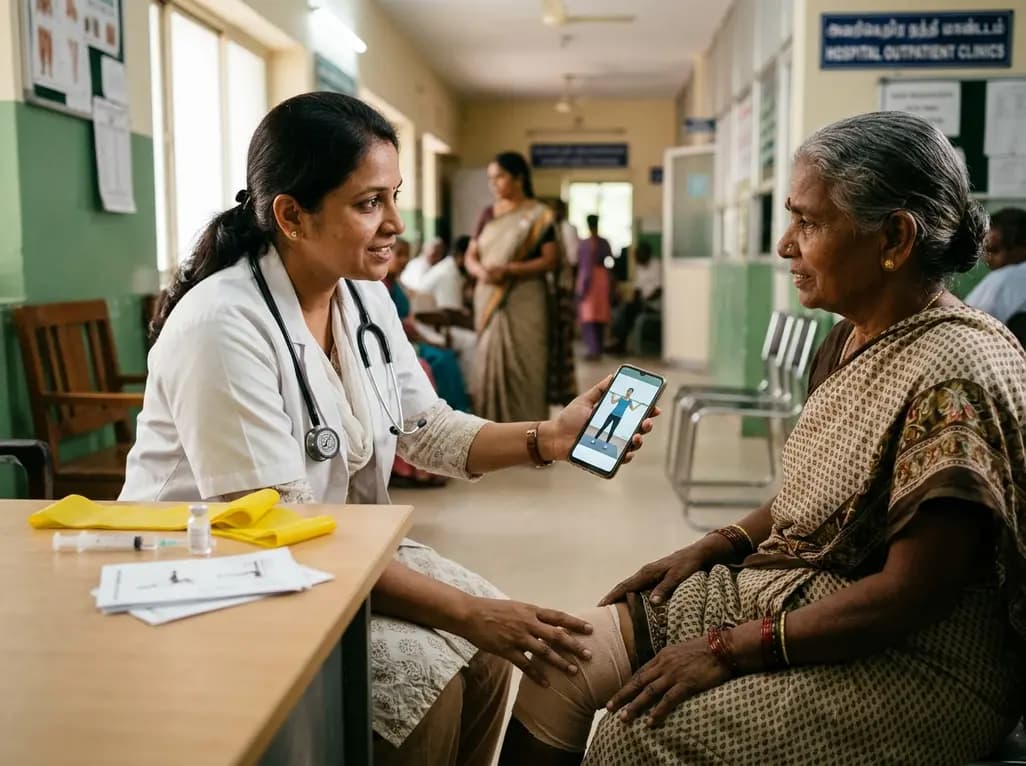
Adding a 12-week tele-supervised resistance band exercise program to intra-articular hyaluronic acid injections significantly improves physical function, chair stands, and mobility in knee osteoarthritis, despite showing no additive reduction in baseline pain scores.
Today
A secondary analysis of the OMDOT-1 trial highlights how tirzepatide and semaglutide uniquely reshape gut microbial diversity and metabolic pathways in type 2 diabetes, providing new insights into incretin-mediated metabolic regulation.
Today
