.webp&w=384&q=75)

Loading, please wait...
Loading, please wait...

Human parvovirus B19 infection presents a critical clinical challenge in pediatric hematology. In patients living with hemoglobinopathies, parvovirus B19 sickle cell interactions often precipitate transient aplastic crises and unexpected secondary complications. Because erythroid progenitor cells express the P antigen, the virus halts erythropoiesis and rapidly depletes circulating erythrocytes. Recent multicenter clinical studies demonstrate that patient genotype fundamentally shapes symptom patterns, inflammatory responses, and hospital resource utilization.
Parvovirus B19 targets erythroid progenitor cells within the bone marrow. The virus binds specifically to the erythrocyte P antigen, invades multiplying pronormoblasts, and triggers immediate cellular apoptosis. In healthy individuals with normal 120-day red cell lifespans, this brief cessation of erythropoiesis rarely causes clinical distress. However, children with sickle cell disease have erythrocyte lifespans of merely ten to twenty days. Consequently, any disruption in bone marrow production leads to a rapid fall in circulating hemoglobin, defining transient aplastic crisis.
Furthermore, parvovirus infection induces systemic microvascular changes beyond simple marrow arrest. Viral particles can directly damage vascular endothelial cells and promote local inflammatory cascades. As a result, subsequent cytokine release accelerates erythrocyte sickling and microvascular vaso-occlusion. Therefore, pediatric patients frequently develop concurrent complications, including acute chest syndrome, acute splenic sequestration, and hepatic dysfunction. Reticulocytopenia leaves the vascular system critically depleted of juvenile erythrocytes. Clinicians must identify these pathophysiological mechanisms rapidly because timely medical stabilization prevents tissue hypoxia and life-threatening cardiovascular collapse.
Pediatric sickle cell disease encompasses multiple genotypes that exhibit starkly different clinical phenotypes during viral infections. Historically, hematologists classified homozygous sickle cell anemia (HbSS) and sickle beta-zero thalassemia (HbSβ) as the most severe forms. Conversely, providers often regarded hemoglobin SC disease (HbSC) as a comparatively mild variant. However, recent cohort investigations demonstrate surprising phenotypic complexity during acute parvovirus B19 infection across these pediatric groups.
Although HbSS and HbSβ patients typically suffer deeper declines in nadir hemoglobin, HbSC patients present unique diagnostic challenges. For example, recent clinical data indicate that HbSC patients mount substantial systemic inflammatory responses during active viral illness. Specifically, these children show elevated levels of C-reactive protein and lactate dehydrogenase compared to their HbSS counterparts. Moreover, HbSC patients frequently experience prominent musculoskeletal complaints that can mislead primary care providers. Because baseline hemoglobin concentrations are higher in HbSC disease, rapid hemoconcentration and abnormal blood rheology may promote microvascular occlusion. Consequently, genotype-specific assessment is essential for accurate risk stratification.
Children with HbSC disease manifest a unique clinical and laboratory presentation during acute parvovirus B19 infection. Most notably, these patients exhibit a high prevalence of severe back pain rather than simple lethargy. In addition, biochemical markers demonstrate intense systemic inflammation. Cohort analyses show significantly higher serum C-reactive protein and lactate dehydrogenase concentrations in HbSC patients than in HbSS patients.
Consequently, evaluating clinicians order chest radiographs much more frequently for HbSC patients to evaluate potential acute chest syndrome. Furthermore, children with HbSC disease require significantly longer inpatient hospitalizations to achieve clinical resolution. Interestingly, researchers observed a significantly higher rate of immunoglobulin G seroconversion at symptom onset in HbSC cohorts. Therefore, rapid humoral antibody responses may form circulating immune complexes that amplify tissue inflammation. Because this exaggerated inflammatory picture mimics conventional vaso-occlusive crisis, clinicians must remain alert. Early viral diagnostic assays allow teams to distinguish between primary bone marrow failure and uncomplicated vaso-occlusive pain episodes.
Hydroxyurea therapy remains the primary disease-modifying pharmacotherapy for pediatric HbSS and sickle beta-thalassemia genotypes. Clinical findings show that hydroxyurea provides substantial protection during acute parvovirus B19 infection. Specifically, treated patients maintain significantly higher nadir hemoglobin levels during transient aplastic crises. As a direct result, hydroxyurea therapy significantly decreases blood transfusion requirements during hospital admissions, reducing exposure to alloimmunization.
Nevertheless, hydroxyurea treatment requires vigilant clinical monitoring during viral infection. Hydroxyurea suppresses bone marrow activity as part of its therapeutic mechanism. Consequently, pediatric patients on active hydroxyurea regimens develop transient neutropenia more frequently during acute parvovirus infection. Therefore, medical teams must track absolute neutrophil counts closely alongside reticulocyte numbers. Despite this transient hematologic risk, the clinical advantages of hydroxyurea remain decisive. By boosting fetal hemoglobin production and dampening endothelial activation, hydroxyurea preserves oxygen delivery to vital tissues. Ultimately, continued maintenance therapy reduces inpatient disease severity and improves clinical recovery in vulnerable children.
Managing parvovirus B19 in pediatric sickle cell patients requires rapid triage and coordinated supportive protocols. Upon hospital admission, teams must obtain complete blood counts, reticulocyte counts, and molecular viral tests. The presence of profound reticulocytopenia confirms transient bone marrow arrest. In HbSS and HbSβ patients, severe symptomatic anemia necessitates prompt packed red blood cell transfusion based on clinical hemodynamics.
Furthermore, management protocols must address genotype-specific vulnerabilities. HbSC patients frequently require multimodal analgesia and tailored intravenous fluids to alleviate severe back pain. Because HbSC children experience heightened systemic inflammation, physicians must monitor respiratory vitals closely to detect emerging pulmonary complications. Meanwhile, healthcare facilities must isolate infected pediatric patients to prevent nosocomial droplet transmission within hematology wards. Fortunately, natural infection generally confers lasting immunity, making recurrent aplastic crises exceedingly rare. Finally, outpatient follow-up should document bone marrow recovery, evidenced by a robust reticulocyte rebound within one to two weeks following acute infection.
Parvovirus B19 selectively infects and destroys erythroid progenitor cells within the bone marrow, temporarily halting erythrocyte production for approximately seven to ten days. In healthy children, erythrocytes survive for 120 days, masking this brief arrest. However, erythrocytes in sickle cell disease survive for only ten to twenty days. Consequently, the temporary suspension of red blood cell production rapidly exhausts circulating reserves, precipitating severe life-threatening anemia that frequently requires emergency packed red blood cell transfusions.
Patients with homozygous HbSS disease typically present with profound, symptomatic anemia characterized by severe fatigue, tachycardia, and markedly depressed hemoglobin counts. Conversely, pediatric patients with HbSC disease frequently present with severe localized back pain, higher levels of inflammatory markers such as C-reactive protein and lactate dehydrogenase, and earlier immunoglobulin G seroconversion. Because HbSC patients experience intense inflammatory symptoms and distinct vaso-occlusive manifestations, they often require more frequent diagnostic chest imaging and significantly longer hospital admissions.
Hydroxyurea therapy provides notable clinical benefits by preserving baseline red cell parameters in children with HbSS or sickle beta-thalassemia. Consequently, treated patients experience significantly higher nadir hemoglobin levels and require fewer blood transfusions during acute infection. However, because hydroxyurea exerts mild myelosuppressive activity, treated children develop transient neutropenia more frequently during viral marrow suppression. Therefore, clinicians must carefully monitor white blood cell differentials alongside reticulocyte counts while maintaining overall disease management protocols.
Disclaimer: This content is for informational and educational purposes only and does not constitute medical advice, diagnosis, or treatment. Healthcare professionals should exercise their independent clinical judgment. Refer to the latest local and national guidelines for clinical practice.
References

Read summarized clinical updates, watch expert medical content, and earn CME certifications right from your smartphone.
Open your smartphone camera to scan and install.





In pediatric sickle cell disease, parvovirus B19 infection causes acute aplastic crisis with genotype-specific severity. While HbSS patients face severe anemia, HbSC patients experience marked back pain, higher inflammation, and longer admissions. Hydroxyurea in HbSS/Sβ reduces blood transfusion requirements.
Today

ICMR reports promising progress on DengiAll, India's first indigenous tetravalent dengue vaccine. Follow-up continues across 20 sites with 13,000 participants. Discover key insights into trial timelines, tetravalent immunity, and simultaneous public health milestones like Kangaroo Mother Care.
Today
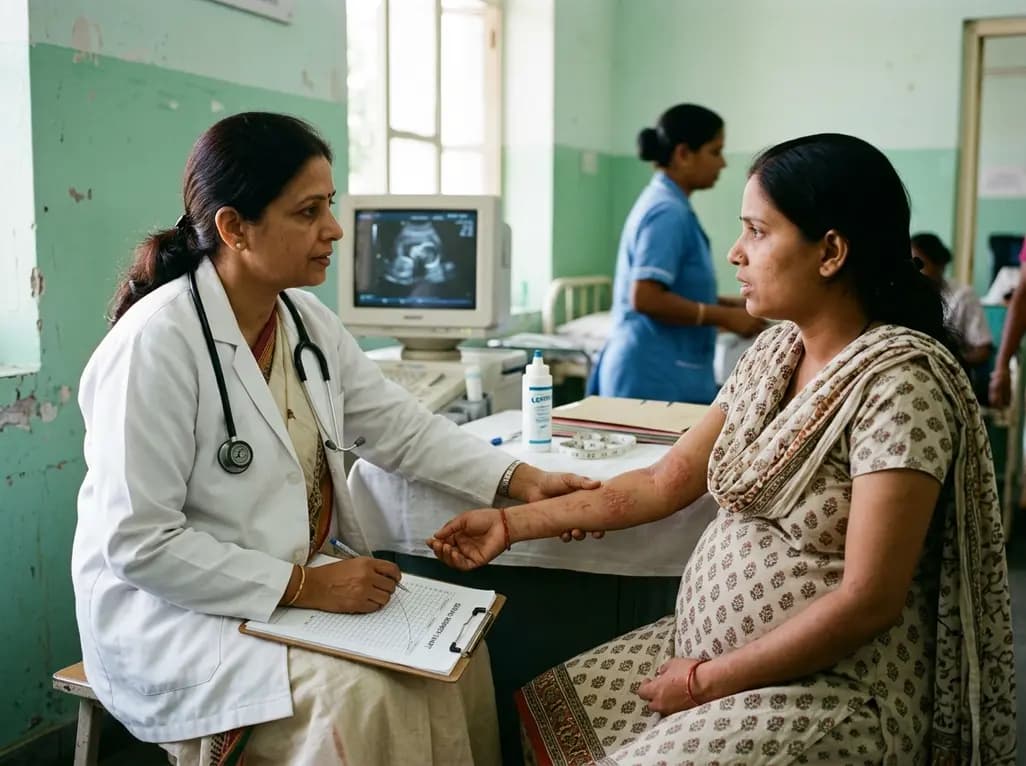
A comprehensive meta-analysis of over 278,000 women demonstrates that maternal atopic dermatitis significantly increases risks of premature rupture of membranes and low birth weight. Discover essential clinical insights on disease mechanisms, serial antenatal growth monitoring, and safe therapeutic interventions.
Today

Over 60 international public health researchers have advised FSSAI to mandate front-of-pack warning labels for any packaged product high in even one critical nutrient: sugar, saturated fat, or sodium. This reform counters phased rollouts to accelerate consumer protection and address India's chronic disease burden.
Today

Apollo Global Management is in talks to acquire Johnson & Johnson's DePuy Synthes orthopedics unit in a potential $20 billion transaction. This comprehensive analysis reviews the MedTech restructuring, product lines in joint reconstruction, ongoing legal issues, and key implications for global orthopedic surgery.
Today
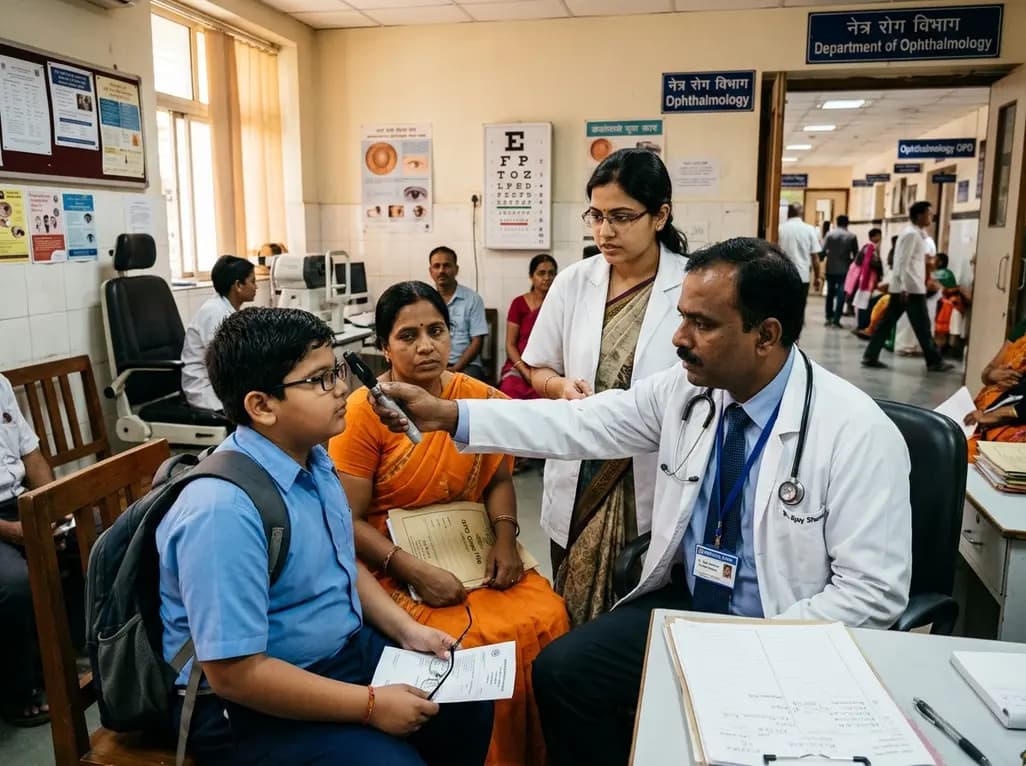
A cross-sectional study reveals that elevated METS-IR is independently associated with higher myopia odds in adolescents, showing biological synergy with obesity and highlighting the need for metabolic screening in pediatric eye care.
Yesterday
