.webp&w=384&q=75)

Loading, please wait...
Loading, please wait...
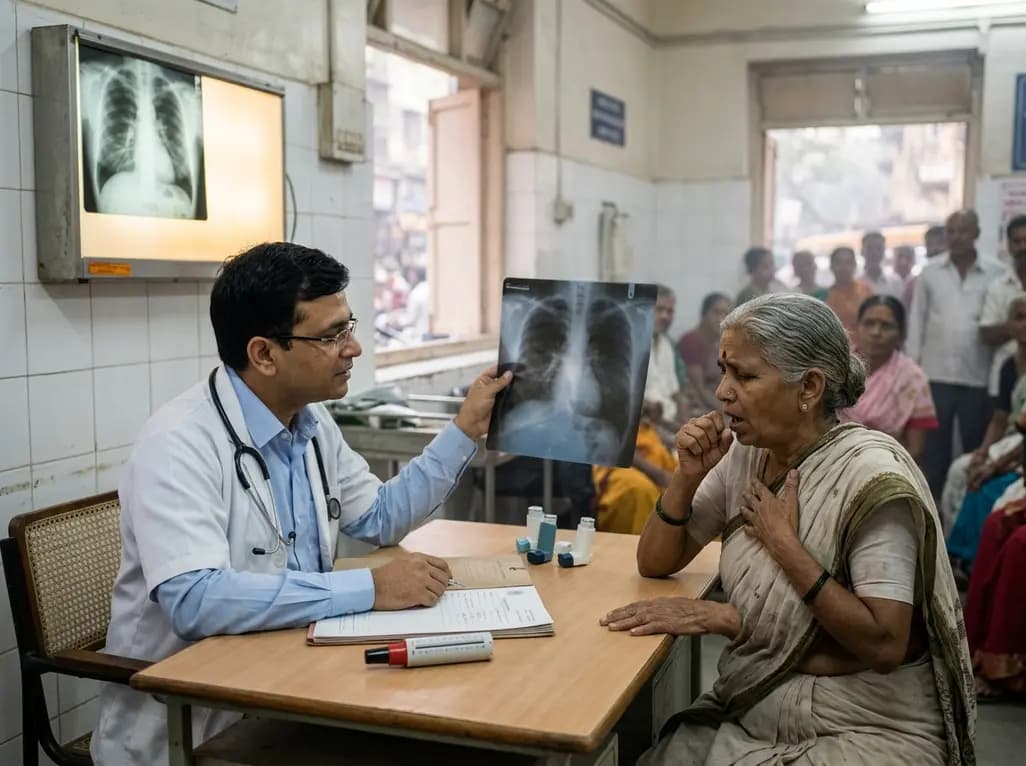
Clinicians frequently recognize air pollution as an acute trigger for preexisting bronchospasm. However, recent landmark epidemiological evidence demonstrates that particulate matter incident asthma represents an equally critical clinical reality for vulnerable populations. The nationwide retrospective cohort investigation conducted by Lee and colleagues evaluated over 8.2 million adults in South Korea. Consequently, this robust analysis provides compelling real-world evidence regarding how environmental pollutants induce new-onset airway disease. Chronic exposure to fine and coarse particulate matter initiates progressive bronchial injury across diverse demographic strata. Furthermore, this expansive dataset reveals that environmental danger does not operate within an isolated silo. Instead, ambient particulates interact synergistically with personal socioeconomic standing, biological age, and local urban density. Indian physicians face comparable environmental challenges, particularly within rapidly expanding metropolitan landscapes. High ambient particulate concentrations continually stress the respiratory tract of millions of urban residents. Therefore, clinicians must understand how particulate exposure transforms latent bronchial vulnerability into frank clinical asthma. Early recognition of these dynamic interactions enables medical teams to target screening protocols more effectively. Ultimately, addressing this growing environmental health burden requires proactive clinical vigilance alongside dedicated population health management.
The nationwide study tracked adult participants using fine spatial modeling at one-kilometer resolution. Researchers gathered comprehensive environmental metrics to quantify ambient PM2.5 and PM10 concentrations over prolonged follow-up intervals. Importantly, the statistical findings demonstrate strong linear associations between airborne particulate density and adult asthma incidence. Each ten microgram per cubic meter rise in ambient PM2.5 generated an adjusted hazard ratio of 1.33. Similarly, an equivalent ten microgram increment in PM10 produced a hazard ratio of 1.38. These findings illustrate that coarse particles inflict severe respiratory insults alongside respirable fine particulates. Coarse particles readily deposit in upper conducting airways, triggering marked epithelial irritation and persistent neurogenic inflammation. Concurrently, fine particulate matter penetrates deep into peripheral terminal bronchioles and alveolar units. In addition, these particles carry absorbed toxic transition metals and polycyclic aromatic hydrocarbons directly to delicate pulmonary tissues. Consequently, sustained exposure impairs mucosal barrier defense mechanisms and depletes local antioxidant stores. Over time, persistent microvascular leakage and cellular oxidative damage drive permanent structural remodeling. Clinicians should recognize that chronic pollutant exposure actively drives asthma pathogenesis rather than acting solely as a benign bystander.
The most clinically profound discovery centers on how non-environmental factors amplify individual respiratory vulnerability. Stratified analyses exposed remarkable disparities across distinct demographic groups. For example, younger adults without public medical aid residing in rural settings exhibited a modest hazard ratio of 1.16. In sharp contrast, older adults receiving Medical Aid in crowded urban centers faced an alarming hazard ratio of 1.80. This significant interaction highlights that poverty directly magnifies the deleterious impact of toxic air pollution. Socioeconomically disadvantaged individuals frequently live near industrial complexes, heavy transport corridors, and unpaved roadways. Furthermore, poorer households encounter greater indoor air hazards, including unvented biomass combustion fumes and overcrowded living conditions. Older age also introduces distinct biological vulnerability through immunosenescence and diminished mucociliary airway clearance efficiency. Meanwhile, dense urban living environments concentrate vehicular exhaust and eliminate protective natural vegetative buffers. When poverty, advanced age, and urban residence converge, respiratory defense systems collapse rapidly under chronic pollutant bombardment. Therefore, clinicians evaluating vulnerable geriatric or economically marginalized patients must consider combined risk clustering. Physicians cannot evaluate environmental respiratory risks through isolated geographic parameters alone. Consequently, comprehensive vulnerability assessment should guide everyday outpatient practice.
Understanding the cellular mechanisms linking ambient particles to adult asthma development clarifies why cumulative vulnerability accelerates disease onset. Inhaled particulate matter directly disrupts airway epithelial tight junctions, increasing mucosal permeability to inhaled aeroallergens. Subsequently, particulate matter stimulates pattern recognition receptors, triggering robust production of interleukins and tumor necrosis factor. This intense innate response activates dendritic cells and recruits eosinophils and neutrophils into the bronchial mucosa. Moreover, transition metals on particulate surfaces generate excessive reactive oxygen species, exhausting intracellular glutathione stores. Consequently, severe oxidative stress induces mitochondrial dysfunction and epigenetic modifications in respiratory epithelial cells. These alterations promote persistent T-helper type 2 inflammatory cascades alongside non-eosinophilic inflammatory pathways. In addition, repeated pollutant exposure stimulates subepithelial fibroblasts, accelerating collagen deposition and reticular basement membrane thickening. Chronic smooth muscle hyperplasia ensues, producing irreversible airflow limitation and bronchial hyperresponsiveness. In older individuals, baseline cellular senescence diminishes regenerative capacity following these inflammatory insults. Poor nutrition and chronic socioeconomic stress further impair endogenous antioxidant synthesis. Accordingly, the continuous interplay between environmental toxins and biological frailty drives unrelenting airway destruction and clinical asthma.
These cohort findings carry profound clinical implications for healthcare practitioners managing respiratory conditions across India. Indian cities consistently register elevated particulate matter levels, frequently exceeding international ambient standards by several multiples. Furthermore, dense urban settlements often juxtapose industrial centers with low-income housing settlements. As a result, millions of impoverished Indian citizens face compounding respiratory hazards identical to the study cohort. General practitioners and pulmonologists frequently attribute new respiratory symptoms in older adults strictly to chronic obstructive pulmonary disease. However, physicians must maintain high clinical suspicion for late-onset particulate matter incident asthma in symptomatic patients. Diagnostic workups should incorporate detailed environmental and occupational exposure histories alongside routine spirometry. When evaluating cough, wheeze, or nocturnal dyspnea, clinicians should actively investigate residential proximity to high-traffic corridors. Additionally, practitioners must counsel patients regarding practical exposure reduction strategies during severe air pollution spikes. High-efficiency particulate air purifiers, well-fitted N95 respirators, and coordinated avoidance of outdoor exertion offer tangible protection. Furthermore, proactive environmental counseling protects patients while reducing avoidable emergency admissions and hospitalizations.
Inhaled fine and coarse particulate matter directly penetrates the respiratory tract, disrupting the protective epithelial barrier. Furthermore, these toxic particles provoke severe oxidative stress by generating excessive reactive oxygen species. Consequently, local immune cells release inflammatory cytokines, triggering chronic eosinophilic and neutrophilic infiltration. Over time, persistent microvascular leakage and recurrent cellular damage promote bronchial smooth muscle remodeling. This continuous destruction permanently alters airway architecture, culminating in clinical bronchospasm and adult-onset asthma.
Poverty compounds environmental respiratory risks through several interrelated social determinants of health. Disadvantaged populations frequently reside near heavily congested roads, industrial hubs, and poorly ventilated environments. Additionally, low-income families often face nutritional deficiencies and chronic psychosocial stress, impairing systemic antioxidant defenses. Healthcare barriers also delay timely diagnosis and maintenance therapy for early bronchial inflammation. Therefore, continuous high-level pollutant exposure combines with reduced biological resilience, dramatically escalating asthma incidence among impoverished urban residents.
Clinicians must maintain vigilant screening for late-onset asthma among older patients presenting with persistent cough, wheeze, or dyspnea. First, practitioners should obtain a thorough exposure history detailing occupational hazards and home proximity to major traffic corridors. Spirometry with reversibility testing remains mandatory to distinguish asthma from chronic obstructive pulmonary disease. Furthermore, physicians should counsel patients on air quality monitoring, personal N95 mask use, and appropriate indoor air purification during peak pollution episodes.
Disclaimer: This content is for informational and educational purposes only... Refer to the latest local and national guidelines for clinical practice.
References

Read summarized clinical updates, watch expert medical content, and earn CME certifications right from your smartphone.
Open your smartphone camera to scan and install.





A nationwide cohort study reveals that long-term PM2.5 and PM10 exposure significantly increases incident asthma risk in adults. This association is markedly amplified by urban residence, socioeconomic disadvantage, and older age, highlighting urgent clinical implications for respiratory care in India.
last month
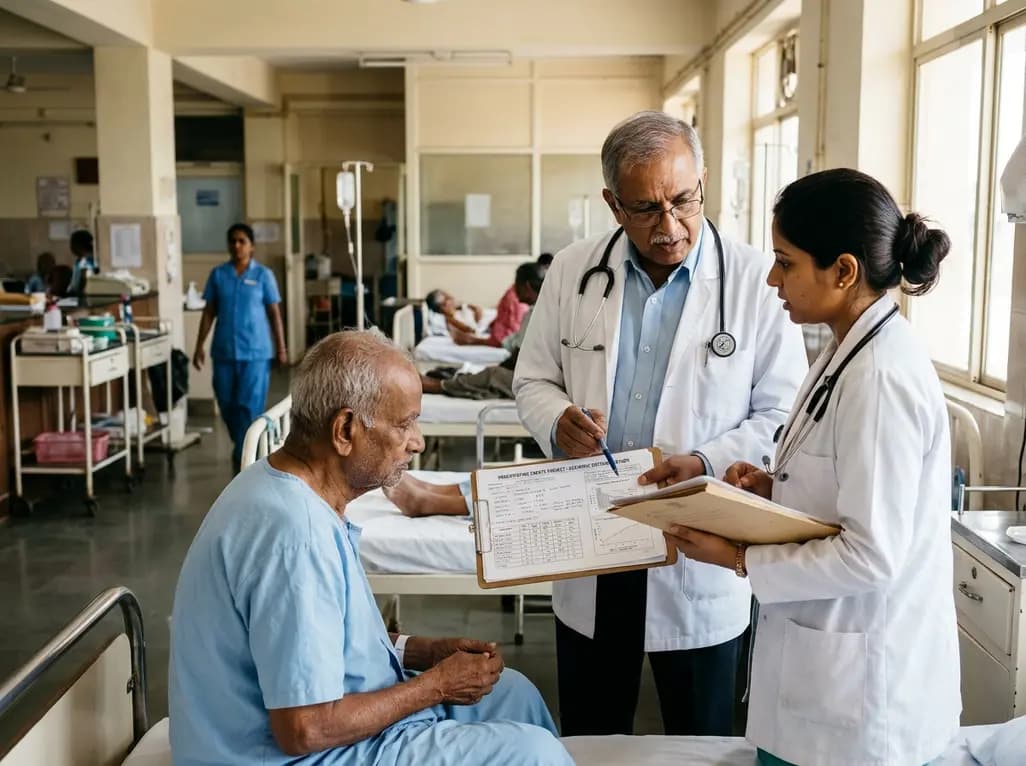
Failing to account for competing events like mortality in longitudinal geriatric studies produces biased risk estimates and misleading inferences. This review highlights key methodological principles, insights from the Precipitating Events Project, and practical approaches for clinical research appraisal.
Today

A study in JAMIA Open shows lightweight open-source reasoning LLMs achieve up to 95% sensitivity and accelerate evidence synthesis screening by nearly twentyfold, presenting a cost-effective, scalable AI solution for biomedical research and systematic reviews.
Today
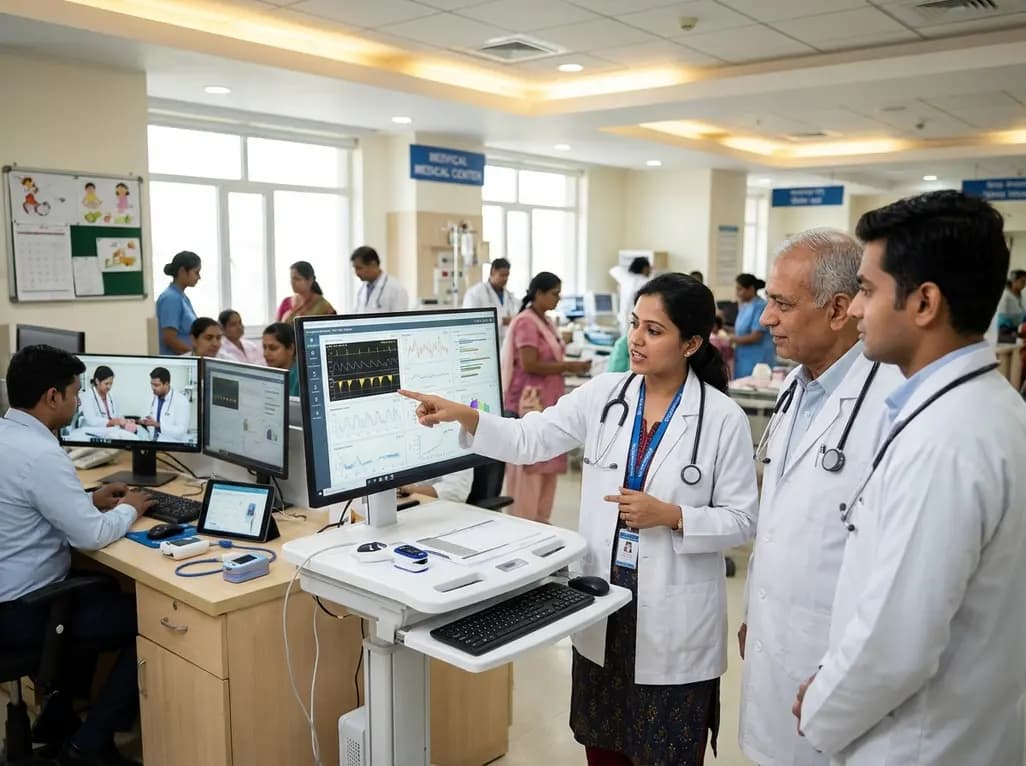
A landmark study details how an enterprise pediatric remote patient management model expanded from a single cardiology pilot to 16 diverse specialty programs by combining centralized digital operations with specialty clinical leadership.
Today

A comparative review of tension band wiring and intramedullary screw fixation in thumb metacarpophalangeal arthrodesis, evaluating union rates, hardware complications, and clinical outcomes.
Yesterday
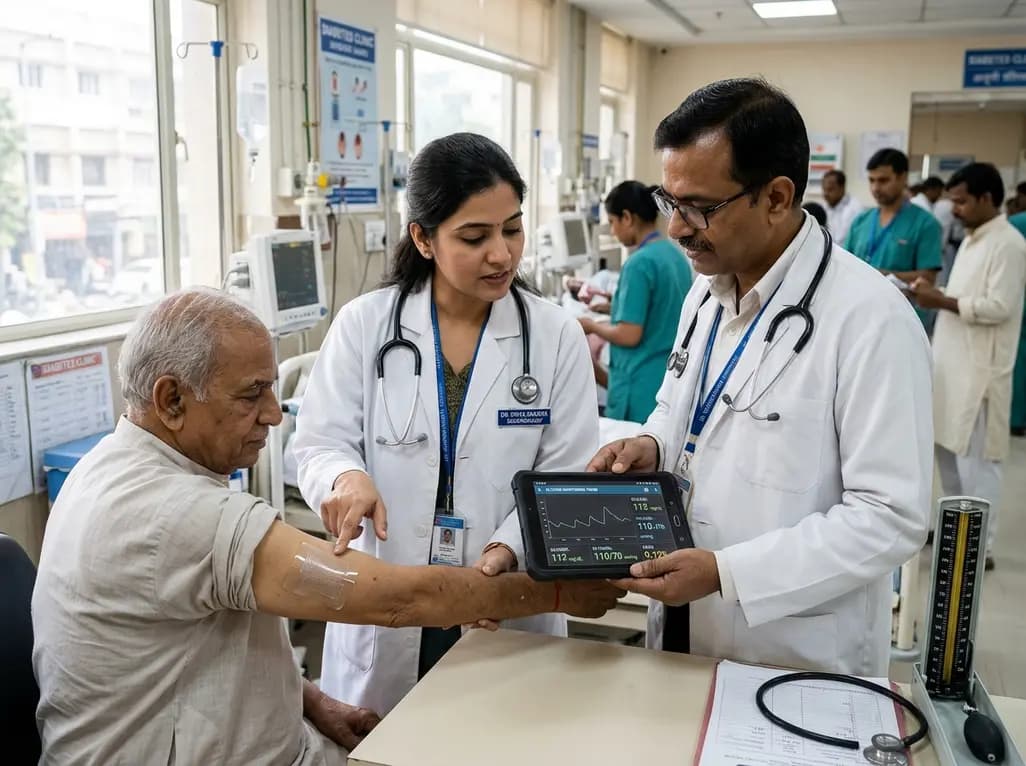
A breakthrough ultrathin multimodal sensor decouples physical hemodynamic monitoring from disposable electrochemical calibration, achieving long-term wearable glucose prediction with 81.36% accuracy and a 9.12% MARD. This offers a robust, drift-free solution for outpatient metabolic surveillance.
Today
