

Loading, please wait...
Loading, please wait...

Managing pain in cerebral palsy represents a significant clinical challenge for multidisciplinary teams worldwide. Historically, healthcare providers frequently underdiagnosed chronic musculoskeletal discomfort in this vulnerable pediatric population. Consequently, many affected children endure persistent secondary symptoms that impair their daily quality of life. Recent epidemiological data indicate that up to three-quarters of individuals with cerebral palsy experience regular physical discomfort. Furthermore, this persistent distress interferes directly with daily self-care routines, physical therapy, school attendance, and restorative sleep. In addition, chronic discomfort undermines emotional well-being and frequently triggers substantial anxiety and mood disturbances. Traditional assessment approaches often fail because standard instruments rely heavily on complex verbal communication skills. Therefore, clinicians urgently need standardized frameworks that capture pain across diverse cognitive and functional levels. This critical necessity prompted international experts to establish an evidence-based core outcome set. Ultimately, systematic evaluation ensures that every young person receives timely, compassionate, and personalized therapeutic care.
Developing a robust core outcome set requires extensive collaboration across diverse clinical specialties and patient communities. Therefore, the investigative team executed a rigorous two-stage consensus methodology to capture comprehensive stakeholder insights. Initially, researchers organized an interactive consensus workshop involving twelve experienced pediatric clinicians and six individuals with lived experience. During stage one, the multidisciplinary panel evaluated forty-two established assessment tools to eliminate non-feasible options. Furthermore, stakeholders reviewed each instrument for practical clinical utility, cognitive accessibility, and administrative burden. Following this initial winnowing process, investigators retained twenty-nine promising candidate tools for broader international evaluation. Subsequently, stage two engaged eighty-five international participants in a comprehensive two-round Delphi survey. This expert cohort incorporated pediatric neurologists, physiotherapists, developmental pediatricians, and affected young individuals. Consequently, the Delphi technique fostered democratic alignment while effectively minimizing individual bias. By establishing a rigorous 75 percent consensus threshold, the team selected instruments with genuine clinical relevance.
The Delphi consensus process successfully endorsed twenty high-quality assessment tools out of twenty-nine candidate instruments. Notably, each approved instrument achieved the required 75 percent consensus threshold among survey participants. To optimize clinical workflow, investigators categorized these instruments according to their primary purpose and reporting format. Specifically, the framework clearly separates patient-reported outcome measures from observer-reported instruments. This thoughtful differentiation ensures that non-verbal young people retain an authentic clinical voice through proxy observers. Moreover, researchers classified the selected tools into three distinct diagnostic domains. First, specific screening tools identify the presence and anatomical location of ongoing chronic discomfort. Second, specialized functional instruments measure pain interference across daily living, play, and schooling. Third, dedicated psychological scales quantify the profound impact on emotional functioning and secondary distress. Consequently, clinicians can rapidly select appropriate instruments tailored to each patient's unique physical and cognitive presentation.
To ensure universal clinical applicability, researchers systematically mapped every included assessment tool to the International Classification of Functioning framework. Consequently, this alignment anchors pediatric pain evaluation directly within a globally recognized biopsychosocial model. The ICF framework considers body functions, anatomical structures, individual activity execution, and broader societal participation. Therefore, evaluating pediatric discomfort solely through numerical intensity scales overlooks critical environmental and personal factors. In contrast, the newly mapped core outcome set comprehensively captures how discomfort restricts motor milestones and peer interactions. Furthermore, the framework highlights the intricate relationship between musculoskeletal strain and emotional distress. Because complex neurodevelopmental conditions affect multidimensional functioning, this holistic mapping prevents fragmented medical management. Clinicians can now document specific activity limitations alongside psychological coping strategies during routine longitudinal reviews. Ultimately, ICF-aligned assessments foster unified therapeutic goals among neurologists, physical therapists, and family caregivers.
Translating the new core outcome set into real-world outpatient clinics requires thoughtful administrative adaptation and team training. Initially, healthcare facilities should embed these validated tools directly into standard electronic medical documentation workflows. Furthermore, clinicians must choose between self-report and observer-assisted formats based on validated developmental metrics. When pediatric patients possess sufficient expressive communication abilities, clinicians should always prioritize personal self-reports. However, when cognitive or communication impairments prevent direct self-reporting, clinicians must transition to validated observer-reported measures. Additionally, clinical teams can integrate augmentative communication aids, such as visual rating mats, to empower non-verbal adolescents. Consequently, healthcare providers can gather accurate subjective feedback without inducing unnecessary patient frustration. Rehabilitation specialists in resource-constrained environments can easily adopt the core outcome set without requiring expensive institutional equipment. Thus, practical integration directly improves shared decision-making between families and pediatric specialists.
Adopting a standardized core outcome set yields transformative long-term benefits for pediatric neurorehabilitation programs. Historically, clinicians prioritized isolated spasticity reduction or radiographic deformity correction over subjective comfort and overall quality of life. However, persistent discomfort profoundly influences long-term motor development, social participation, and emotional resilience. By formally monitoring pain interference and emotional health, clinical teams can prevent unnecessary psychological trauma and functional regression. Furthermore, early therapeutic interventions prevent childhood musculoskeletal discomfort from progressing into refractory adult chronic pain syndromes. Therefore, this core outcome set encourages proactive, multidisciplinary interventions that encompass physical therapy, psychological support, and lifestyle modifications. Additionally, standardized data collection allows clinical researchers to pool trial findings across international centers seamlessly. Ultimately, this comprehensive assessment paradigm elevates the standard of care for children with complex neurodevelopmental conditions.
Children with cerebral palsy frequently experience underdiagnosed chronic pain due to concurrent communication barriers, motor speech disorders, and cognitive differences. Consequently, clinicians often misattribute signs of discomfort to spasticity or behavioral distress. Standardized assessment tools overcome these obstacles by providing adapted self-report scales and structured caregiver observation instruments.
The core outcome set accommodates non-verbal pediatric patients by systematically categorizing tools into patient-reported and observer-reported measures. Furthermore, it incorporates adapted visual scales and proxy-reported assessments completed by parents or caregivers. This ensures that every child receives an accurate evaluation regardless of their expressive speech or motor communication abilities.
The ICF framework enhances evaluation by contextualizing chronic pain within a comprehensive biopsychosocial model. Rather than focusing solely on physical pain intensity, it systematically assesses how pain restricts daily activities, social participation, and emotional well-being. Consequently, clinical teams can design holistic interventions that target functional independence and psychological resilience.
Disclaimer: This content is for informational and educational purposes only... Refer to the latest local and national guidelines for clinical practice.
References

Read summarized clinical updates, watch expert medical content, and earn CME certifications right from your smartphone.
Open your smartphone camera to scan and install.





A multi-stakeholder consensus study established a core outcome set of 20 tools to evaluate chronic pain interference and emotional functioning in children and young people with cerebral palsy across diverse communication and cognitive abilities.
Today

A large UK cohort study of over 3.9 million patients found no substantive difference in the risk of peripheral neuropathy between systemic fluoroquinolones and cephalosporins, providing clinical reassurance while affirming known risks such as tendon rupture.
Today

A novel high-permeation vesicle-in-gel platform enhances transdermal fulvestrant delivery, achieving sustained release, robust intradermal retention, and superior antitumor efficacy in breast cancer models while circumventing the drawbacks of painful intramuscular depot injections.
Today
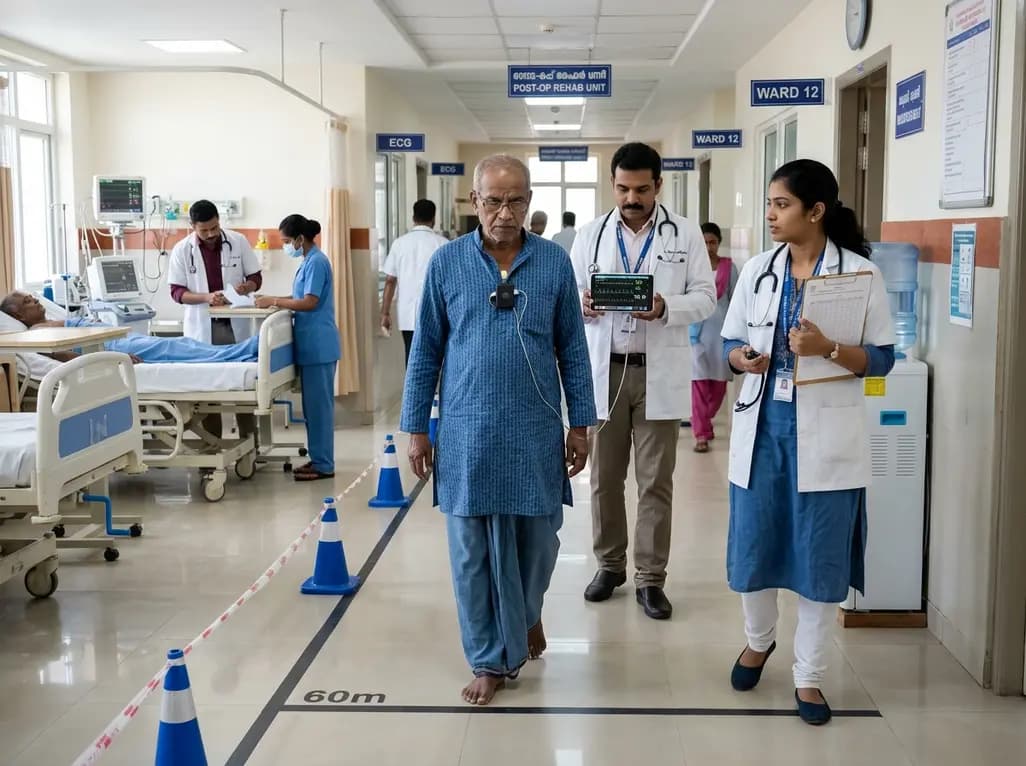
A recent study highlights the utility of measuring cardiac effort after surgery. In older, frail individuals undergoing cardiac surgery, combining continuous ECG with the six-minute walk test provides vital physiologic insights, demonstrating that heart rate responses mirror cycle ergometry.
Today

A systematic review and meta-analysis of 8 RCTs evaluated bipolar versus monopolar electrocautery in primary total hip and knee arthroplasty. Pooled data revealed no significant differences in haemoglobin drop, blood loss, or length of stay, concluding that routine bipolar electrocautery is not supported.
Yesterday

A critical review evaluates whether starch-polyphenol complexes meet structural and metabolic criteria to qualify as type 5 resistant starch. The proposed tiered evidence framework distinguishes true inclusion complexes from simple mixtures, clarifying mechanisms for glycemic modulation and gut fermentation.
Today
