.webp&w=384&q=75)

Loading, please wait...
Loading, please wait...
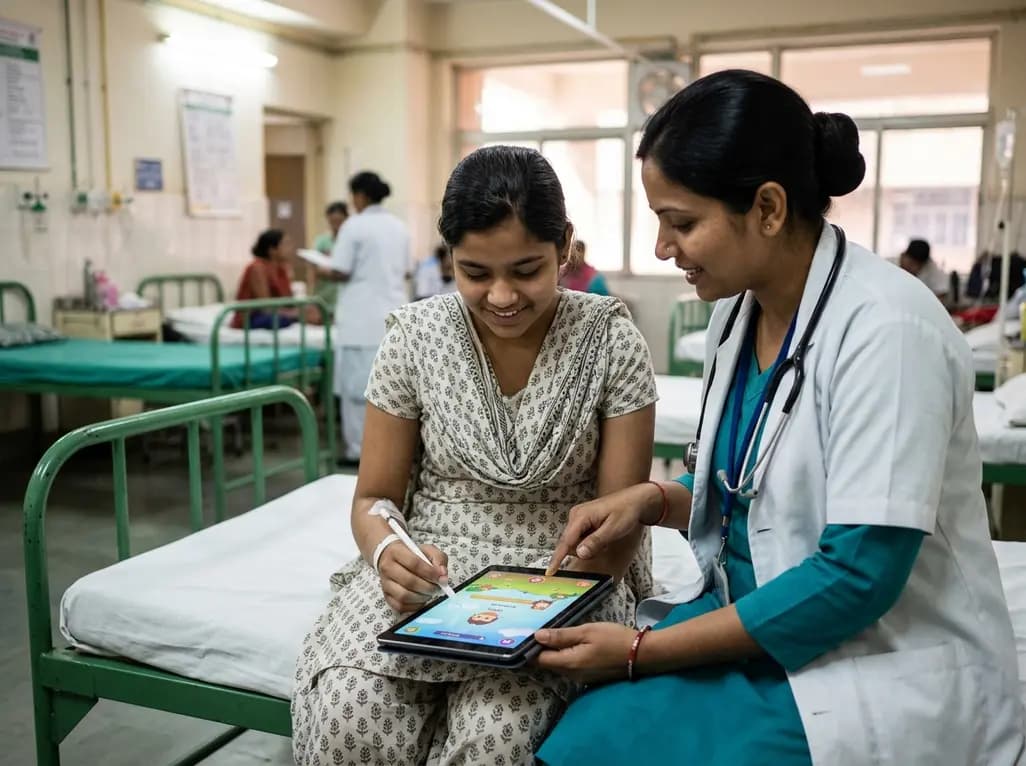
Adolescents diagnosed with malignant bone tumors face profound physical, developmental, and emotional hurdles. As these young patients move from specialized pediatric wards toward independent adult healthcare, structured guidance becomes vital. Developing optimal osteosarcoma transition readiness ensures that survivors can successfully manage their own follow-up regimens, identify late treatment toxicities, and cope with chronic disease burdens. A landmark clinical trial highlights how interactive gamification coordinated by specialized oncology nurses can transform this vulnerable transitional phase into an empowering milestone.
Osteosarcoma demands intensive multimodal treatment, including high-dose cytotoxic chemotherapy and complex limb-salvage or ablative surgeries. Consequently, adolescent survivors frequently carry lingering physical deficits, functional alterations, and risks of cardiotoxicity or secondary neoplasms. During early adulthood, however, many survivors experience an abrupt drop in healthcare adherence. Pediatric teams historically direct all aspects of care, which leaves teenagers ill-prepared to schedule surveillance visits, refill medications, or communicate effectively with adult clinicians.
Furthermore, medical oncologists recognize that uncoordinated transitions increase loss-to-follow-up rates. When adolescents lack self-advocacy skills, their health-related quality of life often declines. Therefore, oncology centers must adopt proactive transitional frameworks. Evaluating osteosarcoma transition readiness allows clinicians to identify gaps in self-care skills before patients exit pediatric supervision. By prioritizing structured transition programs early in the post-consolidation phase, multidisciplinary care teams bridge the divide between pediatric nurturing and adult medical autonomy.
Gamification uses game mechanics like point scoring, real-time feedback, and interactive quest progression to foster targeted behavioral shifts. When combined with professional nurse navigation, serious gaming transforms tedious medical education into an immersive journey. Nurse navigators serve as empathetic mentors who tailor digital game modules to each adolescent’s unique developmental needs and surgical recovery baseline.
Moreover, the game modules systematically address critical topics such as medication adherence, symptom monitoring, nutrition, physical rehabilitation, and psychosocial resilience. The nurse navigator monitors user engagement, debriefs challenging scenarios, and clarifies complex oncologic concepts during clinic visits. As a result, the interactive design engages teenage patients more effectively than conventional pamphlets or didactic lectures. Adolescents gain autonomy while practicing clinical problem-solving in a secure digital space, which reinforces their capacity to manage real-life healthcare challenges.
Recent clinical evidence confirms the efficacy of this combined approach. A cluster-nonrandomized controlled trial evaluated 59 adolescents with osteosarcoma, comparing routine clinical care against a nurse-navigated game-based program. Researchers assessed outcomes at baseline, immediately after the intervention, and across a 12-week follow-up period. The investigators tracked transition readiness using the validated Self-Management and Transition to Adulthood with Rx Treatment Questionnaire.
The study demonstrated statistically significant, sustained gains in transition readiness among adolescents participating in the digital navigation program. In addition, the intervention group showed marked improvements in patient activation and realistic transition expectations. Importantly, the guided interactive format significantly attenuated cancer worry. By systematically demystifying future follow-up care and potential complications, the structured intervention replaced chronic fear with actionable coping strategies and proactive self-efficacy.
Adolescent oncology patients endure unique psychological distress, especially related to body image alterations, limb prostheses, and the persistent dread of tumor recurrence. When adolescents transition away from familiar pediatric oncologists, anxiety often intensifies. Traditional transition preparation rarely addresses these internal fears, which can lead to behavioral avoidance or treatment noncompliance.
However, gamified interventions address emotional vulnerability directly through relatable narratives and structured cognitive exercises. The digital scenarios help adolescents process emotional distress, validate peer experiences, and practice communication strategies with prospective adult clinicians. Furthermore, the persistent availability of the nurse navigator offers a reliable emotional anchor. Because adolescents feel validated and supported, their persistent cancer worry diminishes. Consequently, patients develop a balanced perspective on their survivorship, viewing future healthcare appointments as protective self-care rather than threatening encounters.
Integrating digital transition navigation into Indian healthcare facilities offers an immense opportunity to improve long-term outcomes for pediatric bone sarcoma survivors. Across India, major tertiary cancer centers and orthopedic oncology units manage high volumes of adolescent osteosarcoma cases. Nevertheless, many patients travel extensive distances, making consistent long-term survivorship follow-up exceptionally difficult after completing chemotherapy and surgical reconstruction.
Fortunately, widespread smartphone availability and digital health infrastructure across India provide a viable foundation for mobile health applications. Oncology nurses can spearhead transition clinics, utilizing digital dashboards to track patient progression remotely. In addition, adapting gamified content to regional languages and local socioeconomic contexts will ensure cultural relevance. By adopting nurse-led digital transitional tools, tertiary hospitals can reduce preventable late complications, retain vulnerable survivors, and establish standardized adolescent and young adult survivorship protocols nationwide.
Transition readiness assessments systematically evaluate an adolescent survivor's practical knowledge, self-advocacy capabilities, and healthcare management skills. Clinicians use validated questionnaires to determine whether teenagers can manage medications, schedule clinical surveillance, identify disease complications, and interact independently with adult oncology specialists before transferring out of pediatric systems.
Nurse navigation pairs automated digital gaming mechanics with professional clinical guidance and psychosocial empathy. The navigator monitors patient progress, clarifies complex oncology concepts, provides real-world reinforcement, and addresses emerging emotional anxieties. This essential human connection ensures sustained patient engagement, improves treatment fidelity, and translates virtual skills into lasting health habits.
Clinical teams should introduce transition planning early during the maintenance or immediate post-treatment survivorship phase, typically between the ages of 14 and 16 years. Starting well before formal transfer allows adolescents sufficient time to build self-management skills, adjust to long-term physical limitations, and transition smoothly into adult oncology care.
Disclaimer: This content is for informational and educational purposes only... Refer to the latest local and national guidelines for clinical practice.
References
Ma J et al. Effect of a Nurse-Navigated Game-Based Program on Transition Readiness and Psychosocial Outcomes in Adolescents With Osteosarcoma: A Cluster-Nonrandomized Controlled Study. Psychooncology. 2026 Sep undefined. doi: 10.1002/pon.70591. PMID: 42684068.
Cooley WC, Sagerman PJ. Supporting the Health Care Transition From Adolescence to Adulthood in the Medical Home. Pediatrics. 2011;128(1):182-200.
Signorelli C, Wakefield CE, Fardell JE, et al. The Impact of Long-Term Follow-Up Care for Childhood Cancer Survivors: A Systematic Review. Crit Rev Oncol Hematol. 2017;114:131-145.

Read summarized clinical updates, watch expert medical content, and earn CME certifications right from your smartphone.
Open your smartphone camera to scan and install.





A cluster-nonrandomized controlled study demonstrates that a nurse-navigated game-based intervention significantly boosts transition readiness, patient activation, and psychosocial outcomes in adolescents diagnosed with osteosarcoma as they prepare for adult care.
4 weeks back

A recent clinical case series highlights the synthetic polylactic acid matrix as an innovative local therapy for refractory pyoderma gangrenosum. The bioresorbable scaffold demonstrated complete ulcer closure and favorable scar quality across chronic wounds, presenting a viable regenerative modality.
Today
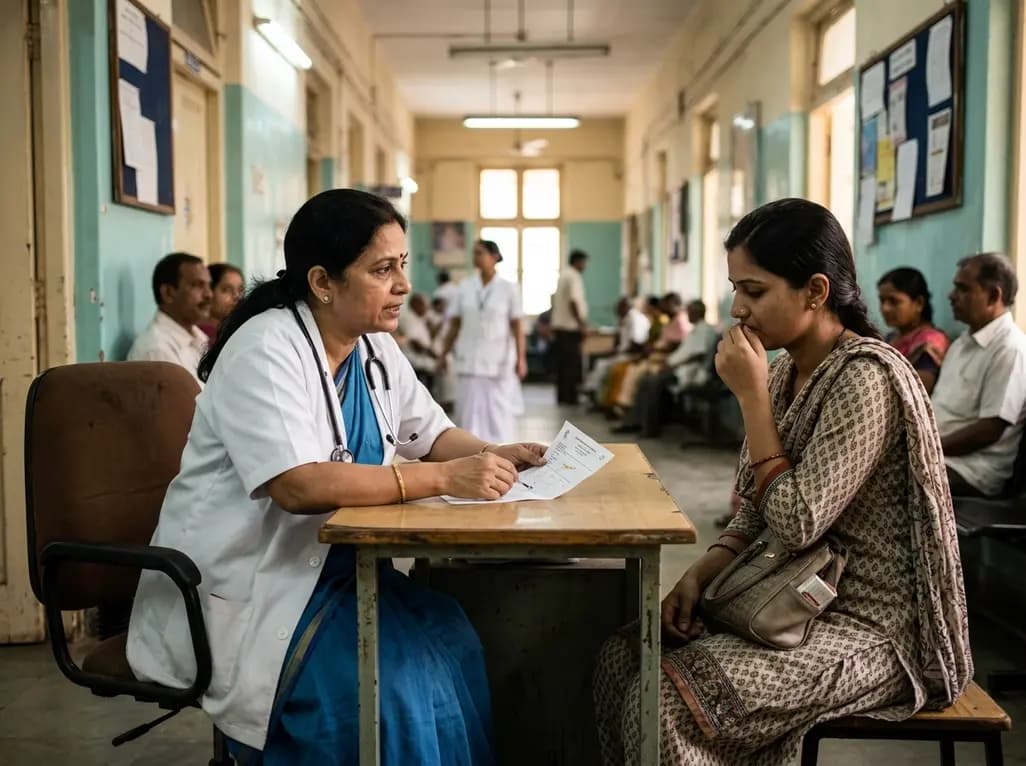
A nationwide South Korean study shows underreporting of smoking among women dropped from 57.4% to 36.4% between 2008 and 2021. However, over one-third of female smokers still conceal their habit, highlighting the critical role of cotinine verification in clinical risk assessment.
Today
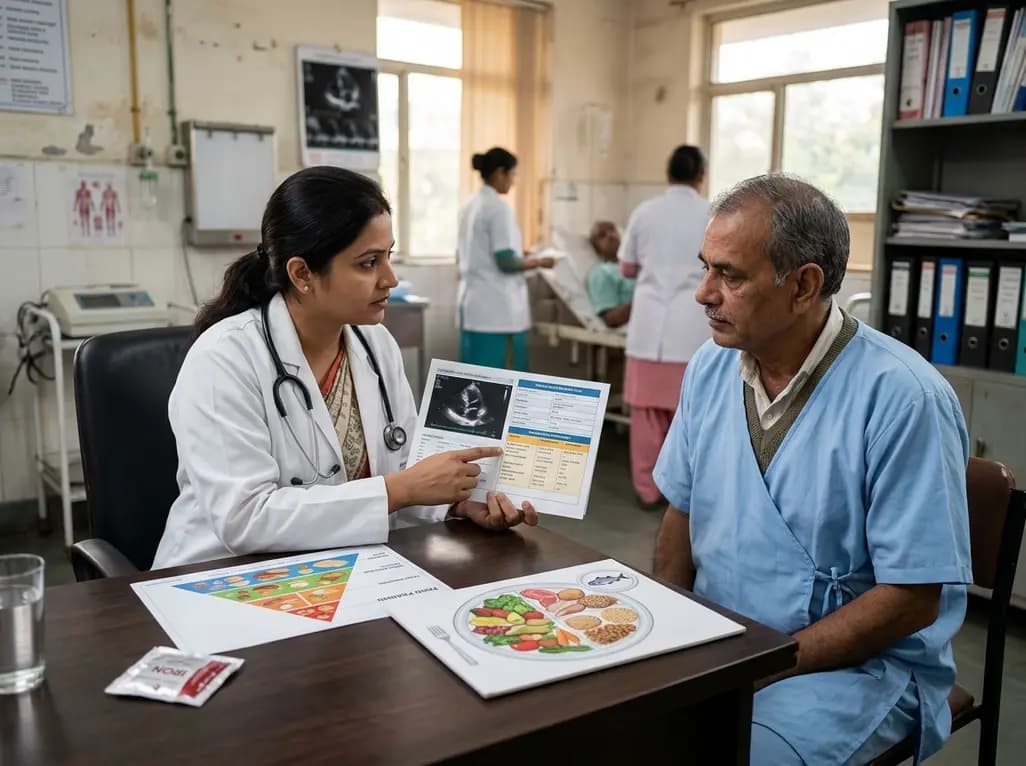
A scientific statement highlights the crucial role of nutrition in managing chronic heart failure. It emphasizes GLIM-based screening, individualized dietary patterns like the Mediterranean diet, appropriate protein and energy intake, avoiding unnecessary fluid restriction, and targeted iron supplementation.
Today
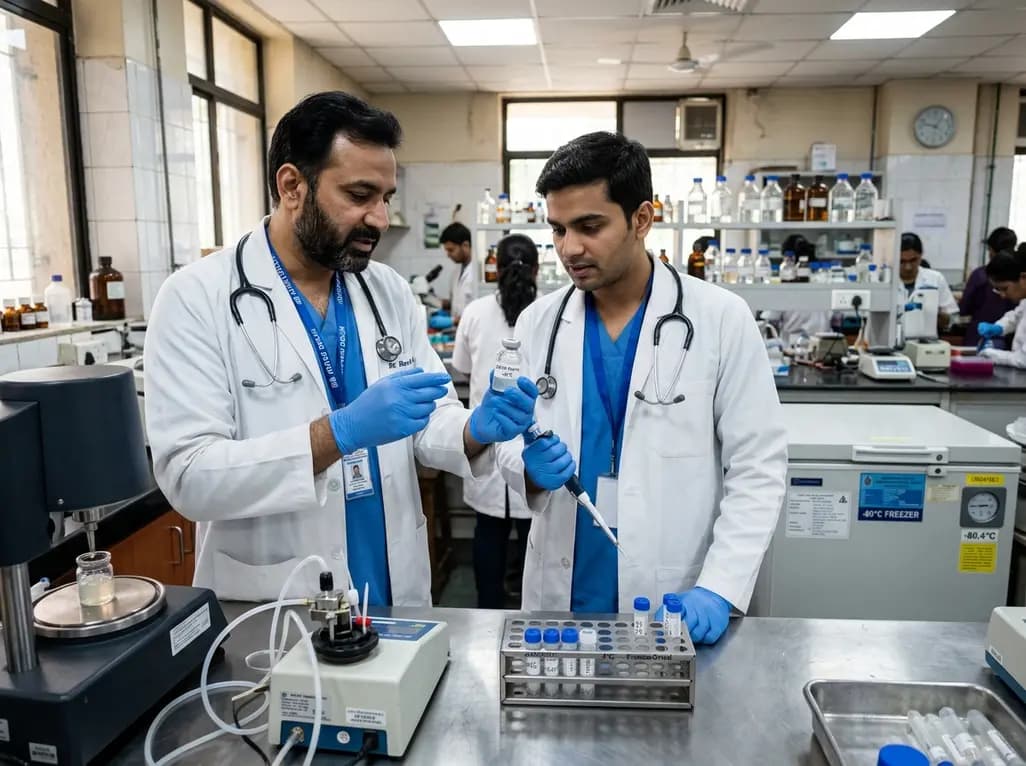
A new study evaluates the rheological stability of decellularized peripheral nerve matrix hydrogels under varied storage conditions. Findings show -80°C storage and freeze-drying preserve gelation kinetics and mechanical stiffness, offering key insights for shipping and translational clinical applications.
Today
A qualitative meta-synthesis highlights the complex interplay between gender dysphoria, minority stress, and eating disorders in transgender and gender-diverse individuals. Clinicians must recognize these distinct drivers to offer supportive, gender-affirming, and interdisciplinary eating disorder care.
Today
