.webp&w=384&q=75)

Loading, please wait...
Loading, please wait...
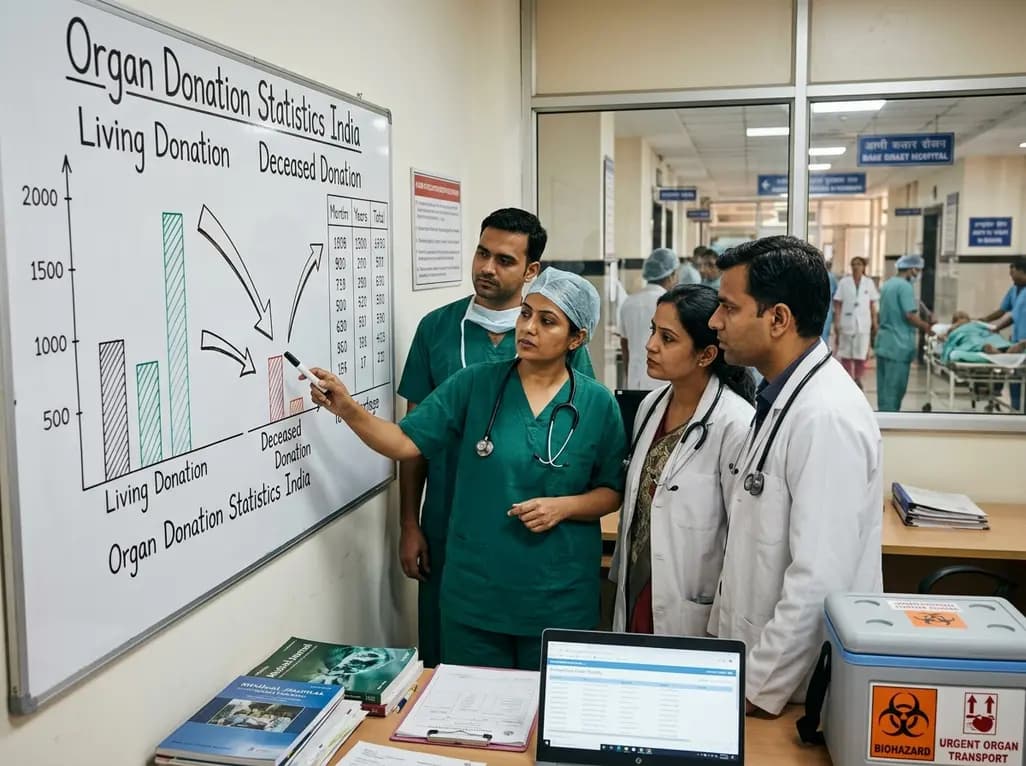
The landscape of organ donation in India is undergoing a pivotal transformation, yet significant gaps between clinical need and available organs persist. Thousands of patients suffering from end-stage organ failure await life-saving interventions across the country every day. Consequently, healthcare stakeholders, transplant teams, and regulatory bodies must unite to overcome awareness barriers, optimize institutional workflows, and prioritize deceased organ retrieval protocols across all medical centers.
Recent healthcare data highlights an urgent disparity in the nation's organ procurement ecosystem. Currently, India maintains a deceased organ donation rate below one donor per million population, which ranks among the lowest globally. In contrast, nearly 90,000 patients were actively registered on the national transplant waiting list as of March 2026. Furthermore, official records reveal that 2,805 individuals died while awaiting vital organ transplants between 2020 and 2024. Although overall transplant surgeries expanded fourfold over the past decade, deceased-donor organs contribute only approximately 18 percent of these procedures. Living donors continue to shoulder the overwhelming majority of renal and hepatic transplants, placing a heavy burden on families. Therefore, expanding the pool of deceased donors represents the single most viable strategy to address this overwhelming clinical demand. A single deceased donor possesses the unique capacity to save up to eight lives through solid organ donation. Additionally, tissue donation from the same donor can restore health, vision, and mobility for dozens of other recipients. Addressing this national disparity requires systematic coordination across critical care units, prompt donor identification, and sustained institutional commitment.
One of the primary impediments to deceased organ procurement stems from widespread misconceptions regarding brain stem death. Many families and even non-specialist healthcare providers inadvertently conflate deep coma or persistent vegetative states with irreversible brain death. However, brain stem death represents a permanent, legally certified cessation of all brain stem functions under Indian law. The Transplantation of Human Organs and Tissues Act outlines rigorous, multi-step clinical testing criteria that medical teams must execute before initiating donation dialogues. Specifically, a board of four medical experts, including an independent specialist and a neurosurgeon, must conduct two comprehensive clinical examinations spaced at least six hours apart. Transparent communication during this delicate window is paramount for building institutional trust. When intensivists clearly explain the physiological reality and irreversibility of brain death, grieving families can make informed, compassionate decisions. Medical teams must also actively dispel unfounded fears regarding body disfigurement, organ commercialization, or premature withdrawal of life support. Furthermore, dedicated hospital counselors can offer compassionate psychological support, ensuring that families feel respected throughout the entire donation journey. By clarifying these strict legal safeguards, clinicians can normalize organ donation as a dignified continuum of end-of-life critical care.
Establishing robust clinical infrastructure is vital for translating donor pledges into successful surgical outcomes. While India houses hundreds of government and private medical institutions, only a modest fraction currently function as active organ retrieval units. Consequently, the National Organ and Tissue Transplant Organisation is actively expanding the network of Non-Transplant Organ Retrieval Centers across all states. These specialized centers identify potential donors, manage hemodynamic stability in critical care units, and facilitate organ retrieval without needing full transplant suites locally. In addition, hospitals must appoint trained transplant coordinators and bereavement counselors within intensive care departments. These professionals bridge the emotional and communication gap between treating clinicians and grieving families during critical moments. Furthermore, modern digital platforms like the e-Pratyaropan portal provide real-time visibility over donor availability, matching algorithms, and waitlist allocations. Integrating advanced technology ensures equitable distribution while eliminating administrative delays. By standardizing retrieval pathways across district and tertiary hospitals, healthcare systems can ensure that no viable organ is lost due to logistical friction. Ultimately, empowering district medical colleges with retrieval capabilities will dramatically increase the geographical reach of organ procurement programs nationwide.
Logistical precision and surgical expertise dictate the ultimate success of complex multi-organ transplants. Because ischemic tolerance varies significantly across organs, rapid procurement and transport remain paramount clinical priorities. For instance, donor hearts require implantation within four to six hours, whereas kidneys withstand longer cold ischemic intervals before function degrades. To mitigate transit delays in congested urban centers, municipal authorities and traffic police routinely establish green corridors. These corridors enable swift, unobstructed ambulance movement between retrieval hospitals and recipient transplant centers or airports. Meanwhile, modern preservation technologies are revolutionizing graft viability during transit. Machine perfusion systems now deliver oxygenated solutions and metabolic substrates to retrieved hearts, lungs, and livers. Consequently, these systems improve graft survival, reduce ischemia-reperfusion injury, and allow surgical teams to assess marginal organs before implantation. Emerging techniques in organ reconditioning further broaden the donor pool by salvaging organs previously deemed unsuitable for transplantation. Moreover, ongoing innovations in normothermic regional perfusion are poised to expand retrieval opportunities from circulatory death donors across premier transplant centers in India. Therefore, combining advanced transport logistics with innovative preservation technology directly improves long-term recipient survival and post-operative outcomes.
Physicians and hospital leadership occupy a decisive position in transforming organ procurement practices across the country. Routine critical care protocols should incorporate early donor identification, reflex checks, and prompt notification to state transplant registries. Moreover, medical colleges must integrate formal organ donation education and brain death certification modules into undergraduate and postgraduate curricula. Beyond the hospital walls, clinicians can serve as authoritative advocates within comprehensive public health campaigns. Educational initiatives must engage diverse socio-cultural communities, address religious misconceptions, and encourage citizens to complete donor registries linked to national identification systems. Furthermore, honoring donor families through structured recognition programs builds community pride and normalizes the culture of organ donation. When healthcare providers champion transparent, ethical, and equitable allocation policies, public confidence in transplant medicine deepens significantly. In addition, establishing dedicated organ donation committees within all tertiary hospitals ensures institutional accountability, regular auditing of potential donor referrals, and continuous quality improvement in organ procurement workflows. Ultimately, proactive clinical stewardship will transform organ donation from a rare altruistic event into a standard, celebrated healthcare practice nationwide.
Q1: What is the current deceased organ donation rate in India?
India currently records a deceased organ donation rate of less than one donor per million population. Although transplant procedures have increased substantially over recent years, deceased donations still represent only about 18 percent of total transplants. Consequently, thousands of patients remain on national waiting lists, underscoring the urgent need to expand deceased donor awareness, institutional identification protocols, and public pledging across all states.
Q2: How is brain stem death legally confirmed for organ donation in India?
Under the Transplantation of Human Organs and Tissues Act, a certified panel of four medical practitioners confirms brain stem death. This team includes the hospital medical superintendent, an independent specialist, a neurologist or neurosurgeon, and the treating physician. They must perform two sets of standardized clinical examinations, including cranial nerve tests and apnea tests, separated by at least a six-hour interval before certifying death.
Q3: What role do green corridors play in deceased organ transplantation?
Green corridors are synchronized traffic routes coordinated between law enforcement, transport authorities, and medical teams to ensure rapid transit of retrieved organs. Because vital organs such as hearts and lungs have strict cold ischemic time windows, green corridors minimize transit delays between donor retrieval hospitals and recipient transplant surgical suites, significantly improving graft viability and post-transplant patient survival rates.
Disclaimer: This content is for informational and educational purposes only. It does not constitute medical advice or replace professional judgment. Refer to the latest local and national guidelines for clinical practice.
References

Read summarized clinical updates, watch expert medical content, and earn CME certifications right from your smartphone.
Open your smartphone camera to scan and install.





India faces an acute deficit in deceased organ procurement despite rising transplant numbers. With nearly 90,000 patients waiting and deceased donations contributing only 18% of total transplants, healthcare professionals must actively dispel brain death misconceptions and streamline retrieval systems to save lives.
last month
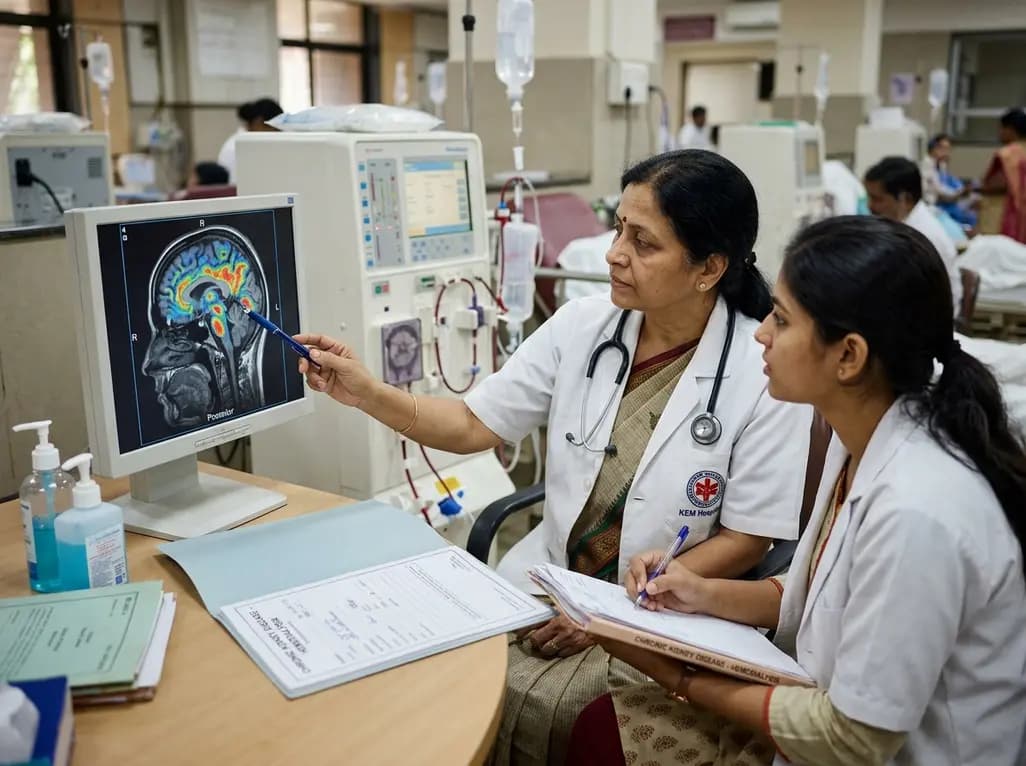
A retrospective clinical analysis reveals that hemodialysis-associated cognitive dysfunction arises from synergistic pathological mechanisms, including severe chronic anemia, worsening renal clearance, abnormal regional brain iron deposition, and an imbalance between neuroinflammatory and neurotrophic factors.
Today
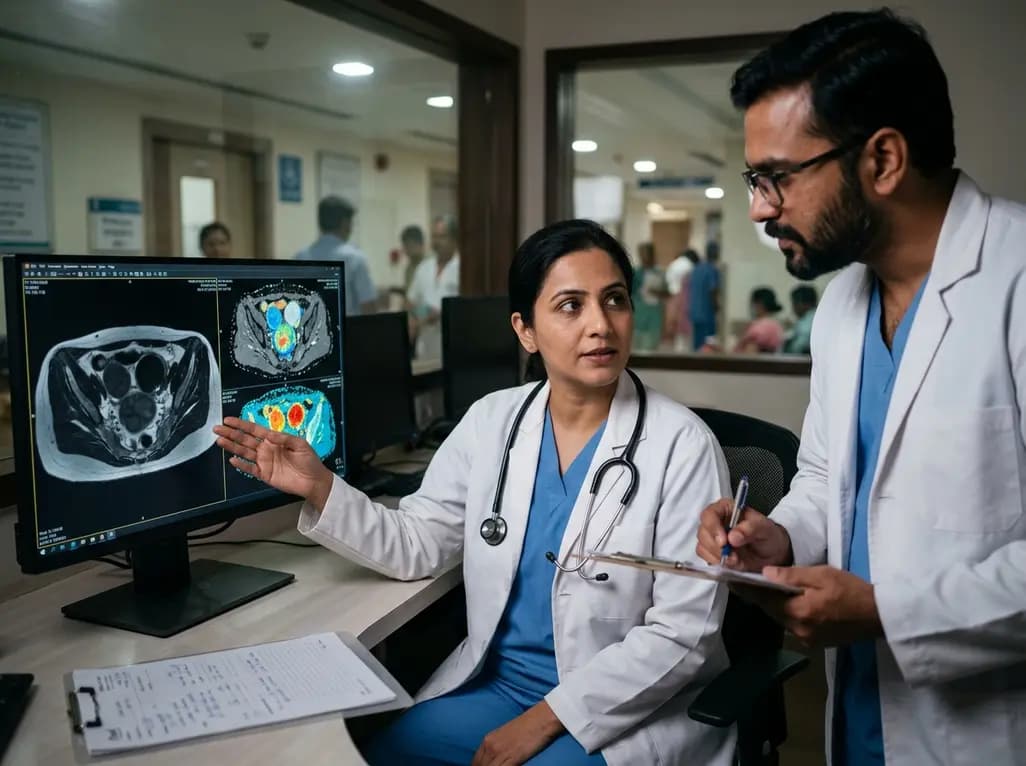
A multiparametric MRI approach combining quantitative T2 shading, apparent diffusion coefficient (ADC) measurements, and morphological signs provides superior diagnostic accuracy over subjective evaluation to differentiate ovarian endometriomas from benign hemorrhagic cysts.
Today
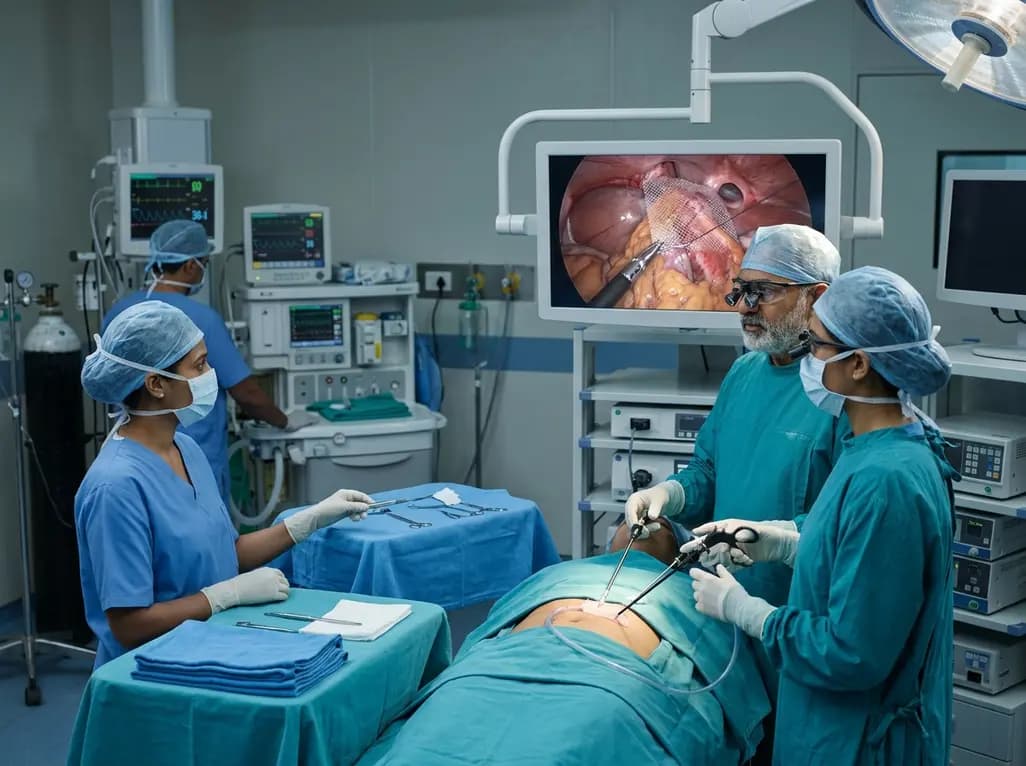
Discover a novel laparoscopic approach for iatrogenic diaphragmatic hernia repair following pedicled omentoplasty. This modified Sugarbaker technique integrates dorsal pedicle lateralization and round ligament reinforcement to secure the diaphragmatic defect while preserving vital omental vascularity.
Today
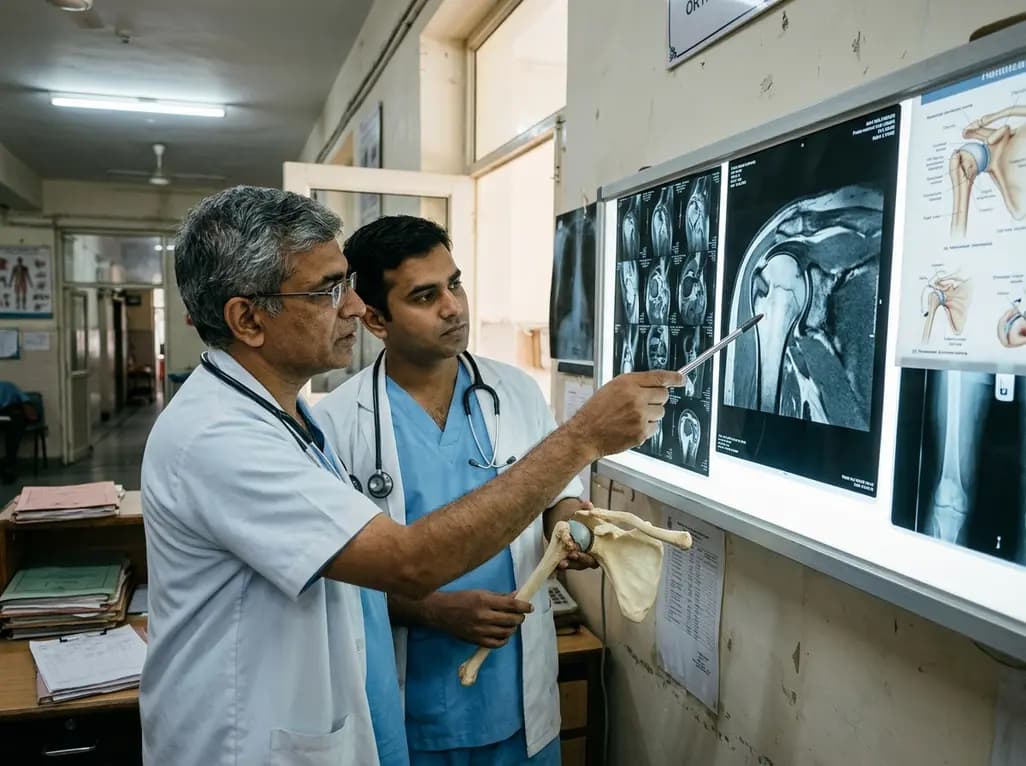
Evaluating Hill-Sachs lesion size and the distance to dislocation is critical in recurrent shoulder instability. As bone loss concepts shift from binary on-track classifications to continuous risk assessment, clinicians must identify when isolated Bankart repair is insufficient and supplementary procedures are needed.
Today
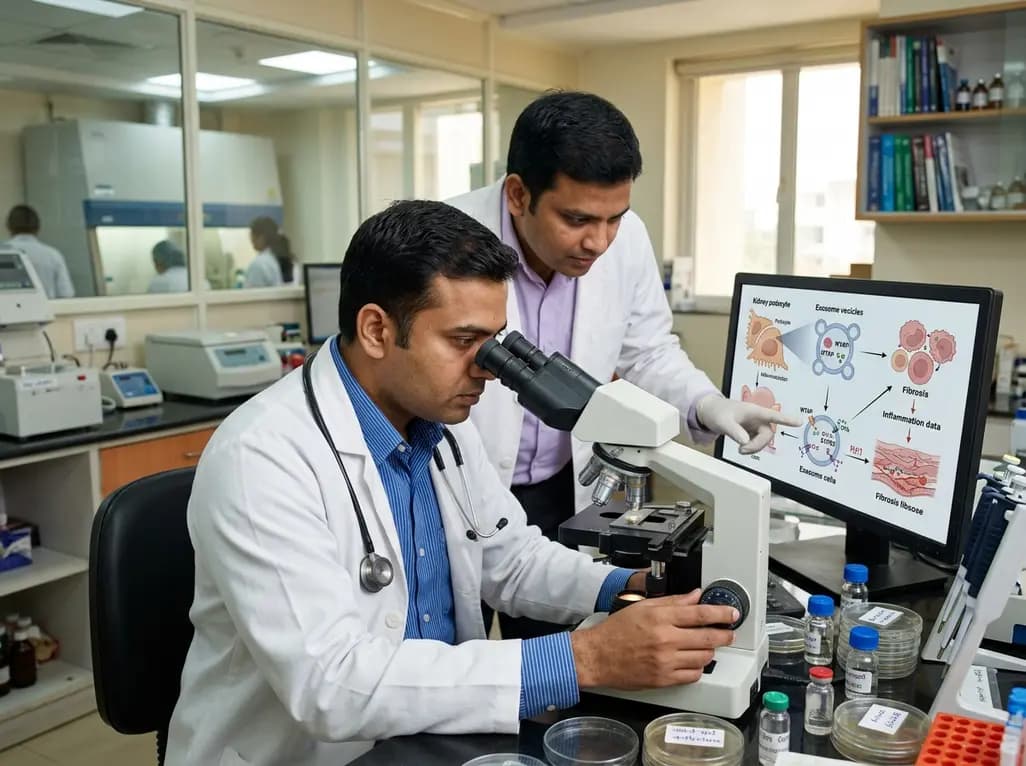
New research reveals that M1 macrophage-derived exosomes aggravate diabetic nephropathy by transferring WTAP to stabilize S1PR2 mRNA. Silencing WTAP in these vesicles attenuates endothelial injury and renal fibrosis, pointing toward innovative nanomedicine therapies.
Today
