

Loading, please wait...
Loading, please wait...

Cerebrovascular diseases remain a primary cause of disability and mortality worldwide, with unruptured intracranial lesions posing severe clinical challenges. Emerging research explores how remote microbial communities contribute to systemic endothelial damage and vascular instability. Specifically, modern genetic epidemiology connects oral microbial dysbiosis with intracranial arterial wall degradation. Recent evidence investigating the oral microbiome cerebral aneurysm axis highlights how specific commensal and pathogenic oral taxa directly influence arterial wall biology. By utilizing robust genetic tools, investigators can now clarify these complex pathways without the confounding factors commonly observed in observational studies.
Mendelian randomization acts as an effective analytical method to determine genuine disease etiology. Observational trials often face severe limitations, including reverse causation and lifestyle confounders such as smoking or socioeconomic status. In contrast, Mendelian randomization utilizes germline single-nucleotide polymorphisms as instrumental variables. Because meiosis randomly distributes these alleles before birth, they remain unaffected by subsequent environmental exposures or subclinical pathology. Therefore, this design functions similarly to an innate randomized controlled trial.
In this East Asian genome-wide dataset, investigators evaluated genetic variants associated with oral microbiota as exposures and intracranial aneurysms as outcomes. They applied the inverse-variance weighted approach as their primary statistical tool. Furthermore, researchers performed comprehensive sensitivity analyses, including weighted median estimators and Mendelian randomization pleiotropy tests. These analytical steps verified that horizontal pleiotropy did not skew the conclusions. Consequently, the study confirmed reliable causal relationships between specific oral microbial populations and the structural vulnerability of intracranial arteries.
The study yielded compelling results by separating the oral cavity into distinct niches, namely saliva and the tongue dorsum. In the saliva cohort, the authors identified causal associations between eleven oral microbial taxa and cerebral aneurysm risk. Notably, nine of these salivary taxa exhibited negative causal associations, suggesting potential protective vascular influences. Conversely, two distinct salivary microbes demonstrated positive causal associations, indicating an elevated risk for arterial wall thinning.
Similarly, the tongue dorsum microenvironment presented fifteen distinct causal relationships. Nine taxa displayed protective associations, whereas six microbes correlated with an increased risk of intracranial aneurysm formation. In addition, the investigators documented a critical bidirectional causal relationship involving the phylum Firmicutes. Specifically, inverse-variance weighted calculations confirmed that cerebral aneurysms also causally influence Firmicutes abundance. This bidirectional feedback suggests that vascular inflammatory changes can concurrently reshape oral microbial ecology. Thus, these data confirm that the oral-cerebral vascular connection is highly dynamic and bidirectional.
Oral dysbiosis actively influences systemic physiology through sustained inflammatory signaling and intermittent bacteremia. Routine actions such as mastication and tooth brushing permit periodontal bacteria to cross ulcerated sulcular epithelium. Once inside the systemic bloodstream, bacterial components like lipopolysaccharides interact with vascular endothelial Toll-like receptors. Consequently, this persistent interaction triggers vascular smooth muscle cell phenotypic modulation and apoptosis.
Furthermore, activated endothelial cells recruit circulating macrophages and neutrophils to the arterial wall. These infiltrating immune cells produce matrix metalloproteinases, particularly MMP-2 and MMP-9, which degrade collagen and elastin fibers within the internal elastic lamina. This enzymatic breakdown weakens cerebral arterial bifurcations, predisposing them to abnormal mechanical stretching under hemodynamic stress. In contrast, beneficial commensal bacteria may temper systemic inflammation by producing immunomodulatory short-chain fatty acids or suppressing virulent periodontal pathogens. Therefore, shifts in microbial community composition can either protect vascular walls or accelerate mural degradation.
These findings provide practical implications for multiple clinical specialties, particularly neurology, internal medicine, and dental surgery. Historically, clinicians viewed oral hygiene primarily as a localized concern affecting dentition and periodontium. However, these genetic data reinforce the reality that chronic periodontal pathology drives cerebrovascular vulnerability. Physicians managing patients with family histories of intracranial aneurysms or unruptured vascular lesions must incorporate oral assessments into routine clinical evaluations.
Similarly, dental surgeons should recognize that aggressive periodontal therapy does more than preserve teeth. Effective treatment reduces the systemic burden of circulating inflammatory mediators and circulating endotoxins. Interdisciplinary collaboration between primary care physicians and dental teams ensures early identification of severe oral dysbiosis. While prophylactic interventions require additional prospective validation, maintaining meticulous oral health represents an accessible, cost-effective lifestyle intervention. Thus, optimizing periodontal care should complement traditional cardiovascular risk factor management, including hypertension control and smoking cessation.
Although this study offers compelling genetic evidence, clinicians must contextualize its limitations. The primary genome-wide association data originated exclusively from cohorts of East Asian descent. Consequently, researchers cannot generalize these specific microbial effect sizes to Caucasian, African, or South Asian populations without further investigation. Diverse ancestral groups possess unique genetic backgrounds, distinct dietary habits, and different environmental exposures that actively shape the oral microbiome.
Moreover, future studies must transition from broad taxonomic classifications down to strain-specific pathogenic mechanisms. Investigators need to clarify how specific bacterial metabolites modulate cerebral vascular endothelial permeability in vivo. Longitudinal clinical cohorts should examine whether comprehensive periodontal debridement directly retards the growth or rupture rate of verified unruptured aneurysms. Therefore, international multi-ethnic consortia will prove essential to validate these findings and translate genetic discoveries into personalized clinical strategies.
Oral dysbiosis releases bacterial endotoxins and inflammatory cytokines into the systemic circulation. These mediators activate endothelial toll-like receptors, stimulate matrix metalloproteinase production, and trigger vascular smooth muscle cell apoptosis. Consequently, this enzymatic destruction degrades the arterial internal elastic lamina, promoting wall thinning and structural aneurysm formation.
The investigators identified a significant bidirectional causal relationship between the phylum Firmicutes and cerebral aneurysm formation. This finding indicates that while specific Firmicutes taxa can alter vascular integrity, the physiological stress and systemic inflammation associated with cerebral aneurysms concurrently shift the host oral microbiome composition.
While definitive clinical trials are ongoing, maintaining good oral hygiene remains a sensible, low-risk preventive recommendation. Controlling periodontitis significantly reduces circulating bacterial burdens and systemic vascular inflammation. Therefore, clinicians should advocate for routine dental evaluations alongside established vascular protective strategies, such as smoking cessation and blood pressure management.
Disclaimer: This content is for informational and educational purposes only. It does not constitute medical advice, diagnosis, or treatment recommendations. Clinical decisions should be guided by qualified healthcare professionals based on individual patient circumstances and relevant clinical guidelines. Refer to the latest local and national guidelines for clinical practice.
References
Su C et al. A mendelian randomization study investigates the causal relationship between oral microbiome and cerebral aneurysm in East Asian population. Clin Neurol Neurosurg. 2026 Aug. doi: 10.1016/j.clineuro.2026.109453. PMID: 42066682.
Frösen J, Bhogal P. Inflammation in Aneurysmal Subarachnoid Hemorrhage: Cause, Consequence, or Both? Focus on Pathogen Pattern Recognition. Stroke. 2026 May. doi: 10.1161/STROKEAHA.125.045678.
Pessi T et al. The connection between ruptured cerebral aneurysms and odontogenic bacteria. J Neurol Neurosurg Psychiatry. 2013;84(11):1214-1218. doi: 10.1136/jnnp-2012-304618.

Read summarized clinical updates, watch expert medical content, and earn CME certifications right from your smartphone.
Open your smartphone camera to scan and install.





A novel Mendelian randomization study reveals causal relationships between oral microbiota and cerebral aneurysm pathogenesis in East Asian populations. These findings highlight distinct site-specific microbial influences, offering fresh perspectives on cerebrovascular integrity and preventive clinical care.
Today

A large UK cohort study of over 3.9 million patients found no substantive difference in the risk of peripheral neuropathy between systemic fluoroquinolones and cephalosporins, providing clinical reassurance while affirming known risks such as tendon rupture.
Today
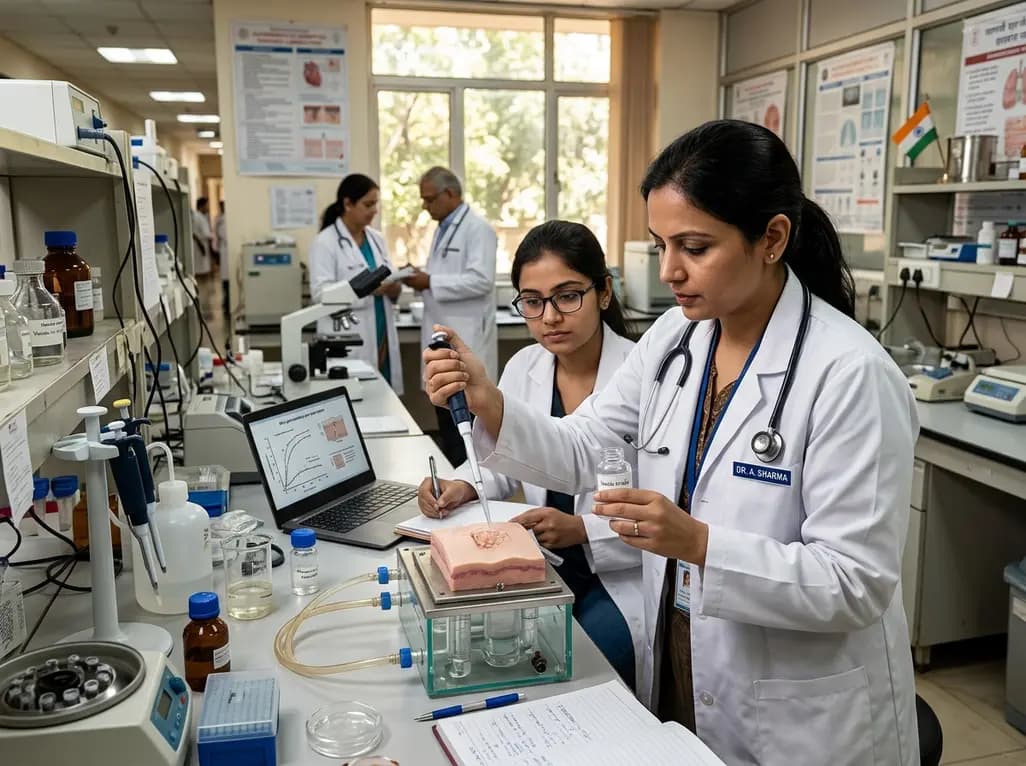
A novel high-permeation vesicle-in-gel platform enhances transdermal fulvestrant delivery, achieving sustained release, robust intradermal retention, and superior antitumor efficacy in breast cancer models while circumventing the drawbacks of painful intramuscular depot injections.
Today

A recent study highlights the utility of measuring cardiac effort after surgery. In older, frail individuals undergoing cardiac surgery, combining continuous ECG with the six-minute walk test provides vital physiologic insights, demonstrating that heart rate responses mirror cycle ergometry.
Today
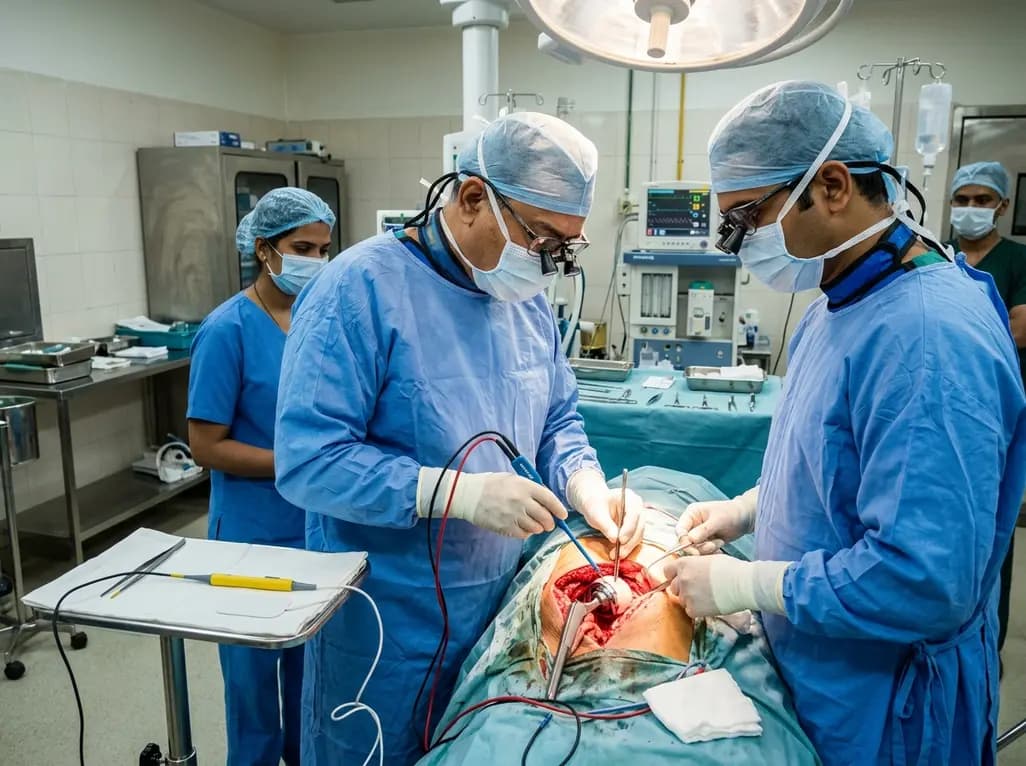
A systematic review and meta-analysis of 8 RCTs evaluated bipolar versus monopolar electrocautery in primary total hip and knee arthroplasty. Pooled data revealed no significant differences in haemoglobin drop, blood loss, or length of stay, concluding that routine bipolar electrocautery is not supported.
Yesterday

A critical review evaluates whether starch-polyphenol complexes meet structural and metabolic criteria to qualify as type 5 resistant starch. The proposed tiered evidence framework distinguishes true inclusion complexes from simple mixtures, clarifying mechanisms for glycemic modulation and gut fermentation.
Today
