.webp&w=384&q=75)

Loading, please wait...
Loading, please wait...

Effective relief from complex cancer-related pain remains one of the most critical challenges in contemporary oncology and palliative medicine. Although modern pharmacological and interventional modalities have advanced significantly, many patients experience persistent pain and functional impairment. Consequently, structured multidisciplinary collaborative models have emerged to bridge therapeutic gaps and optimize supportive patient care.
Cancer pain affects a substantial proportion of patients across all tumor stages, severely compromising physical function and emotional well-being. Despite widespread dissemination of the World Health Organization analgesic ladder, inadequate pain control persists in real-world clinical practice. Furthermore, complex pain presentations frequently involve mixed nociceptive, neuropathic, and inflammatory mechanisms that single-specialty interventions struggle to control. Therefore, healthcare teams must address both tumor-directed pathology and underlying neurobiological alterations simultaneously. When clinical teams overlook these intricate pain pathways, patients often suffer from escalating symptom distress and progressive functional decline. In addition, uncoordinated analgesic prescribing can precipitate intolerable adverse effects and reduce overall compliance with vital antineoplastic therapies. Structured multidisciplinary care pathways offer an integrated mechanism to address these multifaceted therapeutic challenges systematically.
A specialized multidisciplinary cancer pain committee brings together oncologists, pain medicine specialists, palliative care clinicians, clinical pharmacists, and oncology nurses. By establishing regular case discussions, the committee conducts comprehensive evaluations of patients facing refractory or complex pain syndromes. Consequently, this collaborative approach enables timely cross-specialty communication, minimizing therapeutic delays and conflicting clinical instructions. Moreover, the committee formulates individualized management plans that harmonize systemic disease management with multimodal analgesic strategies. These coordinated strategies incorporate adjuvant analgesics, targeted interventional nerve blocks, neuromodulation techniques, and psychological support interventions. Furthermore, regular committee meetings provide a reliable governance platform for standardizing prescribing protocols and ensuring patient safety across diverse clinical departments.
To evaluate real-world effectiveness, investigators designed a prospective, single-center, longitudinal observational pre-post study conducted within a tertiary university hospital. The research team will consecutively enroll 68 adult oncology patients presenting with persistent pain who receive referrals to the multidisciplinary cancer pain management committee. Importantly, researchers collect clinical and patient-reported parameters at baseline before committee review and re-evaluate them at 60 days following multidisciplinary assessment. The primary clinical outcome measure focuses on quantifying changes in pain intensity utilizing the validated Visual Analog Scale. Additionally, the study evaluates statistical differences between baseline and post-intervention scores using paired two-tailed t-tests or Wilcoxon signed-rank tests depending on data distribution normality.
Beyond measuring absolute pain intensity reductions, modern pain science emphasizes comprehensive functional recovery and holistic patient experience. Thus, the study protocol integrates secondary outcome measures evaluating pain interference in daily living using the Brief Pain Inventory-Short Form. In addition, health-related quality of life is rigorously measured across multiple physical and psychological domains using the EQ-5D instrument. Tracking patient-reported outcome measures ensures that pain reduction translates directly into tangible functional gains and improved vitality. Furthermore, the protocol evaluates patient-reported experience measures, including overall satisfaction and treatment perception, through standardized Likert scoring systems. By documenting patient voices, the study illuminates the broader psychosocial benefits of coordinated interdisciplinary cancer care.
Balancing effective analgesia with safety requires strict monitoring of daily opioid consumption and treatment-related toxicities. Under uncoordinated care models, escalating opioid dosages frequently cause severe constipation, sedation, cognitive clouding, and opioid-induced hyperalgesia. Conversely, a multidisciplinary committee implements opioid stewardship by integrating co-analgesics, regional anesthetic techniques, and non-pharmacological interventions to reduce total opioid requirements. Furthermore, systematic pre-post tracking of adverse events enables early identification and proactive management of medication-induced toxicities. Consequently, patients achieve superior analgesia with lower cumulative drug burdens and fewer emergency presentations. Ultimately, establishing structured multidisciplinary review mechanisms represents an essential strategy for delivering safe, high-value, and compassionate oncological pain management.
Researchers utilize the Visual Analog Scale to evaluate primary pain intensity. Additionally, clinicians incorporate the Brief Pain Inventory-Short Form to quantify pain interference with daily activities, sleep, and emotional wellbeing. They also administer the EQ-5D questionnaire to measure changes in general health-related quality of life, alongside standardized Likert scales capturing patient satisfaction and clinical experiences.
The multidisciplinary committee facilitates comprehensive reviews by oncologists, pain specialists, and pharmacists to establish individualized multimodal analgesic regimens. By introducing neuropathic co-analgesics, interventional regional blocks, and non-pharmacological therapies, the team reduces reliance on escalating opioid doses. Consequently, this coordinated approach achieves superior analgesia while mitigating opioid-related adverse effects and dependence risks.
Patient-reported experience measures offer crucial insights into how patients perceive communication, coordination, and empathy throughout their treatment journey. While clinical metrics capture physical pain reduction, experience measures reveal whether interdisciplinary interventions genuinely address emotional distress and care expectations. Therefore, tracking these measures enables oncology teams to refine supportive care pathways and improve patient-centered clinical practice.
Disclaimer: This content is for informational and educational purposes only and should not be considered medical advice. Always consult a qualified healthcare professional regarding any medical condition or treatment. Refer to the latest local and national guidelines for clinical practice.
References
Amate Pena JJ et al. Clinical and Patient-Reported Outcomes Following Multidisciplinary Management of Cancer-Related Pain: Protocol for a Prospective Observational Pre-Post Study. JMIR Res Protoc. 2026 Aug 27. doi: 10.2196/92566. PMID: 42659650.
Fallon M, Giusti R, Aielli F, et al. Management of cancer pain in adult patients: ESMO Clinical Practice Guidelines. Ann Oncol. 2018;29(Suppl 4):iv166-iv191.
Cleeland CS, Ryan KM. Pain assessment: global use of the Brief Pain Inventory. Ann Acad Med Singap. 1994;23(2):129-138.

Read summarized clinical updates, watch expert medical content, and earn CME certifications right from your smartphone.
Open your smartphone camera to scan and install.





Cancer-related pain remains a debilitating challenge requiring comprehensive care. This prospective pre-post study protocol evaluates how a dedicated multidisciplinary cancer pain committee enhances pain control, quality of life, opioid stewardship, and patient satisfaction in routine clinical practice.
last month
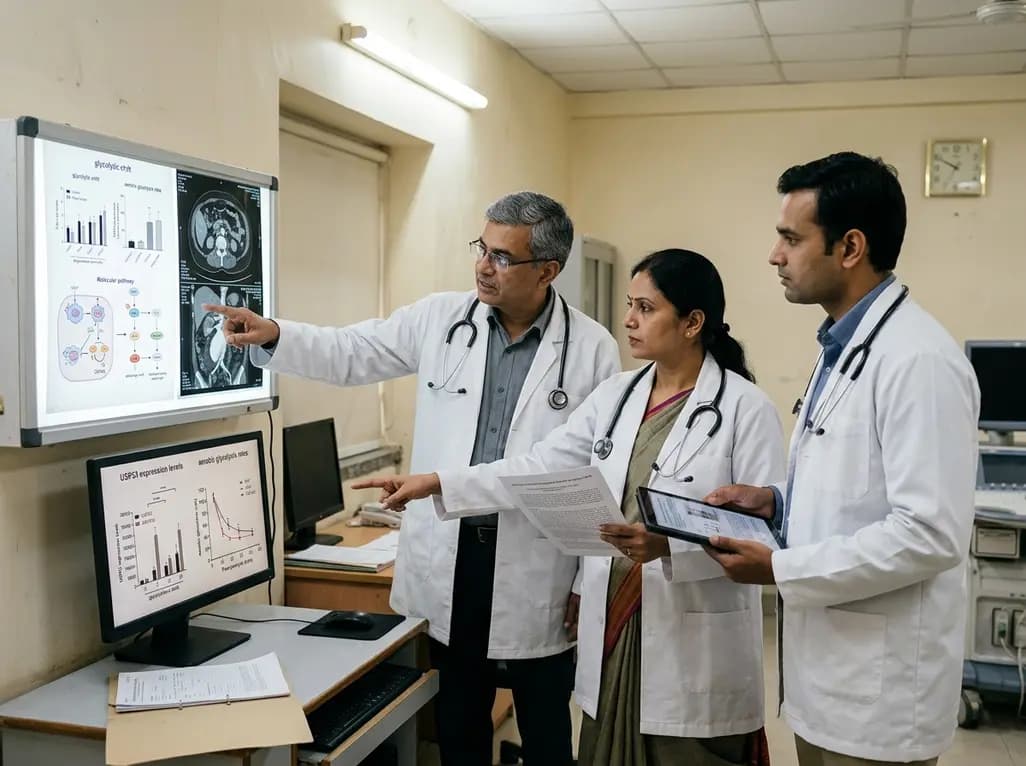
Abdominal aortic aneurysm rupture remains a catastrophic vascular emergency. Groundbreaking research reveals that USP53 accelerates aneurysm progression by reprogramming smooth muscle cell metabolism toward aerobic glycolysis, highlighting a promising target beyond conventional diameter-based surveillance.
Today

A pharmacometric and machine learning study reveals that specific vaginal bacteria alter cervical antiretroviral exposure, highlighting the need for precision HIV PrEP strategies.
Today

A nationwide Swedish cohort study shows oral glucocorticoid exposure over 1-2 years strongly predicts overall organ damage in SLE, while cardiovascular risk reflects cumulative doses across 3 years. These findings reinforce early steroid minimization and cautious long-term maintenance.
Today
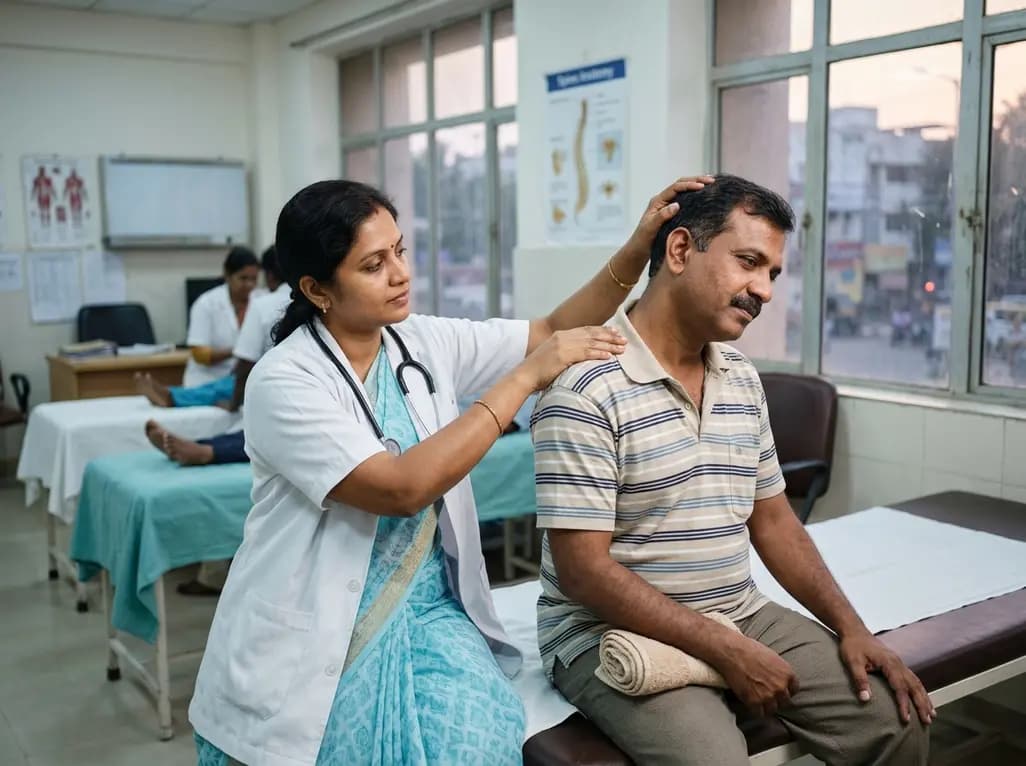
A scoping review highlights neural mobilization as a promising adjunct in managing cervicogenic headache. Integrating neurodynamics into multimodal physical therapy improves pain, range of motion, and posture, though standardized protocols and larger clinical trials are still needed.
Today
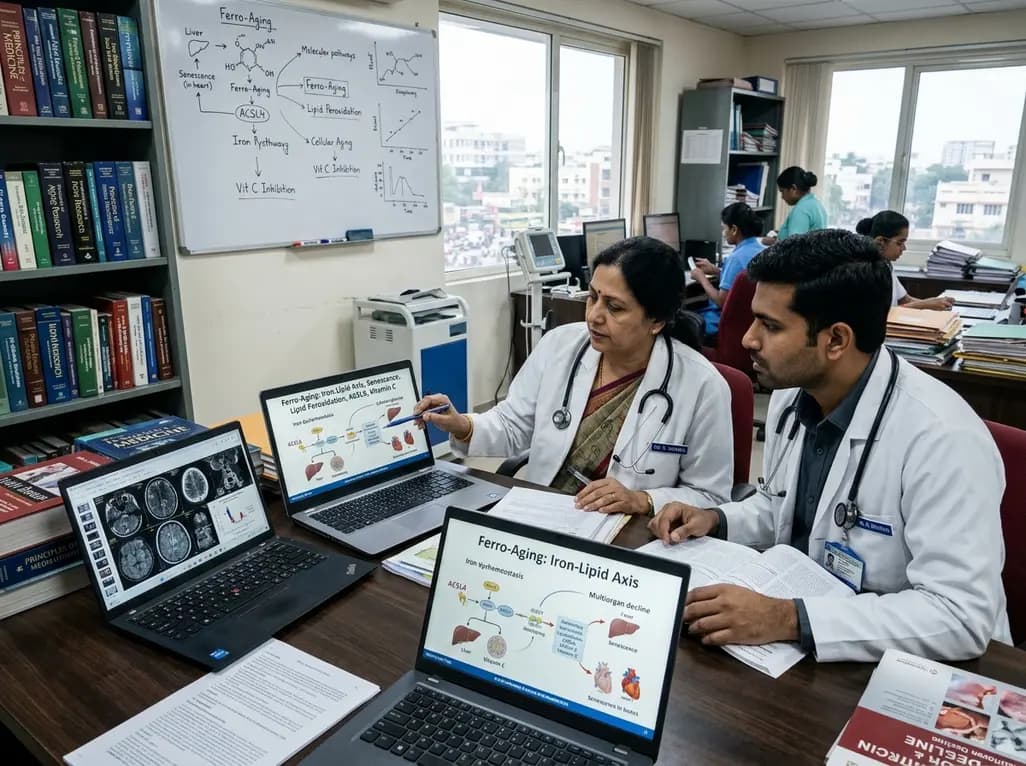
Recent research defines ferro-aging as a conserved iron-lipid axis driving organ decline across primates. Age-related iron dyshomeostasis stimulates ACSL4-mediated lipid peroxidation, promoting cellular senescence. Notably, vitamin C directly inhibits ACSL4, suppressing phospholipid oxidation and multi-organ decay.
Today
