

Loading, please wait...
Loading, please wait...
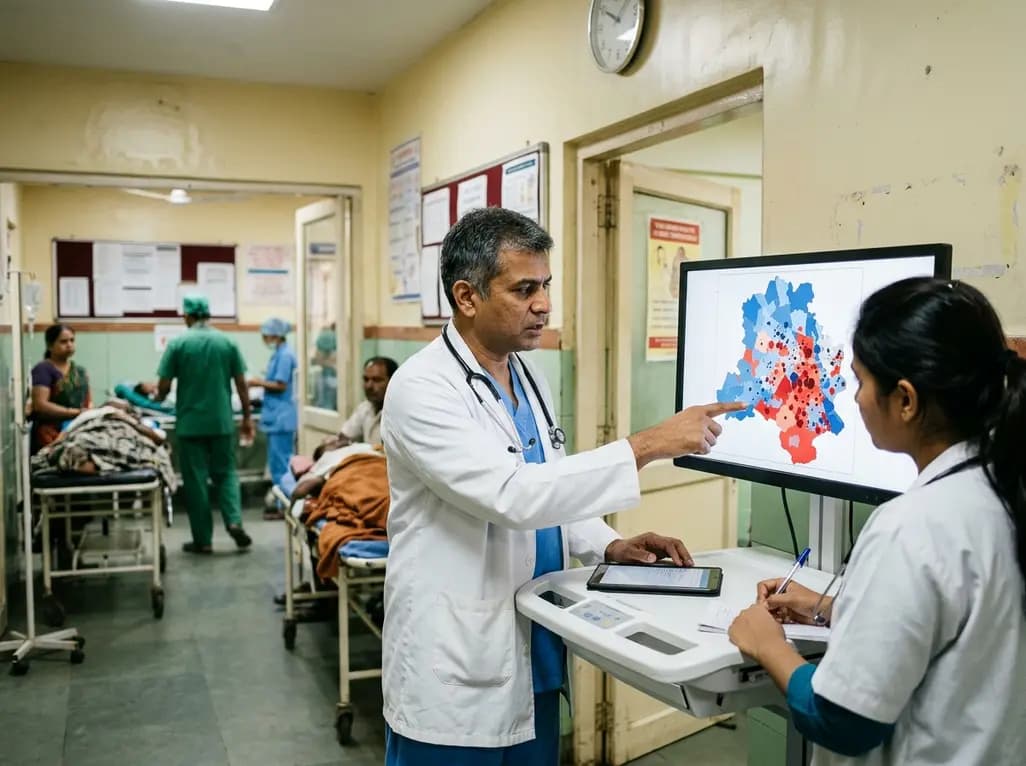
Trauma systems have historically evaluated post-injury risk using physiological scores and anatomical injury indices. However, emerging clinical evidence underscores that place-based socioeconomic vulnerability plays a crucial role in shaping acute survival. A breakthrough geospatial study demonstrates that neighborhood deprivation directly increases trauma in-hospital mortality. When acute care clinicians admit severely injured individuals, biological resilience and underlying physiological reserve dictate clinical outcomes. Consequently, patients who reside in socially and economically deprived environments face silent, cumulative biological disadvantages. The Multidimensional Poverty Index captures these overlapping disadvantages by evaluating deprivations in education, employment conditions, housing infrastructure, nutrition, and basic service access. Rather than assessing individual monetary income alone, this multidimensional score reflects the overall community ecosystem where a patient lives. Furthermore, living in high-deprivation areas frequently correlates with chronic allostatic stress, delayed pre-hospital transport, and untreated medical comorbidities. Therefore, trauma specialists must recognize that clinical recovery depends not only on surgical damage control but also on contextual social determinants. Evaluating geospatial deprivation provides critical prognostic insight that routine physiological triage tools overlook.
To evaluate contextual deprivation rigorously, investigators conducted a retrospective observational cohort study with a detailed geospatial design. The investigation evaluated patients sustaining either blunt or penetrating trauma treated between 2012 and 2022 across two referral trauma centers. Researchers established census-block-level Multidimensional Poverty Index scores as the primary exposure variable. Specifically, they geocoded each patient residential address using official territorial cartographic sources. Out of 20,369 eligible trauma patients, 15,045 resided within the metropolitan study borders. From this municipal population, researchers successfully linked 3,169 individuals directly to validated census-block deprivation data. Investigators designated all-cause in-hospital mortality as the primary clinical outcome. In addition, the research team employed multivariable logistic regression to adjust for essential confounders. These covariates included patient age, sex, physiological vitals on arrival, Glasgow Coma Scale, and anatomical injury severity scores. Importantly, adjusting for these comprehensive parameters ensured that the observed outcomes reflected contextual poverty rather than underlying injury severity differences. Consequently, this sophisticated geospatial architecture provided an objective, location-specific lens to scrutinize healthcare disparities.
The analytical cohort revealed an overall in-hospital mortality rate of 5.8 percent, accounting for 184 patient deaths among 3,169 admissions. Crucially, the spatial analysis demonstrated substantial socioeconomic divergence between non-survivors and surviving patients. Deceased patients presented with a median Multidimensional Poverty Index of 8.95 percentage points, with an interquartile range of 1.10 to 17.32. In contrast, surviving patients exhibited a significantly lower median index of 6.20 percentage points, with an interquartile range of 0.00 to 15.30. This difference reached statistical significance with a p-value of 0.013. Moreover, multivariable logistic regression confirmed that contextual poverty independently predicted fatal outcomes. Each 10-percentage-point increase in neighborhood Multidimensional Poverty Index was associated with a 22 percent increase in the odds of in-hospital death. This adjusted odds ratio remained robust at 1.22, with a 95 percent confidence interval spanning 1.05 to 1.41. Furthermore, the statistical association held true across both blunt and penetrating trauma mechanisms. Consequently, these definitive findings prove that structural deprivation significantly impedes survival during acute hospitalization.
Several interconnected biological and operational mechanisms explain why neighborhood deprivation escalates trauma fatality. First, individuals living in chronically impoverished settings experience persistent environmental stress that induces allostatic load. This neuroendocrine wear-and-tear blunts immune regulation and promotes systemic endothelial dysfunction before any trauma occurs. Consequently, when acute mechanical trauma strikes, these individuals display dysregulated systemic inflammatory responses and accelerate toward early multi-organ failure. In addition, populations from underserved neighborhoods suffer higher rates of poorly controlled chronic comorbidities, including diabetes, hypertension, and subclinical malnutrition. Because these patients lack consistent primary healthcare, their physiological reserves remain depleted during surgical hemorrhage or intensive resuscitation. Furthermore, infrastructural deficits in deprived neighborhoods frequently prolong emergency medical response times and delay hospital transport. Prolonged pre-hospital transit worsens acute tissue hypoperfusion, profound acidosis, and trauma-induced coagulopathy prior to emergency department arrival. Thus, chronic baseline physiological exhaustion combines with delayed definitive care to drive preventable mortality in surgical intensive care units.
These international geospatial findings provide vital lessons for clinicians and trauma system administrators practicing across India. In India, rapid urbanization and pronounced socioeconomic disparities create stark spatial contrasts in health outcomes. Patients arriving at public tertiary hospitals frequently hail from under-resourced informal settlements or remote rural blocks. Consequently, these individuals carry substantial multidimensional deprivations, including poor living environments, limited clean water, and absent preventative healthcare. Indian emergency physicians and trauma surgeons often witness high post-injury sepsis rates and prolonged ventilation requirements in these vulnerable cohorts. Moreover, pre-hospital ambulance coverage remains heterogeneous across Indian states, frequently creating severe transit delays for rural and slum communities. By adopting geospatial mapping techniques, Indian state healthcare authorities can identify high-risk deprivation zones and position emergency response fleets strategically. Furthermore, regional trauma registries should incorporate validated social vulnerability indices to identify high-risk admissions early. Implementing aggressive early nutritional support and proactive multidisciplinary care for socially vulnerable patients can bridge survival gaps in Indian healthcare facilities.
Mitigating the lethal impact of contextual poverty requires decisive clinical restructuring within hospitals and across healthcare networks. Acute trauma centers should embed geospatial vulnerability indicators into electronic health records and admission workflows. When admitting teams identify patients from high-deprivation census blocks, they can initiate targeted clinical bundles immediately. Specifically, these bundles should include early critical care consultation, specialized wound care monitoring, and proactive clinical nutrition protocols. Furthermore, trauma multidisciplinary teams must integrate clinical social workers and case managers from the first day of admission. These professionals can identify financial barriers to medication adherence, rehabilitation needs, and safe discharge environments. At the health policy level, trauma networks must prioritize regionalized trauma systems that guarantee equitable access to specialized surgical care. In addition, community-level public health programs must deliver trauma prevention education and basic hemorrhage control training in socioeconomically marginalized neighborhoods. Ultimately, addressing structural inequalities alongside surgical precision offers the most effective roadmap to reduce preventable trauma mortality.
The Multidimensional Poverty Index measures simultaneous acute deprivations that individuals experience across education, employment, housing conditions, health access, and essential community utilities. In trauma research, investigators use geospatial geocoding to assign neighborhood-level index scores to patient residential addresses. Consequently, this analytical approach allows clinicians to assess how chronic community-level deprivation independently influences in-hospital complications and acute trauma survival beyond standard anatomical and physiological injury scores.
Contextual poverty elevates trauma mortality through complex biological, social, and structural mechanisms. Chronic socioeconomic stress creates allostatic overload, which impairs immune response and inflammatory regulation after trauma. Additionally, individuals from impoverished neighborhoods often suffer from untreated chronic medical conditions and nutritional deficits that restrict physiological reserves. Furthermore, delayed pre-hospital transit times and limited community primary healthcare exacerbate tissue hypoxemia, ultimately compounding post-injury organ failure risks in critical care.
Indian trauma centers can apply geospatial insights by integrating neighborhood vulnerability markers into trauma registry systems and triage pathways. Identifying high-risk geographic areas helps administrators reposition pre-hospital emergency ambulances to shorten transport times. Furthermore, clinicians can deploy aggressive inpatient surveillance, early multidisciplinary nutritional support, and tailored critical care monitoring for injured patients coming from severely deprived urban or rural localities to reduce preventable in-hospital mortality.
Disclaimer: This content is for informational and educational purposes only and does not constitute formal medical or legal advice. Clinical decisions must always rely on individual patient evaluation, institutional protocols, and multidisciplinary consensus. Refer to the latest local and national guidelines for clinical practice.
References

Read summarized clinical updates, watch expert medical content, and earn CME certifications right from your smartphone.
Open your smartphone camera to scan and install.





A 10-year geospatial analysis reveals that contextual multidimensional poverty independently increases trauma in-hospital mortality. Each 10-point rise in census-block Multidimensional Poverty Index elevated the odds of death by 22%, demonstrating that neighborhood disadvantage directly impacts acute injury survival.
Today

A recent experimental study demonstrates that pre-challenge montelukast administration attenuates food-allergic responses and reduces colonic eosinophilic inflammation, providing valuable insights into leukotriene-mediated pathways in gastrointestinal allergic disorders.
Today
A single-center study evaluates fetal shunt placement in twin gestations with severe lung lesions or bladder outlet obstruction. Findings demonstrate an 85.7% 30-day survival rate in treated fetuses and 100% survival among unaffected co-twins, showing that experienced centers can perform the procedure safely.
Today

A new scoping review and expert consensus establish a concise 16-measure performance bundle for hospital cardiology services. Covering clinical processes, outcomes, patient-reported experiences, and structural factors, this framework advances value-based cardiovascular care under universal health coverage.
Today

A paired cadaveric study compared triple and quintuple percutaneous Achilles tendon lengthening. While quintuple hemisection showed numerically greater elongation, differences were not statistically significant.
Today
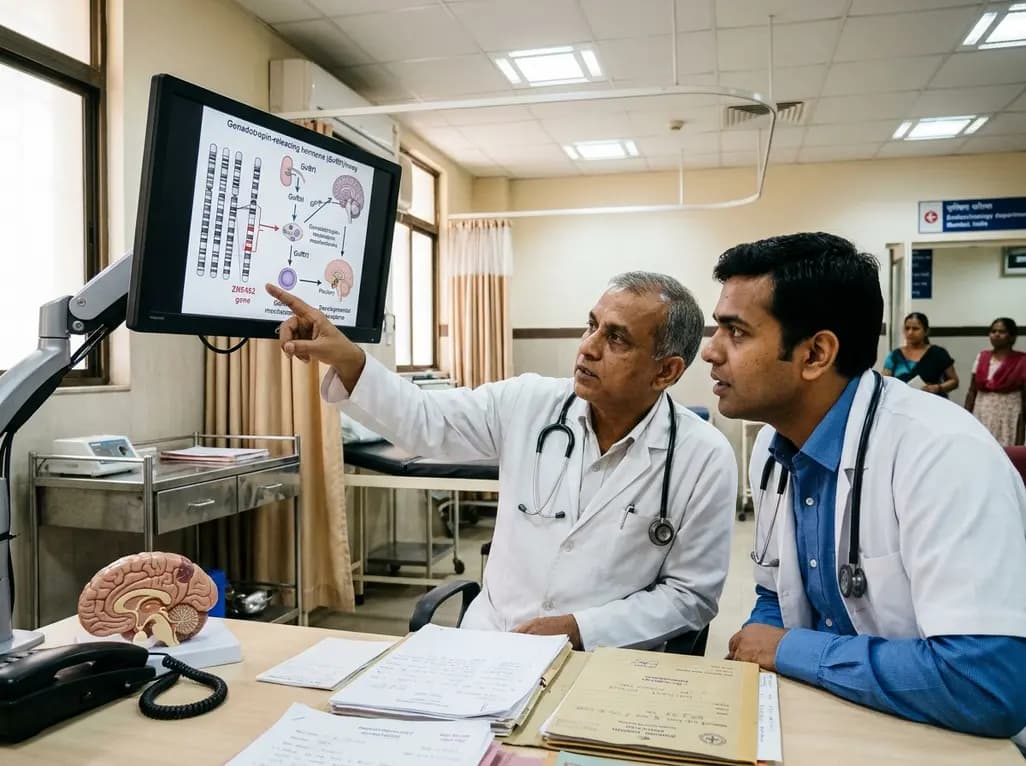
New research links de novo truncating variants in ZNF462 to congenital hypogonadotropic hypogonadism and Kallmann syndrome in Weiss-Kruszka syndrome. These findings reveal critical neurodevelopmental and epigenetic mechanisms governing GnRH neuron deficiency, offering new diagnostic clarity for clinicians.
Today
