

Loading, please wait...
Loading, please wait...
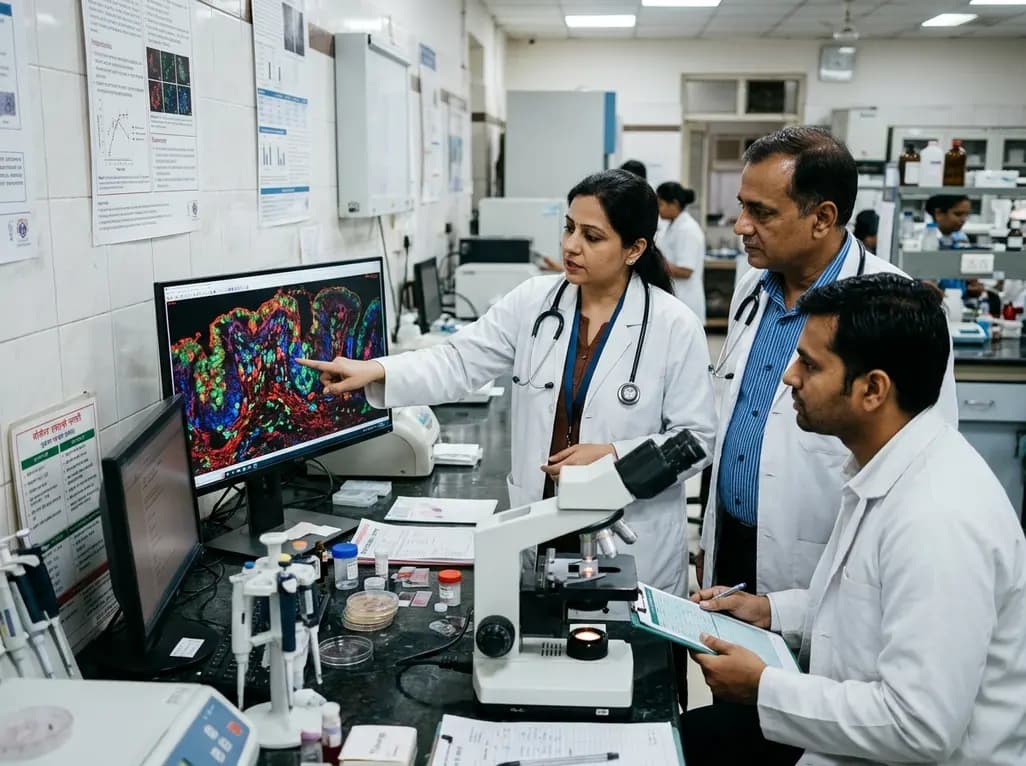
Mucosal surfaces constantly encounter diverse environmental antigens, commensal microbes, and opportunistic airborne and enteric pathogens. Recent immunological investigations reveal that mucosal trained immunity operates far beyond classic immune cells. Traditionally, immunologists believed that trained immunity resided almost exclusively within circulating myeloid cells and bone marrow hematopoietic stem cells. However, mucosal tissues coordinate a far more intricate defense strategy. These exposed barrier interfaces harbor diverse, long-lived resident leukocytes that interact directly with surrounding structural cells and regional nerves. Furthermore, this dynamic cellular dialogue establishes an integrated tissue network capable of remembering past inflammatory encounters. Consequently, barrier tissues mount tailored defenses when re-exposed to homologous or heterologous insults.
Historically, scientists characterized innate immune memory as a property restricted to bone marrow progenitors and circulating monocytes. When exposed to microbial ligands, these progenitor cells undergo long-term epigenetic rewiring. Consequently, newly generated monocytes exhibit heightened protective responses upon subsequent pathogen challenge. However, mucosal barrier sites, such as the respiratory tree and gastrointestinal tract, present unique biological conditions. These tissues must balance rapid antimicrobial responses with sustained immunological tolerance toward harmless commensals. Therefore, reliance solely on centrally trained monocytes from bone marrow proves insufficient for localized tissue defense. Instead, localized mucosal networks possess autonomous mechanisms to remember prior exposures. Tissue-resident alveolar macrophages, mucosal dendritic cells, and innate lymphoid cells remain embedded within tissues for months or years. In addition, these resident immune cells continuously sense local microbial metabolites and inflammatory cytokines. As a result, they acquire enduring metabolic changes that alter their subsequent inflammatory behavior. Ultimately, this local adaptation demonstrates that mucosal tissues do not merely passively receive systemic instructions. Rather, they actively generate and preserve innate immune memory within their own unique anatomical boundaries. This tissue-autonomous capacity ensures swift, site-specific protection during repeated environmental encounters.
Barrier integrity depends fundamentally on the continuous renewal of the epithelial lining. Interestingly, epithelial stem cells do not simply act as inert structural bricks during mucosal defense. Emerging research indicates that these progenitor cells record environmental insults through persistent chromatin alterations. For example, during acute bacterial or viral infections, epithelial progenitors encounter potent inflammatory mediators such as interferon-gamma and interleukin-22. In response, specific regulatory chromatin regions open and remain accessible long after the initial infection resolves. Consequently, when a secondary challenge occurs, these primed epithelial cells rapidly accelerate transcriptional activation. They swiftly produce antimicrobial peptides, chemokines, and tight junction proteins to repel invading pathogens. Moreover, because epithelial stem cells give rise to mature differentiated progeny, they transmit this epigenetic memory down the cellular lineage. Thus, regenerated mucosal surfaces display superior barrier resilience against recurring insults. However, this heightened responsiveness carries a hidden cost. Persistent epigenetic memory within epithelial cells can foster chronic inflammatory states if regulatory mechanisms fail. Clinicians observe this phenomenon in conditions such as chronic rhinosinusitis and inflammatory bowel disease, where the barrier remains chronically hyper-reactive. Consequently, unravelling epithelial memory mechanisms provides crucial therapeutic targets for recurring mucosal pathology.
Beyond the epithelium, the underlying mucosal stroma plays a decisive role in sustaining tissue homeostasis. Mesenchymal stromal cells and fibroblasts build the structural architecture of the lamina propria. However, these cells also function as active immune regulators rather than mere scaffold providers. When exposed to sustained inflammatory triggers, mucosal fibroblasts rewire their intracellular metabolic pathways. Specifically, they upregulate aerobic glycolysis and alter tricarboxylic acid cycle intermediates to fuel cytokine synthesis. Furthermore, epigenetic remodeling keeps inflammatory genes, including interleukin-6 and various chemokines, in a poised state. Therefore, subsequent microbial or sterile injuries trigger exaggerated stromal mediator release. In addition, primed stromal cells secrete specialized growth factors and extracellular matrix proteins that remodel the surrounding tissue architecture. This biochemical remodeling directly modifies the survival niche for resident innate leukocytes. For instance, trained fibroblasts produce persistent chemokine gradients that recruit circulating monocytes into inflamed mucosal compartments. Consequently, stromal memory sustains local immune vigilance long after pathogen clearance. Nevertheless, excessive stromal priming can drive pathological tissue fibrosis, stricture formation, and permanent mucosal architecture distortion in chronic inflammatory diseases. Thus, stromal reprogramming represents a double-edged sword in barrier longevity.
Mucosal tissues feature an extensive network of sensory neurons that interface intimately with immune and non-immune cells. Remarkably, these peripheral neuronal circuits also participate actively in encoding long-term tissue memory. Sensory neurons rapidly detect bacterial toxins, inflammatory cytokines, and pathogen-associated molecules. Upon initial stimulation, nociceptors release neuropeptides, such as substance P and calcitonin gene-related peptide. Subsequently, these neuropeptides alter the activation thresholds of adjacent mast cells, macrophages, and dendritic cells. In addition, recurrent noxious stimulation lowers neuronal firing thresholds, creating a state of sustained peripheral sensitization. Therefore, sensory nerves respond more vigorously to subsequent low-grade inflammatory encounters. Furthermore, this neuro-immune axis coordinates closely with local autonomic fibers that regulate mucosal blood flow, mucus secretion, and barrier permeability. As a result, the nervous system acts as an overarching communication web that synchronizes cellular responses across the tissue. When researchers analyze mucosal trained immunity through this ecological framework, they recognize that memory is truly distributed. Memory does not reside in a single cell type. Instead, it emerges from cooperative interactions among epithelial cells, stromal fibroblasts, sensory neurons, and resident immune populations within their microenvironmental niche.
Understanding the distributed nature of mucosal memory opens promising avenues for clinical therapeutics and vaccine design. Traditionally, systemic parenteral vaccines primarily stimulate circulating antibodies and adaptive T cell responses. However, systemic vaccines often fail to induce robust, long-lasting mucosal protection against respiratory and enteric pathogens. In contrast, mucosal vaccines can prime local epithelial and innate immune compartments directly. For example, aerosolized or oral formulations can harness mucosal trained immunity to confer broad heterologous protection against diverse emerging variants. Furthermore, this paradigm offers new explanations for refractory chronic inflammatory disorders. In conditions like ulcerative colitis, Crohn's disease, and refractory asthma, maladaptive mucosal memory may drive ongoing tissue injury. Even after clinicians suppress active systemic inflammation with biologic agents, trained local stromal and epithelial cells may perpetuate disease flare-ups. Therefore, future therapeutic strategies must aim beyond systemic immunosuppression. Targeting maladaptive epigenetic marks within tissue niches could erase pathological memory and restore true mucosal tolerance. Ultimately, deciphering the multi-cellular architecture of mucosal trained immunity equips physicians with fresh diagnostic and therapeutic targets across infectious diseases, gastroenterology, and respiratory medicine.
Adaptive immune memory relies on antigen-specific receptor rearrangement in B and T lymphocytes, producing monoclonal antibodies and memory cells. In contrast, mucosal trained immunity operates through non-specific epigenetic and metabolic reprogramming within innate leukocytes, epithelial cells, and stromal fibroblasts. Furthermore, mucosal memory does not require gene recombination. Instead, it enables barrier cells to respond more vigorously to secondary heterologous challenges, providing broad cross-protection against unrelated pathogens throughout the mucosal surface.
Yes, maladaptive mucosal trained immunity can promote chronic mucosal inflammation. When intestinal epithelial stem cells and stromal fibroblasts encounter repeated microbial insults, they acquire persistent epigenetic modifications that lock them into a hyper-responsive state. Consequently, these structural cells continuously release chemokines and pro-inflammatory cytokines even after the primary pathogen clears. Furthermore, this chronic priming impairs barrier restoration, recruits continuous inflammatory infiltrates, and sustains relapsing flare-ups in conditions like Crohn's disease and ulcerative colitis.
Targeting mucosal trained immunity offers two major therapeutic opportunities. First, clinicians can utilize mucosal vaccines to induce protective trained immunity, enhancing local defense against emerging respiratory or gastrointestinal infections. Second, researchers can develop epigenetic and metabolic inhibitors to erase maladaptive memory marks in chronically inflamed tissues. By reprogramming hyperactive epithelial stem cells, fibroblasts, and resident macrophages, novel interventions could prevent recurrent disease flares and restore lasting tissue homeostasis without producing profound systemic immunosuppression.
Disclaimer: This content is for informational and educational purposes only... Refer to the latest local and national guidelines for clinical practice.
References

Read summarized clinical updates, watch expert medical content, and earn CME certifications right from your smartphone.
Open your smartphone camera to scan and install.





A landmark framework demonstrates that mucosal trained immunity is encoded across an entire tissue ecosystem, including epithelial, stromal, and neuronal compartments. This paradigm shift offers fresh clinical insights into chronic inflammation, recurrent infections, and innovative barrier-targeted vaccines.
Today

A prospective study reveals that emotional exhaustion and cynicism are prevalent among peritoneal dialysis patients. High cynicism independently triples the risk of transfer to hemodialysis, emphasizing the urgent need for regular psychological screening and multidisciplinary support in nephrology practice.
Today

A preclinical study reveals that cinnamic acid counters D-galactose-induced premature ovarian failure in mice. By enhancing total antioxidant capacity and upregulating protective genes like Nrf2 and Foxo3a, cinnamic acid improved estrous cyclicity and follicular reserve, offering new insights into ovarian health.
Today
A study at the Abidjan Heart Institute evaluated hypertensive men with erectile dysfunction using penile pharmacologic Doppler ultrasound. Findings revealed that veno-occlusive dysfunction was the predominant vascular abnormality (55.9%), guiding tailored hemodynamic interventions.
Today

An 8-week functional restoration program provides sustained psychological benefits at six-month follow-up for workers' compensation patients. The multidisciplinary intervention significantly improved pain self-efficacy, reduced anxiety and depression, and progressively resolved chronic insomnia severity.
Today

India's food safety authority is taking aggressive action against major beverage companies for marketing high-caffeine products as energy drinks. This clinical analysis examines the cardiovascular complications, metabolic risks, and pediatric concerns behind the regulator's push for truthful beverage standards.
Today
