

Loading, please wait...
Loading, please wait...

Implementing structured mobile diabetes prevention represents a vital public health opportunity to curb escalating cardiometabolic disease rates. Worldwide, impaired fasting glucose and impaired glucose tolerance affect hundreds of millions of adults. Consequently, healthcare providers must identify scalable strategies to halt disease progression before overt microvascular and macrovascular complications develop. Traditional lifestyle interventions frequently demand substantial time commitments and in-person attendance, which limits accessibility for working adults and immigrant populations. Moreover, socioeconomic vulnerabilities, cultural disconnects, and linguistic barriers often exacerbate these healthcare disparities. Recent clinical trials demonstrate that digital health platforms can bridge these access gaps effectively. Specifically, mobile tools deliver educational resources directly to patients in their daily living environments. In addition, culturally tailored programs foster greater trust among diverse demographic groups who face disproportionate cardiometabolic risks. By utilizing familiar messaging platforms and personalized outreach, clinicians can dramatically improve preventative care engagement. Therefore, evaluating participant perceptions of such digital interventions provides crucial guidance for modern preventive endocrinology and primary care practice.
The Integrating Cultural Aspects into Diabetes Education study, known as INCLUDE, evaluated a targeted lifestyle model for individuals at high cardiometabolic risk. Researchers adapted this twelve-week protocol directly from the National Diabetes Prevention Program to serve Chinese Americans in New York City. Crucially, the intervention integrated three distinct components to support sustained lifestyle modification. First, participants received two to three short educational videos each week via WeChat or text messaging. These multimedia modules delivered essential nutritional education and exercise principles in Cantonese and Mandarin. Second, community health workers conducted biweekly telephone coaching calls to reinforce key learning points and set individual wellness goals. Third, the program provided participants with weekly fresh produce to encourage healthy dietary consumption. Ultimately, investigators embedded a rigorous qualitative evaluation within the primary randomized controlled trial. They purposively selected thirty-two trial participants based on engagement levels and trial cohorts. Subsequently, twenty-five participants completed in-depth focus groups or individual interviews to examine intervention acceptability. Thus, this qualitative assessment illuminated critical operational factors that influence digital health participation.
The thematic analysis identified six prominent facilitators that enhanced patient engagement throughout the intervention. Notably, an intrinsic motivation to prevent type 2 diabetes served as the primary psychological catalyst for participation. Patients recognized their personal vulnerability and expressed a strong desire to preserve their long-term health. In addition, established trust in partner community organizations significantly bolstered initial enrollment and ongoing program commitment. Participants also cited tangible health gains as powerful positive reinforcement. For instance, many reported substantial improvements in nutritional literacy, daily confidence, and overall physical vitality. Furthermore, delivering content in native dialects eliminated linguistic hurdles that routinely alienate minority communities in conventional healthcare settings. Digital delivery through widespread mobile platforms ensured continuous accessibility without disrupting rigid employment obligations. Most importantly, regular coaching calls with community health workers provided empathetic human support and accountability. Participants consistently emphasized that personalized encouragement transformed abstract guidelines into practical daily actions. Consequently, combining asynchronous digital education with dedicated interpersonal coaching created an exceptionally resilient framework for behavioral change.
Despite positive feedback, participants experienced three major barriers that impeded their intervention engagement. Primarily, severe time constraints emerged as the most ubiquitous obstacle among working participants. Many individuals managed long work shifts and domestic responsibilities, which made attending scheduled coaching calls challenging. In addition, operational difficulties regarding the produce provision created unexpected friction. Participants reported logistical burdens surrounding scheduled pickup times and raised concerns regarding vegetable freshness and culinary relevance. Some recipients struggled to incorporate unfamiliar ingredients into traditional home-cooked meals, which reduced the utility of the produce boxes. Furthermore, several participants reported insufficient guidance for translating theoretical knowledge into long-term behavioral maintenance. Although educational videos imparted valuable nutritional concepts, individuals struggled to adjust established family cooking habits without prescriptive meal plans. Similarly, participants expressed difficulties establishing regular exercise routines outside of structured environments. Consequently, passive learning proved inadequate to overcome deep-rooted socio-environmental habits. These qualitative findings highlight that digital tools must offer highly adaptable, pragmatic solutions to prevent participant disengagement over extended time horizons.
To overcome these identified barriers, participants offered pragmatic recommendations for future program iterations. First, they requested more actionable, culturally sensitive dietary guidance, including concrete recipes and portion alternatives for traditional cultural staples. Second, participants recommended incorporating home-based, low-impact exercise routines that fit seamlessly into cramped living spaces and demanding schedules. Third, they suggested flexible communication options, such as asynchronous voice messages or micro-coaching sessions, instead of rigid telephone calls. Moreover, participants recommended flexible grocery vouchers rather than prepackaged produce boxes to allow individual food selection. For practicing physicians, these insights underscore essential principles when prescribing digital lifestyle modifications. Clinicians must recognize that digital dissemination alone cannot ensure clinical efficacy. Instead, healthcare teams should integrate empathetic community workers or allied professionals to maintain human accountability. Furthermore, lifestyle prescriptions must accommodate real-world socioeconomic realities, time limitations, and dietary traditions. Therefore, tailoring preventive care to local cultural and logistical contexts maximizes patient compliance. By applying these lessons, health systems can optimize digital interventions to halt the global prediabetes epidemic across diverse patient cohorts.
Cultural and linguistic customization ensures that educational resources resonate directly with a patient's everyday reality. When programs utilize native languages and familiar communication channels, they remove intimidating clinical barriers. Furthermore, framing dietary advice around traditional culinary habits prevents alienation and fosters genuine self-efficacy. Consequently, tailored digital health programs achieve substantially higher patient retention, improved comprehension, and superior long-term adherence compared to generalized, non-specific lifestyle interventions.
Community health workers serve as an indispensable bridge between digital educational technology and daily patient behavior. While automated mobile applications deliver valuable information asynchronously, human coaches provide essential accountability, emotional reassurance, and problem-solving support. In addition, health workers understand local cultural nuances and social determinants of health. This personalized relationship helps patients navigate complex lifestyle modifications, overcome unexpected scheduling obstacles, and maintain long-term enthusiasm for preventive metabolic health goals.
Physicians must transition from generic lifestyle recommendations to highly structured, individualized action plans during routine clinical encounters. Clinicians should specifically assess each patient's work schedule, economic constraints, and household dynamics before suggesting behavioral changes. Furthermore, recommending flexible, micro-burst physical activities and culturally familiar dietary substitutions dramatically improves follow-through. Connecting high-risk individuals with allied nutritionists, digital tracking tools, and community-based support programs ensures continuous reinforcement and prevents motivational burnout over time.
Disclaimer: This content is for informational and educational purposes only. It is not intended to be a substitute for professional medical advice, diagnosis, or treatment. Always seek the advice of your physician or other qualified health provider with any questions you may have regarding a medical condition. Never disregard professional medical advice or delay in seeking it because of something you have read here. Refer to the latest local and national guidelines for clinical practice.
References

Read summarized clinical updates, watch expert medical content, and earn CME certifications right from your smartphone.
Open your smartphone camera to scan and install.





A qualitative study evaluated the INCLUDE trial, a culturally tailored mobile diabetes prevention intervention. Findings highlight digital accessibility and community coaching as key facilitators, while time constraints and rigid dietary elements posed barriers, offering vital lessons for clinical practice.
Today
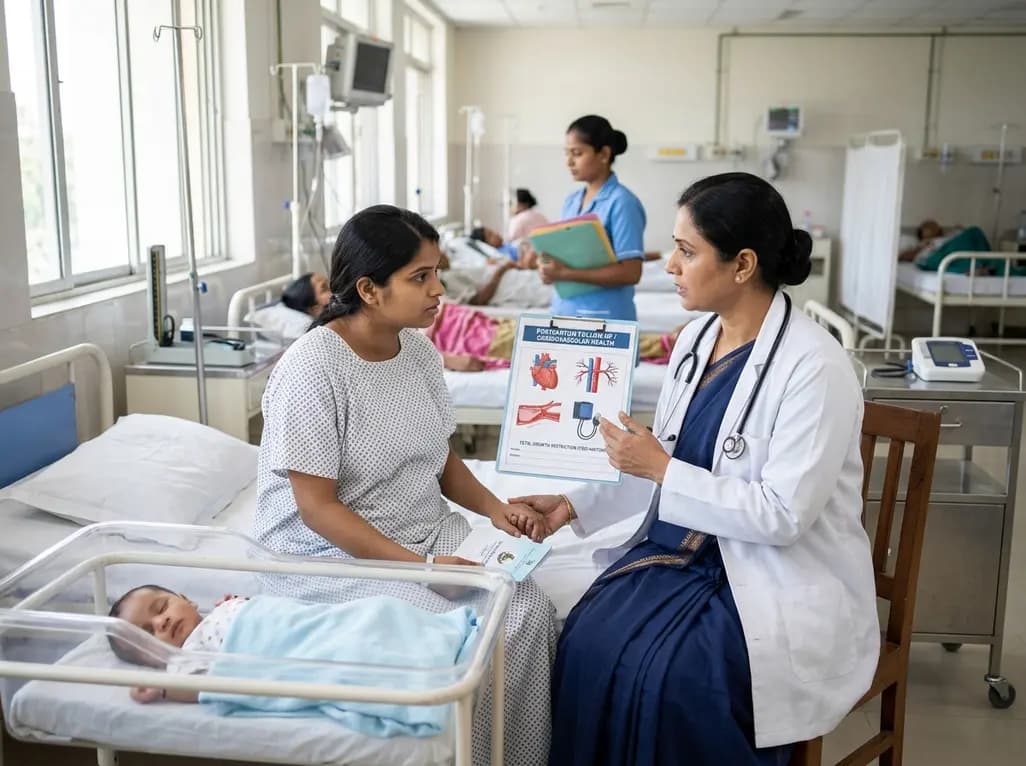
A large cohort study demonstrates that fetal growth restriction in a first pregnancy raises maternal cardiovascular risk within five years postpartum, including elevated rates of heart failure, stroke, and myocardial infarction. Clinicians must initiate proactive postpartum screening and cardiovascular prevention.
Today
An NHANES analysis reveals that meeting 24-hour movement guidelines significantly lowers the odds of cardiovascular disease, obesity, hypertension, and diabetes among adults with disabilities, emphasizing the power of combined physical activity, sleep, and limited sedentary time.
Today

A paired cadaveric study compared triple and quintuple percutaneous Achilles tendon lengthening. While quintuple hemisection showed numerically greater elongation, differences were not statistically significant.
Today
A randomized trial in California evaluated a grocery support program for low-income, chronically ill adults. The intervention improved nutrition security by 2.8%, increased vegetable intake, boosted mental health scores, and reduced cost-related healthcare delays by 3.8%, showing the power of food-as-medicine.
Today
