.webp&w=384&q=75)

Loading, please wait...
Loading, please wait...
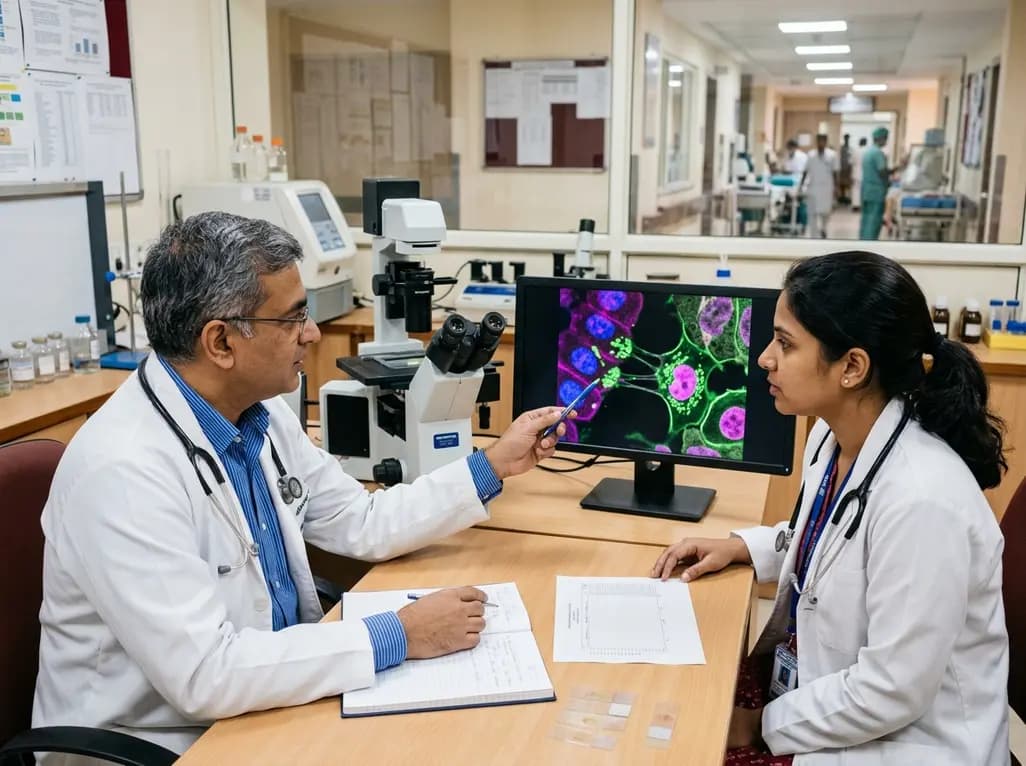
Emerging research has revealed that mitochondria transfer in lung diseases represents far more than a simple mechanism of bioenergetic rescue. In healthy and pathological pulmonary environments, cells communicate by exchanging whole organelles through tunneling nanotubes, extracellular vesicles, and cellular fusion. Consequently, this organelle trafficking actively modulates mitochondrial quality control, cellular redox homeostasis, immune responses, and cell-death pathways. While early investigations focused solely on ATP replenishment, scientists now understand that mitochondrial translocation remodels the metabolic landscape of the pulmonary microenvironment. Clinicians and translational researchers are examining how these biological pathways can be harnessed to treat acute respiratory distress syndrome, chronic obstructive pulmonary disease, idiopathic pulmonary fibrosis, and thoracic malignancies.
Mitochondrial organelle trafficking occurs via specialized cellular structures designed to maintain tissue homeostasis during stress. Primary airway epithelial cells and pulmonary vascular endothelial cells frequently establish direct physical bridges, known as tunneling nanotubes, with mesenchymal stem cells or neighboring tissue cells. Furthermore, microvesicles and exosomes package functional mitochondrial components, delivering them across tissue barriers to recipient cells. Once internalized, these donor mitochondria actively fuse with the existing mitochondrial network of the host cell. Therefore, the recipient cell experiences a rapid restoration of aerobic respiration and improved metabolic flux. Additionally, this exchange regulates key survival cascades, directly modulating susceptibility to ferroptosis, apoptosis, and necrotic cell death across diverse pulmonary tissue compartments.
In non-malignant pulmonary disorders, mitochondrial donation serves as a powerful protective response against destructive oxidative injury. For example, in idiopathic pulmonary fibrosis, alveolar epithelial cells experience profound mitochondrial dysfunction, leading to senescence and aberrant fibroproliferation. Mesenchymal stem cell-derived mitochondrial donation effectively reverses bioenergetic failure, restores endogenous redox buffering, and attenuates fibrotic remodeling. Similarly, in acute lung injury and severe pneumonia, donor organelle acquisition protects microvascular endothelial barriers, suppressing vascular permeability and reducing inflammatory edema. Animal models demonstrate that enhancing mitochondrial biogenesis alongside organelle transfer significantly improves physiological outcomes. Consequently, targeted organelle transplantation is emerging as a compelling regenerative strategy for chronic and acute lung injury syndromes.
Despite significant regenerative benefits in benign disease states, organelle trafficking creates distinct oncogenic hazards within malignant thoracic neoplasms. Lung cancer cells actively hijack the process of organelle exchange, stripping healthy mitochondria from non-malignant stromal cells or cancer-associated fibroblasts. Through this metabolic acquisition, malignant cells substantially elevate their antioxidant defenses, promote metabolic plasticity, and resist chemotherapy-induced apoptosis. Furthermore, cancer cells gain enhanced metastatic fitness and drive immune evasion by depleting T-cell metabolic competence. Conversely, engineering direct organelle transfer into exhausted tumor-infiltrating lymphocytes successfully revitalizes antitumor cytotoxicity. Thus, while organelle donation fuels malignant tumor progression, selective immune-cell enhancement offers a promising avenue for advanced thoracic immuno-oncology protocols.
Translating organelle transplantation into human clinical applications requires addressing major biological and logistical bottlenecks. A fundamental clinical dilemma stems from cargo quality control, because damaged donor mitochondria may inadvertently propagate mutated mitochondrial DNA or pro-inflammatory signals. Moreover, tracking organelle trafficking within living tissues remains technically demanding, creating substantial barriers for validating long-term functional integration. Uncontrolled or non-specific delivery risks exacerbating occult malignancies while attempting to heal benign pulmonary lesions. Standardized release criteria, clear pharmacokinetics, and verified organelle longevity must be established before initiating widespread clinical trials. Therefore, researchers must establish precise molecular gating strategies to safely govern organelle transfer in therapeutic settings.
Future pulmonary medicine will likely rely on highly engineered organelle-delivery platforms designed for cell-type-specific targeting. Advanced nanotechnology and engineered extracellular vesicles can ensure that therapeutic mitochondria reach only injured alveolar epithelial cells or targeted immune populations. In parallel, non-invasive imaging modalities and specialized genetic reporters will improve real-time tracking of organelle integration in patient-derived tissues. By systematically defining the microenvironmental cues that regulate organelle exchange, investigators can formulate precise adjuvant therapies that prevent malignant appropriation while promoting tissue regeneration. As molecular mechanisms become clearer, mitochondrial medicine will unlock transformative therapeutic avenues for refractory respiratory disorders globally.
Mitochondrial donation replenishes oxidative phosphorylation in damaged alveolar epithelial cells. By restoring healthy mitochondrial network dynamics and reducing intracellular oxidative stress, transferred organelles prevent cellular senescence and stop excessive profibrotic signaling cascades, thereby substantially mitigating pathologic tissue remodeling in the lungs.
Malignant cells frequently acquire healthy mitochondria from the surrounding stroma to boost their antioxidant defenses and escape apoptosis. This metabolic adaptation enhances metastatic aggressiveness, promotes chemoresistance, and dampens antitumor immunity, requiring strictly targeted therapies to avoid inadvertently aiding cancer progression.
Current therapeutic models utilize tunneling nanotubes, isolated organelle delivery, and extracellular vesicle encapsulation. Mesenchymal stem cells are frequently engineered to enhance organelle donation directly into injured pulmonary tissue, providing targeted delivery and promoting long-term structural integration.
Disclaimer: This content is for informational and educational purposes only and does not constitute medical advice, diagnosis, or treatment recommendations. Clinical decisions must always be made by qualified healthcare professionals based on individual patient evaluations. Refer to the latest local and national guidelines for clinical practice.
References
1. Zhu J et al. Intercellular Mitochondria Transfer in Lung Diseases: New Mechanisms, Risks, Therapeutic Boundaries. Antioxid Redox Signal. 2026 Aug 26. doi: 10.1177/15230864261481713. PMID: 42649104.
2. Islam MN, Das SR, Emin MT, et al. Mitochondrial transfer from bone-marrow-derived stromal cells to pulmonary alveoli protects against acute lung injury. Nat Med. 2012;18(5):759-765.
3. Ahmad T, Mukherjee S, Pattnaik B, et al. Miro1-regulated mitochondrial transport enhances mesenchymal stem cell rescue in severe lung injury models. EMBO J. 2014;33(9):994-1010.

Read summarized clinical updates, watch expert medical content, and earn CME certifications right from your smartphone.
Open your smartphone camera to scan and install.





Explore the mechanisms and clinical boundaries of intercellular mitochondria transfer in lung diseases, highlighting tissue repair, oncogenic risks, and novel therapeutic avenues.
last month
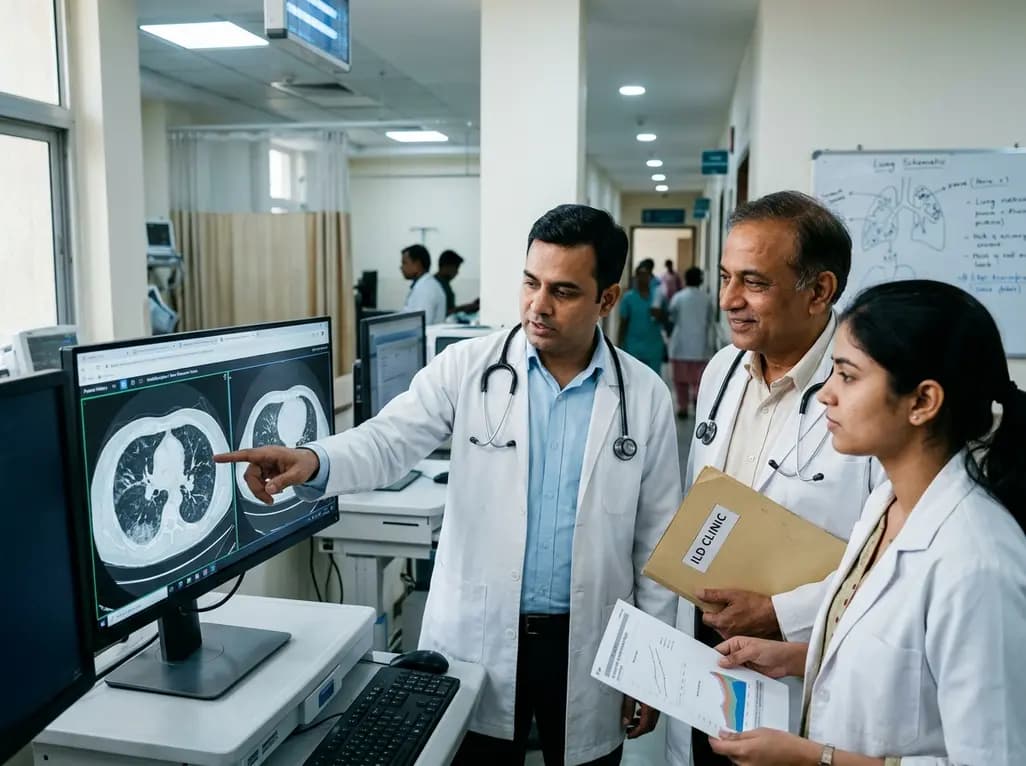
A nationwide English cohort study shows that interstitial lung diseases are no longer rare, with incidence jumping 30% and 200,000 active cases. This analysis highlights clinical implications for diagnosis, multi-disciplinary management, and global health priorities across respiratory and internal medicine.
Today

A nationwide South Korean study shows underreporting of smoking among women dropped from 57.4% to 36.4% between 2008 and 2021. However, over one-third of female smokers still conceal their habit, highlighting the critical role of cotinine verification in clinical risk assessment.
Today

PepsiCo and Monster Beverage have challenged the FSSAI ban on the energy drink label in Indian courts. While companies highlight supply disruptions, regulatory actions spotlight severe cardiovascular and metabolic risks associated with excessive caffeine, sugar, and taurine consumption, especially in adolescents.
Today
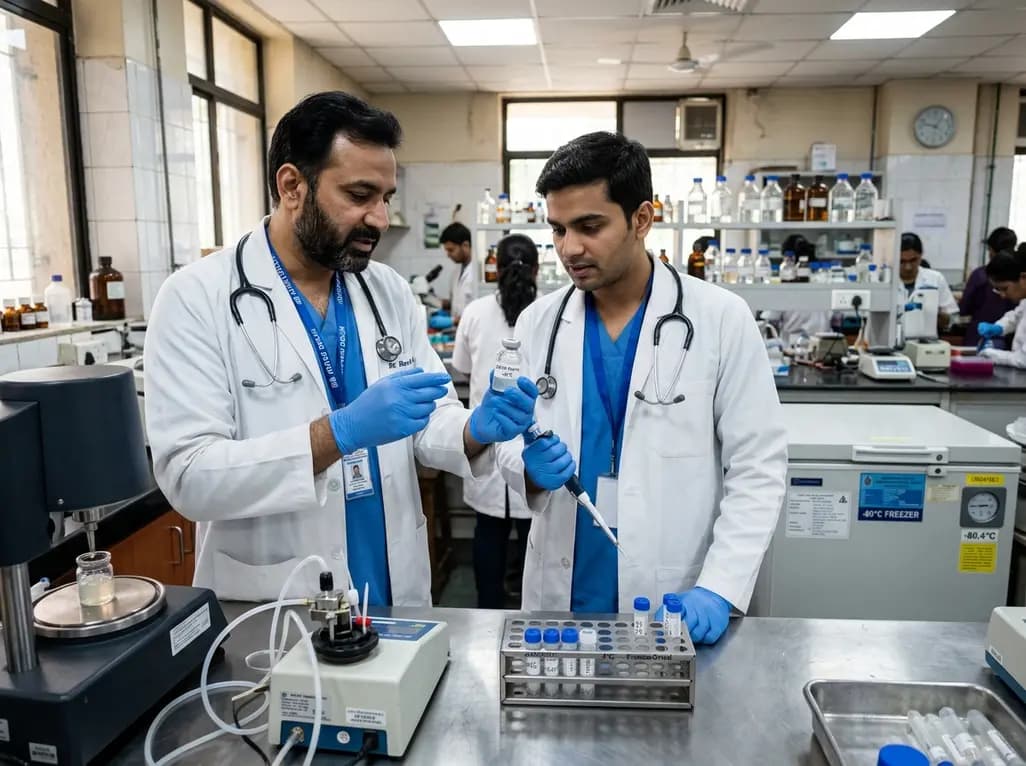
A new study evaluates the rheological stability of decellularized peripheral nerve matrix hydrogels under varied storage conditions. Findings show -80°C storage and freeze-drying preserve gelation kinetics and mechanical stiffness, offering key insights for shipping and translational clinical applications.
Today

A Bayesian multilevel meta-analysis reveals that aerobic training combined with moderate carbohydrate restriction modestly lowers HbA1c in type 2 diabetes. However, sparse data and very low certainty leave incremental benefits over exercise or diet alone unproven, highlighting the need for individualized care.
Yesterday
