.webp&w=384&q=75)

Loading, please wait...
Loading, please wait...

Monoclonal gammopathy of clinical significance (MGCS) encompasses a heterogeneous family of plasma cell and B-cell disorders where monoclonal immunoglobulins cause devastating organ pathology despite a low, non-malignant clonal burden. While hematologists and nephrologists frequently identify renal and peripheral nerve complications, skeletal muscle involvement often goes unrecognized. Recent clinical investigations delineate MGCS-associated myopathy as an evolving spectrum comprising two rare but distinct neuromuscular conditions: scleromyxedema-associated myopathy (SAM) and vacuolar myopathy with monoclonal gammopathy and stiffness (VAMMGAS). Consequently, recognizing these conditions is vital because prompt diagnosis prevents irreversible muscle damage and progressive motor disability through targeted clone-directed interventions.
Historically, clinicians classified patients harboring low-level monoclonal paraproteins without end-organ myeloma features under monoclonal gammopathy of undetermined significance (MGUS). However, emerging evidence demonstrates that these small paraprotein clones often induce severe, organ-specific cellular damage. Skeletal muscle represents a critical yet underappreciated target in this disease continuum. Both SAM and VAMMGAS demonstrate how circulating monoclonal proteins disrupt neuromuscular homeostasis through combined metabolic and inflammatory cascades.
Moreover, patients suffering from either condition exhibit progressive, disabling proximal muscle weakness. Physical examination reveals marked symmetry in limb weakness, frequently affecting the pelvic and shoulder girdles. In addition, patients experience severe functional limitation, struggling with ordinary tasks like rising from chairs or climbing stairs. While earlier literature treated SAM and VAMMGAS as isolated pathologies, contemporary investigations establish that they occupy opposite ends of a shared biological spectrum. Therefore, recognizing muscle involvement as a sign of monoclonal gammopathy fundamentally changes clinical prognosis.
Although these conditions share broad clinical features, key phenotypical hallmarks differentiate SAM from VAMMGAS during bedside examination. Specifically, SAM presents in the setting of scleromyxedema, a rare fibromucinous disorder. Patients present with diffuse, waxy papules arranged linearly across the face, neck, and limbs, often accompanied by indurated, bound-down skin. However, in atypical clinical presentations, cutaneous manifestations may develop months after the onset of myopathy, creating substantial diagnostic confusion.
In contrast, VAMMGAS lacks characteristic mucinous dermatological lesions. Instead, affected individuals develop prominent, disabling muscle stiffness alongside profound axial and proximal weakness. This striking muscular rigidity frequently mimics stiff-person syndrome or dystrophic conditions. Furthermore, paraprotein profiles exhibit notable immunochemical variation between the two entities. Patients with SAM predominantly express monoclonal immunoglobulin G (IgG) with lambda light chains. Conversely, individuals diagnosed with VAMMGAS more frequently demonstrate IgG with kappa light chain restriction. Thus, careful immunofixation electrophoresis helps clinicians separate these unique phenotypic presentations.
Neurophysiological assessment represents an indispensable diagnostic pillar in the evaluation of suspected MGCS myopathies. Electromyography (EMG) consistently reveals prominent pathological spontaneous activity in both SAM and VAMMGAS. Neurologists routinely encounter fibrillations, positive sharp waves, and pseudomyotonic discharges during needle examination. Most notably, high-frequency complex repetitive discharges occur abundantly, correlating clinically with marked rigidity and tissue irritability.
Therefore, when electrodiagnostic studies identify this irritable myopathic signature, clinicians must initiate comprehensive paraprotein screening. Standard serum protein electrophoresis often lacks adequate sensitivity to detect minute clonal bands. Consequently, physicians must order serum and urine immunofixation alongside quantitative serum free light chain (sFLC) assays. In addition, clinicians must exclude alternative neuromuscular conditions, including inflammatory myopathies, late-onset glycogen storage diseases, and acid maltase deficiency. Incorporating systematic hematological testing into the diagnostic algorithm prevents dangerous delays in patient care.
Muscle biopsy provides definitive confirmation and uncovers fascinating insights into shared disease biology. Histopathological examination of both SAM and VAMMGAS muscle specimens reveals prominent autophagic vacuolar change. Ultrastructural evaluation using electron microscopy highlights autophagosome accumulation, reflecting severe impairment of autophagic flux within myofibers. As a result, muscle cells cannot eliminate aggregated proteins, triggering cellular stress and secondary muscular degeneration.
Concurrently, biopsies reveal pronounced immune-mediated cellular activation. Sarcolemmal membranes consistently demonstrate abnormal upregulation of human leukocyte antigen class I (HLA-I) molecules. Furthermore, microvascular and sarcolemmal deposition of the membrane attack complex (C5b-9) occurs across both disorders, indicating complement pathway hyperactivation. Nevertheless, distinct histological differences persist between the two variants. SAM biopsies typically display robust interstitial and perivascular mononuclear inflammatory infiltrates. In contrast, VAMMGAS exhibits marked vacuolation and complement activation with comparatively minimal lymphocytic inflammation. Consequently, these findings highlight a dynamic interplay between mechanical autophagic failure and antibody-mediated immune toxicity.
Because both conditions involve severe immune dysregulation and paraprotein toxicity, traditional corticosteroid monotherapy rarely yields durable clinical recovery. Instead, multi-targeted treatment algorithms provide superior outcomes. In the acute setting, rapid immunomodulatory therapies effectively stabilize functional decline. High-dose intravenous immunoglobulin (IVIG) serves as the primary cornerstone for reversing progressive quadriparesis and severe stiffness. Alternatively, therapeutic plasma exchange rapidly removes circulating pathogenic paraproteins and toxic complement factors, restoring motor mobility.
However, long-term disease remission necessitates eliminating the underlying plasma cell clone. Hematologists increasingly deploy clone-directed chemotherapeutic regimens borrowed from myeloma protocols. Proteasome inhibitors, such as bortezomib, combined with dexamethasone and cyclophosphamide, demonstrate exceptional efficacy in eradicating aberrant plasma cells. Additionally, targeted monoclonal antibodies, particularly anti-CD38 agents like daratumumab, successfully suppress refractory clones and reverse organ damage. Interdisciplinary collaboration between neurologists, dermatologists, and hematologists guarantees prompt treatment implementation and optimal functional restoration.
While both conditions present with proximal muscle weakness, scleromyxedema-associated myopathy consistently features generalized papular skin eruptions and induration. In contrast, vacuolar myopathy with monoclonal gammopathy and stiffness presents with prominent axial or limb stiffness without mucinous cutaneous lesions. Furthermore, electromyography demonstrates complex repetitive discharges in both disorders, guiding precise diagnosis.
Clinicians diagnose this disorder through comprehensive paraprotein screening, including serum protein electrophoresis and serum free light chain assays. In addition, neurologists perform electromyography to identify prominent spontaneous activity. Finally, a skeletal muscle biopsy confirms characteristic vacuolar changes, impaired autophagic flux, abnormal major histocompatibility complex expression, and sarcolemmal complement deposition.
Management requires a combined approach targeting systemic immune dysfunction and underlying clonal plasma cell proliferation. Clinicians commonly prescribe high-dose intravenous immunoglobulins or plasma exchange to alleviate acute weakness and stiffness. In refractory or severe cases, hematologists administer clone-directed chemotherapeutic regimens, such as bortezomib, cyclophosphamide, dexamethasone, or anti-CD38 monoclonal antibodies.
Disclaimer: This content is for informational and educational purposes only and does not constitute medical advice, diagnosis, or treatment. Healthcare professionals should exercise their independent clinical judgment. The views expressed are based on recent medical literature and may not reflect all clinical scenarios. Refer to the latest local and national guidelines for clinical practice.
References
Nicoletti T et al. Scleromyxedema-Associated Myopathy and Vacuolar Myopathy with Monoclonal Gammopathy and Stiffness (VAMMGAS) as manifestations of Monoclonal Gammopathy of Clinical Significance (MGCS): a disease spectrum between autophagy dysfunction and inflammation. J Neurol. 2026 Sep 29. doi: 10.1007/s00415-026-14169-2. PMID: 42809155.
Staedler K, Allenbach Y, Salort-Campana E, et al. Vacuolar myopathy with monoclonal gammopathy and stiffness (VAMMGAS). Eur J Neurol. 2025;32(1):e70026. doi: 10.1111/ene.70026.
Rongioletti F, Merlo G, Cinotti E, et al. Scleromyxedema: a multicenter study of characteristics, comorbidities, course, and therapy in 30 patients. J Am Acad Dermatol. 2013;69(1):66-72. doi: 10.1016/j.jaad.2013.01.007.

Read summarized clinical updates, watch expert medical content, and earn CME certifications right from your smartphone.
Open your smartphone camera to scan and install.





A recent comparative analysis illustrates that Scleromyxedema-Associated Myopathy (SAM) and Vacuolar Myopathy with Monoclonal Gammopathy and Stiffness (VAMMGAS) occupy a shared clinicopathological spectrum of MGCS, linking autophagic dysfunction, immune-mediated injury, and response to clone-directed therapies.
Today

A multicity study highlights that over 80% of acute respiratory infections remain outside hospitals. Patients frequently choose community pharmacies and digital platforms. Integrating digital health data and retail pharmacy sales can fill critical surveillance gaps and improve early outbreak detection.
Today
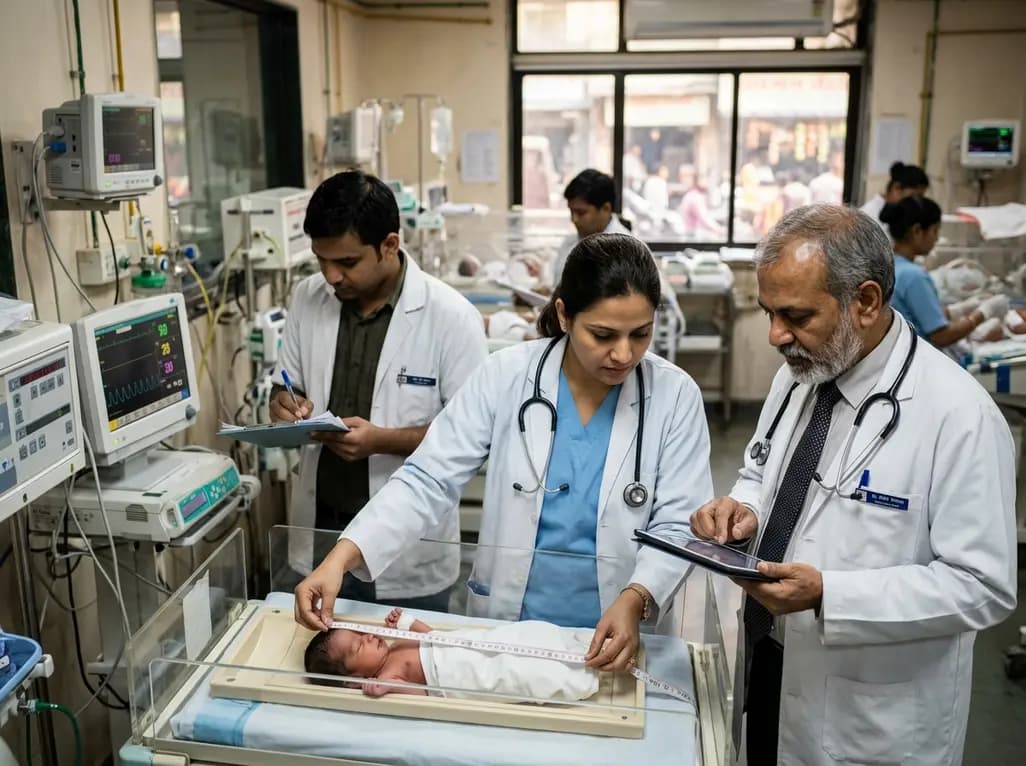
Scandinavian register evidence reveals that neonatal birth length strongly predicts adult health and mortality, whereas birth weight dictates cognitive capacity. Symmetric growth restriction causes far more severe long-term deficits than asymmetric restriction, underscoring the need for comprehensive anthropometry.
Today
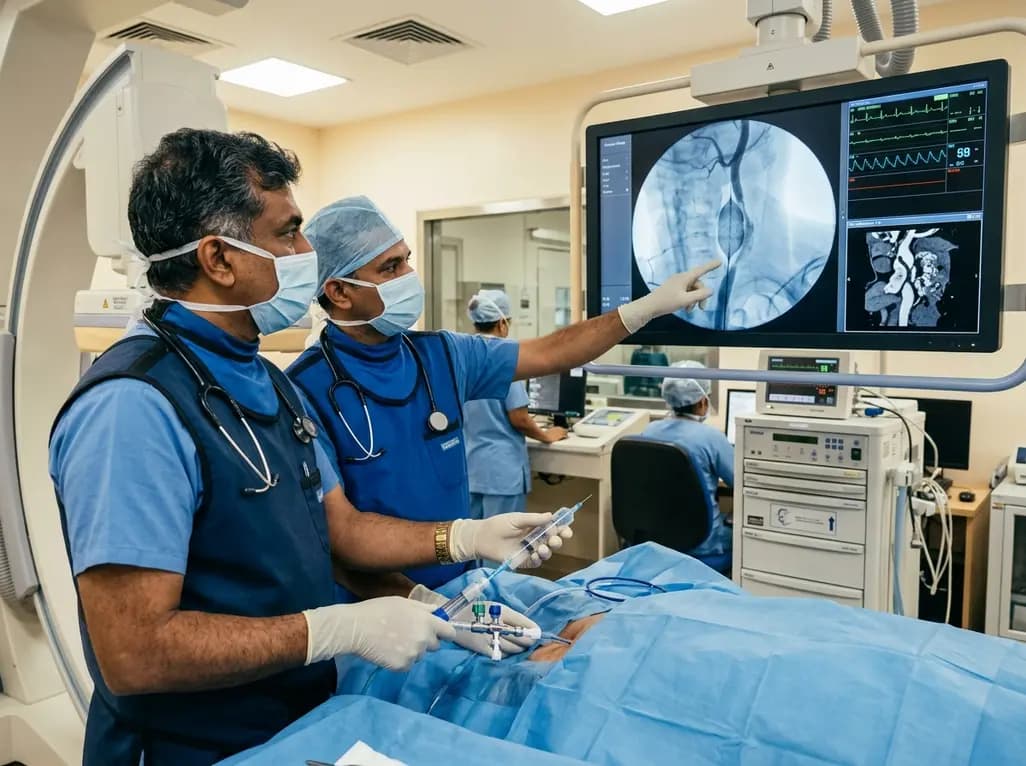
Discover how rescue cutting balloon angioplasty successfully modifies heavily calcified carotid stenosis, enabling stent delivery without baroreceptor instability and ensuring favorable long-term neurologic outcomes.
Today
A breakthrough study reveals that digoxin alleviates osteoarthritis by targeting LSP1 in synovial macrophages, preventing harmful extracellular trap formation and restoring SOD1 activity. This dual-action mechanism protects joint cartilage and offers a promising repurposing strategy for disease modification.
Today
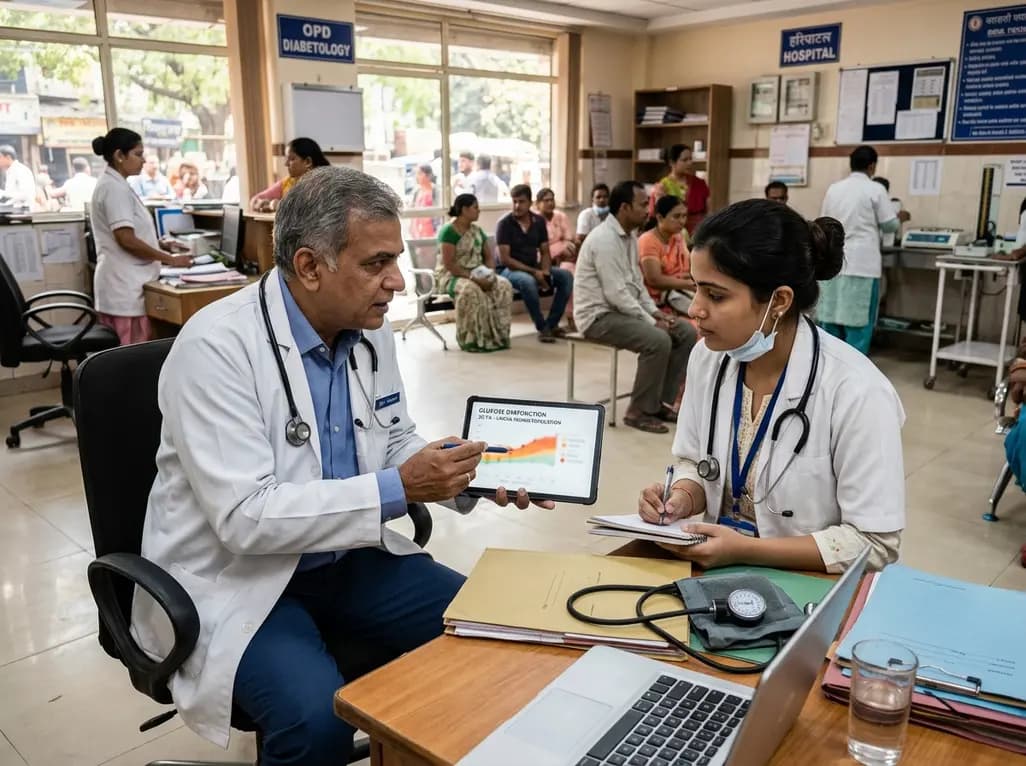
Data from the 2026 Workforce Health Index reveals that 38.7% of urban employees and dependents exhibit abnormal glycemic control. Emerging at increasingly younger ages, this metabolic shift intersects with severe vitamin deficiencies, highlighting the urgent need for early workplace screenings and targeted clinical care.
Today
