.webp&w=384&q=75)

Loading, please wait...
Loading, please wait...

Preserving medical student mental health has emerged as a paramount priority across global healthcare education systems. Early undergraduate training presents rigorous academic challenges, shifting social environments, and intense clinical expectations. A landmark multicenter cross-sectional study investigated the psychological burden confronting first- and second-year medical students. The researchers evaluated symptom prevalence, academic drivers, and psychosocial factors across multiple training institutions. Their findings provide actionable clinical insights that mirror pressing concerns within South Asian medical colleges, including those across India.
The multicenter investigation surveyed 1630 first- and second-year students across nine medical colleges, achieving an exceptional response rate of 90.6%. Consequently, the collected data offers an accurate, robust reflection of early training distress. Screening identified depressive symptoms in 57.8% of participants through the Patient Health Questionnaire-9. In addition, 46.4% of surveyed undergraduates reported notable anxiety symptoms on the Generalized Anxiety Disorder-7 scale. These alarming statistics demonstrate that more than half of junior trainees grapple with clinically significant psychological distress.
Furthermore, these high rates parallel findings from Indian undergraduate cohorts, where academic stress frequently induces emotional exhaustion. Many students enter medical school after competitive entrance examinations, only to encounter unexpected pedagogical pressures. When institutions fail to identify these early warning signs, academic performance and personal well-being rapidly deteriorate. Therefore, academic deans and psychiatric educators must recognize that emotional morbidity begins during the earliest months of training rather than solely during final clinical rotations.
Among the evaluated psychosocial correlates, peer pressure exerted the most severe negative impact on emotional stability. Specifically, students experiencing intense peer competition faced a sixfold increase in moderate anxiety odds. Moreover, peer pressure escalated the odds of severe anxiety by an astounding thirty-seven times. Depressive symptoms mirrored this troubling pattern, showing fourfold higher odds for moderate depression and tenfold higher odds for severe illness.
Additionally, interpersonal conflict, intimidation, and campus harassment compounded this emotional strain. Medical colleges frequently foster hypercompetitive atmospheres where students hesitate to show perceived vulnerability. Consequently, trainees internalize self-doubt and isolate themselves from potential peer support networks. Academic environments must actively discourage hostile competition while intentionally promoting collaborative group learning. Faculty mentors play an indispensable role in dismantling toxic hierarchies. By intervening against mistreatment early, institutions protect vulnerable learners before acute distress transforms into debilitating psychiatric disease.
While academic stressors elevate psychiatric vulnerability, behavioral habits provide essential therapeutic targets. In this multicenter survey, adequate nocturnal rest emerged as an exceptional protective buffer. Specifically, undergraduates obtaining seven to eight hours of sleep nightly exhibited an 89% reduction in severe anxiety odds. Furthermore, restorative sleep decreased the odds of moderate depressive symptoms by 78%.
Unfortunately, medical students routinely sacrifice restorative sleep to accommodate demanding study schedules and rigorous examination timelines. This chronic sleep debt disrupts neurobiological emotional regulation, exacerbating underlying cognitive distortions. Consequently, sleep deprivation impairs memory consolidation, degrades executive functioning, and intensifies clinical burnout. Medical faculties must therefore reconsider mandatory scheduling demands, late-night obligations, and compressed assessment calendars. In addition, wellness curricula should explicitly teach evidence-based sleep hygiene practices. When educators encourage healthy circadian routines, they directly fortify student emotional resilience and cognitive longevity.
The findings from Islamabad closely mirror observations documented across Indian medical institutions. Recently, the National Medical Commission Task Force on Mental Health highlighted similar distress patterns among Indian undergraduate medical trainees. In their nationwide survey, over a quarter of undergraduate students reported diagnosed psychological morbidity, with many acknowledging suicidal ideation. Furthermore, both national environments share structural stressors, including heavy curriculum loads, language barriers, and relocation challenges.
Moreover, medical students across South Asia encounter intense societal expectations and significant financial investments from families. When academic struggles emerge, guilt and fear of failure prevent honest communication with loved ones. Consequently, students endure progressive psychological suffering in complete silence. The National Medical Commission has mandated anti-ragging measures, student wellness cells, and institutional grievance mechanisms. However, effective enforcement varies substantially across states and private colleges. Indian medical faculties must translate these policy directives into accessible, empathetic, daily support mechanisms.
To address this widespread psychological crisis, medical colleges must eliminate institutional barriers that deter students from seeking help. The primary obstacle remains persistent fear regarding confidentiality breaches and academic stigmatization. Indeed, students frequently worry that a documented mental illness will derail licensing, residency prospects, or institutional standing. Therefore, universities must establish independent, off-campus counseling services that guarantee absolute student anonymity.
Furthermore, medical colleges need structured, multi-tiered intervention systems. Basic tiers should provide campus-wide psychoeducation, stress mitigation workshops, and formal peer mentoring networks. Secondary tiers must offer rapid access to clinical psychologists and psychiatric specialists without administrative reporting requirements. In addition, institutions should train faculty members as empathetic first responders capable of identifying early behavioral changes. When colleges actively normalize psychiatric consultations, trainees seek timely therapeutic interventions. Comprehensive structural reform ensures that healthcare education protects the well-being of future physicians.
Healthcare educators must interpret the multicenter survey findings within appropriate epidemiological contexts. Because the study utilized a cross-sectional design, researchers cannot establish definitive causal relationships between stressors and symptoms. For instance, poor sleep might trigger depressive disorders, or depression might disrupt restorative nocturnal sleep patterns. Additionally, severe symptom categories contained relatively small student numbers, resulting in wide confidence intervals for those specific estimates.
Nonetheless, the large sample size of 1630 participants and the rigorous 90.6% response rate validate the underlying conclusions. Standardized, validated instruments like the Patient Health Questionnaire-9 and Generalized Anxiety Disorder-7 bolster analytical reliability. Future academic research should implement longitudinal cohort designs tracking students from matriculation through internship. Such prospective data will clarify critical inflection points of psychological decompensation during medical training. Ultimately, continuous empirical research provides the necessary foundation for designing targeted, proactive mental health policies across healthcare education.
Recent multicenter research demonstrates that 57.8% of early-year medical undergraduates experience depressive symptoms, while 46.4% report clinically significant anxiety. Furthermore, similar epidemiological studies across South Asia, including comprehensive data from India, confirm that approximately one in two junior students faces persistent psychological distress. Consequently, medical educators now recognize these high morbidity rates as urgent institutional challenges rather than isolated individual personal struggles.
Intense peer pressure stands out as the single strongest statistical driver, multiplying the odds of severe anxiety up to thirty-seven times among early trainees. Additionally, academic intimidation, unaddressed campus harassment, social isolation, and chronic sleep deprivation significantly exacerbate depressive symptoms across medical cohorts. Therefore, institutional interventions must actively target both modifiable behavioral routines and systemic cultural issues to mitigate student psychological distress effectively.
Achieving seven to eight hours of nocturnal sleep delivers a profound protective effect, reducing severe anxiety odds by 89% and moderate depression odds by 78%. Restorative sleep stabilizes neurobiological emotional processing, enhances cognitive memory consolidation, and reduces daily vulnerability to severe academic stress. Consequently, medical colleges must deliberately design sustainable curriculum schedules that actively allow young learners adequate time for nightly physiological rest.
Disclaimer: This content is for informational and educational purposes only and should not be considered medical advice. Always consult a qualified healthcare professional regarding any medical condition or treatment. Refer to the latest local and national guidelines for clinical practice.
References

Read summarized clinical updates, watch expert medical content, and earn CME certifications right from your smartphone.
Open your smartphone camera to scan and install.





A multicenter study reveals that 57.8% of early-year medical students experience depressive symptoms and 46.4% report anxiety, with peer pressure as a primary risk factor and adequate sleep offering protection. The findings underscore the urgent need for confidential institutional mental health support.
Today
A study reveals marked downregulation of lncRNAs IFNG-AS1 and UCHL1-AS1 in peripheral blood cells of multiple sclerosis patients, establishing IFNG-AS1 as an accurate, minimally invasive diagnostic biomarker to aid early detection and disease monitoring.
Today
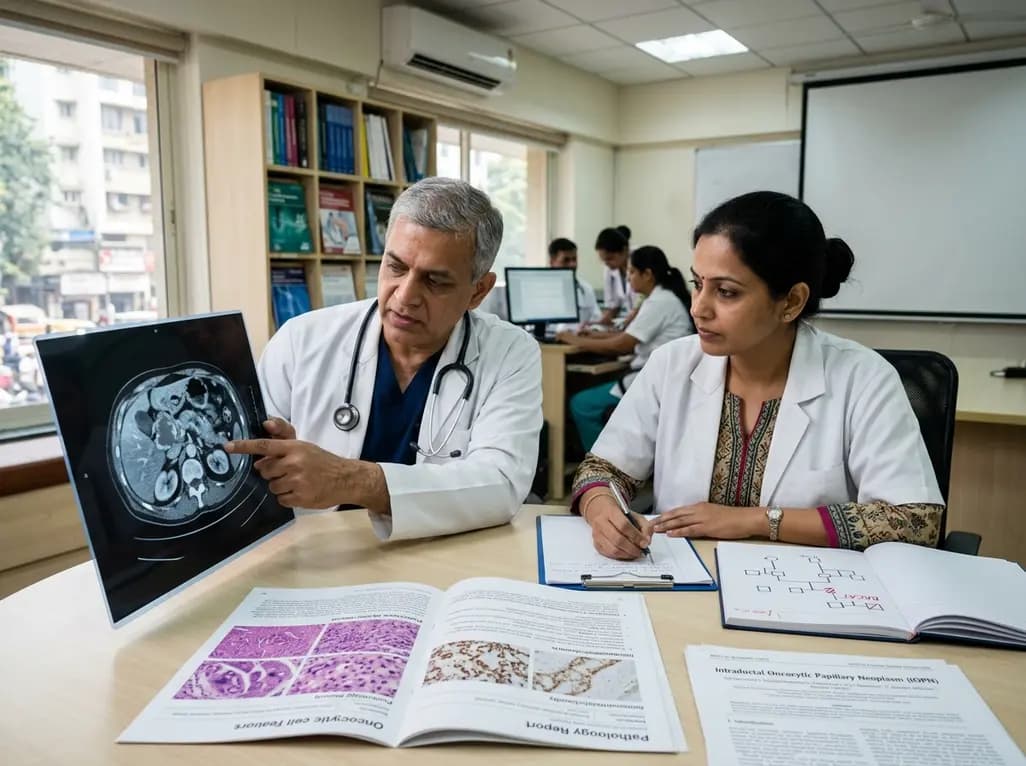
A pioneering case report documents the first known instance of pancreatic intraductal oncocytic papillary neoplasm (IOPN) metastasizing to the ovaries in a BRCA1 mutation carrier, highlighting essential histopathologic distinctions, multidisciplinary management, and personalized systemic oncology strategies.
Today

An updated systematic review and meta-analysis of 7,875 patients reveals that routine microaxial left ventricular support during nonemergent high-risk PCI does not reduce mortality or ischemic complications, while significantly increasing major bleeding events.
Yesterday
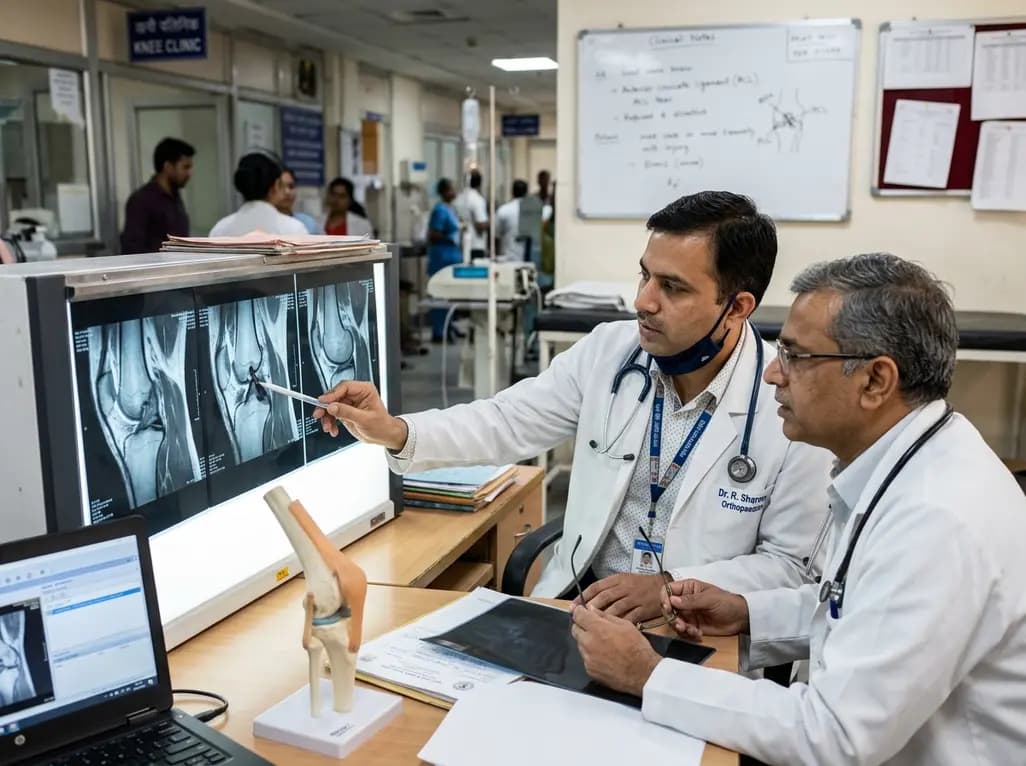
The FIRM-P framework redefines anterior cruciate ligament instability management by separating objective knee phenotypes from patient context and integrating arthrogenic muscle inhibition as a dynamic modifier to optimize individual surgical timing and outcomes.
Today
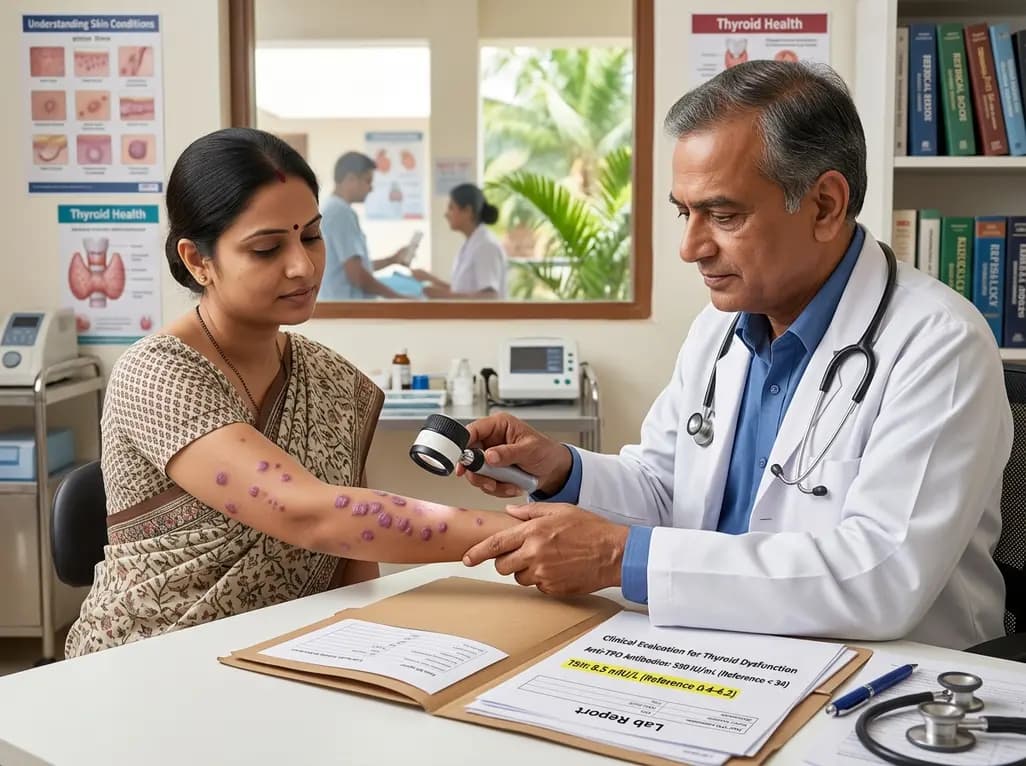
A case-control study demonstrates a significant association between lichen planus and thyroid disorders, with elevated TSH and anti-TPO antibody levels across cutaneous and follicular subtypes, emphasizing the critical value of routine thyroid screening.
Today
