.webp&w=384&q=75)

Loading, please wait...
Loading, please wait...
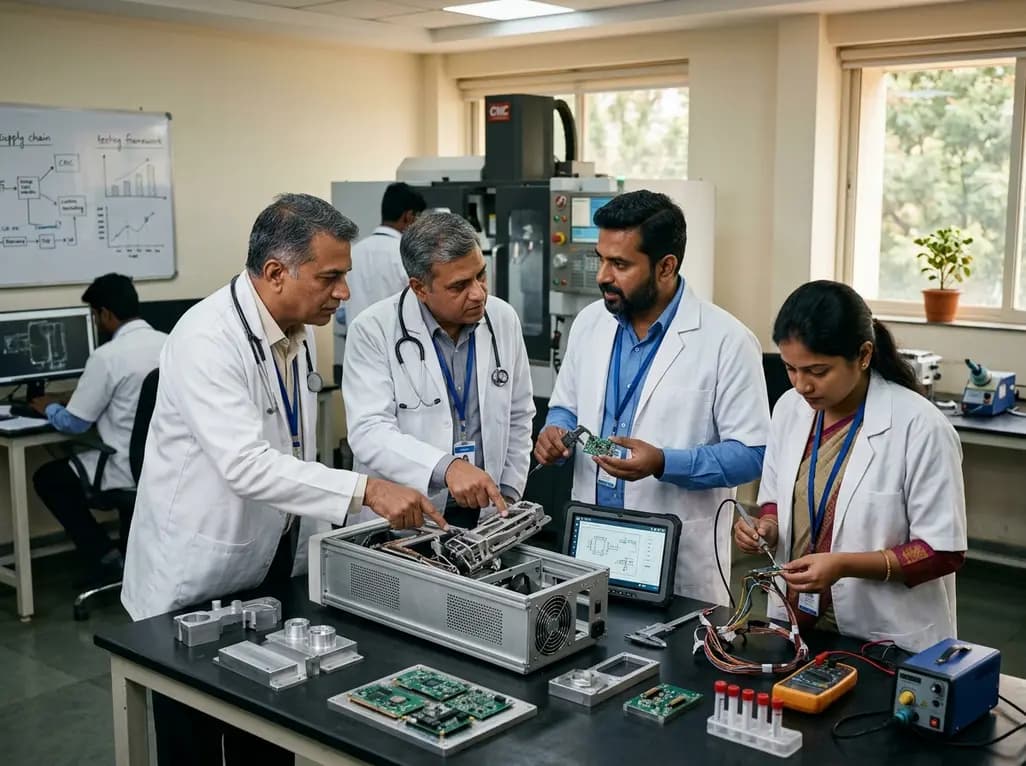
The Indian healthcare landscape is experiencing a rapid and transformative phase of industrial growth. Today, the medical devices industry stands at a critical juncture in its quest for comprehensive self-reliance. Department of Pharmaceuticals Secretary Manoj Joshi recently emphasized that domestic manufacturers must move decisively beyond basic assembly. Instead, companies must prioritize genuine local value addition and domestic component fabrication. Consequently, government leaders are actively reviewing existing incentive structures to foster sustainable industrial capabilities. This strategic evolution aims to elevate India from an assembly hub into an innovative global MedTech manufacturing powerhouse.
Over the past decade, domestic production of medical hardware has expanded significantly across the country. However, many operational plants currently function merely as assembly facilities for imported sub-assemblies. Furthermore, trade data can sometimes mask this high import reliance because overseas parts are frequently classified under finished product categories. Secretary Manoj Joshi highlighted that genuine industrial security requires a decisive shift toward indigenous component engineering and precision manufacturing.
Specifically, the central government wants domestic enterprises to elevate their local value addition to forty or forty-five percent. In contrast, many early manufacturing facilities began operations with minimal domestic input and heavy foreign sourcing. Therefore, upcoming state incentives will prioritize component fabricators rather than simple assembly line setups. Developing sub-tier suppliers will produce vital parts like specialized sensors, precision optical lenses, titanium housings, and electronic circuit boards locally.
Additionally, creating a localized component ecosystem shields domestic healthcare systems against international supply chain disruptions. Consequently, Indian hospitals can avoid severe procurement bottlenecks during global logistical crises. Moreover, local parts fabrication substantially lowers overall manufacturing expenditures over the long term. Ultimately, this structural transition creates a durable industrial foundation that supports advanced medical technology development across all healthcare disciplines.
The central government introduced the Production Linked Incentive scheme with an outlay of 3,420 crore rupees. Under this initiative, selected enterprises receive a five percent incentive on incremental sales of qualifying devices. However, several participating companies have struggled to claim their approved incentives despite making substantial capital investments. Consequently, stringent administrative benchmarks and high sales qualification criteria have created unforeseen hurdles for multiple domestic producers.
Secretary Manoj Joshi acknowledged these operational difficulties during the recent CII Global MedTech Summit. Furthermore, he noted that only a limited number of investors have successfully unlocked financial disbursements so far. Therefore, the Department of Pharmaceuticals is actively seeking direct recommendations from MedTech industry leaders. Specifically, officials are considering extending production tenures to accommodate capital-intensive gestation periods and validation cycles.
In addition, granting extended compliance timelines will help dedicated enterprises fulfill designated investment requirements without penalty. Thus, existing investors who missed initial claiming windows can successfully access financial support. Moreover, tailored policy refinements will encourage hesitant manufacturers to commit capital to complex technological segments. As a result, optimizing the PLI framework will solidify long-term investor confidence across the medical devices industry.
Engineering advanced medical technology demands uncompromising adherence to rigorous quality, precision, and patient safety benchmarks. However, comprehensive testing of prototypes and commercial devices remains relatively limited within the current domestic ecosystem. Secretary Joshi strongly emphasized that India must rapidly expand its specialized diagnostic and validation infrastructure. Without rigorous performance evaluations, newly fabricated components cannot achieve clinical credibility or international regulatory clearance.
Furthermore, domestic testing centers must evaluate biocompatibility, mechanical durability, software resilience, and electrical safety standards under simulated clinical environments. Therefore, academic institutions, regulatory agencies, and private manufacturers must collaborate to establish accredited validation laboratories nationwide. In addition, standardized prototype testing accelerates the translation of innovative engineering concepts into commercially viable clinical tools.
Moreover, clinicians require absolute certainty regarding device reliability before adopting domestically produced hardware in critical care settings. Consequently, robust validation protocols eliminate performance uncertainties surrounding indigenous medical apparatus. Additionally, systematic quality evaluations protect patient safety during complex operative procedures and intensive care monitoring. Ultimately, building world-class testing infrastructure ensures that domestic medical devices satisfy stringent global quality certifications.
Expanding local production capabilities delivers profound clinical and socioeconomic advantages for the entire Indian healthcare ecosystem. Historically, Indian medical facilities have relied heavily on expensive imported equipment, inflating capital expenditure for hospitals. Consequently, high procurement costs frequently translate into increased out-of-pocket diagnostic and surgical expenses for patients. In contrast, locally fabricated medical equipment significantly diminishes capital expenditure for tier-two, tier-three, and rural healthcare centers.
Furthermore, localizing component supply chains speeds up preventive maintenance and equipment servicing in critical hospital departments. For instance, when replacement sensors, cables, or valves are available locally, biomedical engineers can resolve equipment breakdowns immediately. Therefore, clinical teams experience reduced diagnostic downtime and avoid costly disruptions in emergency interventions.
Additionally, domestic production fosters targeted innovation tailored directly to Indian epidemiological patterns and environmental operating conditions. Thus, engineers can design robust imaging, dialysis, and monitoring systems that withstand regional power fluctuations and high ambient humidity. As a result, primary healthcare centers gain dependable access to essential life-saving diagnostic technologies. Ultimately, increased local manufacturing improves public health equity by democratizing access to modern medical technology.
Achieving enduring self-reliance in MedTech requires coordinated action across regulatory, educational, and financial domains. First, policymakers must align tariff structures to discourage cheap imports of sub-standard components while rewarding genuine domestic research. Meanwhile, public research grants should incentivize collaborative product development between medical universities and engineering institutes.
Furthermore, state governments must establish dedicated medical device parks offering plug-and-play manufacturing infrastructure. These specialized hubs provide shared testing laboratories, uninterrupted clean energy, effluent treatment, and rapid logistical connectivity. Consequently, small and medium enterprises can drastically reduce initial capital expenditures and operational launch times. Moreover, continuous upskilling initiatives must train biomedical technicians and precision machinists across specialized engineering disciplines.
Additionally, integrating artificial intelligence and advanced digital manufacturing techniques will enhance component precision and production speed. Therefore, domestic manufacturers can achieve economies of scale and compete effectively against global legacy brands. In conclusion, combining supportive policy interventions with deep engineering value will transform India into a dominant global MedTech exporter.
Q1: Why is local value addition crucial for the medical devices industry in India?
Local value addition ensures that Indian manufacturers produce core components domestically rather than merely assembling imported parts. Consequently, this deep industrial localization reduces heavy import dependence, protects domestic supply chains from international trade disruptions, and significantly lowers equipment costs. Ultimately, higher value addition drives indigenous technological innovation, creates skilled manufacturing jobs, and improves affordable healthcare delivery for patients across all regions of the country.
Q2: How does the Production Linked Incentive scheme support medical device manufacturers?
The Production Linked Incentive scheme provides financial incentives, typically at five percent on incremental sales of domestically manufactured devices. It targets critical medical segments such as radiology, radiotherapy, cardio-respiratory devices, and specialized implants. Furthermore, the scheme encourages greenfield capital investments in cutting-edge manufacturing plants. By offsetting high initial infrastructural costs, the policy helps Indian manufacturers scale operations and achieve global competitiveness.
Q3: Why is prototype and product testing critical for domestic medical devices?
Rigorous prototype and product testing validates the functional precision, electrical safety, mechanical durability, and biocompatibility of medical hardware before clinical deployment. Furthermore, systematic testing ensures compliance with international quality standards, securing clinician trust and regulatory approvals. Without comprehensive domestic testing infrastructure, manufacturers struggle to refine prototypes, which compromises patient safety and slows the market adoption of indigenous life-saving technologies.
Disclaimer: This content is for informational and educational purposes only. It does not constitute medical advice or replace professional judgment. Refer to the latest local and national guidelines for clinical practice.
References

Read summarized clinical updates, watch expert medical content, and earn CME certifications right from your smartphone.
Open your smartphone camera to scan and install.





Pharma Secretary Manoj Joshi stressed that India's medical devices sector must transition from mere assembly lines to deep component manufacturing, aiming for 40-45% domestic value addition, while exploring PLI scheme extensions and robust testing frameworks to ensure long-term supply chain self-reliance.
last month
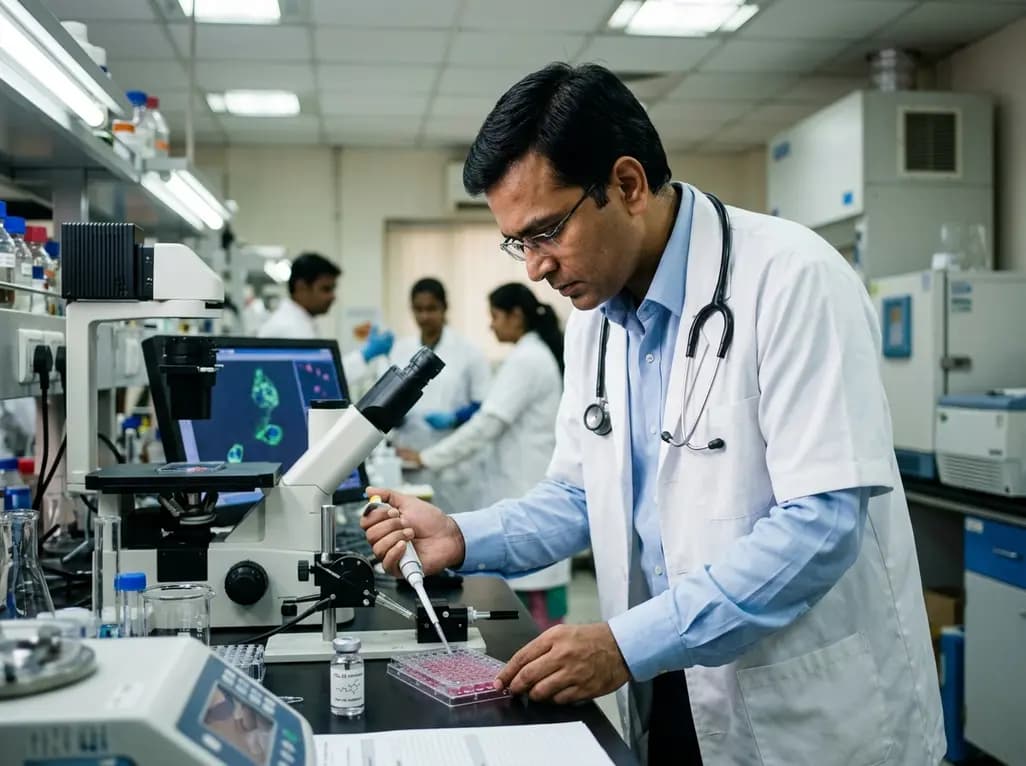
PZL-26, a selective small-molecule inhibitor of LONP1, reveals essential roles of this mitochondrial protease in complex I biogenesis, translation, and oxidative phosphorylation. These findings provide critical mechanistic insights for developing targeted anticancer therapies against proteostasis-dependent tumors.
Today
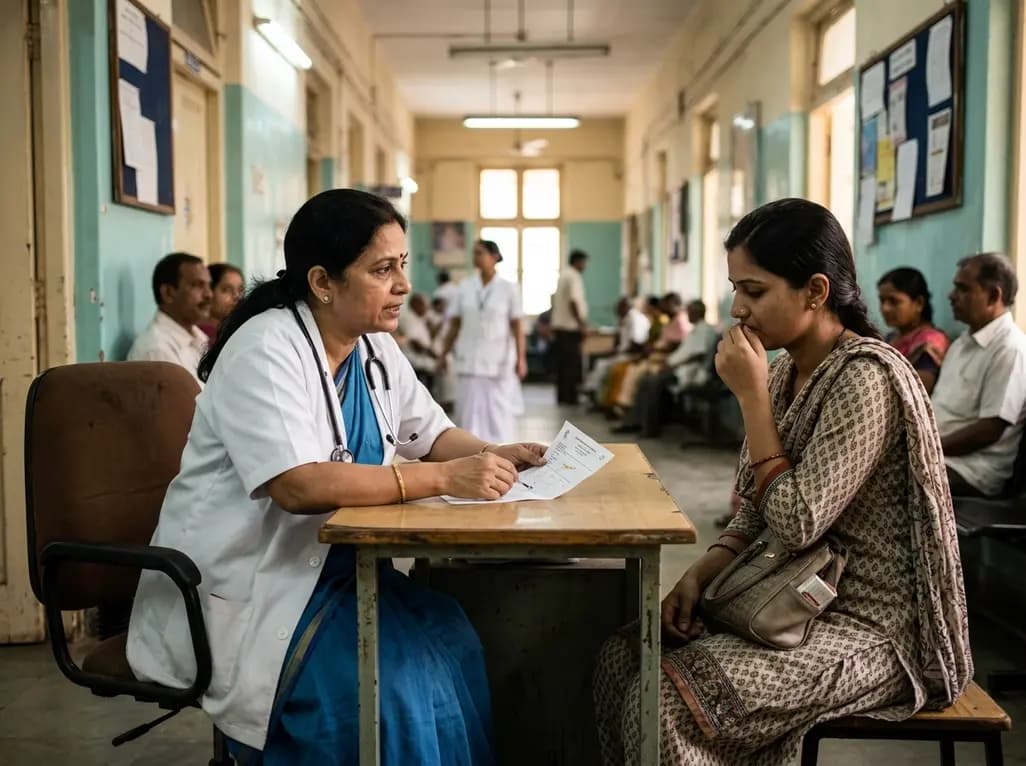
A nationwide South Korean study shows underreporting of smoking among women dropped from 57.4% to 36.4% between 2008 and 2021. However, over one-third of female smokers still conceal their habit, highlighting the critical role of cotinine verification in clinical risk assessment.
Today
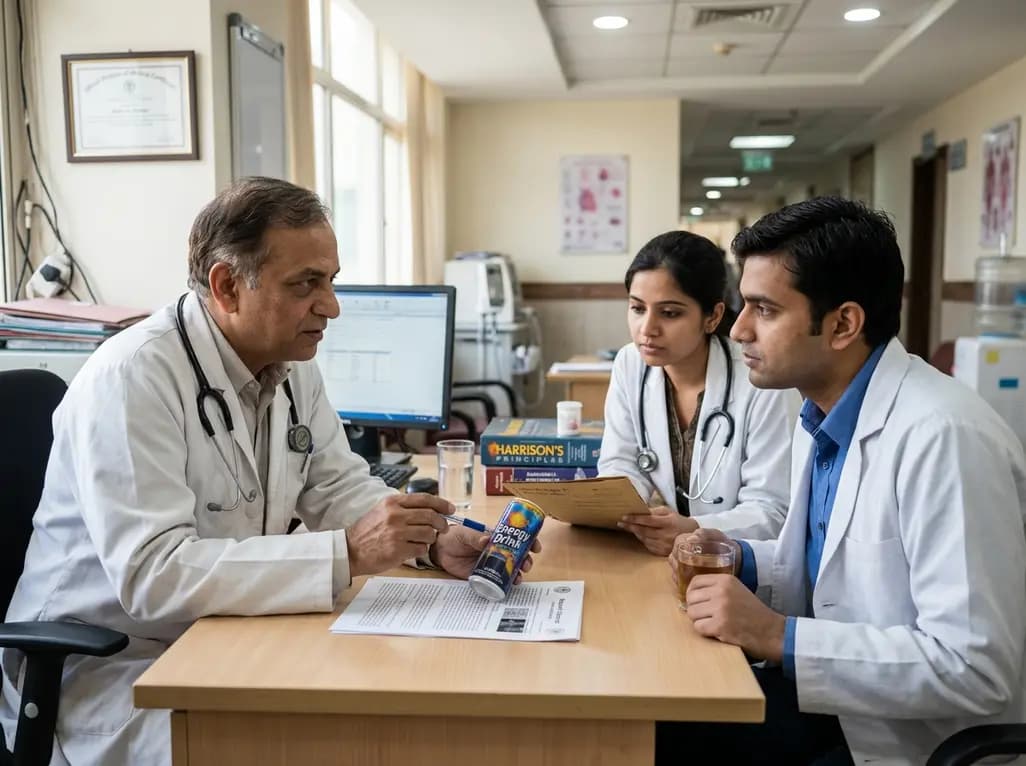
PepsiCo and Monster Beverage have challenged the FSSAI ban on the energy drink label in Indian courts. While companies highlight supply disruptions, regulatory actions spotlight severe cardiovascular and metabolic risks associated with excessive caffeine, sugar, and taurine consumption, especially in adolescents.
Today
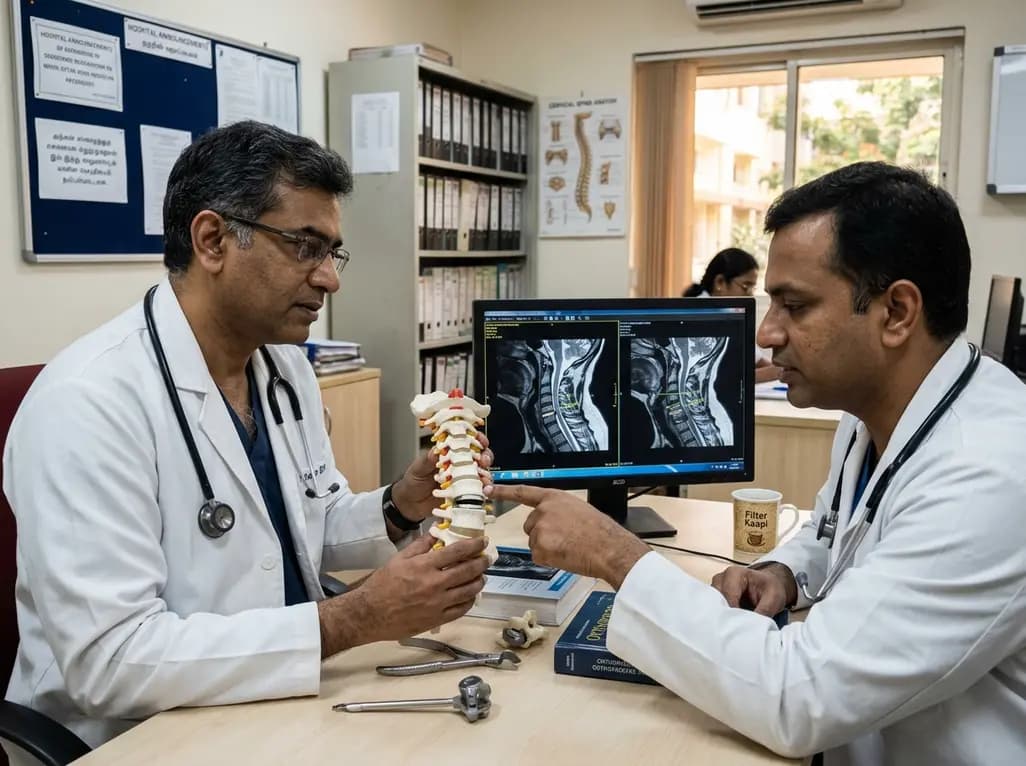
A recent investigation analyzes whether cervical disc arthroplasty effectively restores or merely preserves physiological range of motion, providing critical biomechanical insights for treating hypomobile cervical segments.
Today
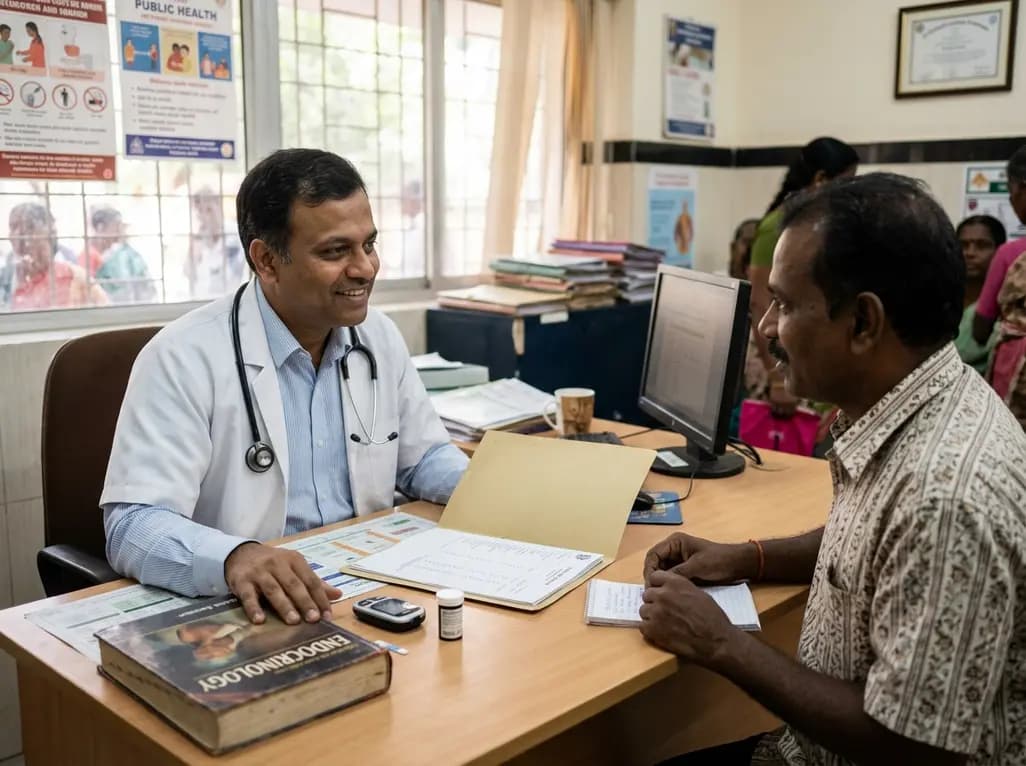
A Bayesian multilevel meta-analysis reveals that aerobic training combined with moderate carbohydrate restriction modestly lowers HbA1c in type 2 diabetes. However, sparse data and very low certainty leave incremental benefits over exercise or diet alone unproven, highlighting the need for individualized care.
Yesterday
