.webp&w=384&q=75)

Loading, please wait...
Loading, please wait...
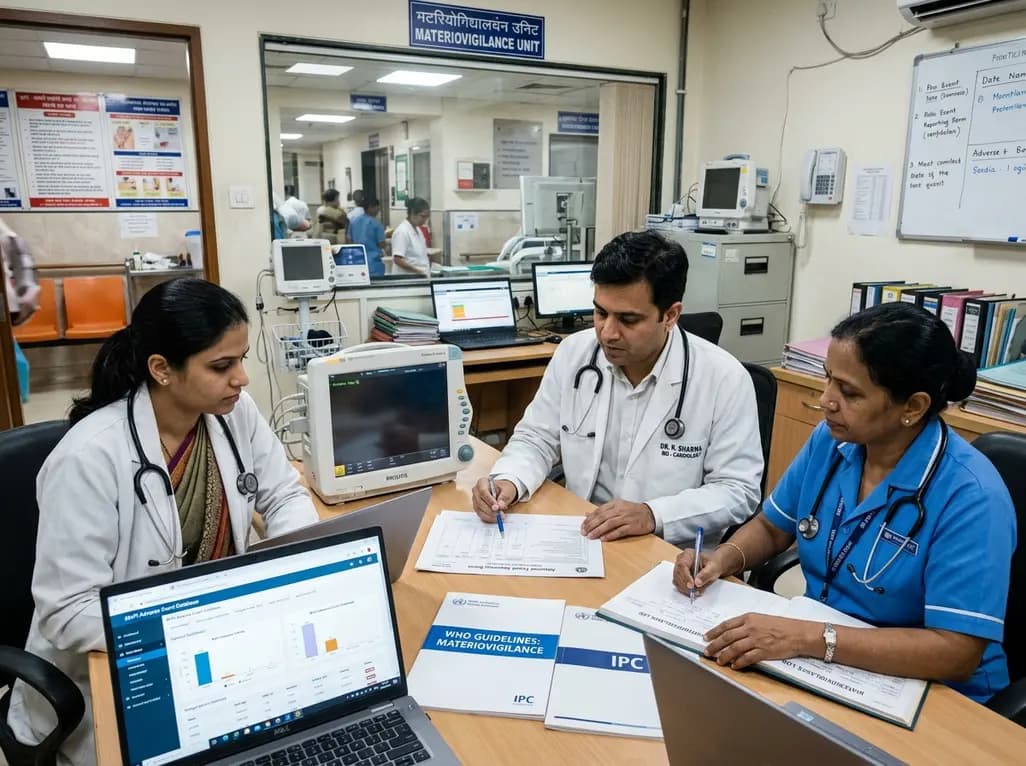
Modern clinical practice relies extensively on advanced technology to deliver life-saving patient care. However, equipment malfunctions and design defects can directly jeopardize clinical outcomes. To tackle these hazards systematically, the Indian Pharmacopoeia Commission and WHO India released Version 1.3 of the national hospital guidance document. This directive mandates nationwide healthcare facilities to identify, document, and report medical device adverse events without delay. Consequently, medical centers must treat equipment vigilance as an essential component of clinical governance and patient safety.
The Ministry of Health and Family Welfare originally launched the Materiovigilance Programme of India in 2015. The Indian Pharmacopoeia Commission operates as the National Coordination Centre for this nationwide initiative. Over the past decade, the program has expanded considerably to cover 775 Medical Device Adverse Event Monitoring Centres across the country. Furthermore, technical support from specialized biomedical institutions and the World Health Organization continues to refine regulatory safety protocols. The newly published Version 1.3 guidance establishes a standardized workflow for public and private healthcare facilities alike. In addition, the guidance bridges critical communication gaps between bedside healthcare providers and regulatory authorities. Clinicians historically underreported equipment errors due to ambiguities surrounding institutional liability or technical fault attribution. Therefore, the revised framework removes these barriers by promoting an open and non-punitive reporting culture. By strengthening this surveillance network, the commission can capture subtle clinical safety signals early. As a result, health authorities can implement rapid corrective interventions and safeguard patient populations effectively.
Under the revised guidelines, clinicians must report all suspected incidents regardless of whether they have confirmed direct causality. When healthcare workers experience diagnostic uncertainty regarding an incident, the official recommendation is to report the occurrence immediately. Specifically, the framework encompasses device failures, unexpected deteriorations, out-of-specification diagnostic readings, software glitches, and design flaws. Moreover, clinical teams must actively report packaging errors, inaccurate labeling instructions, and dangerous user administration mistakes. The directive categorizes medical device adverse events according to their clinical severity and sets definitive timelines for institutional action. Serious adverse events that cause patient demise or life-threatening physiological deterioration require mandatory notification within 15 days. Conversely, clinicians must report non-serious incidents that harbor potential for severe harm within 30 days. In addition, healthcare facilities must report suspected unexpected serious adverse events to the relevant licensing authorities within 15 days. By enforcing these time-sensitive schedules, the National Coordination Centre can prevent recurrent hazards and protect vulnerable patients from preventable complications.
Hospitals must establish formal administrative structures to support day-to-day vigilance activities seamlessly. To achieve this objective, institutions should designate a qualified clinical nodal officer or establish an accredited monitoring center. Furthermore, facilities must implement structured training programs for medical staff, nursing teams, and biomedical engineering professionals. Continuous professional education enables frontline caregivers to recognize subtle equipment deterioration before serious injury transpires. Hospitals must also maintain comprehensive archives of preventive maintenance schedules, manufacturer calibration certificates, and incident reports. Whenever a significant or recurring adverse event occurs, the multidisciplinary safety committee must conduct a structured root-cause analysis. Subsequently, institutional leaders must implement corrective and preventive actions to eliminate the underlying mechanical or operational vulnerabilities. Regular internal audits must verify that these safety interventions remain effective over time. Furthermore, hospital administrators should incorporate equipment safety performance metrics into continuous hospital quality assurance programs. This comprehensive approach ensures that hospitals resolve localized equipment defects systematically rather than managing incidents reactively.
Certain hospital departments operate under intense pressure where equipment downtime or malfunction creates immediate mortality risks. Therefore, the national framework mandates active surveillance protocols across intensive care units, emergency departments, operation theatres, and catheterization laboratories. Specialty areas such as interventional cardiology, neurosurgery, and oncology must also adhere strictly to heightened monitoring routines. Clinicians in these high-risk areas must review identified critical equipment on a weekly or monthly basis depending on usage patterns. Additionally, hospital units must prominently display lists of actively monitored devices in staff workrooms and nursing stations. Each departmental head must appoint a dedicated focal person to coordinate surveillance, educate peers, and escalate malfunctions. If the Indian Pharmacopoeia Commission issues a specific device safety alert, facilities must immediately add the affected product to their priority inspection lists. Similarly, the rapid adoption of artificial intelligence algorithms, networked monitors, and complex implantable hardware introduces novel functional risks. Active surveillance ensures that healthcare personnel detect software bugs, battery failures, and interface mismatches before they cause severe clinical harm.
To streamline regulatory compliance, the Indian Pharmacopoeia Commission provides multiple accessible reporting modalities for practitioners. The centralized Adverse Drug Reactions Monitoring System offers a dedicated digital portal for recording medical product incidents electronically. This digital platform supports real-time electronic submission, rapid case tracking, longitudinal follow-up, and regulatory signal detection. Moreover, the commission maintains a toll-free helpline to assist smaller facilities and individual practitioners during data submission. Consumers and family caregivers can also submit reports directly if they suspect an outpatient device failure. Importantly, the revised framework emphasizes that vigilance must extend well beyond tertiary referral medical colleges. Primary and secondary health centers frequently handle diagnostic consumables, delivery equipment, and basic monitoring instruments during routine patient care. Because unexpected device failures often manifest first at the community level, frontline healthcare providers require adequate reporting access. Equipping rural health centers with user-friendly reporting tools ensures comprehensive nationwide data collection. Consequently, policymakers obtain reliable real-world performance evidence to guide public health decisions and ensure consistent equipment quality across India.
Q1: What qualifies as a reportable medical device adverse event under the new guidelines?
A reportable event includes any equipment malfunction, technical deterioration, abnormal diagnostic reading, or design flaw encountered during clinical care. Labeling inaccuracies, user errors, and near-miss incidents also qualify for reporting. Clinicians should submit an adverse event report whenever equipment performance falls short of expectations, even if they have not established definitive causality between the device and patient outcomes.
Q2: What are the mandatory reporting timelines for hospitals under the MvPI framework?
Hospitals must submit reports for serious adverse events resulting in death or serious health deterioration within 15 days. Non-serious events with potential to cause significant harm require formal reporting within 30 days. Additionally, institutions must notify the concerned regulatory licensing authorities regarding any suspected unexpected serious adverse events within 15 days of occurrence.
Q3: How should hospitals implement active surveillance for critical medical devices?
Hospitals must maintain an active surveillance list displayed prominently within high-risk units such as intensive care, surgical suites, and cardiology suites. Departmental nodal officers must monitor these devices weekly or monthly depending on risk classification. The facility must also conduct root-cause analysis on recurrent defects, log maintenance activities, and record entries in the national ADRMS portal.
Disclaimer: This content is for informational and educational purposes only. It does not constitute medical advice or replace professional judgment. Refer to the latest local and national guidelines for clinical practice.
References

Read summarized clinical updates, watch expert medical content, and earn CME certifications right from your smartphone.
Open your smartphone camera to scan and install.





The Indian Pharmacopoeia Commission and WHO India have released Version 1.3 guidelines for hospital materiovigilance. Healthcare facilities across primary, secondary, and tertiary levels must establish adverse event monitoring centres, conduct active surveillance on critical equipment, and observe strict timelines.
Today
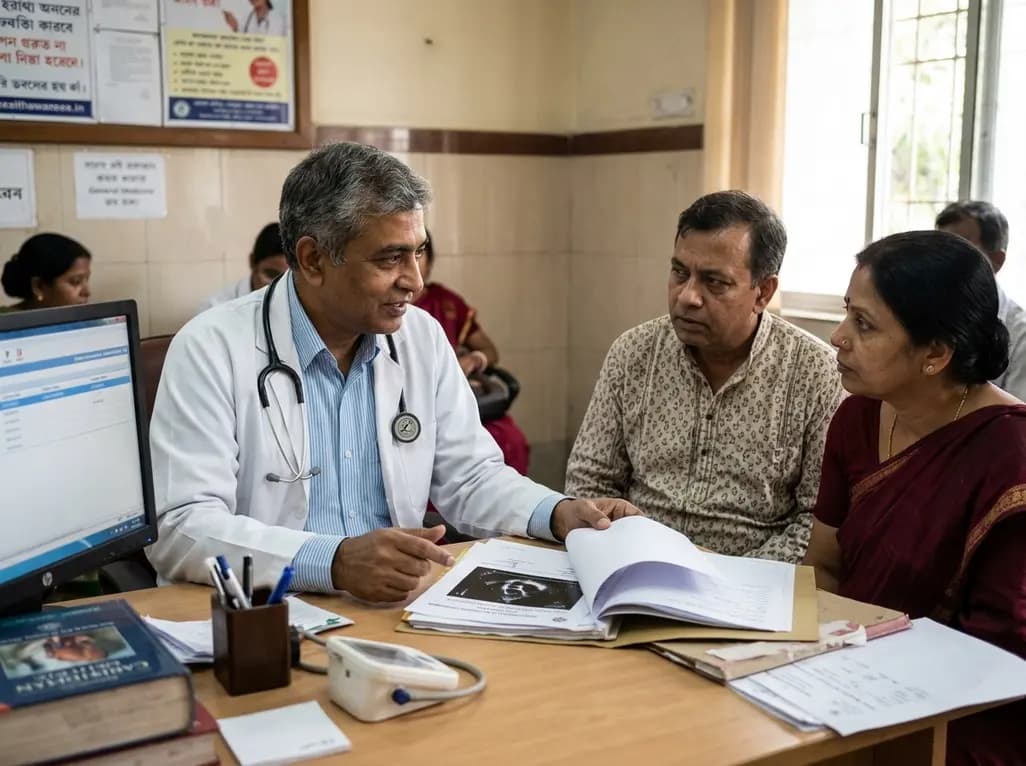
Large-scale UK Biobank data reveals that persistent systemic inflammation driven by chronic psychosocial stress and adverse lifestyles silently induces myocardial remodeling. Patients exhibit thicker walls and reduced chamber volumes years before overt heart disease, demanding earlier biomarker-driven prevention.
Today
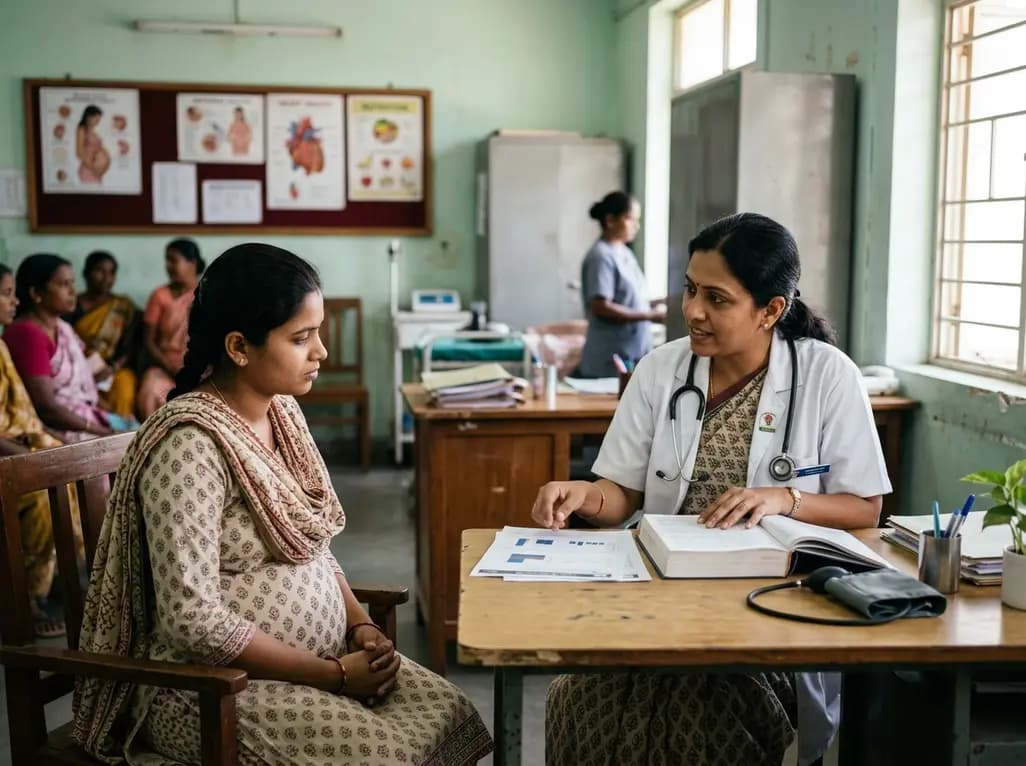
A recent longitudinal study evaluated the link between prenatal loss of control eating and cardiovascular health using Life's Essential 8 frameworks. While direct associations across pregnancy were non-significant, the high prevalence of dysregulated eating highlights critical implications for obstetric practice.
Today
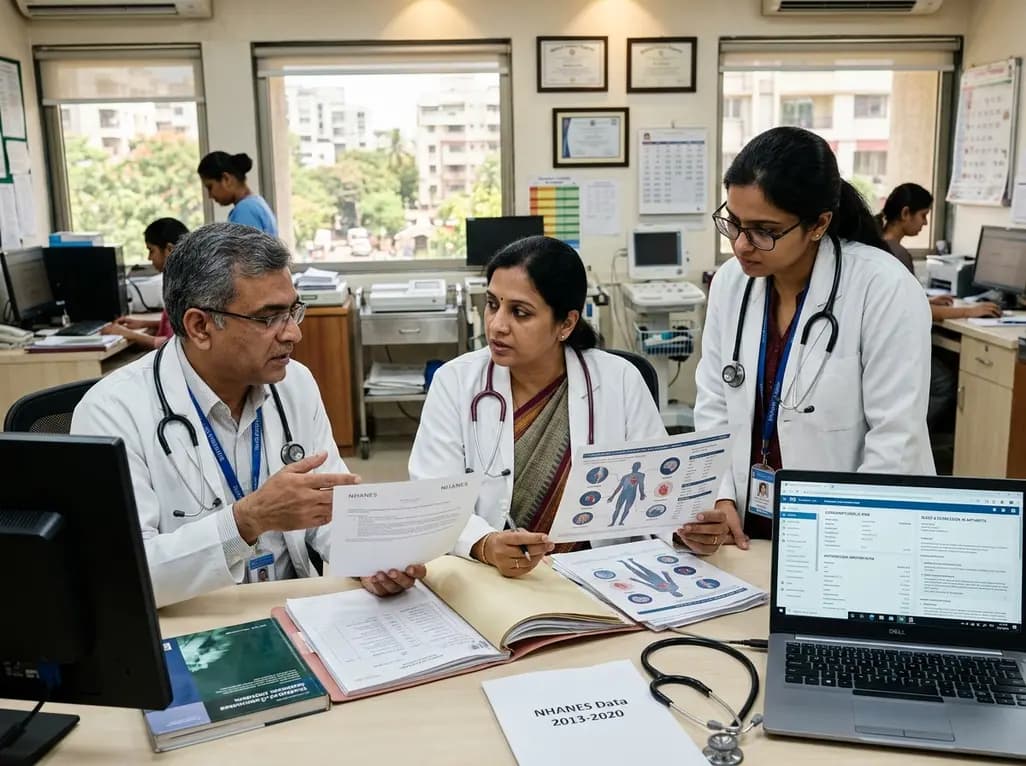
A cross-sectional analysis of NHANES 2013-2020 reveals that depressive symptoms and sleep disturbance significantly elevate the odds of cardiometabolic multimorbidity in adults with arthritis. Comprehensive clinical screening and integrated multi-organ interventions are vital to reduce overall cardiovascular burden.
Today
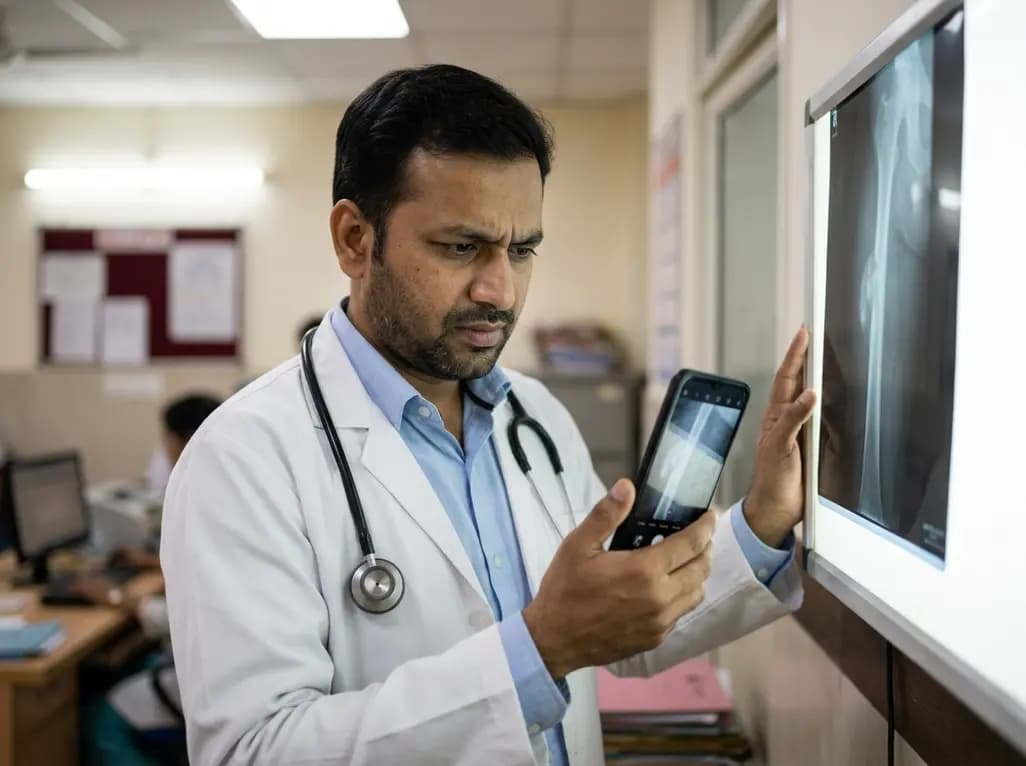
A retrospective study evaluating a locally deployed vision language model (Qwen3-VL) reveals that smartphone-captured radiographs and retrieval-augmented generation can paradoxically reduce diagnostic accuracy in bone tumor referrals due to optical noise and textual hallucinations.
Today

A real-world quasi-experimental study reveals that web-based apps fostering healthy habit formation significantly boost physical activity and dietary quality in adults. Discover key clinical insights on digital adherence, dose-response effects, and patient-specific modifiers in preventive medicine.
Today
