.webp&w=384&q=75)

Loading, please wait...
Loading, please wait...
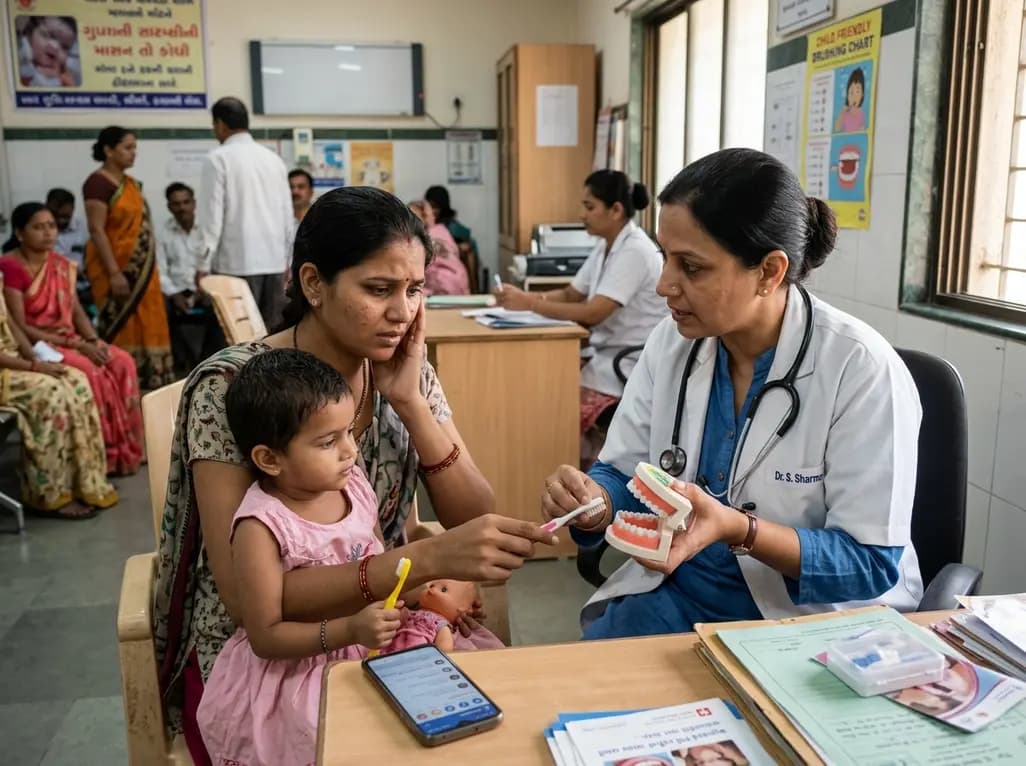
Maintaining pediatric dental wellness requires consistent domestic routines, proper dietary control, and active caregiver supervision. Recent clinical investigations highlight how maternal psychological distress disrupts these foundational home practices. Understanding the complex link between maternal mental health oral health outcomes is essential for primary care clinicians, pediatricians, and dental specialists. Immigrant families often face compounded psychosocial challenges, including cultural transitions, language barriers, financial strain, and unfamiliarity with local healthcare systems. Consequently, parental emotional distress can inadvertently alter daily health habits, leading to compromised preventative care for young children.
Epidemiological research reveals that common psychological disorders such as clinical anxiety and depressive syndromes significantly impair parental executive functioning and emotional bandwidth. Caregivers who experience persistent depressive symptoms frequently struggle with daily domestic organization, routine self-care, and consistent scheduling. As a result, fundamental hygiene routines, including supervised twice-daily toothbrushing and structured dietary habits, become difficult to sustain. Primary healthcare providers must recognize that a young child's oral hygiene status reflects broader family dynamics. Therefore, evaluating caregiver emotional wellness provides vital clinical insights into pediatric developmental risks and preventive dental vulnerabilities.
A recent cross-sectional investigation conducted in Edmonton, Canada evaluated 302 immigrant parent-child dyads to assess specific behavioral associations. The researchers examined children between two and twelve years of age whose mothers completed standardized psychometric questionnaires. Specifically, maternal anxiety and depressive symptoms were measured using the validated Hospital Anxiety and Depression Scale. Furthermore, investigators analyzed parental digital media habits alongside children's oral hygiene practices, preventative dental visits, and nutritional patterns. On average, the participating parents had resided in the host country for approximately a decade, and sixty-eight percent possessed higher education credentials.
The statistical analyses demonstrated striking negative correlations between maternal psychological distress and pediatric hygiene adherence. Higher maternal anxiety scores reduced the odds of regular child toothbrushing by fourteen percent. Similarly, elevated maternal depression scores were associated with a twenty-one percent reduction in the likelihood of routine toothbrushing. Interestingly, parental psychological distress showed strong positive associations with problematic digital platform engagement. Each unit increase in anxiety and depression scores elevated social media addiction scores by forty-nine percent and fifty-one percent, respectively, highlighting marked behavioral co-occurrence.
Digital connectivity remains ubiquitous among immigrant families seeking social connections, peer advice, and cultural links in host countries. Consequently, researchers hypothesized that compulsive social media use might mediate or moderate the negative relationship between maternal depression and pediatric oral hygiene. However, sophisticated regression, mediation, and moderation analyses demonstrated no significant mediating or moderating effect. Instead, maternal psychological distress directly influenced toothbrushing consistency regardless of social media addiction scores or total digital screen time.
Nevertheless, the severe elevation of digital platform addiction among anxious and depressed mothers warrants clinical vigilance from family physicians. Problematic screen use often serves as an avoidant coping mechanism for acute emotional distress, isolation, and chronic parenting fatigue. Although social media addiction does not directly cause oral neglect, it frequently signals underlying parental burnout and psychological distress. Thus, clinicians should view excessive digital consumption as an important clinical red flag for maternal mood disruption. Addressing the core emotional distress remains the most effective strategy to restore healthy domestic caregiving routines and family stability.
Several psychological and behavioral mechanisms explain why maternal mood disorders compromise pediatric oral health and domestic hygiene routines. First, clinical depression diminishes maternal physical energy, self-efficacy, and emotional persistence. Guiding an uncooperative young child through daily morning and bedtime toothbrushing demands substantial patience, physical effort, and firm behavioral boundaries. When a mother experiences depressive lethargy, these interactive routines often collapse entirely. As a result, children fail to establish autonomous oral hygiene habits during critical early childhood developmental windows.
Second, maternal anxiety frequently leads to cognitive overload, heightened irritability, and impaired domestic prioritization. Anxious parents often worry about multiple immediate social or financial stressors, which displaces long-term preventative health goals. Furthermore, depressed caregivers may rely heavily on cariogenic comfort foods, processed snacks, and sweetened beverages to soothe irritable children quickly. This dietary pattern drastically accelerates early childhood caries development. Additionally, mothers suffering from affective disorders often postpone routine preventative dental visits, ensuring that incipient dental pathology remains undetected until severe pain or extensive cavitation necessitates costly emergency intervention.
These findings emphasize the urgent necessity of integrating maternal psychological assessment into routine pediatric and dental clinical visits. Pediatricians, family physicians, and dental practitioners are ideally situated to identify early markers of family distress during regular examinations. When clinicians observe poor oral hygiene, widespread plaque accumulation, or missed preventive appointments, they should look beyond simple caregiver compliance issues. Instead, practitioners ought to explore the caregiver's psychosocial environment through empathetic, culturally sensitive, and structured clinical dialogue.
Implementing brief, validated screening instruments can transform clinical outcomes across diverse pediatric and dental practices. For instance, incorporating the two-question Patient Health Questionnaire or generalized anxiety scales into intake paperwork enables rapid risk stratification without adding clinical burden. Moreover, dental clinics should establish seamless referral pathways to maternal mental health professionals, family counselors, and community support groups. By treating maternal mental illness as an actionable risk factor for pediatric disease, clinicians can protect both maternal well-being and childhood development simultaneously.
Addressing persistent oral health disparities in immigrant communities requires comprehensive public health initiatives that transcend traditional clinical silos. Policymakers must develop culturally adapted health education campaigns that highlight the deep connection between parental wellness and childhood hygiene. Community health workers who share linguistic and cultural backgrounds with immigrant mothers can deliver home-based support, maternal reassurance, and practical brushing demonstrations. Such grassroots approaches effectively dismantle cultural stigma surrounding mental health support while reinforcing positive oral hygiene practices.
Furthermore, healthcare systems should expand subsidised dental coverage and accessible community-based mental health resources for newcomer populations. Collaborative care models uniting pediatricians, general dentists, public health nurses, and mental health specialists will foster holistic family wellness. In addition, providing accessible parenting workshops can equip mothers with stress-reduction techniques, positive behavioral reinforcement skills, and practical nutritional guidance. Ultimately, supporting maternal emotional stability creates a nurturing home environment where essential preventative pediatric health practices can thrive naturally.
Maternal depression decreases caregiver energy, focus, and emotional availability. Because young children require active supervision and consistent routines to brush effectively, maternal fatigue often leads to skipped brushing sessions. Consequently, children lack the daily reinforcement required to establish durable oral hygiene habits, significantly increasing their long-term dental caries risk.
Current clinical research indicates that social media addiction does not directly mediate or moderate pediatric toothbrushing habits. Instead, problematic digital use correlates strongly with underlying maternal anxiety and depression. The primary driver of neglected oral hygiene remains the maternal mood disorder itself, rather than screen time alone.
Caregiver psychological distress directly impairs preventative dental care and domestic hygiene routines. By screening mothers during pediatric dental visits, clinicians can identify underlying family distress early. This proactive approach facilitates timely mental health referrals and enables tailored oral health coaching, ultimately improving pediatric clinical outcomes and maternal well-being.
Disclaimer: This content is for informational and educational purposes only. It is not intended to be a substitute for professional medical advice, diagnosis, or treatment. Always seek the advice of your physician or other qualified health provider with any questions you may have regarding a medical condition. Refer to the latest local and national guidelines for clinical practice.
References
Bohlouli S et al. Social media addiction, maternal mental health, and children's oral health behaviours among immigrants. PLoS One. 2026. doi: 10.1371/journal.pone.0357008. PMID: 42658847.
Ludovichetti FS, Zuccon A, Zambon G, et al. Maternal mental health and children oral health: a literature review. Eur J Paediatr Dent. 2023;24(2):133-138. doi:10.23804/ejpd.2023.1833.
Tsuchiya S, Momma H, Becker CB, et al. Influence of maternal postpartum depression on children's toothbrushing frequency. Community Dent Health. 2021;38(4):259-264. doi:10.1922/CDH_00010Tsuchiya06.

Read summarized clinical updates, watch expert medical content, and earn CME certifications right from your smartphone.
Open your smartphone camera to scan and install.





A study reveals that maternal anxiety and depression significantly reduce children's toothbrushing frequency in immigrant families. While social media addiction correlates with maternal distress, it does not mediate oral health behaviours, highlighting the critical need for mental health screening in dental care.
4 weeks back

A nationwide English cohort study shows that interstitial lung diseases are no longer rare, with incidence jumping 30% and 200,000 active cases. This analysis highlights clinical implications for diagnosis, multi-disciplinary management, and global health priorities across respiratory and internal medicine.
Today

A nationwide South Korean study shows underreporting of smoking among women dropped from 57.4% to 36.4% between 2008 and 2021. However, over one-third of female smokers still conceal their habit, highlighting the critical role of cotinine verification in clinical risk assessment.
Today

PepsiCo and Monster Beverage have challenged the FSSAI ban on the energy drink label in Indian courts. While companies highlight supply disruptions, regulatory actions spotlight severe cardiovascular and metabolic risks associated with excessive caffeine, sugar, and taurine consumption, especially in adolescents.
Today
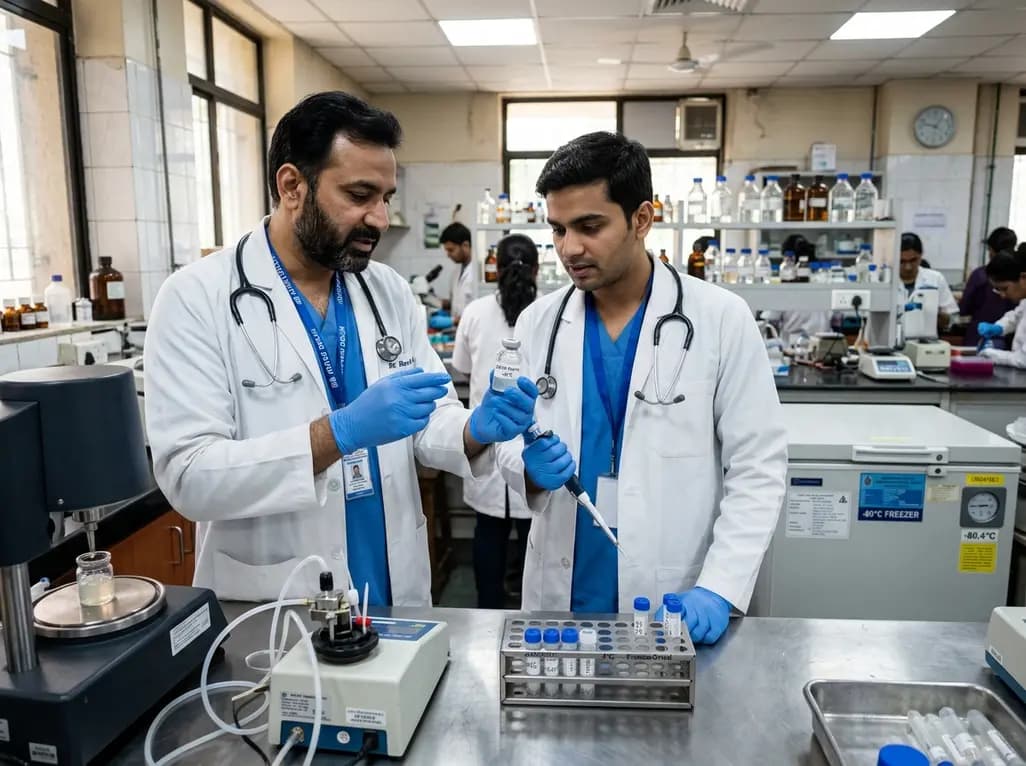
A new study evaluates the rheological stability of decellularized peripheral nerve matrix hydrogels under varied storage conditions. Findings show -80°C storage and freeze-drying preserve gelation kinetics and mechanical stiffness, offering key insights for shipping and translational clinical applications.
Today

A Bayesian multilevel meta-analysis reveals that aerobic training combined with moderate carbohydrate restriction modestly lowers HbA1c in type 2 diabetes. However, sparse data and very low certainty leave incremental benefits over exercise or diet alone unproven, highlighting the need for individualized care.
Yesterday
