.webp&w=384&q=75)

Loading, please wait...
Loading, please wait...
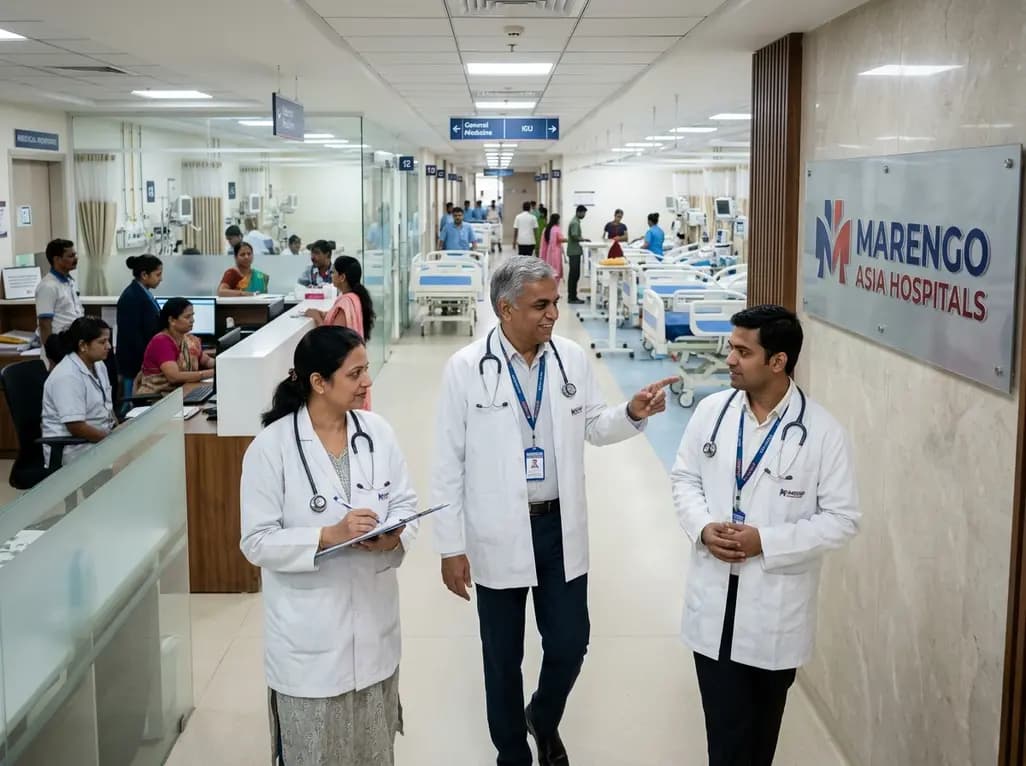
Marengo Asia Hospitals has officially raised ₹400 crore from LeapFrog Investments to accelerate its clinical network expansion across India. Consequently, the multi-specialty healthcare provider intends to scale its current infrastructure rapidly over the next two years. The capital infusion comes from LeapFrog’s fourth fund, which targets high-growth healthcare platforms in emerging economies. Samara Capital, alongside prominent family offices including Havells and Godrej, continues to support the enterprise as major institutional backers.
Furthermore, this financial injection will enable the organisation to strengthen its balance sheet and pursue strategic acquisitions. Dr. Raajiv Singhal, a former Indian Army surgeon, founded the organisation with a clear commitment to clinical accountability. Under his guidance, the platform has grown into a formidable regional player that manages five comprehensive tertiary facilities. Moreover, the group currently operates around 2,000 beds across Gujarat, Rajasthan, and the National Capital Region. Therefore, this newly acquired equity capital offers substantial runway to consolidate clinical services before planning a future public listing. Additionally, the leadership team aims to enhance high-acuity medical departments to serve expanding patient cohorts. This disciplined expansion reflects robust investor confidence in modern hospital platforms.
India currently faces a notable shortage of tertiary hospital infrastructure, especially when evaluated against international standards. Specifically, the nation provides approximately 1.5 to 1.7 hospital beds per 1,000 citizens. This ratio falls nearly 55 percent below the global healthcare average recommended by public health authorities. Consequently, public and private healthcare facilities frequently operate at peak capacity, leading to severe bottlenecks in critical care access.
Moreover, the epidemiological shift toward non-communicable diseases has drastically increased the clinical demand for inpatient beds. Chronic illnesses like heart disease, cancer, diabetes, and renal failure account for roughly 66 percent of national mortalities. Therefore, patients require specialized interventions, prolonged hospitalizations, and complex multidisciplinary monitoring. However, most advanced quaternary centers remain concentrated in elite urban pockets, leaving vast geographic gaps. By doubling its inpatient capacity to more than 4,000 beds, the network directly addresses these structural capacity constraints. In addition, this operational scaling creates modern intensive care units, advanced surgical suites, and dedicated emergency wards. Ultimately, increasing available bed numbers improves clinical throughput and reduces critical treatment delays for acute cases. Consequently, expanding bed infrastructure represents a critical public health necessity.
The strategic deployment of fresh growth capital will focus heavily on underserved Tier-I and Tier-II urban centers. Currently, tertiary medical advancements remain disproportionately clustered around a few major metropolitan cities. Consequently, patients residing in secondary cities must travel long distances to access specialized surgical and medical therapies. This geographic reality imposes immense financial stress and clinical vulnerability on families during acute health crises.
Furthermore, rising personal incomes and expanding private health insurance coverage are transforming healthcare consumption in non-metro locations. Citizens in growing regional hubs increasingly demand high-caliber clinical care within their immediate geographic vicinity. Therefore, hospital chains can achieve sustainable patient volumes by establishing comprehensive regional facilities outside traditional tier-one corridors. The organization utilizes a proven buy-and-build strategy, acquiring regional hospitals and upgrading their clinical capabilities. Additionally, this approach accelerates market entry by revitalizing existing brownfield facilities rather than relying exclusively on slower greenfield projects. As a result, local medical professionals gain access to modern facilities, while patients receive prompt tertiary care close to home. Consequently, this regional decentralization strengthens national healthcare resilience and bridges acute regional healthcare disparities. Meanwhile, medical specialists find compelling opportunities to practice advanced medicine in emerging urban centers.
Scaling physical bed volume represents only one facet of hospital expansion; elevating clinical quality remains equally vital. Modern multi-specialty healthcare networks must construct robust centers of excellence across complex, high-acuity therapeutic areas. Specifically, facilities require cutting-edge infrastructure in adult and pediatric cardiology, comprehensive medical and surgical oncology, and neurosurgery. Additionally, advanced gastroenterology, joint replacement orthopedics, and organ transplantation demand substantial capital investment in specialized equipment.
Consequently, capital proceeds will fund the acquisition of next-generation robotic surgery platforms, advanced linear accelerators, and digital biplane catheterization laboratories. Such technological upgrades empower surgical and medical specialists to perform minimally invasive procedures with elevated precision. Furthermore, modern intensive care units require sophisticated hemodynamic monitoring devices, automated ventilators, and continuous renal replacement therapy hardware. These technical investments directly translate into reduced surgical morbidity, lower infection rates, and shortened hospital lengths of stay. Moreover, institutional investment strengthens digital health integration, facilitating electronic medical record interoperability and artificial intelligence diagnostic pathways. Ultimately, upgrading high-acuity infrastructure enables clinicians to manage complex cases locally with international benchmarks of clinical safety. Therefore, patients benefit from comprehensive treatment plans without needing tertiary cross-border transfers. Simultaneously, clinical teams achieve higher procedural success rates across all major surgical subspecialties.
The institutional backing behind hospital networks heavily influences their clinical integrity, strategic governance, and financial longevity. In this instance, Marengo Asia Hospitals benefits from experienced stewardship provided by private equity major Samara Capital. Furthermore, reputable Indian industrial conglomerates, namely the Havells and Godrej family offices, provide vital strategic direction and governance stability. The entry of LeapFrog Investments introduces an established global impact investing philosophy centered on accessible, high-quality essential services.
Moreover, institutional oversight ensures that aggressive commercial expansion does not compromise medical ethics or patient welfare standards. Strong corporate governance promotes transparent clinical audits, accredited infection control policies, and continuous professional training programs for staff. Consequently, hospitals maintain rigorous compliance with national accreditation standards, including NABH and NABL mandates across all regional units. Additionally, institutional investors facilitate access to international clinical partnerships, such as collaborative arrangements in Saudi Arabia. This international footprint allows cross-border clinical knowledge sharing, fellowship programs, and coordinated medical exchange initiatives. Therefore, robust organizational backing creates an environment where healthcare practitioners practice with operational security and clear clinical protocols. Ultimately, sound corporate stewardship safeguards both patient safety and long-term enterprise sustainability. Consequently, institutional maturity attracts exceptional clinical talent from across the medical fraternity.
The Indian private healthcare sector stands at a transformative juncture driven by rapid consolidation and institutional investments. Across the country, major investment funds continue to inject substantial equity into regional hospital platforms. Specifically, this capital rush aims to capitalize on expanding domestic healthcare spending and accelerated health insurance penetration. However, the true litmus test for expanding healthcare platforms rests on delivering measurable, high-standard patient outcomes.
Furthermore, as chains scale toward potential initial public offerings, balancing commercial profitability with ethical healthcare delivery remains vital. Clinicians must lead organizational priorities, ensuring that clinical necessity dictates medical interventions rather than pure revenue targets. Additionally, expanded network platforms must prioritize doctor retention by offering structured academic opportunities, research infrastructure, and manageable clinical workloads. When healthcare platforms execute bed capacity expansions prudently, they relieve tremendous pressure on overloaded public tertiary hospitals. In contrast, poorly managed rapid growth risks diluting clinical standards and disrupting staff cohesion. Therefore, the ongoing transformation of hospital networks represents an opportunity to elevate standard operating procedures across Indian medicine. Ultimately, collaborative models that integrate capital, advanced technology, and dedicated clinical leadership will define the future of Indian tertiary care. Consequently, patients across regional hubs will access world-class healthcare without logistical barriers.
Q1: What are the primary objectives of the recent ₹400 crore funding secured by Marengo Asia Hospitals?
The ₹400 crore investment from LeapFrog Investments directly supports the expansion of the multi-specialty hospital network across India. Specifically, the organization aims to double its inpatient capacity from 2,000 beds to more than 4,000 beds within the next two years. Furthermore, the proceeds will finance brownfield acquisitions, advanced medical equipment procurement, and infrastructure upgrades across Tier-I and Tier-II cities, strengthening high-acuity clinical care delivery in underserved regional healthcare markets.
Q2: Why is expanding hospital bed capacity especially critical in India's current healthcare environment?
India currently maintains a significant hospital infrastructure deficit, providing only 1.5 to 1.7 beds per 1,000 individuals, which is substantially below international benchmarks. Meanwhile, the growing burden of chronic non-communicable diseases, such as cardiovascular disorders, cancer, and renal conditions, drives immense demand for specialized inpatient admissions. Consequently, expanding bed capacity mitigates severe overcrowding, expands critical care availability, and ensures timely tertiary interventions for acute medical emergencies across underserved regional populations.
Q3: Which healthcare specialties will benefit most from this network expansion and technology upgrade?
The network expansion focuses on strengthening high-acuity therapeutic areas requiring sophisticated clinical infrastructure and multidisciplinary medical expertise. Key benefiting specialties include cardiology, medical and surgical oncology, neurology, gastroenterology, orthopedics, and nephrology. Furthermore, the infusion supports enhanced surgical suites, advanced linear accelerators, diagnostic catheterization laboratories, and expanded intensive care units. Consequently, clinicians can manage complex pathologies locally with precision medical technologies, reducing the necessity for out-of-region patient transfers.
Disclaimer: This content is for informational and educational purposes only. It does not constitute medical advice or replace professional judgment. Refer to the latest local and national guidelines for clinical practice.
References

Read summarized clinical updates, watch expert medical content, and earn CME certifications right from your smartphone.
Open your smartphone camera to scan and install.





LeapFrog Investments has infused ₹400 crore into Marengo Asia Hospitals to scale its clinical network. The multi-specialty healthcare provider plans to double its capacity from 2,000 to over 4,000 beds across Tier-I and Tier-II cities, strengthening tertiary and quaternary care access across northern and western India.
Today
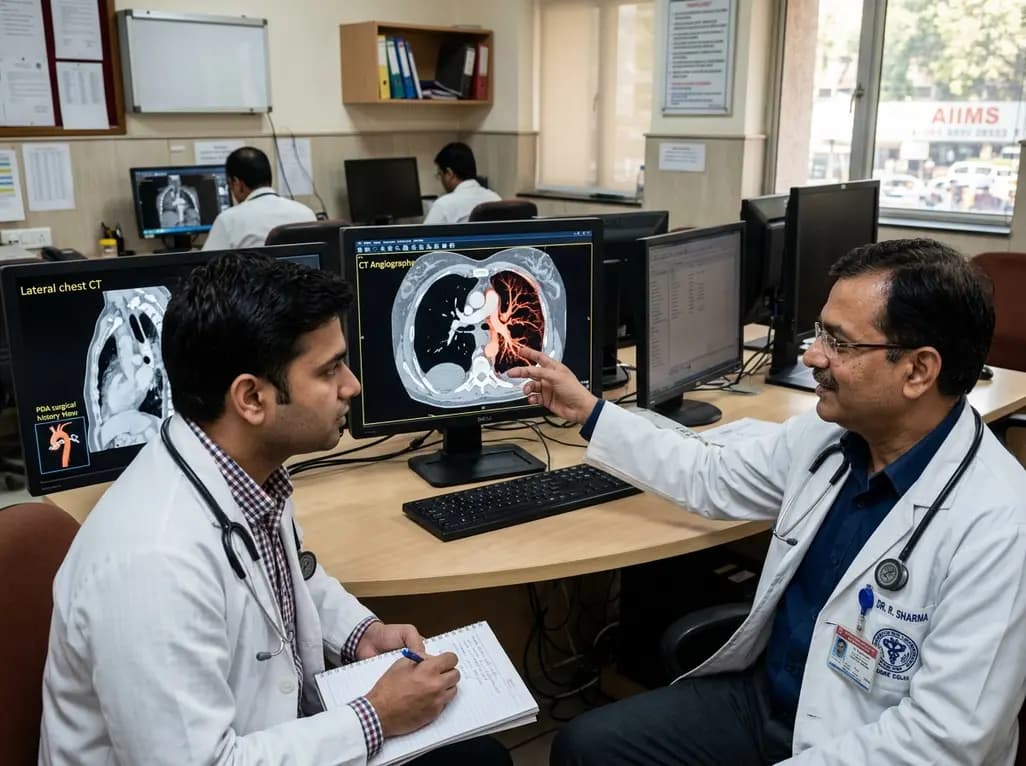
Congenital unilateral absence of the pulmonary artery can remain undetected until adulthood. This case report examines a young male presenting with hemoptysis after prior PDA surgery, highlighting the critical role of CT angiography in mapping systemic collaterals and guiding appropriate clinical intervention.
Today
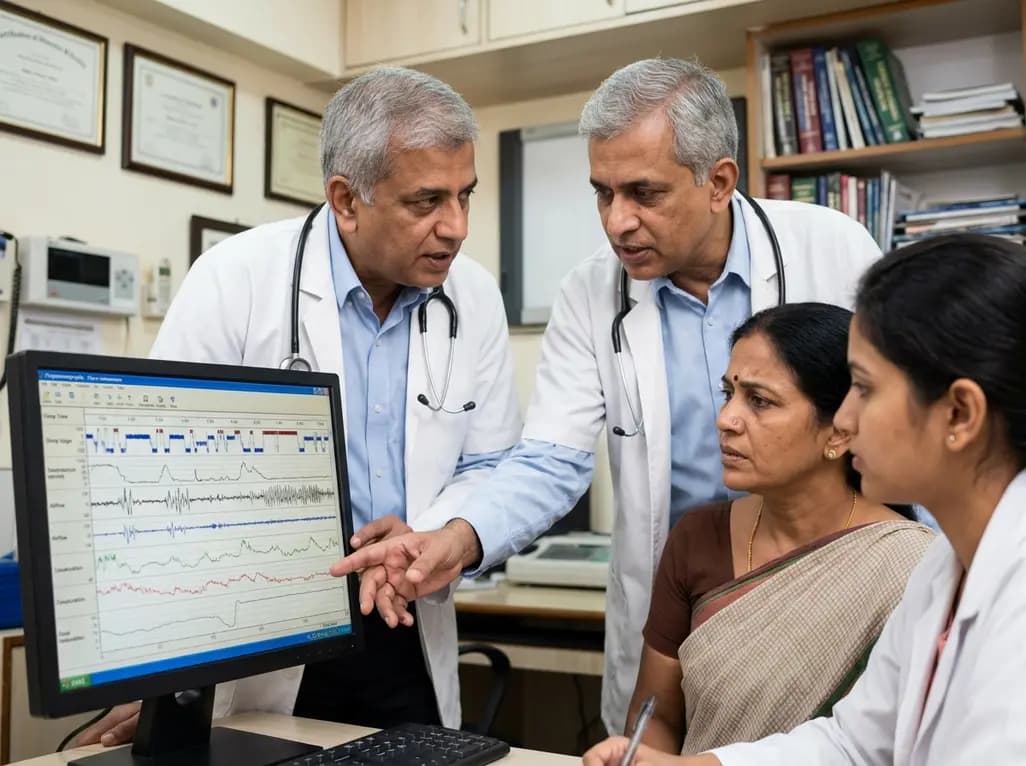
Perimenopausal obstructive sleep apnea often goes undetected due to atypical polysomnographic presentations and symptom overlap with menopause. This review details its neurocognitive mechanisms, polysomnography markers, and precision management strategies.
Today
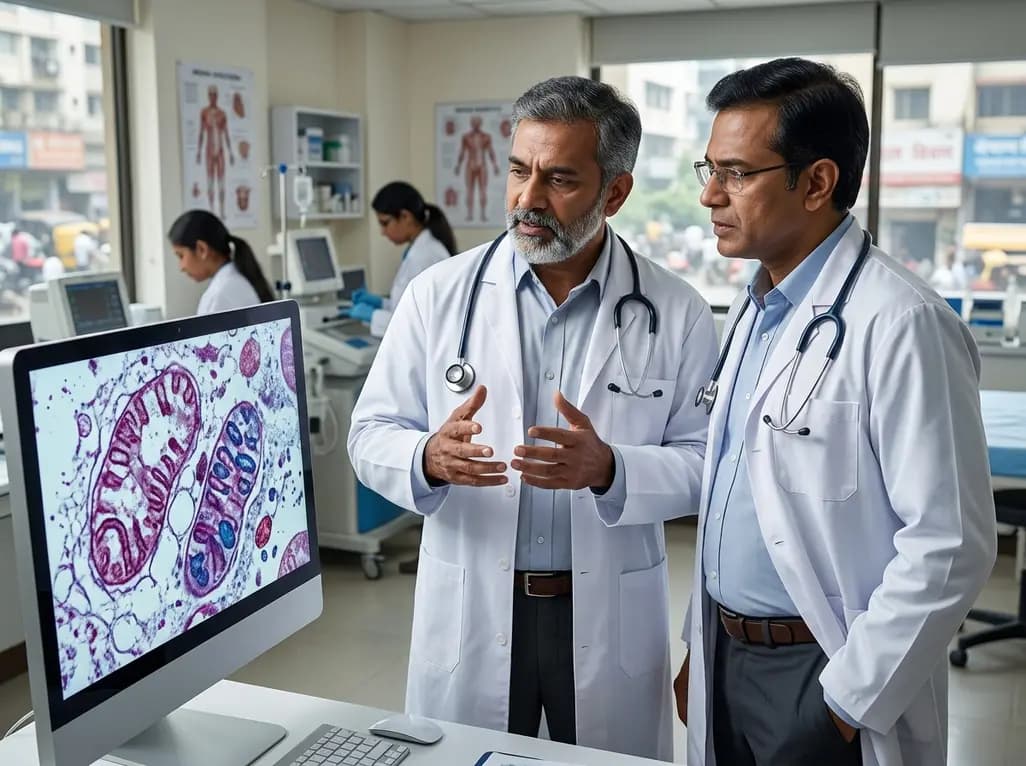
Mitochondrial deubiquitinases regulate organelle turnover by editing ubiquitin tags on damaged mitochondria. Discover how targeting these enzymes, notably USP30, offers therapeutic strategies for neurodegenerative, cardiovascular, and metabolic disorders.
Today
A rare case of a pediatric pathological femoral fracture caused by occult telangiectatic osteosarcoma demonstrates the risks of misdiagnosis after trauma, where intramedullary nailing prompted iatrogenic tumor dissemination and required modular total endoprosthetic reconstruction.
Today
A comprehensive analysis of DRCRnet studies reveals that 15.1% of participants discontinue diabetic retinopathy clinical trials. Identifying baseline demographic and clinical predictors helps ophthalmologists and endocrinologists mitigate real-world treatment dropouts and protect long-term visual outcomes.
Today
