.webp&w=384&q=75)

Loading, please wait...
Loading, please wait...

The MANAS 1 AI model represents a significant leap in Indian neuro-diagnostics. Intellihealth developed the model, which interprets electrical activity from the brain to identify early signs of disease. Consequently, clinicians may soon utilize this technology to detect neurological conditions before they become clinically visible. This innovative tool aims to address the critical shortage of specialists in rural India.
The system utilizes over 60,000 hours of brainwave recordings from more than 25,000 patients. Furthermore, it boasts 400 million parameters to decode complex EEG signals that traditional imaging often misses. Dr. Puneet Agarwal emphasizes that this model acts as a basic language translator for the human brain. Therefore, it provides a robust foundation for developing disease-specific tools for conditions like epilepsy and dementia.
Public health experts highlight the immense potential for early access in community health centers. Since India faces a deficit of neurologists, this AI assists in preliminary screening and timely referrals. Moreover, early detection significantly reduces long-term disability costs for patients and the healthcare system. However, any specific diagnostic tool derived from this platform requires rigorous regulatory approval before clinical use. A next-generation version, MANAS 2, is expected in the coming weeks.
Q1: What is the primary purpose of MANAS 1?
MANAS 1 is a foundational AI model designed to interpret EEG signals for the early detection of neurological and psychiatric disorders, specifically addressing specialist shortages in India.
Q2: Who developed this AI platform?
The model was developed by Intellihealth (NeuroDx), led by neurologist Dr. Puneet Agarwal, with support from the Indian AI Mission under the Ministry of Electronics and Information Technology.
Q3: How does it differ from traditional tests like MRI?
Unlike an MRI, which visualizes structure, MANAS 1 interprets the electrical language of the brain to detect functional abnormalities before structural disease becomes visible.
Disclaimer: This content is for informational and educational purposes only. It does not constitute medical advice or replace professional judgment. Refer to the latest local and national guidelines for clinical practice.
References

Read summarized clinical updates, watch expert medical content, and earn CME certifications right from your smartphone.
Open your smartphone camera to scan and install.





India unveils MANAS 1, a 400M parameter AI model trained on 60,000 hours of EEG data to enable early detection of neurological and psychiatric disorders....
8 months ago

Explore why official drug package inserts fail to reflect modern evidence for clozapine prescribing. Learn how legal standards of care, case law, slow titration, and vital adverse event monitoring empower clinicians to prioritize evidence-based medical practice over outdated manufacturer labeling.
Today
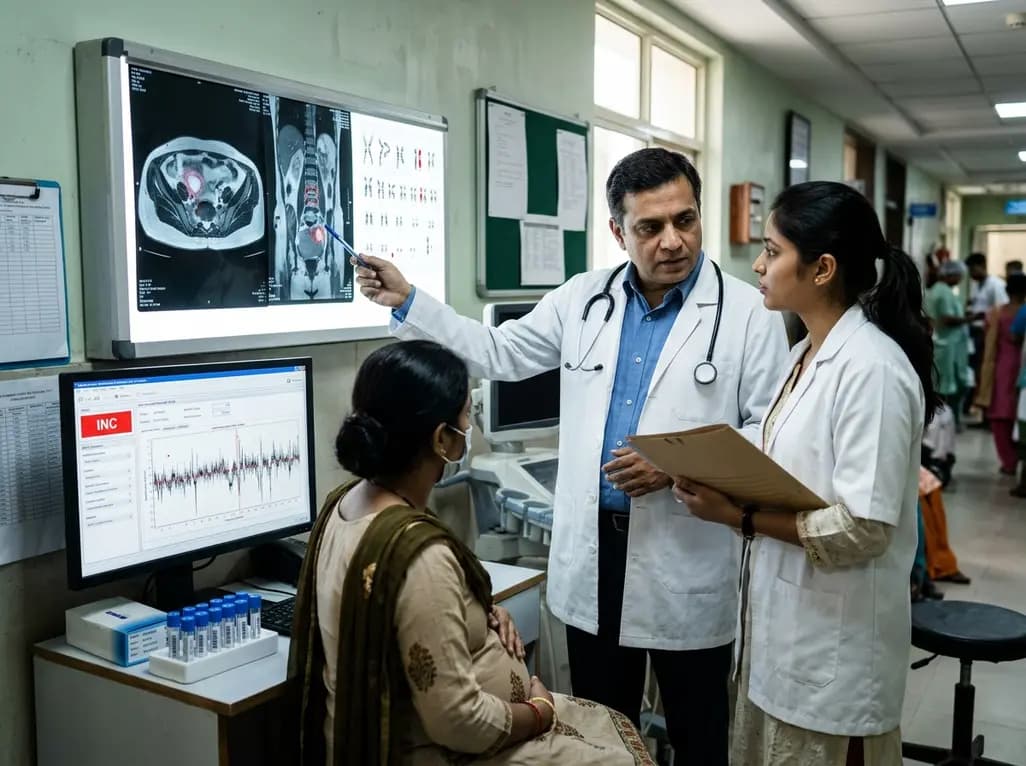
Occult maternal malignancy accounts for 3.82% of persistent unreportable NIPT results with genomic noise. Multiple chromosomal aberrations, notably on chromosome 18, warrant thorough oncological evaluation and whole-body MRI to ensure timely maternal diagnosis while preserving fetal care.
Today
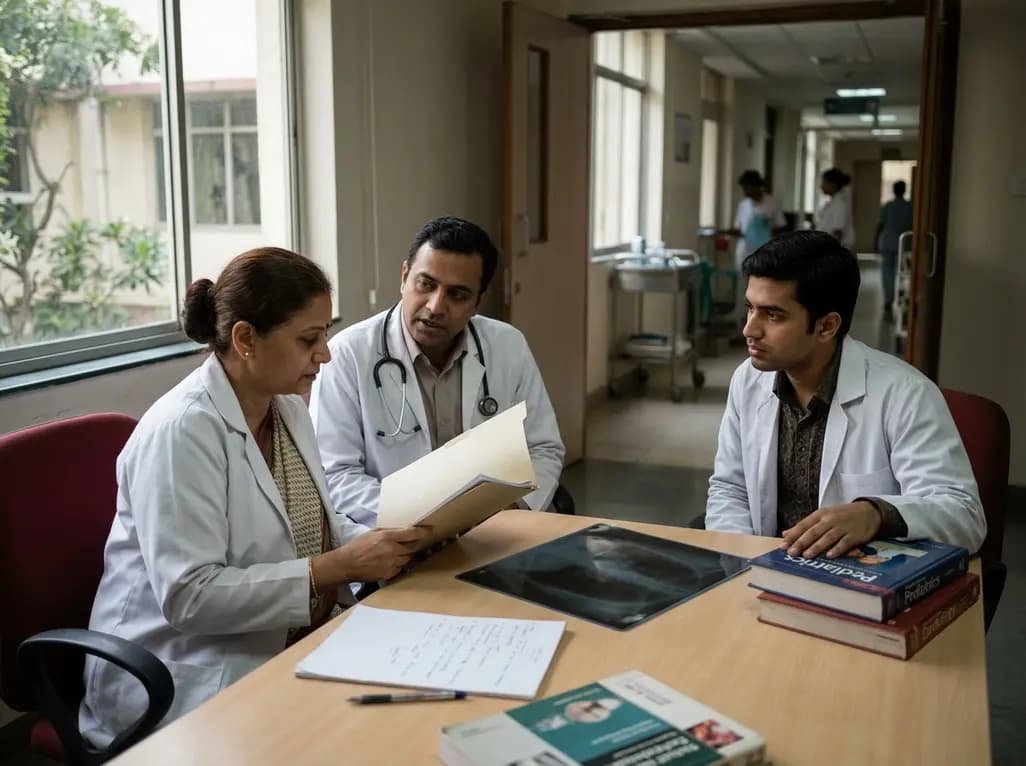
This article reviews the forensic and clinical complexities of acute myocarditis arising on left ventricular hypertrophy in children, highlighting early diagnostic red flags and multidisciplinary postmortem autopsy protocols.
Today
A randomized controlled trial demonstrates that an eight-week dual-task training intervention significantly improves static and dynamic postural control over standard balance exercises in individuals with chronic ankle instability, addressing critical neurocognitive deficits during athletic and daily activities.
Today

A retrospective cohort study of 7,716 ICU patients from the MIMIC-IV database demonstrates that Gradient Boosting Decision Trees significantly outperform traditional SOFA scores in predicting in-hospital mortality among patients with sepsis and diabetes, with SHAP analysis providing clinical interpretability.
Today
