.webp&w=384&q=75)

Loading, please wait...
Loading, please wait...
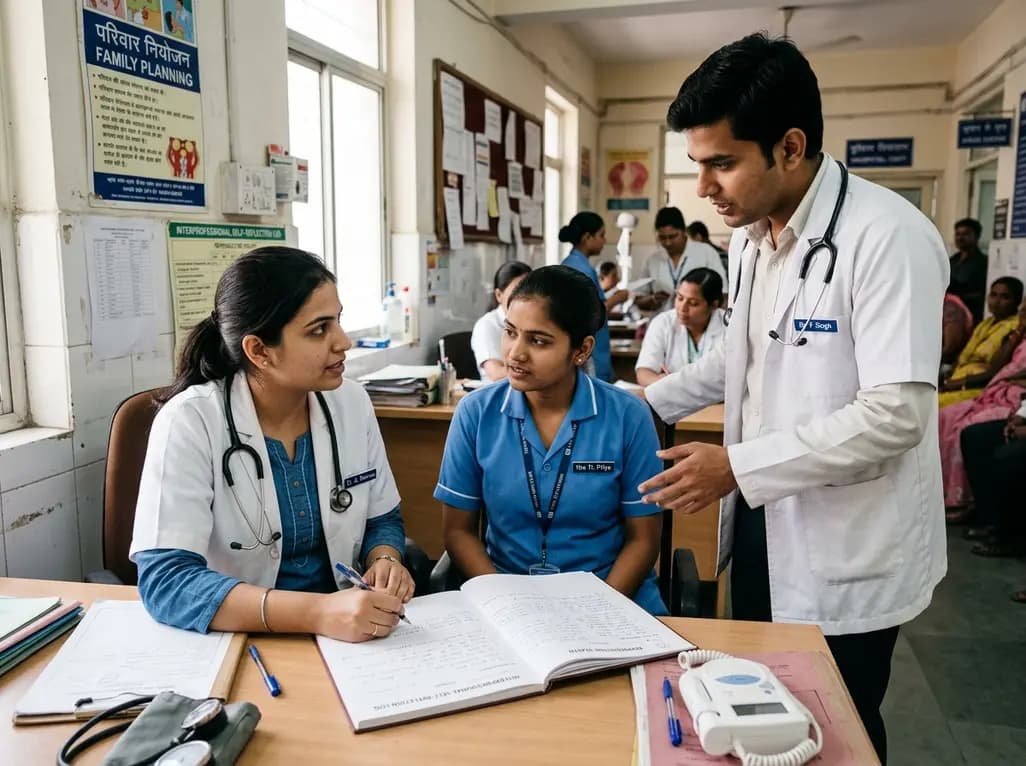
Community-based clinical training exposes healthcare trainees to diverse patient scenarios, yet geographical distance frequently hinders continuous academic supervision. In low- and middle-income countries (LMICs), maternal and reproductive health services demand robust team collaboration across disciplines. To address supervision constraints, medical educators have designed an interprofessional self-reflection logbook to cultivate independent learning, team accountability, and shared decision-making. Trainees often practice in distant primary health centers and rural outreach camps without direct on-site faculty oversight. Therefore, structured reflective instruments empower students from medicine, nursing, and midwifery to monitor their professional growth. By recording clinical interactions, evaluating teamwork dynamics, and reflecting on shared outcomes, trainees transform routine community postings into profound interprofessional learning experiences.
Developing an effective educational tool for community healthcare requires an iterative, evidence-based strategy. Researchers utilized an Educational Design Research (EDR) approach across three comprehensive phases to build the logbook. In the initial phase of exploration and analysis, educators evaluated current community health postings and reviewed existing literature on collaborative competencies. Consequently, this foundational step highlighted significant gaps in cross-disciplinary communication and supervisory feedback. During the second phase, designers constructed the logbook prototype and integrated validated pedagogical models. Medical experts, clinical instructors, and multi-program students thoroughly reviewed the initial draft to refine its relevance and clarity. In the final phase, an extensive pilot evaluation assessed the tool in active rural reproductive health postings. Both students and faculty supervisors provided exceptionally positive feedback, yielding mean satisfaction scores of 4.35 and 4.30 out of 5, respectively. Statistical analysis demonstrated no significant differences across disciplines, confirming broad acceptance among medical, midwifery, and nursing cohorts. Thus, the iterative EDR methodology guaranteed both educational validity and real-world applicability in resource-constrained environments.
Unstructured reflection often leads to superficial journaling where trainees merely summarize patient demographics without analyzing critical clinical decisions. To prevent this limitation, educators structured the logbook around the Gibbs Reflective Cycle. This established framework guides learners through six systematic stages: describing the clinical event, identifying personal emotions, evaluating positive and negative aspects, analyzing the underlying dynamics, concluding core lessons, and establishing concrete action plans. For instance, when managing a complex postpartum case in a primary health center, trainees do not simply record vital signs. Instead, they examine how their communication affected team coordination and patient comfort. Furthermore, the logbook prompts students to articulate how hierarchy or role ambiguity influenced maternal care delivery. By working through the cyclical stages, learners move beyond passive observation to active critical inquiry. Instructors can subsequently review these structured entries to offer targeted asynchronous feedback. As a result, this systematic reflection strengthens emotional intelligence, reinforces clinical reasoning, and solidifies ethical principles essential for reproductive healthcare delivery.
Reproductive healthcare inherently requires synchronized collaboration among doctors, nurses, community health workers, and midwives. However, traditional training models often isolate students within professional silos, which fosters misconceptions regarding interprofessional responsibilities. The reflective logbook deliberately integrates shared decision-making frameworks into core competencies. Trainees evaluate how team members negotiate treatment strategies, respect diverse professional inputs, and engage pregnant women in collaborative care planning. Moreover, the tool encourages learners to examine power differentials that commonly impair clinical communication in low-resource maternity wards. When nursing and medical students jointly manage high-risk antenatal cases, the logbook requires them to document collaborative problem-solving. This shared documentation demystifies team roles and cultivates mutual professional trust. Consequently, students develop a unified interprofessional identity rather than operating solely within traditional hierarchies. Over time, these reflective exercises translate into measurable clinical improvements, such as improved antenatal compliance, proactive anemia management, and safer institutional deliveries.
Geographical barriers present a persistent obstacle for clinical educators managing decentralized rural rotations. Faculty supervisors cannot accompany every interprofessional student pair into peripheral primary healthcare centers or sub-centers. Fortunately, the structured logbook acts as a reliable educational bridge during remote community attachments. Students maintain continuous records of patient interactions, interdisciplinary discussions, and perceived clinical dilemmas. Faculty mentors can remotely review these entries, identify knowledge deficiencies, and deliver tailored constructive feedback during scheduled debriefing sessions. In addition, the standardized format ensures consistent educational quality across diverse training locations. Trainees develop autonomous self-assessment habits, allowing them to correct technical errors and communication lapses proactively. By promoting self-directed learning, the instrument mitigates the burden of severe faculty shortages in low-middle income countries. Ultimately, remote community postings transition from isolated service duties into robust, supervised academic experiences that prepare trainees for complex rural healthcare challenges.
The lessons from this design research carry immediate relevance for medical education reforms in India and other developing nations. Under the National Medical Commission (NMC) guidelines, the Competency-Based Medical Education (CBME) curriculum and AETCOM modules emphasize reflective writing, ethics, and community-oriented primary care. However, medical colleges in India frequently lack integrated interprofessional platforms where MBBS, BSc Nursing, and AYUSH students train collaboratively. Adopting structured self-reflection logbooks in Rural Health Training Centres (RHTCs) and Primary Health Centres (PHCs) can bridge this educational void. For example, during mandatory rural internship rotations, combining medical interns with nursing trainees and grassroots healthcare workers like ASHAs improves maternal health outcomes. Standardized reflective portfolios help educators evaluate non-cognitive milestones, such as empathy, collaborative leadership, and cultural sensitivity. Therefore, integrating structured interprofessional logbooks into undergraduate and postgraduate health curricula provides an economical, scalable mechanism to cultivate collaborative, community-ready healthcare professionals.
An interprofessional self-reflection logbook serves as a structured educational instrument that guides healthcare trainees to document, evaluate, and critically analyze collaborative clinical experiences. By utilizing structured reflective frameworks, trainees assess cross-disciplinary communication, ethical decision-making, and patient outcomes. Furthermore, the logbook allows remote faculty mentors to monitor learning milestones asynchronously, bridging supervision gaps and ensuring consistent educational quality during decentralized community postings.
The Gibbs Reflective Cycle enhances clinical learning by dividing complex experiences into six progressive stages: description, feelings, evaluation, analysis, conclusion, and action planning. Instead of merely recording clinical tasks, trainees examine emotional responses and underlying team dynamics. Consequently, this structured approach fosters critical thinking, highlights clinical gaps, and generates actionable strategies to improve future patient management and interprofessional collaboration.
Medical institutions can implement reflective logbooks by integrating shared clinical assignments for medical, nursing, and allied health students during rural community postings. Faculty should establish clear orientation sessions explaining reflective models like the Gibbs Cycle. Additionally, clinical educators must schedule periodic debriefs to provide constructive feedback on logbook entries, thereby reinforcing collaborative competencies and shared accountability in community healthcare delivery.
Disclaimer: This content is for informational and educational purposes only, and does not constitute medical or training advice. Clinical educators and healthcare trainees should refer to their institutional curricula and regulatory frameworks for specific training requirements. Refer to the latest local and national guidelines for clinical practice.
References

Read summarized clinical updates, watch expert medical content, and earn CME certifications right from your smartphone.
Open your smartphone camera to scan and install.





A validated interprofessional self-reflection logbook based on the Gibbs Cycle improves clinical supervision, shared decision-making, and collaborative competencies among medical and nursing trainees in low-resource community reproductive health settings.
4 weeks back
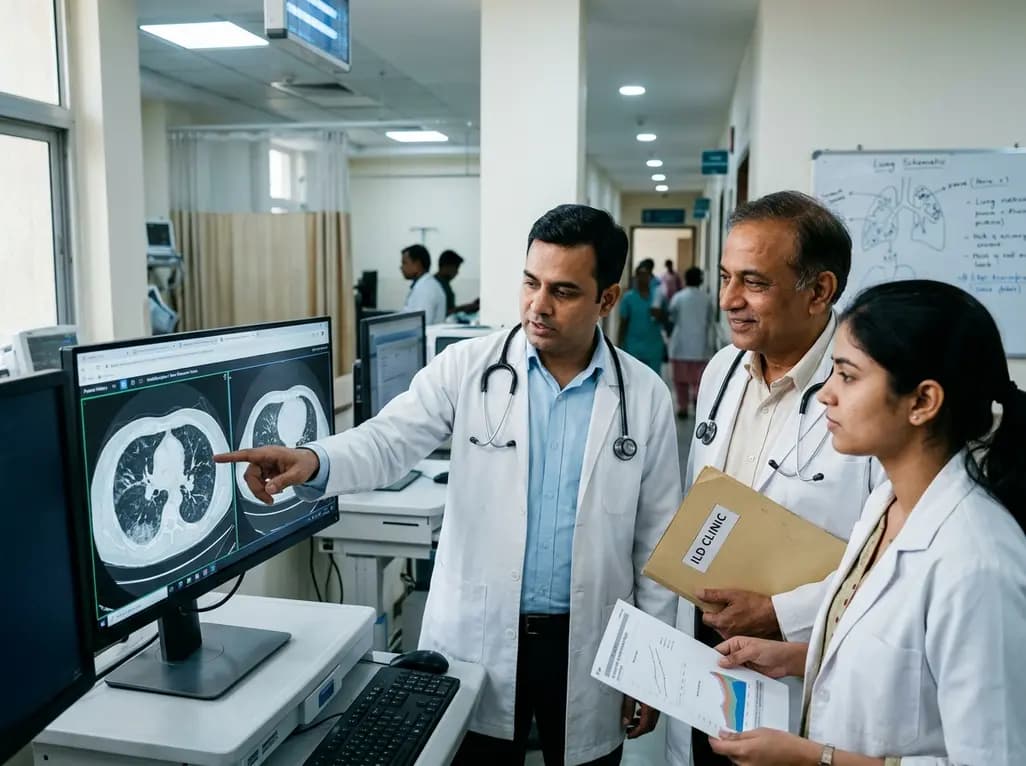
A nationwide English cohort study shows that interstitial lung diseases are no longer rare, with incidence jumping 30% and 200,000 active cases. This analysis highlights clinical implications for diagnosis, multi-disciplinary management, and global health priorities across respiratory and internal medicine.
Today
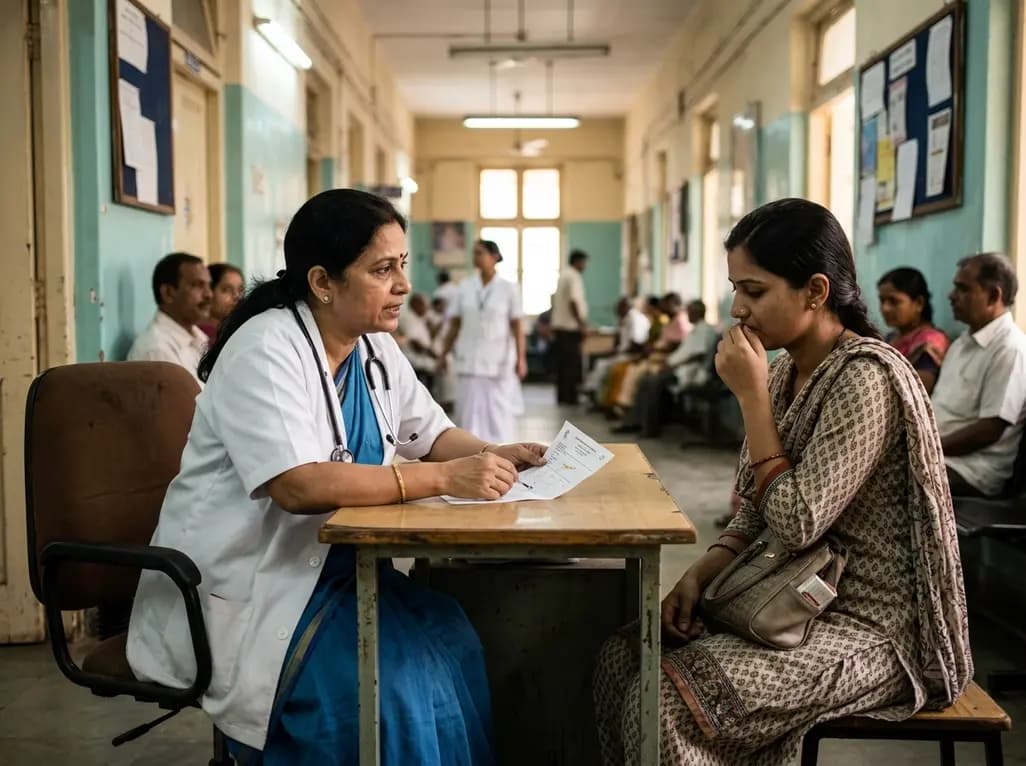
A nationwide South Korean study shows underreporting of smoking among women dropped from 57.4% to 36.4% between 2008 and 2021. However, over one-third of female smokers still conceal their habit, highlighting the critical role of cotinine verification in clinical risk assessment.
Today
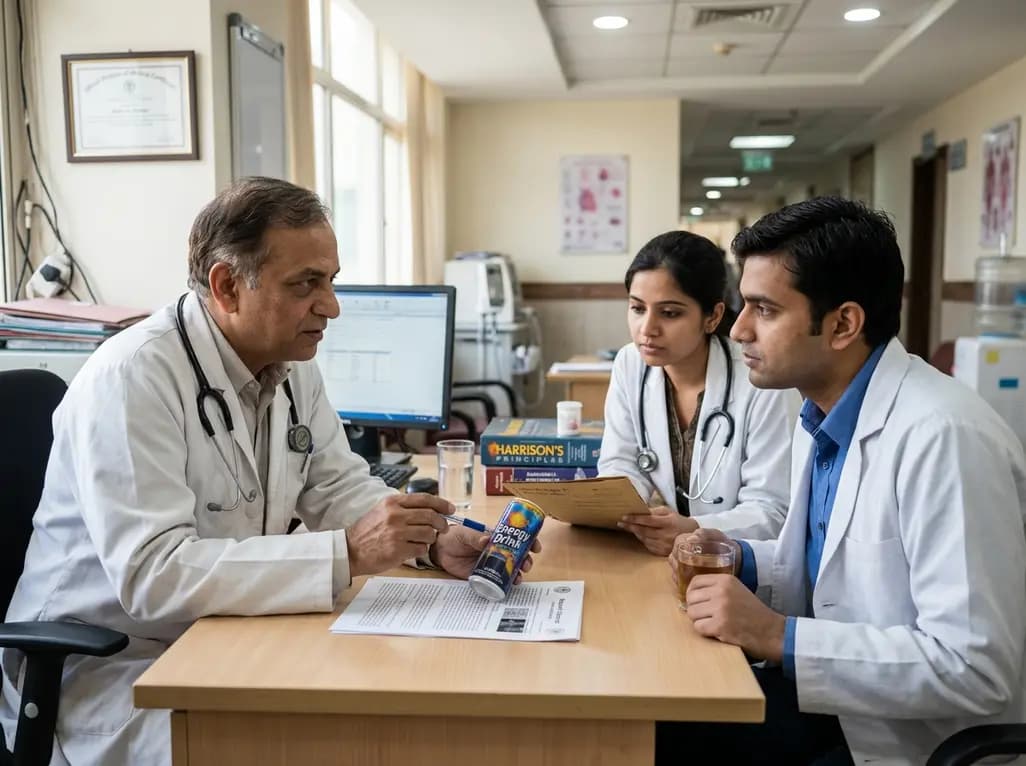
PepsiCo and Monster Beverage have challenged the FSSAI ban on the energy drink label in Indian courts. While companies highlight supply disruptions, regulatory actions spotlight severe cardiovascular and metabolic risks associated with excessive caffeine, sugar, and taurine consumption, especially in adolescents.
Today
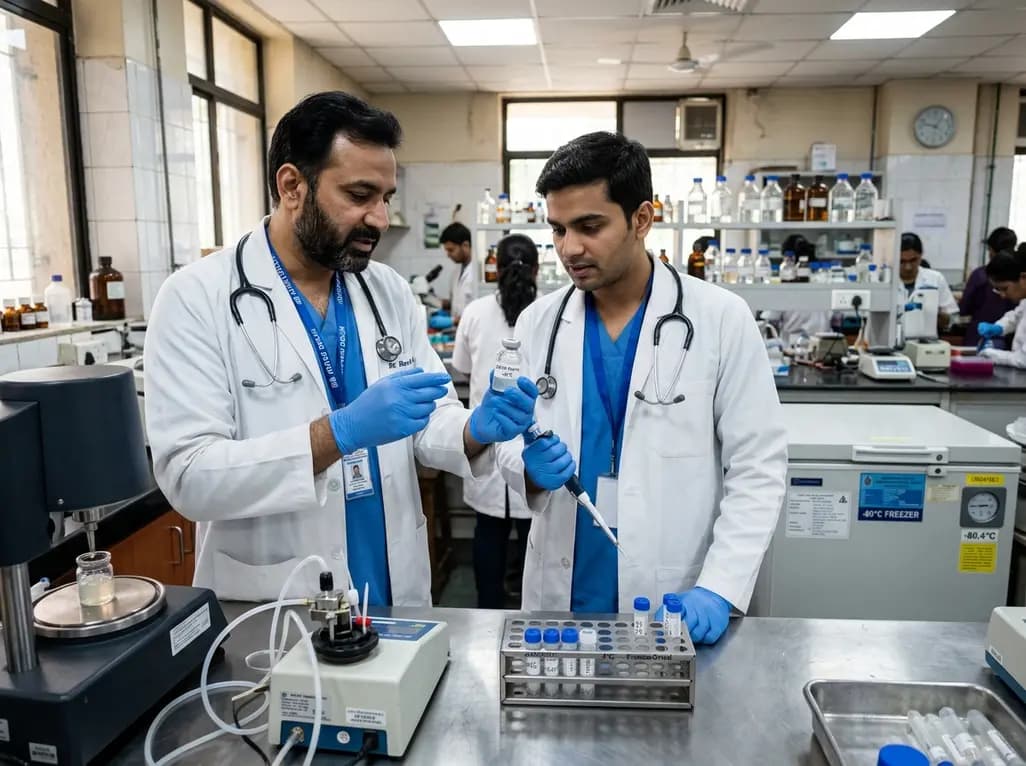
A new study evaluates the rheological stability of decellularized peripheral nerve matrix hydrogels under varied storage conditions. Findings show -80°C storage and freeze-drying preserve gelation kinetics and mechanical stiffness, offering key insights for shipping and translational clinical applications.
Today

A Bayesian multilevel meta-analysis reveals that aerobic training combined with moderate carbohydrate restriction modestly lowers HbA1c in type 2 diabetes. However, sparse data and very low certainty leave incremental benefits over exercise or diet alone unproven, highlighting the need for individualized care.
Yesterday
