.webp&w=384&q=75)

Loading, please wait...
Loading, please wait...
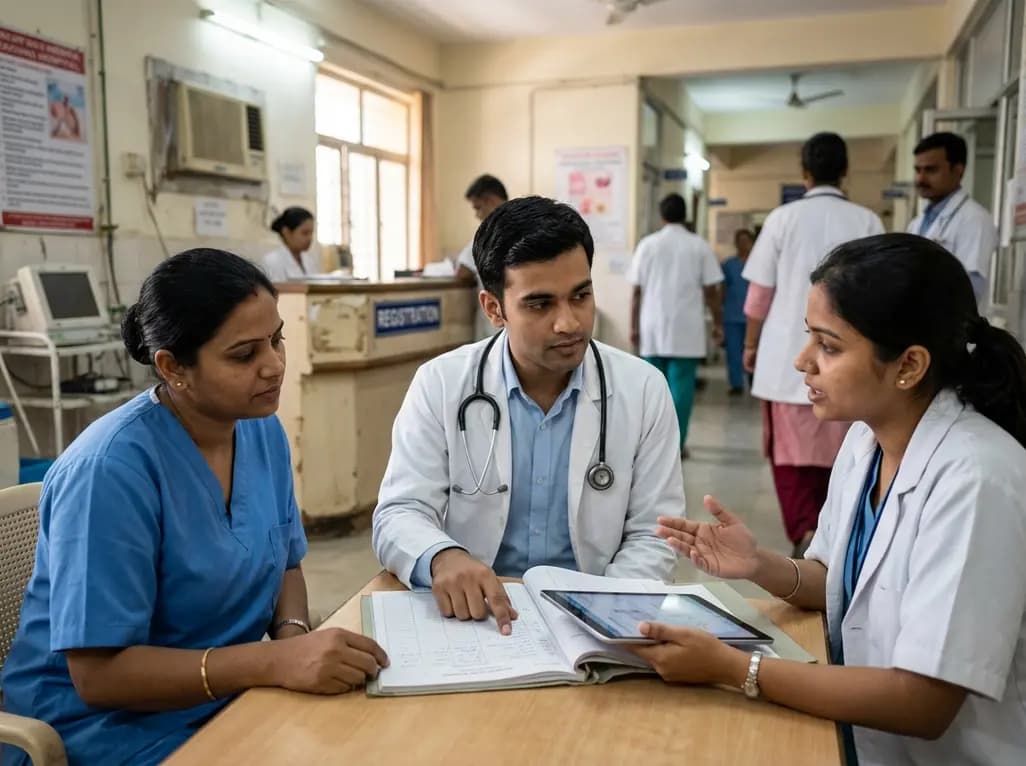
Modern healthcare delivery depends on cohesive teamwork among diverse disciplines. Consequently, implementing structured interprofessional education in residency has emerged as a cornerstone of postgraduate medical reform. Although health systems increasingly demand both interprofessional and intraprofessional collaboration, resident physicians frequently encounter practical difficulties during daily clinical encounters. Hospital environments place immense clinical pressure on trainees. As a result, novice clinicians often navigate complex team dynamics without adequate formal preparation. Understanding how residents perceive these collaborative experiences is therefore vital for modernizing postgraduate training programs across healthcare institutions.
Interprofessional education occurs when trainees from two or more health professions learn with, from, and about each other. Consequently, this collaborative approach improves teamwork, enhances communication, and elevates patient safety across healthcare settings. A comprehensive scoping review synthesized literature from major databases, including PubMed and ScienceDirect, following the PRISMA-ScR guidelines. From 337 identified articles, the investigators selected ten high-quality studies for thematic analysis. The synthesized evidence mapped the multifaceted experiences of resident physicians as they interacted with nurses, pharmacists, physical therapists, and peer specialists.
The review established that interprofessional learning directly influences clinical competence and workplace culture. However, residents often enter hospital wards with uneven exposure to interprofessional training during undergraduate studies. When residency programs do not provide explicit collaborative frameworks, trainees develop ad-hoc communication patterns that can lead to misunderstandings. Furthermore, clinical fragmentation often isolates junior doctors within distinct departmental silos. Therefore, medical educators must formally evaluate resident perspectives to identify educational deficits and systematically embed collaborative competencies into specialty training.
The scoping review identified four interrelated main themes shaping trainee perceptions: knowledge, clinical skills, professional attitudes, and medical education implications. First, residents consistently acknowledged that understanding the discrete roles of allied health professionals improved clinical workflow. When trainees recognized the specific clinical scope of clinical pharmacists or respiratory therapists, medication reconciliation and emergency triage became noticeably faster and safer. Therefore, role clarification represents a foundational cognitive domain in collaborative clinical training.
Second, the review highlighted significant behavioral and skill-based developments among residents. Effective interpersonal communication, mutual negotiation, shared decision-making, and conflict management emerged as critical competencies. Moreover, positive interprofessional experiences fostered respectful attitudes toward non-physician team members. Trainees who engaged in structured multidisciplinary team meetings demonstrated greater empathy and professional humility. Conversely, an absence of structured interprofessional interactions reinforced cognitive biases and hierarchy. Thus, purposeful educational design directly governs whether postgraduate training promotes teamwork or perpetuates professional insularity.
Residents' perceptions of interprofessional engagement reveal a persistent tension between entrenched cultural barriers and emerging systemic drivers. Traditional hospital hierarchies represent one of the most substantial impediments. Senior physician modeling often dictates the tone of ward interactions. Consequently, if senior consultants dismiss nursing input, junior residents quickly adopt similar behaviors. Additionally, severe time constraints, high patient volumes, and administrative burdens force residents to prioritize task completion over multidisciplinary team discussions. As a result, valuable collaborative learning opportunities are lost during routine clinical shifts.
In contrast, systemic drivers actively facilitate successful collaboration when properly supported by institutional leadership. For instance, multidisciplinary morning rounds, co-located workstations, integrated electronic health records, and shared clinical debriefings naturally bridge professional divides. Furthermore, non-punitive safety cultures encourage all team members to voice concerns during critical patient events. When hospital leadership provides dedicated time for multidisciplinary case reviews, residents perceive collaboration as a core operational value rather than an administrative burden. Residency programs must therefore align systemic incentives to overcome historical cultural obstacles.
To bridge the gap between collaborative intent and clinical reality, medical curricula require formal, longitudinal structures. Isolated, one-time orientation workshops fail to generate sustainable behavioral changes. Instead, researchers advocate for integrated curriculum models that span the entire residency tenure. Specifically, programs should incorporate recurring simulation-based learning and interprofessional case discussions. High-fidelity simulations allow surgical, medical, nursing, and pharmacy trainees to manage simulated acute resuscitations together in a safe environment. Consequently, teams practice crisis resource management without endangering patient lives.
Additionally, structured discussion-based learning, such as interprofessional morbidity and mortality conferences, provides critical reflective space. During these sessions, trainees openly analyze system vulnerabilities, communication breakdowns, and team coordination issues. Faculty development is equally crucial because clinical preceptors must demonstrate competent interprofessional coaching during bedside rounds. When educators provide real-time formative feedback on teamwork behaviors, residents consolidate collaborative skills much more effectively. Thus, structured pedagogical methods provide the scaffolding necessary for transforming subjective perceptions into tangible clinical competencies.
The insights from this scoping review offer timely implications for medical training in India under the National Medical Commission (NMC) framework. The Competency-Based Medical Education (CBME) model emphasizes the role of the Indian Medical Graduate as a communicator, leader, and team member. However, expanding these competencies into postgraduate residency training remains an urgent institutional priority. Indian tertiary care hospitals manage exceptionally high patient turnovers. In these high-intensity settings, seamless coordination among postgraduate residents, nursing officers, laboratory specialists, and clinical pharmacologists is vital for minimizing medical errors.
Moreover, introducing interprofessional training modules within Indian residency curricula aligns perfectly with modern patient safety standards and accreditation requirements. Medical colleges can establish interdepartmental simulation centers and collaborative clinical audits where residents work alongside allied health professionals. Furthermore, incorporating formal interprofessional assessments, such as multisource 360-degree feedback from nursing and pharmacy staff, provides trainees with actionable behavioral insights. By proactively establishing longitudinal interprofessional training, Indian academic medical centers can cultivate resilient, collaborative specialists capable of leading multidisciplinary teams across diverse clinical settings.
Interprofessional education during residency equips doctors with essential teamwork, communication, and conflict-resolution skills. Because residency represents the transition to autonomous practice, learning to coordinate directly with nurses, pharmacists, and allied health professionals prevents medical errors, streamlines clinical workflows, and improves patient safety. Furthermore, structured collaboration reduces workplace friction, enhances diagnostic accuracy, and optimizes overall treatment outcomes in complex hospital environments.
Residents primarily encounter rigid institutional hierarchies, severe time constraints, and heavy clinical workloads that hinder teamwork. Furthermore, inadequate formal instruction regarding the clinical scopes of non-physician professionals creates confusion during care delivery. When senior faculty model top-down communication or when physical ward spaces isolate different professional groups, junior trainees struggle to build meaningful, collaborative relationships with multidisciplinary team members.
Institutions can implement interprofessional learning by embedding longitudinal simulation scenarios, multidisciplinary morning rounds, and collaborative morbidity conferences into the formal curriculum. Additionally, residency leadership should recruit interprofessional faculty to deliver joint debriefings and utilize multisource feedback mechanisms. These structured approaches create safe educational environments where trainees systematically practice communication, clarify professional roles, and develop shared decision-making habits.
Disclaimer: This content is for informational and educational purposes only, and should not be considered medical advice. Healthcare professionals should rely on their clinical judgment and verify information independently. Refer to the latest local and national guidelines for clinical practice.
References
1. Wardhana DPW et al. Residents' perceptions of interprofessional education and collaboration in clinical settings and implications for medical education: a scoping review. Korean J Med Educ. 2026 Sep undefined. doi: 10.3946/kjme.2026.208. PMID: 42669607.
2. World Health Organization. Framework for Action on Interprofessional Education & Collaborative Practice. Geneva: World Health Organization; 2010.
3. National Medical Commission. Competency Based Medical Education Curriculum Guidelines. New Delhi: Under Graduate and Post Graduate Medical Education Boards; 2024.

Read summarized clinical updates, watch expert medical content, and earn CME certifications right from your smartphone.
Open your smartphone camera to scan and install.





A scoping review synthesizes residents' perceptions of interprofessional education and collaboration in hospital settings. The findings highlight crucial gaps between cultural barriers and institutional drivers, emphasizing the need for structured, simulation-based longitudinal training in residency programs.
4 weeks back
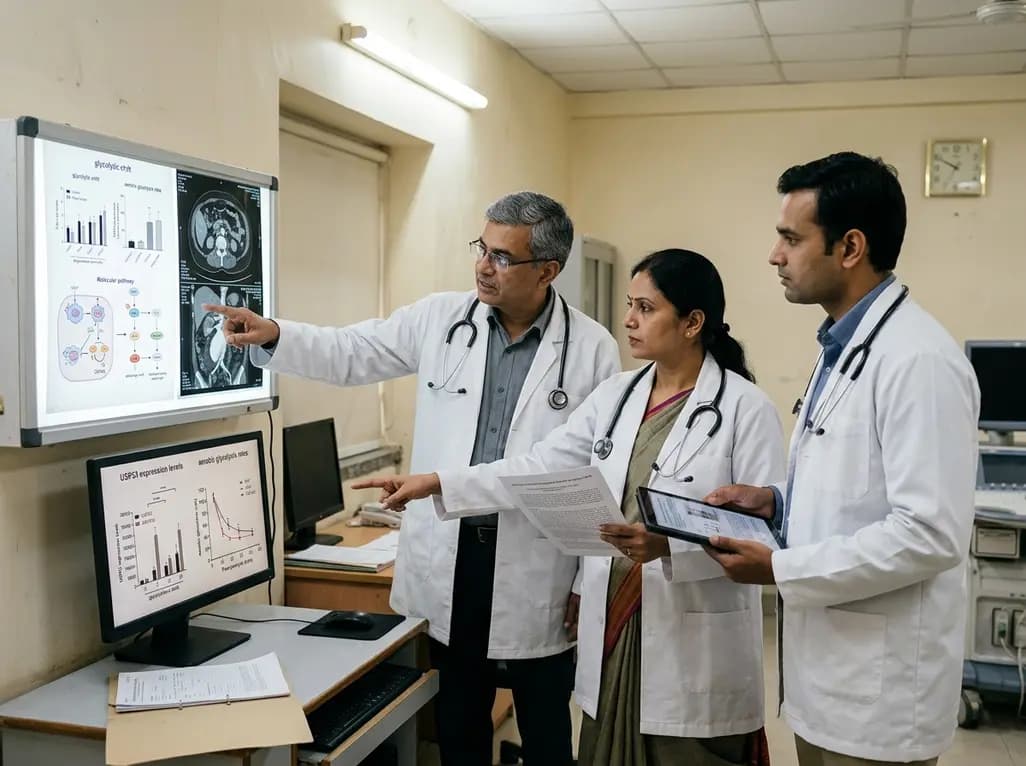
Abdominal aortic aneurysm rupture remains a catastrophic vascular emergency. Groundbreaking research reveals that USP53 accelerates aneurysm progression by reprogramming smooth muscle cell metabolism toward aerobic glycolysis, highlighting a promising target beyond conventional diameter-based surveillance.
Today
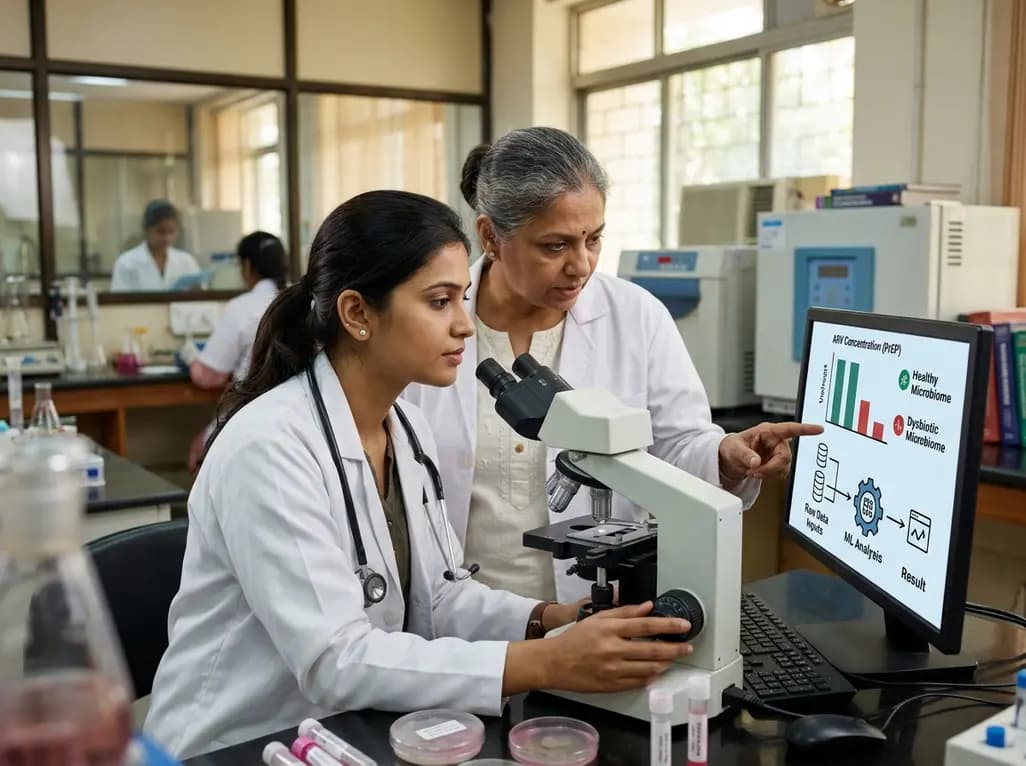
A pharmacometric and machine learning study reveals that specific vaginal bacteria alter cervical antiretroviral exposure, highlighting the need for precision HIV PrEP strategies.
Today
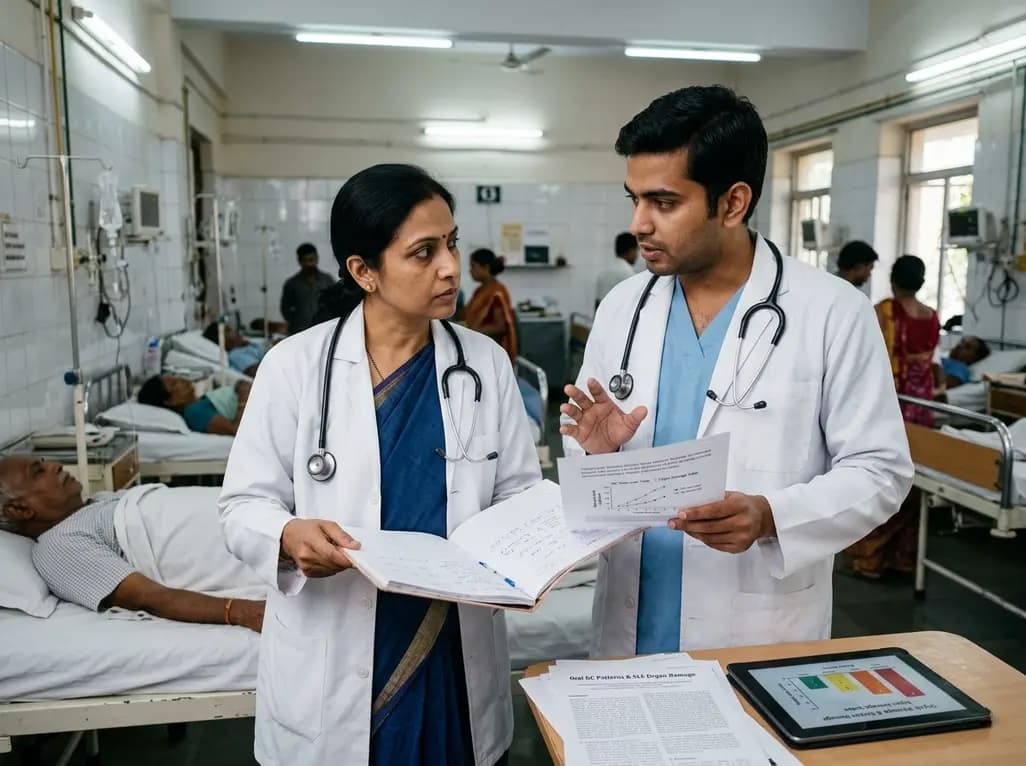
A nationwide Swedish cohort study shows oral glucocorticoid exposure over 1-2 years strongly predicts overall organ damage in SLE, while cardiovascular risk reflects cumulative doses across 3 years. These findings reinforce early steroid minimization and cautious long-term maintenance.
Today
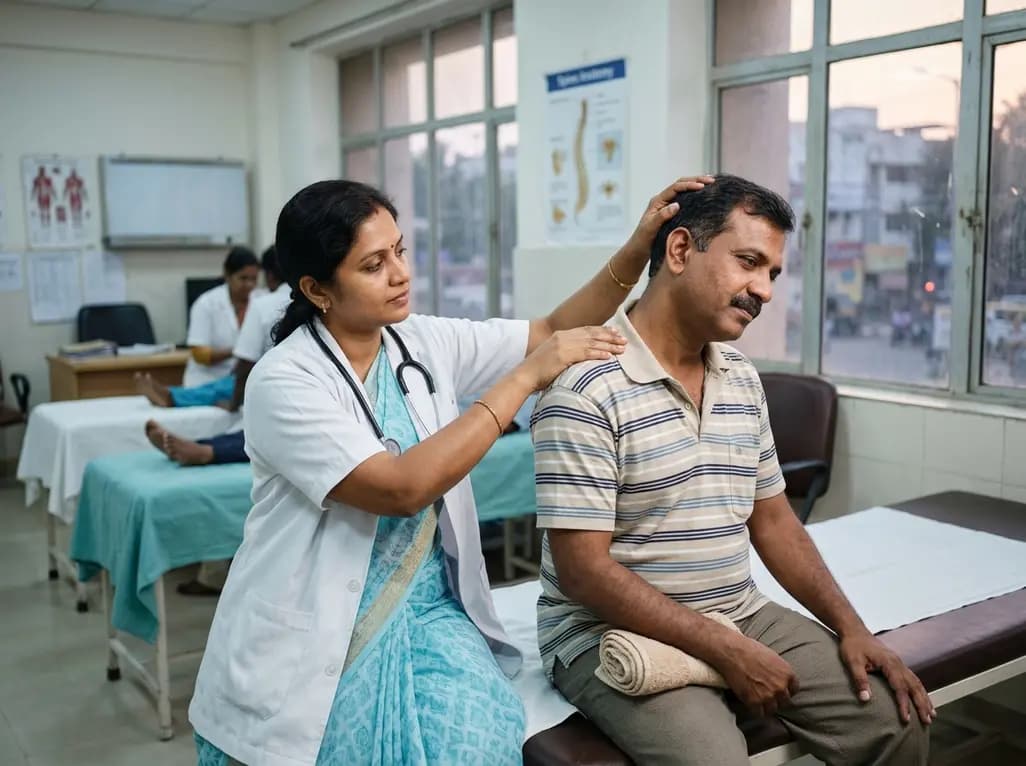
A scoping review highlights neural mobilization as a promising adjunct in managing cervicogenic headache. Integrating neurodynamics into multimodal physical therapy improves pain, range of motion, and posture, though standardized protocols and larger clinical trials are still needed.
Today
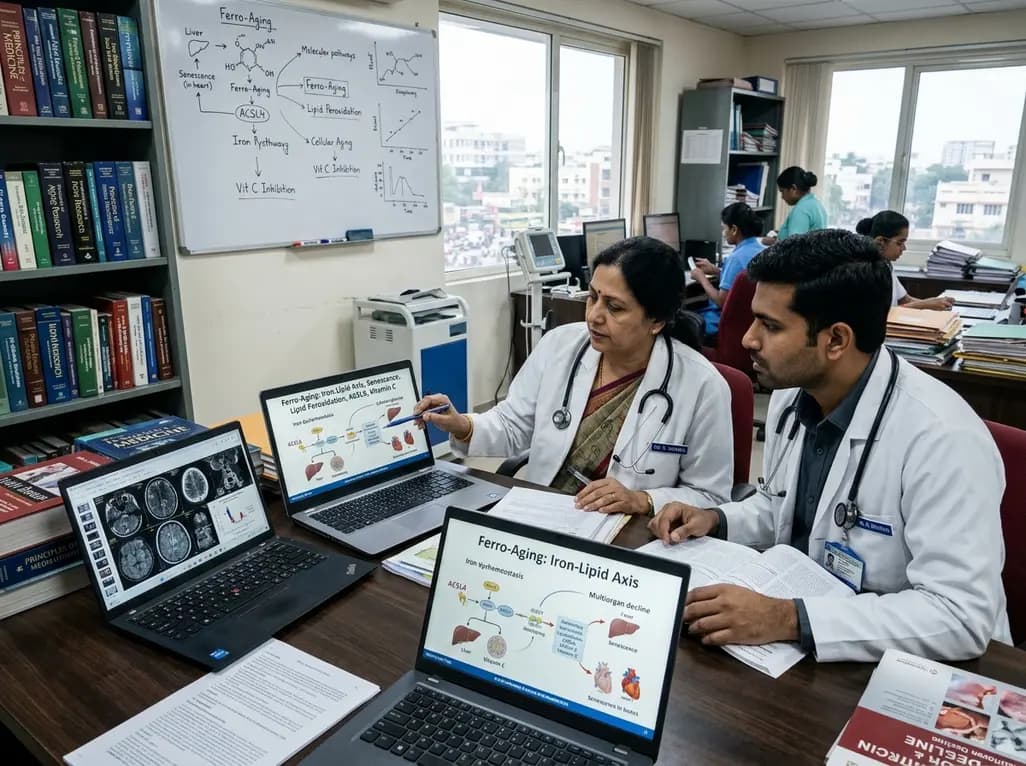
Recent research defines ferro-aging as a conserved iron-lipid axis driving organ decline across primates. Age-related iron dyshomeostasis stimulates ACSL4-mediated lipid peroxidation, promoting cellular senescence. Notably, vitamin C directly inhibits ACSL4, suppressing phospholipid oxidation and multi-organ decay.
Today
