.webp&w=384&q=75)

Loading, please wait...
Loading, please wait...
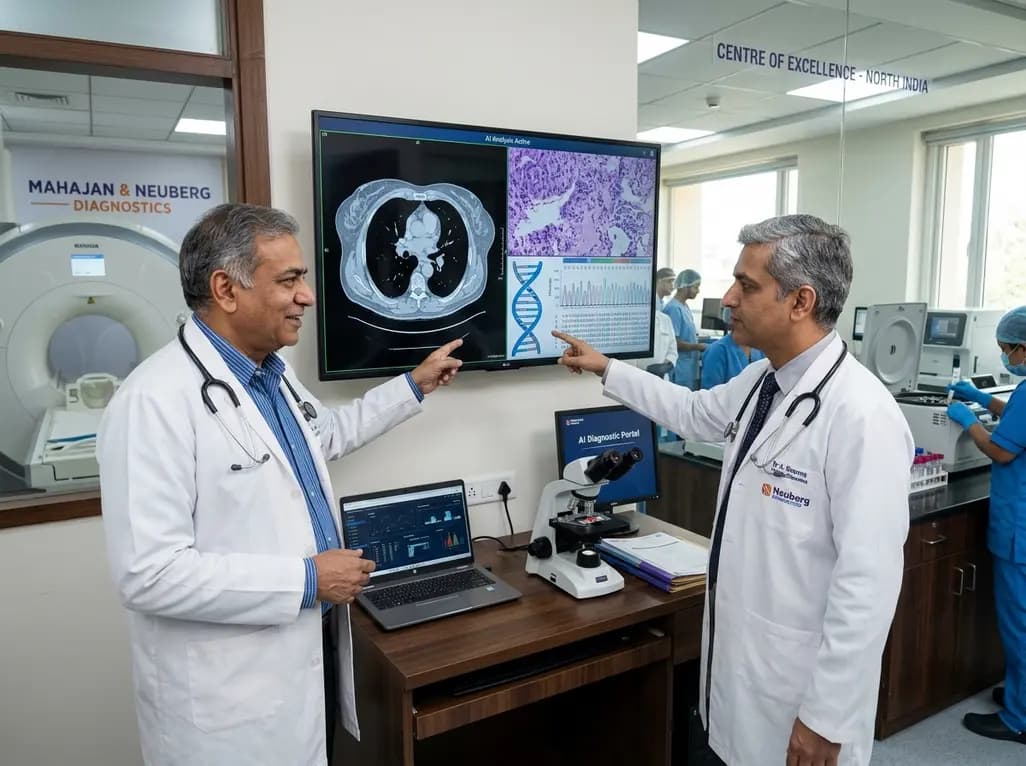
Modern healthcare demands swift, unified, and precise diagnostic pathways. To address this demand, Mahajan Imaging & Labs and Neuberg Diagnostics have formed a strategic partnership. This collaboration builds an expansive integrated diagnostics network across seven North Indian states. By uniting over 35 years of radiological expertise with advanced pathology and genomics, the alliance redefines diagnostic delivery. Consequently, medical practitioners gain seamless access to combined radiological, molecular, and biochemical patient profiles. Furthermore, this initiative moves clinical workflows from fragmented reporting toward holistic, patient-centred evaluation.
Historically, medical imaging and laboratory medicine functioned in distinct clinical silos. Radiologists interpreted morphological findings, while pathologists evaluated tissue morphology and molecular biomarkers separately. However, contemporary precision medicine requires immediate synthesis of these diagnostic streams. The joint venture combines nuclear medicine, cross-sectional imaging, cytogenetics, and metabolomics into a unified reporting ecosystem. As a result, clinicians receive comprehensive diagnostic insights without navigating disparate laboratory systems. This cohesive framework eliminates redundant testing and significantly reduces diagnostic turnaround time. Moreover, multidisciplinary tumour boards and clinical consultations benefit directly from synchronized diagnostic datasets. When imaging features correlate directly with histopathological and genomic findings, diagnostic accuracy improves substantially. Therefore, clinicians can design targeted therapeutic strategies with greater confidence. In addition, this integrated approach helps detect subclinical pathologies earlier in the disease continuum. Ultimately, uniting diagnostic specialties enhances decision-making across oncology, cardiology, and complex internal medicine disciplines.
The new enterprise establishes an exclusive operating presence across seven northern Indian states. This operational footprint encompasses approximately 40 percent of India's total population. Initially, the network focuses on scaling capabilities across Delhi-National Capital Region and surrounding territories. Over the next 18 months, operations will systematically extend into major tier-one and tier-two northern cities. Furthermore, Mahajan Imaging & Labs assumes management of existing regional facilities in Noida, Lucknow, and Jammu. The operational framework combines centralized reference hub laboratories, advanced imaging facilities, and broad sample collection networks. While pathology services scale rapidly through extensive logistics networks, radiological expansion follows a structured capital deployment plan. Consequently, regional clinics gain equitable access to advanced diagnostic modalities previously restricted to metropolitan tertiary centres. In addition, high testing volumes create operational efficiencies that help reduce out-of-pocket costs for patients. Thus, the integrated network bridges critical geographic and economic gaps in regional healthcare access.
A central pillar of the expansion strategy involves establishing specialized Centres of Excellence. These specialized hubs elevate laboratory medicine beyond routine specimen processing into comprehensive consultative services. Specifically, the initiative focuses on complex diagnostic disciplines, including molecular pathology, cytogenetics, and transplant immunology. In addition, a state-of-the-art genomics facility in Delhi will provide high-throughput sequencing and targeted genomic profiling. The network will also introduce advanced renal pathology capabilities, incorporating electron microscopy for definitive biopsy evaluations. Consequently, nephrologists and transplant surgeons can access crucial ultra-structural tissue analyses locally. Furthermore, subspecialist pathologists will collaborate directly with referring clinicians on complex diagnostic dilemmas. This multidisciplinary interpretation ensures accurate staging, disease characterization, and therapeutic monitoring. Moreover, dedicated academic hubs foster ongoing clinical research and protocol standardization across all affiliated laboratories. As a result, healthcare providers in northern India gain immediate access to international-standard diagnostic infrastructure.
Beyond acute disease detection, the joint venture addresses the rapidly growing field of longevity diagnostics. Under the dedicated Atlas Health Map initiative, specialized wellness centres will launch in Delhi and Mumbai. This predictive offering integrates whole-body magnetic resonance imaging with comprehensive whole-genome sequencing. In addition, certified genetic counsellors and functional medicine experts guide individuals through their diagnostic results. Therefore, patients receive tailored lifestyle, nutritional, and pharmacogenomic recommendations based on personalized genetic predispositions. This proactive model shifts medical practice from reactive episodic care to continuous preventive health management. Furthermore, multi-omic profiles allow clinicians to detect subtle metabolic shifts long before overt clinical disease develops. By combining structural anatomical scans with functional biomarkers, physicians can intervene early in cardiovascular disease, neurodegenerative conditions, and cancer. Consequently, longevity diagnostics empowers both individuals and healthcare providers to implement evidence-based risk mitigation strategies effectively.
Technological innovation and computational algorithms serve as key operational catalysts for the joint venture. Mahajan Imaging brings substantial artificial intelligence expertise developed across ultrasound and magnetic resonance imaging protocols. These validated algorithmic models enhance raw image acquisition, reduce examination durations, and optimize overall image clarity. In addition, artificial intelligence algorithms support automated quality assurance and real-time triage for critical imaging findings. Within laboratory medicine, digital pathology platforms accelerate slide digitization, pattern recognition, and workflow routing. Consequently, pathologists and radiologists can consult collaboratively on complex cases through cloud-connected digital platforms. Furthermore, automated clinical decision-support algorithms reduce human error and minimize diagnostic discrepancies. The primary objective remains improving clinical accuracy and patient outcomes rather than implementing superficial digital features. Thus, integrated digital infrastructure ensures consistent diagnostic quality across high-volume regional laboratories and remote collection points.
For practicing physicians, diagnostic integration simplifies clinical workflows and accelerates critical treatment decisions. Instead of correlating disparate laboratory reports and radiology scans manually, doctors receive consolidated diagnostic evaluations. This synchronized approach proves especially valuable in oncology, where precise molecular staging dictates targeted therapy selection. Moreover, integrated electronic records enable seamless longitudinal tracking of therapeutic responses and disease recurrence. Patients benefit from decreased diagnostic anxiety, fewer duplicate invasive procedures, and lower overall diagnostic expenditures. In addition, expanded access to home collection across thousands of postal codes simplifies routine chronic disease monitoring. The availability of more than 6,000 pathological and radiological investigations ensures complete diagnostic coverage for complex clinical presentations. Consequently, family physicians and tertiary subspecialists can coordinate patient management with unprecedented diagnostic clarity. Ultimately, this integrated infrastructure establishes a dependable foundation for precision healthcare delivery across northern India.
Q1: What clinical advantages does an integrated diagnostics network offer to practicing physicians?
An integrated diagnostics network combines radiological, histopathological, and genomic data into a single clinical report. Consequently, physicians avoid manual data reconciliation from separate facilities. This unified overview speeds up diagnostic decisions, eliminates unnecessary repeat testing, and improves diagnostic precision. Furthermore, multidisciplinary collaboration between radiologists and pathologists ensures well-coordinated treatment planning for complex medical conditions.
Q2: How does the joint venture expand specialized subspecialty diagnostics in northern India?
The joint venture establishes specialized Centres of Excellence in molecular pathology, genomics, cytogenetics, and transplant immunology. In addition, it introduces advanced diagnostic modalities such as electron microscopy for renal biopsy evaluations. By developing central genomics laboratories in Delhi alongside regional hubs, the partnership provides local access to advanced tertiary-level diagnostic capabilities across seven northern states.
Q3: What role will longevity diagnostics play in routine preventive healthcare?
Longevity diagnostics combines whole-body MRI, whole-genome sequencing, and functional biomarker analysis to assess personal health risks. Guided by genetic counsellors, these comprehensive evaluations identify disease predispositions and pharmacogenomic traits before symptoms emerge. Therefore, clinicians can design targeted preventive lifestyle and medical interventions, shifting clinical focus from reactive disease treatment toward proactive longevity management.
Disclaimer: This content is for informational and educational purposes only. It does not constitute medical advice or replace professional judgment. Refer to the latest local and national guidelines for clinical practice.
References

Read summarized clinical updates, watch expert medical content, and earn CME certifications right from your smartphone.
Open your smartphone camera to scan and install.





Mahajan Imaging & Labs and Neuberg Diagnostics have launched a joint venture uniting radiology, pathology, and genomics. The partnership establishes specialized Centres of Excellence, AI workflows, and longevity diagnostics to enhance precision healthcare and diagnostic accessibility across seven North Indian states.
4 weeks back

PZL-26, a selective small-molecule inhibitor of LONP1, reveals essential roles of this mitochondrial protease in complex I biogenesis, translation, and oxidative phosphorylation. These findings provide critical mechanistic insights for developing targeted anticancer therapies against proteostasis-dependent tumors.
Today
A nationwide South Korean study shows underreporting of smoking among women dropped from 57.4% to 36.4% between 2008 and 2021. However, over one-third of female smokers still conceal their habit, highlighting the critical role of cotinine verification in clinical risk assessment.
Today

PepsiCo and Monster Beverage have challenged the FSSAI ban on the energy drink label in Indian courts. While companies highlight supply disruptions, regulatory actions spotlight severe cardiovascular and metabolic risks associated with excessive caffeine, sugar, and taurine consumption, especially in adolescents.
Today
A recent investigation analyzes whether cervical disc arthroplasty effectively restores or merely preserves physiological range of motion, providing critical biomechanical insights for treating hypomobile cervical segments.
Today
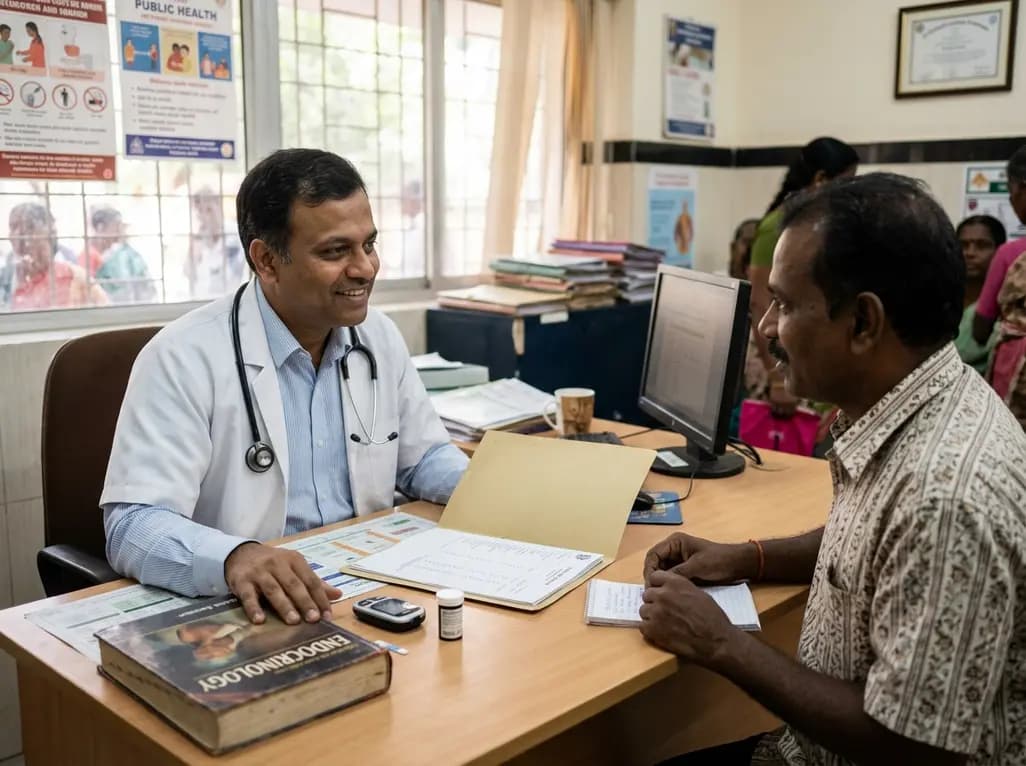
A Bayesian multilevel meta-analysis reveals that aerobic training combined with moderate carbohydrate restriction modestly lowers HbA1c in type 2 diabetes. However, sparse data and very low certainty leave incremental benefits over exercise or diet alone unproven, highlighting the need for individualized care.
Yesterday
