

Loading, please wait...
Loading, please wait...

Inflammatory breast cancer represents the most aggressive and biologically virulent variant of primary mammary carcinoma. Although it accounts for only a minor percentage of all breast cancer diagnoses, it causes a disproportionate fraction of disease-related mortality worldwide. Furthermore, clinicians frequently encounter substantial diagnostic confusion because its initial symptoms closely mimic acute bacterial mastitis or dermatological conditions. Therefore, high clinical vigilance remains paramount to avoid devastating therapeutic delays. Understanding modern diagnostic criteria and current multidisciplinary management protocols ensures prompt, evidence-based care for every patient.
Clinicians recognize inflammatory breast cancer primarily through rapid onset breast erythema, diffuse edema, and cutaneous warmth affecting the breast tissue. Patients typically report dramatic mammary enlargement that develops over a concise timeframe of three to six months. In addition, cutaneous lymphatic congestion causes the classic peau d orange appearance across extensive areas of breast skin. Because these hallmark signs closely resemble bacterial mastitis, healthcare providers frequently prescribe courses of oral antibiotics. Consequently, critical treatment time elapses before patients receive an expert oncology referral. Physicians must maintain high suspicion whenever inflammatory changes fail to resolve within one to two weeks of antibiotic treatment. Furthermore, atypical presentations can easily deceive clinicians, particularly among younger women or lactating mothers. Axillary lymphadenopathy frequently accompanies the initial clinical examination, signalling early regional dissemination. However, primary breast masses may remain impalpable during routine physical assessments, which complicates early detection. Thus, clinicians must combine clinical vigilance with prompt imaging investigations to avoid misdiagnosis. Expedited referral to specialized oncology centers significantly improves outcomes for these vulnerable patients.
Establishing an accurate diagnosis requires fulfilling international clinical criteria and completing thorough pathological evaluations. Formal consensus requires diffuse erythema and edema involving at least one-third of the breast surface. Pathologists identify dermal lymphatic tumor emboli on skin punch biopsies, confirming local lymphatic vessel involvement. However, clinicians must recognize that negative skin biopsy findings do not exclude this diagnosis. Pathologists must also evaluate hormone receptor status and HER2 amplification via core needle biopsy of the underlying tissue. In contrast to other breast malignancies, this entity exhibits a higher prevalence of triple-negative and HER2-positive subtypes. Consequently, these aggressive biological features contribute directly to accelerated progression and early distant metastasis. Contrast-enhanced breast magnetic resonance imaging provides superior staging accuracy by delineating parenchymal tumors and chest wall involvement. Additionally, comprehensive baseline staging requires fluorodeoxyglucose positron emission tomography or computed tomography to detect occult metastatic disease. Because all patients present with at least stage III disease, clinicians must stage regional nodes and distant organs promptly.
Curative intent management for non-metastatic presentation strictly demands an aggressive, trimodality therapeutic approach. Initially, medical oncologists administer neoadjuvant systemic therapy to treat micrometastases and shrink the locoregional tumor burden. Surgeons must avoid primary mastectomy or breast conservation because upfront surgical intervention produces unacceptable recurrence rates. Following optimal systemic response, surgical teams perform a modified radical mastectomy with level I and II axillary lymph node dissection. Surgeons deliberately avoid skin-sparing mastectomies or immediate reconstruction, prioritizing clear surgical margins over cosmesis. Subsequently, radiation oncologists deliver comprehensive post-mastectomy radiation therapy to the chest wall and regional lymph node basins. Radiation teams administer dose-escalated radiation with bolus coverage to sterilize residual cutaneous microscopic disease. Omission of any modality within this trimodal paradigm significantly increases locoregional relapse and shortens patient survival. Therefore, multidisciplinary cancer teams must coordinate treatment sequences without unnecessary therapeutic breaks. This rigorous approach ensures maximal local control and minimizes devastating chest wall recurrences.
Modern systemic regimens combine sequential anthracyclines, alkylating agents, and taxanes to maximize pathological complete response rates. Dose-dense anthracycline and cyclophosphamide regimens represent standard foundational components of neoadjuvant therapy. In HER2-positive cohorts, oncologists incorporate dual anti-HER2 targeted therapy using trastuzumab and pertuzumab alongside systemic chemotherapy. This targeted strategy dramatically enhances pathological response rates and extends disease-free intervals. Similarly, patients with triple-negative tumors benefit substantially from adding neoadjuvant immune checkpoint inhibitors, such as pembrolizumab. Following definitive surgical resection, clinicians tailor adjuvant systemic interventions according to residual pathological disease status. Specifically, patients with residual HER2-positive cancer receive adjuvant ado-trastuzumab emtansine to reduce distant recurrence risks. Conversely, individuals with residual triple-negative disease usually receive adjuvant capecitabine or continue adjuvant immunotherapy. Furthermore, patients with hormone receptor-positive tumors receive extended adjuvant endocrine therapy, often supplemented by ovarian function suppression. Hence, tailored systemic treatments directly improve survival by addressing distinct tumor biology.
Historically, dedicated clinical trials evaluating this rare malignancy faced severe challenges because of low patient numbers. Fortunately, international investigators currently conduct prospective clinical trials specifically tailored for this patient population. Novel interventional trials actively evaluate next-generation antibody-drug conjugates, selective kinase inhibitors, and therapeutic cancer vaccines. Furthermore, research teams utilize circulating tumor DNA assays to monitor minimal residual disease in real time. These sensitive molecular biomarkers enable oncologists to identify therapeutic resistance before overt clinical relapse occurs. Additionally, clinicians now investigate specialized central nervous system screening protocols, recognizing high neuro-metastatic risks in aggressive subtypes. Collaborative trial registries enable patients worldwide to access these cutting-edge therapeutic protocols. Because therapeutic innovation continues to accelerate, oncologists should actively encourage clinical trial participation whenever possible. Ultimately, these targeted research efforts will refine modern clinical practice and improve survival outcomes for all patients.
The rapid emergence of breast erythema, warmth, and diffuse edema closely mimics bacterial infection of the mammary tissue. Because primary care physicians rarely encounter this uncommon malignancy, they often prescribe oral antibiotics under the assumption of uncomplicated mastitis. However, inflammatory breast cancer stems from malignant tumor emboli obstructing dermal lymphatic channels rather than infectious microorganisms. Clinicians must perform immediate diagnostic imaging and tissue biopsy when symptoms fail to improve within one week of antibiotic therapy.
Surgeons must never perform breast-conserving lumpectomy or immediate breast reconstruction in patients with inflammatory breast cancer. The diffuse nature of dermal lymphatic involvement creates high risks of positive surgical margins and catastrophic chest wall recurrence. Therefore, standard clinical guidelines strictly mandate modified radical mastectomy with complete level I and II axillary lymph node dissection. Furthermore, immediate reconstruction hinders essential post-mastectomy radiation delivery, so clinicians defer all reconstructive procedures until completion of post-treatment surveillance.
The standard trimodality strategy consists of induction neoadjuvant systemic therapy, followed sequentially by modified radical mastectomy and post-mastectomy radiation therapy. Oncologists administer aggressive combination chemotherapy, alongside targeted antibodies or immune checkpoint inhibitors matching the tumor subtype. Surgical resection clears residual locoregional disease, while comprehensive post-mastectomy radiation targets the chest wall and regional lymphatic basins. Eliminating or rearranging any of these three coordinated modalities drastically elevates locoregional failure rates and shortens overall patient survival.
Disclaimer: This content is for informational and educational purposes only... Refer to the latest local and national guidelines for clinical practice.
References

Read summarized clinical updates, watch expert medical content, and earn CME certifications right from your smartphone.
Open your smartphone camera to scan and install.





Inflammatory breast cancer is an aggressive disease requiring rapid diagnosis and multimodal therapy. This review covers clinical presentation, evolving diagnostic criteria, standard trimodality care, and clinical trials.
Today

A large UK cohort study of over 3.9 million patients found no substantive difference in the risk of peripheral neuropathy between systemic fluoroquinolones and cephalosporins, providing clinical reassurance while affirming known risks such as tendon rupture.
Today
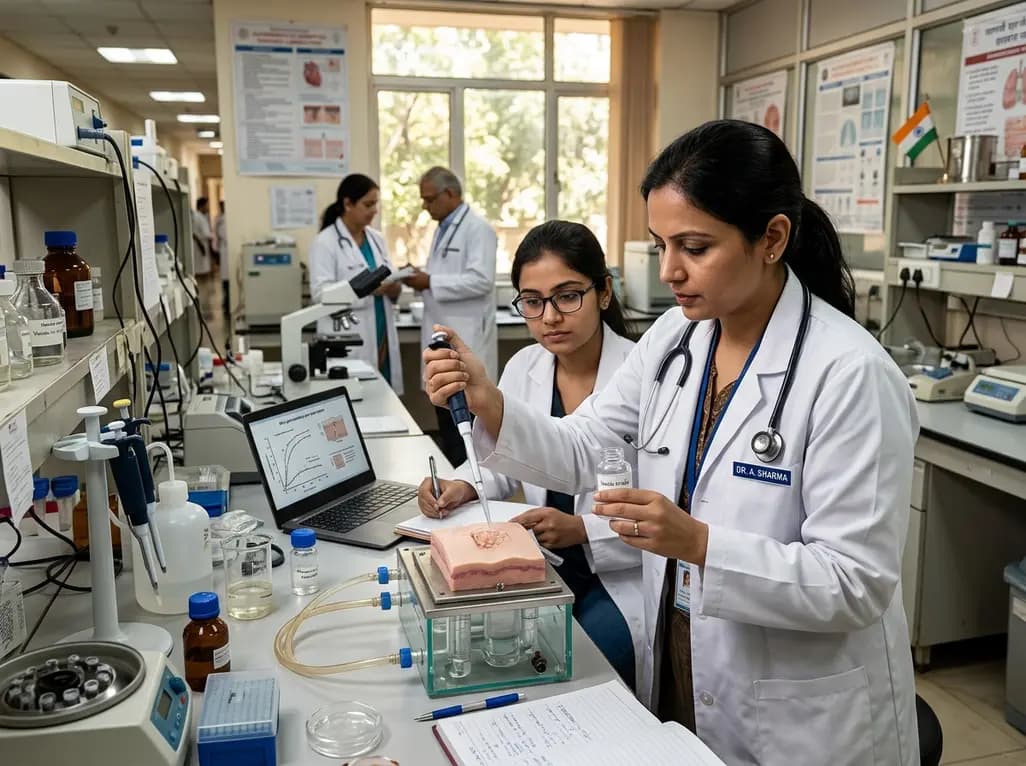
A novel high-permeation vesicle-in-gel platform enhances transdermal fulvestrant delivery, achieving sustained release, robust intradermal retention, and superior antitumor efficacy in breast cancer models while circumventing the drawbacks of painful intramuscular depot injections.
Today
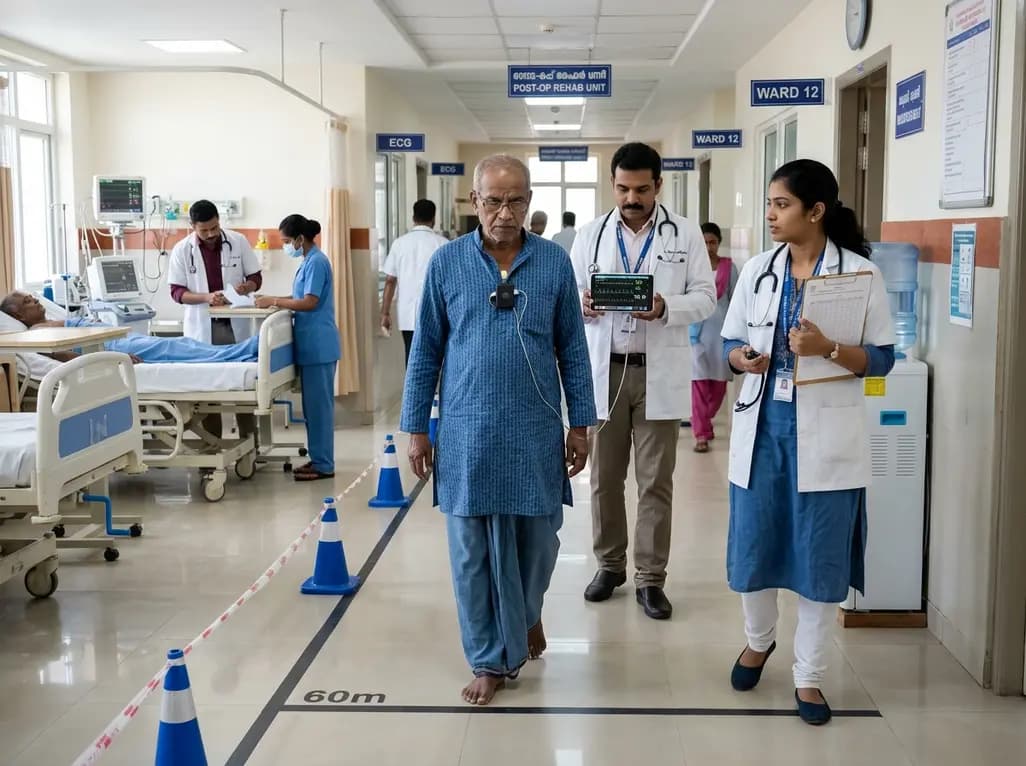
A recent study highlights the utility of measuring cardiac effort after surgery. In older, frail individuals undergoing cardiac surgery, combining continuous ECG with the six-minute walk test provides vital physiologic insights, demonstrating that heart rate responses mirror cycle ergometry.
Today
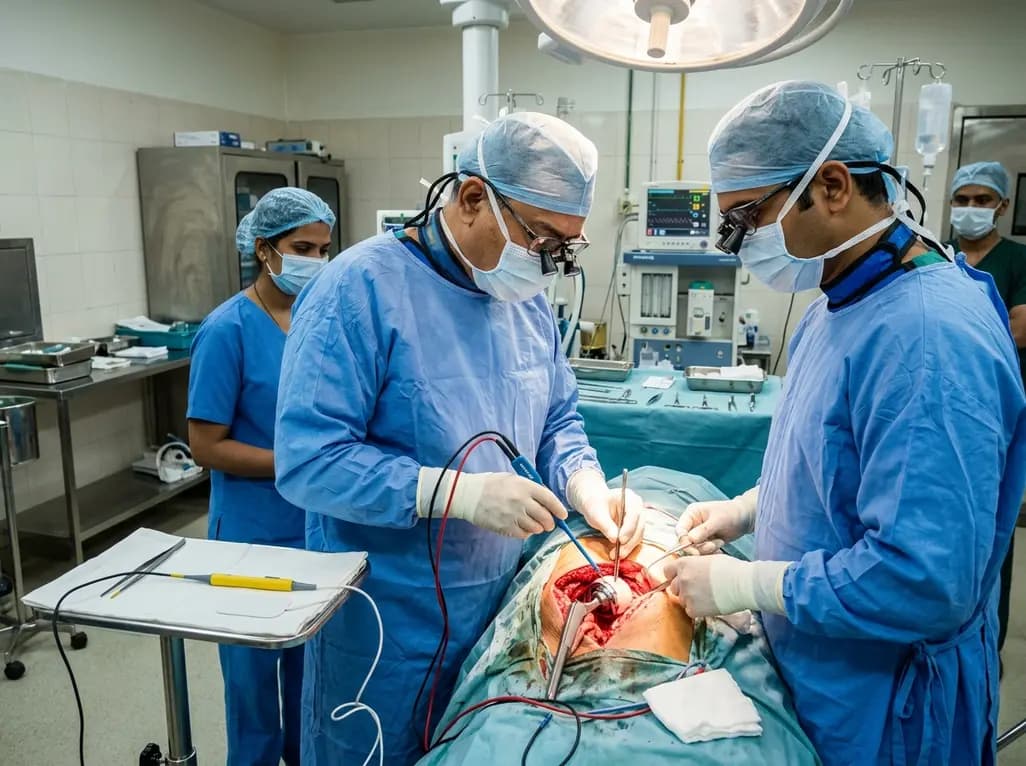
A systematic review and meta-analysis of 8 RCTs evaluated bipolar versus monopolar electrocautery in primary total hip and knee arthroplasty. Pooled data revealed no significant differences in haemoglobin drop, blood loss, or length of stay, concluding that routine bipolar electrocautery is not supported.
Yesterday

A critical review evaluates whether starch-polyphenol complexes meet structural and metabolic criteria to qualify as type 5 resistant starch. The proposed tiered evidence framework distinguishes true inclusion complexes from simple mixtures, clarifying mechanisms for glycemic modulation and gut fermentation.
Today
