

Loading, please wait...
Loading, please wait...

Contemporary anti-obesity therapies, such as glucagon-like peptide-1 receptor agonists and dual co-agonists, deliver unprecedented reductions in body weight. However, long-term maintenance remains a formidable clinical challenge. When individuals discontinue these medications, they frequently experience rapid incretin weight regain. Consequently, clinicians must evaluate not only the absolute kilograms lost, but also the qualitative tissue composition of that reduction. Because lean tissue loss reduces basal metabolic rate, preserving skeletal muscle remains essential for sustaining long-term metabolic health.
Incretin-based therapies produce remarkable placebo-subtracted weight loss ranging between 15% and 22%. Nevertheless, randomized withdrawal trials demonstrate that patients regain most of their lost weight within one year of cessation. This rapid rebound occurs primarily because appetite-regulating neuroendocrine pathways reactivate once the drug leaves circulation. Furthermore, prolonged caloric deficit suppresses resting energy expenditure through adaptive thermogenesis. When medication stops, rebound hyperphagia collides with this depressed metabolic rate. As a direct result, individuals regain body mass faster than they originally shed it. Most concerningly, post-treatment weight recovery consists predominantly of adipose tissue rather than functional skeletal muscle. Therefore, the metabolic environment following drug discontinuation strongly accelerates fat re-accumulation. Clinicians must recognize that this relapse does not indicate a simple failure of patient willpower. Instead, complex neuroendocrine adaptations aggressively drive energy storage. Understanding these homeostatic drivers allows physicians to anticipate physiological obstacles and formulate proactive, long-term maintenance strategies.
During substantial caloric restriction, the body catabolizes both adipose tissue and fat-free mass. Powerful incretin therapies induce rapid hypophagia, which often causes significant reductions in absolute lean body mass. The lean mass deficit hypothesis posits that excessive skeletal muscle loss creates an uncompensated physiological deficit. Because skeletal muscle serves as the primary site for insulin-stimulated glucose uptake and resting energy expenditure, severe sarcopenia impairs systemic metabolic flexibility. Moreover, when skeletal muscle mass diminishes disproportionately, the central nervous system registers a deficit in structural protein reserves. Consequently, persistent appetite signals continue to stimulate food intake until the body restores its original protein envelope. This regulatory mechanism, commonly known as collateral fattening, accelerates fat deposition while skeletal muscle restoration lags behind. In addition, patients who experience sarcopenia suffer from decreased physical stamina and impaired functional capacity. Thus, unmitigated lean mass loss compromises long-term metabolic resilience. Preserving skeletal muscle integrity must therefore represent a central goal during incretin therapy.
Male obesity and androgen deficiency form an established bidirectional pathological loop. Excess visceral adiposity increases aromatase expression, which converts circulating testosterone into estrogens. Furthermore, obesity-driven systemic inflammation and insulin resistance disrupt hypothalamic gonadotropin-releasing hormone release and impair pituitary gonadotropin secretion. Consequently, up to half of men with severe obesity present with functional hypogonadism. Subnormal testosterone levels actively promote muscle protein catabolism while facilitating visceral adipose accumulation. Additionally, hypogonadal men face reduced insulin sensitivity and heightened cardiometabolic risk. When these individuals initiate incretin therapy, profound caloric restriction can compound pre-existing muscular vulnerability. Although substantial long-term weight reduction eventually improves endogenous androgen production, acute nutrient deprivation during active weight loss frequently suppresses testosterone synthesis. Therefore, hypogonadal men face an elevated vulnerability to sarcopenia during intensive incretin treatment. Clinicians managing male obesity must carefully assess baseline gonadal function to anticipate muscle loss risks.
To counteract lean tissue loss during medical weight reduction, clinicians routinely emphasize resistance exercise and high protein intake. However, long-term adherence to strenuous physical training and dietary regimens remains poor among patients with severe obesity. Furthermore, lifestyle interventions alone rarely prevent fat-predominant weight regain following drug withdrawal. In this context, investigators propose testosterone therapy as an adjunctive pharmacological tool for hypogonadal men. Testosterone directly stimulates myofibrillar protein synthesis, promotes muscle satellite cell proliferation, and prevents muscle fiber atrophy during negative energy balance. Simultaneously, androgens inhibit pluripotent stem cell differentiation into adipocytes, thereby curbing visceral fat deposition. By combining testosterone with incretin therapy, clinicians could potentially preserve skeletal muscle mass and augment the proportion of weight lost as fat. Additionally, sustaining muscular mass preserves resting metabolic expenditure, which may provide essential defense against rebound weight gain after incretin cessation. Testosterone combination therapy represents a mechanistically targeted strategy designed to optimize body composition and preserve long-term metabolic health.
Despite compelling biological plausibility, human evidence evaluating this combined pharmacological paradigm remains strictly exploratory. Preliminary findings from small, non-randomized pilot studies suggest that adding testosterone to incretin regimens preserves muscle strength and enhances fat reduction. Nevertheless, researchers consider these observations hypothesis-generating rather than definitive proof of efficacy. Academic societies stress that medical practice must not change until rigorous randomized controlled trials validate these findings. Specifically, future clinical trials must employ dual-energy X-ray absorptiometry or magnetic resonance imaging to track precise changes in muscle and fat compartments. Additionally, researchers must rigorously assess cardiovascular outcomes, hematocrit levels, and prostate safety throughout extended follow-up periods. Clinicians must also determine whether androgen therapy should continue long-term or serve as a temporary bridge during medication discontinuation. Until definitive prospective trials demonstrate unequivocal clinical benefits and safety, testosterone therapy must remain reserved for patients with biochemically verified hypogonadism. Structured lifestyle guidance and strength training remain the essential standard of care.
When patients discontinue incretin medications, appetite suppression dissipates quickly, triggering strong orexigenic neuroendocrine responses. Meanwhile, previous lean tissue loss and adaptive thermogenesis have already lowered resting metabolic rate. This metabolic suppression, combined with renewed hyperphagia, drives rapid caloric accumulation. Furthermore, the body prioritizes rapid replenishment of fat reserves over muscle rebuilding. Consequently, patients rapidly regain lost weight, and this newly regained mass consists almost entirely of unhealthy visceral and subcutaneous adipose tissue.
Testosterone is a vital anabolic hormone that stimulates myofibrillar protein synthesis and inhibits muscle protein degradation. In men with obesity and functional hypogonadism, subnormal androgen levels impair the body's capacity to maintain skeletal muscle fibers during negative energy balance. Consequently, when calorie intake falls drastically during incretin therapy, muscle breakdown accelerates. This exacerbates sarcopenia, compromises physical strength, and depresses resting basal energy expenditure, significantly elevating the risk of post-treatment weight rebound.
Routine co-prescription is not currently recommended outside of established male hypogonadism guidelines. Although preliminary pilot evidence demonstrates promising lean mass preservation, robust randomized controlled trial evidence remains absent. Unmonitored androgen therapy carries distinct clinical risks, including erythrocytosis, fluid retention, sleep apnea exacerbation, and suppression of spermatogenesis. Therefore, physicians should only prescribe testosterone therapy to men with symptomatic, biochemically verified testosterone deficiency, rather than using it indiscriminately as an off-label anti-obesity adjunct.
Disclaimer: This content is for informational and educational purposes only... Refer to the latest local and national guidelines for clinical practice.
References

Read summarized clinical updates, watch expert medical content, and earn CME certifications right from your smartphone.
Open your smartphone camera to scan and install.





Incretin therapies drive notable weight loss, but stopping treatment often leads to fat-predominant weight regain. This review analyzes the lean mass deficit hypothesis and the potential role of testosterone combination therapy in preserving muscle and metabolic health in men with obesity.
Today
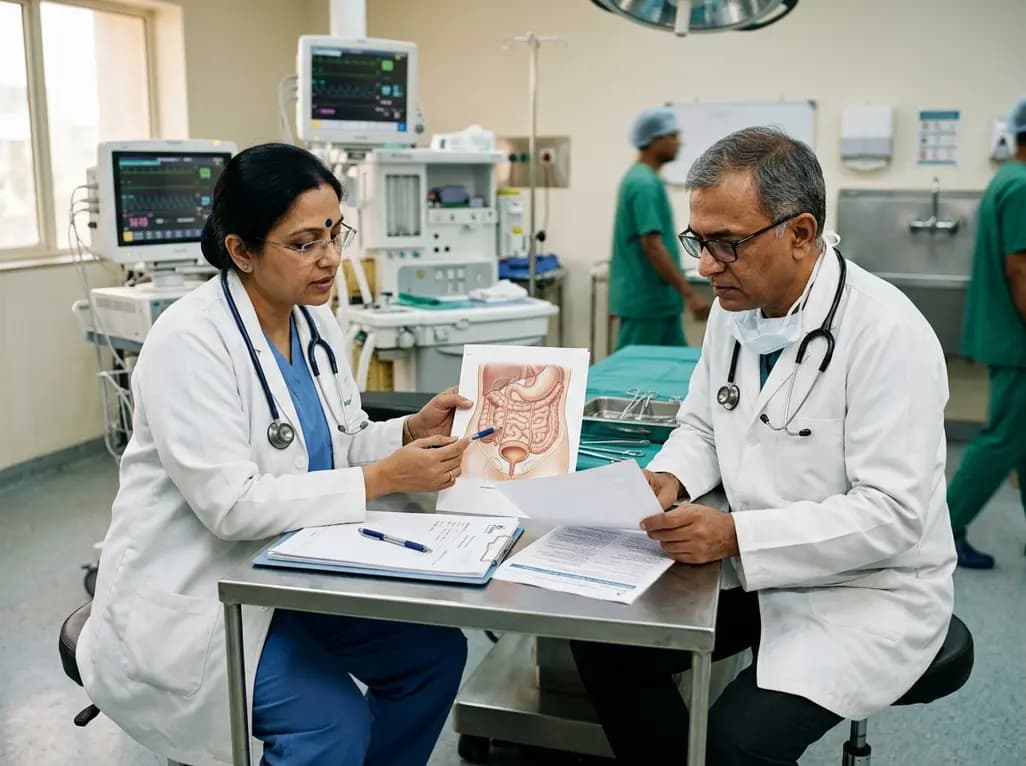
A nationwide review reveals that gastrointestinal and urological tract injuries occur in 233 per 100,000 cesarean deliveries, causing elevated ICU admission and maternal mortality. Prior cesarean delivery triples urological risk, underscoring the critical consulting role of general surgeons.
Today
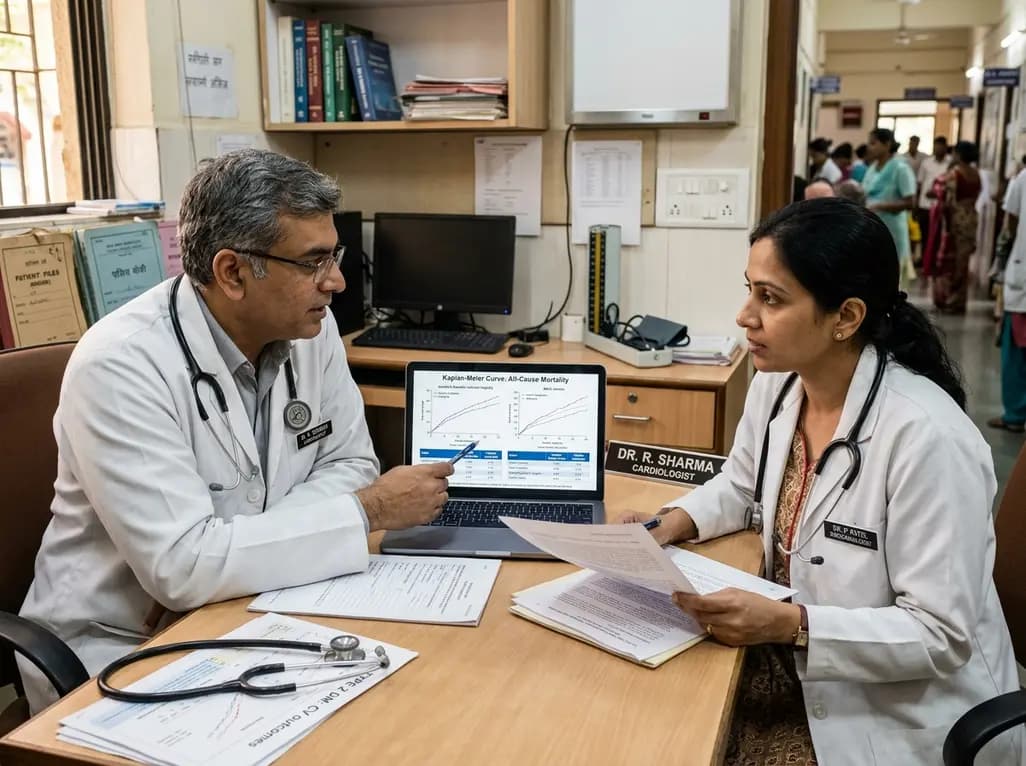
A nationwide Swedish registry study evaluating insulin degludec versus glargine reveals equivalent MACE in trial-eligible patients, yet shows significantly lower all-cause mortality across both trial-eligible and routine practice populations, along with reduced cardiovascular events in real-world cohorts.
Today
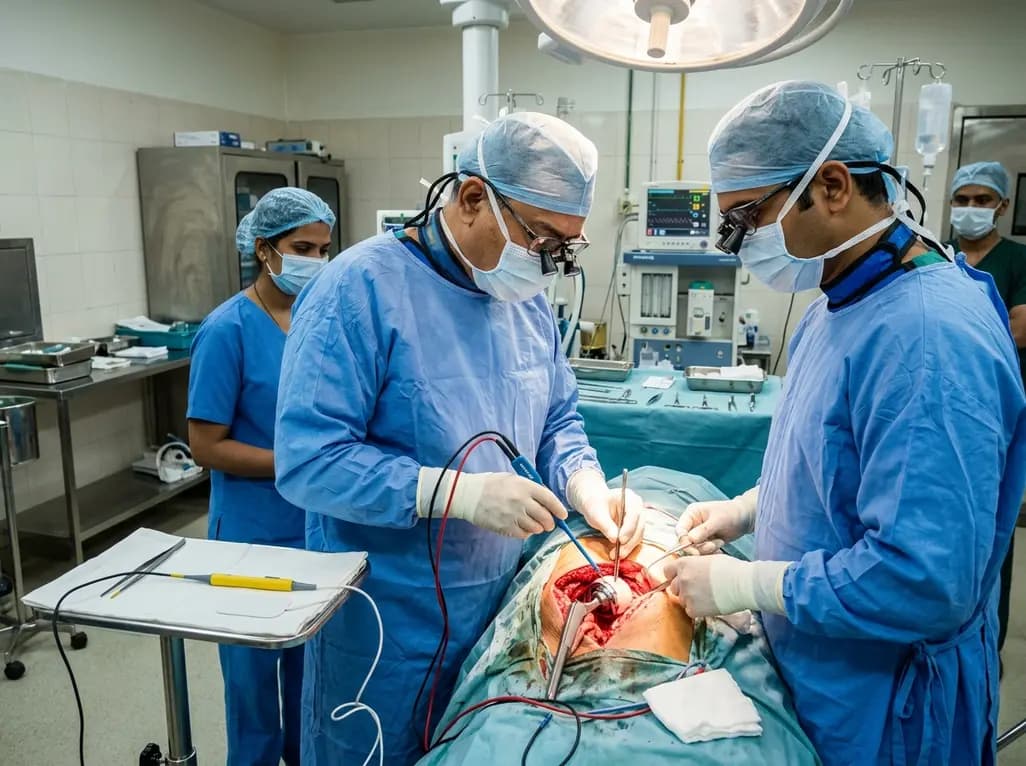
A systematic review and meta-analysis of 8 RCTs evaluated bipolar versus monopolar electrocautery in primary total hip and knee arthroplasty. Pooled data revealed no significant differences in haemoglobin drop, blood loss, or length of stay, concluding that routine bipolar electrocautery is not supported.
Today
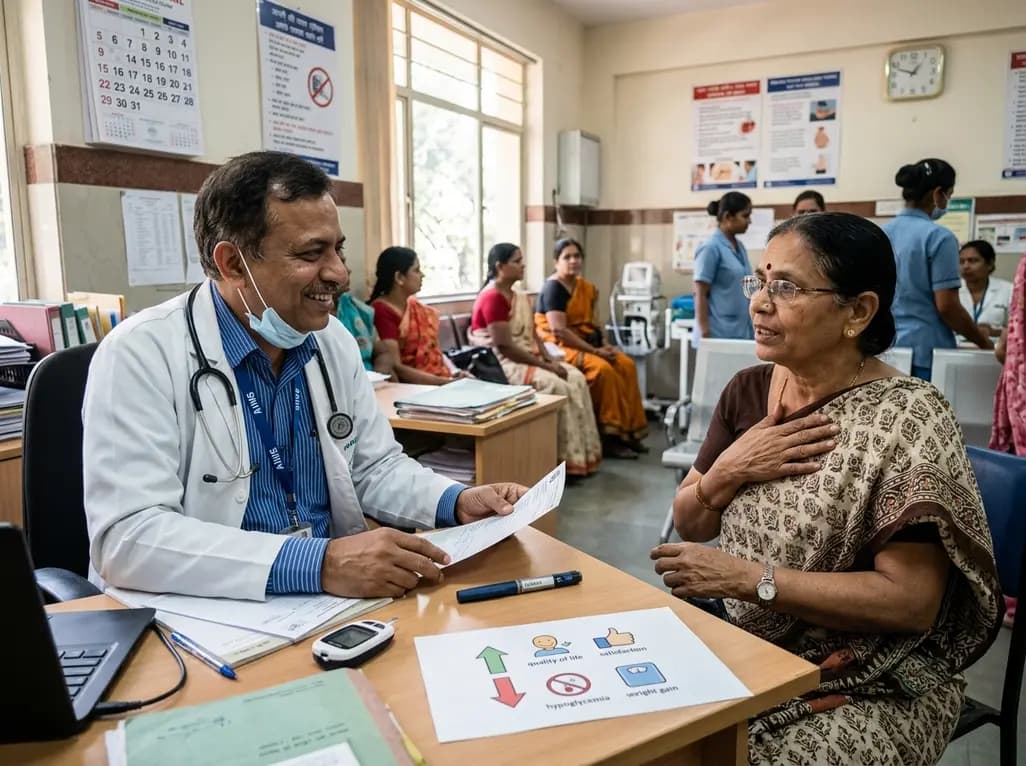
A comprehensive narrative review demonstrates that simplifying complex insulin regimens to once-daily iGlarLixi significantly enhances patient-reported outcomes, treatment satisfaction, and daily quality of life in adults with type 2 diabetes while mitigating hypoglycemia and weight gain concerns.
Today
