.webp&w=384&q=75)

Loading, please wait...
Loading, please wait...
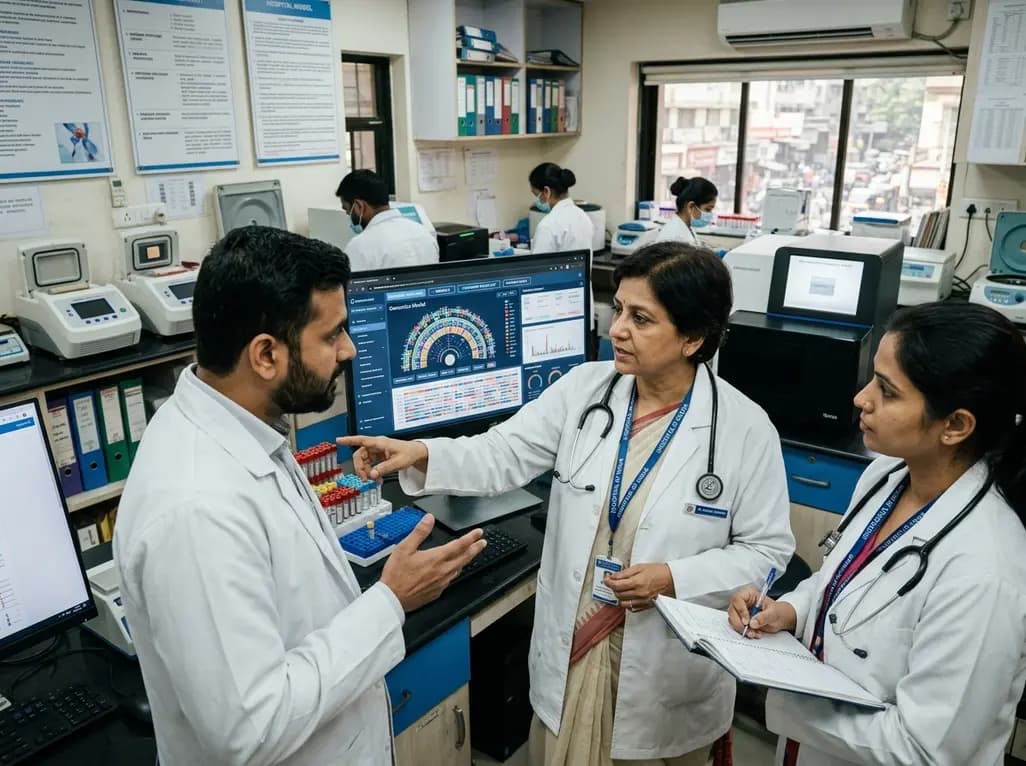
Developing a sustainable hospital genomics business model has become essential as molecular diagnostics shift from academic research into daily medical care. While precision oncology and targeted therapeutics offer unprecedented clinical promise, healthcare administrators must establish viable operational structures. Consequently, modern hospitals are re-evaluating diagnostic pathways to ensure precision medicine remains financially accessible across India.
Historically, hospitals organized operational workflows around acute, episodic interventions. When individuals experienced clinical symptoms, physicians initiated diagnostic workups, administered therapy, and concluded the clinical episode. However, genomic technology fundamentally alters this traditional framework. Comprehensive molecular profiling allows clinicians to evaluate lifetime disease vulnerability long before symptoms emerge. Furthermore, longitudinal genomic surveillance facilitates proactive cancer detection, which dramatically reduces treatment toxicity and improves survival. Therefore, hospital leadership must pivot from transactional episode economics toward continuous patient engagement economics. Instead of evaluating genomic platforms purely through short-term return on investment, administrators recommend analyzing value on investment. This broader perspective accounts for reduced hospital readmissions, improved clinical outcomes, and strengthened community trust. Moreover, ongoing risk assessment establishes durable partnerships between families and clinical departments. As medical centers adopt continuous monitoring protocols, institutional pathways evolve naturally to emphasize proactive health preservation. Ultimately, detecting aggressive malignancies at early stages yields superior clinical value while enhancing overall patient satisfaction. Consequently, healthcare facilities establish lasting clinical utility while reinforcing institutional reputation across regional populations. Additionally, data-driven protocols allow clinical teams to adjust preventive strategies before irreversible organ damage occurs.
Achieving financial sustainability represents the greatest hurdle when scaling molecular diagnostic services. To construct a viable hospital genomics business model, healthcare executives must tackle high equipment costs and sequencing expenses. In India, most individuals finance medical interventions through personal out-of-pocket savings. Consequently, expensive genomic testing frequently poses severe financial distress for middle-income households. Healthcare leaders must therefore partner with public health schemes and commercial insurance providers to develop clear reimbursement structures. Furthermore, institutions can implement strategic cross-subsidisation frameworks to support underprivileged individuals requiring critical biomarker profiling. In several international settings, hospital systems have partnered with pharmaceutical manufacturers to co-sponsor diagnostic programs. These collaborative initiatives expand diagnostic access, enabling clinicians to prescribe targeted therapies that improve disease outcomes. Moreover, administrators must carefully evaluate whether internal equipment or contracted reference laboratories provide superior operational efficiency. Tertiary facilities with substantial sample volumes often justify in-house sequencing suites. In contrast, smaller community centers preserve vital financial reserves by utilizing centralized laboratory partnerships. Thus, innovative financing mechanisms align institutional fiscal health with broad patient access. Accordingly, thoughtful economic planning transforms genomic medicine into an affordable clinical service.
Expanding precision diagnostics into semi-urban and rural areas requires novel distribution strategies. In smaller cities, baseline test availability often presents a greater hurdle than affordability alone. Secondary clinics rarely encounter sufficient patient volume to justify expensive molecular sequencing platforms. Therefore, installing advanced next-generation sequencers within every district facility remains economically unviable. Instead, health networks must adopt coordinated hub-and-spoke operational models. Under this operational design, peripheral clinics collect tissue biopsies and blood samples from local residents. Standardized cold-chain logistics then transport these biospecimens efficiently to central diagnostic laboratories. Consequently, centralized hubs aggregate high testing volumes, which lowers the cost per test through economies of scale. Furthermore, local patients avoid extensive travel, remaining close to their families during treatment. However, clinicians must choose appropriate targeted gene panels tailored to regional pathology rather than ordering costly, unselected broad sequencing. Targeted panels frequently deliver actionable findings at lower costs. Moreover, digital pathology and tele-genetics connect local oncologists with molecular tumor boards at apex institutions. In this manner, networked delivery bridges geographic inequalities, bringing standardized genomic medicine to underserved populations across India. Consequently, regional equity improves without straining municipal health department budgets.
Successful genomic implementation requires objective metrics rather than vanity volume indicators. Hospital administrators must not gauge progress merely by the gross number of samples sequenced. Instead, clinical directors propose four assessment pillars: clinical utility, operational speed, patient outcomes, and economic value. First, clinical utility evaluates whether molecular testing directly alters therapy. Specifically, tests should guide targeted drug choice, refine dosing, or direct surgical planning. Second, operational efficiency measures the duration between test requisition and actionable clinical reporting. In aggressive malignancies, rapid turnaround times are paramount because prolonged delays cause clinical deterioration. Third, institutions must track objective clinical endpoints, including progression-free survival, reduced tumor recurrence, and avoided drug toxicities. Fourth, health economics should evaluate whether molecular profiling prevents costly, ineffective empirical chemotherapy cycles. Additionally, Indian healthcare systems must build domestic genomic variant registries. Continued reliance on Western genomic databases can mislead local interpretations because mutation prevalences vary across ethnic backgrounds. Although technical sequencing procedures can be outsourced safely, medical teams must preserve absolute ownership of clinical decisions. Thus, comprehensive evaluation metrics ensure that genomic technologies produce tangible clinical improvements rather than excessive overhead.
Modern sequencers alone cannot scale precision medicine without skilled human resources. Healthcare directors agree that workforce shortages represent the most acute operational bottleneck in India today. Genomic platforms generate massive, highly complex biological data streams. Unfortunately, certified molecular pathologists, bioinformatics specialists, and genetic counselors remain scarce across the country. Furthermore, general medical practitioners frequently lack the specialized training needed to translate multi-gene variant panels into therapeutic action. Consequently, healthcare institutions must actively invest in continuing medical education and clinical genomics fellowships. In addition to training staff, forward-thinking hospitals must establish comprehensive biobanking facilities. Storing characterized tissue specimens, germline DNA, and patient records positions organizations to capitalize on rapid technological breakthroughs. As spatial biology and proteomics mature, local biobanks will uncover novel disease targets specific to Indian cohorts. Moreover, clinical education must expand beyond oncology into disciplines like cardiology, neurology, and rare pediatric syndromes. Developing accountable, skilled multidisciplinary teams will ultimately move molecular diagnostics from research benches to routine bedside practice. Therefore, institutions that cultivate human talent today will anchor the future of precision healthcare delivery. Consequently, institutional investment in skilled teams delivers enduring clinical and economic dividends.
Q1: Why should hospitals evaluate value on investment rather than return on investment in genomics?
Traditional return on investment measures direct, short-term margins, which fails to capture the true clinical impact of molecular diagnostics. In contrast, value on investment evaluates holistic outcomes across patient lifetimes. It accounts for earlier cancer diagnosis, tailored drug selection, avoided toxicities, and reduced emergency readmissions. Consequently, this comprehensive metric demonstrates substantial downstream savings, justifying high technology expenditures through improved clinical outcomes and lasting patient trust.
Q2: How does a hub-and-spoke infrastructure expand precision oncology to non-metro regions?
Smaller district hospitals rarely possess the capital or specimen volumes required to maintain in-house next-generation sequencing suites. A hub-and-spoke framework overcomes this limitation by having decentralized clinics collect patient biopsies and dispatch them to central molecular hubs. Centralized laboratories aggregate high specimen volumes, drastically lowering cost per test through economies of scale. Local clinicians promptly receive genomic guidance, allowing patients in smaller towns to access precision therapy.
Q3: Why are India-specific genomic variant databases essential for accurate clinical care?
Most commercial genomic knowledge bases rely heavily on Western population data, which exhibit different variant frequencies compared to Indian cohorts. Consequently, physicians using Western reference datasets risk misclassifying benign ethnic variations as disease-causing mutations. Establishing native Indian genomic registries establishes authentic baseline frequencies. Furthermore, local databases empower clinicians to prescribe targeted therapies with higher precision, ensuring diagnostic interpretations remain clinically reliable, safe, and effective for domestic populations.
Disclaimer: This content is for informational and educational purposes only. It does not constitute medical advice or replace professional judgment. Refer to the latest local and national guidelines for clinical practice.
References

Read summarized clinical updates, watch expert medical content, and earn CME certifications right from your smartphone.
Open your smartphone camera to scan and install.





Discover how Indian healthcare systems are redefining precision oncology and molecular diagnostics. Leaders examine sustainable delivery models, workforce shortages, reimbursement challenges, and regional aggregation to transition genomic medicine from academic research into daily hospital practice.
Today
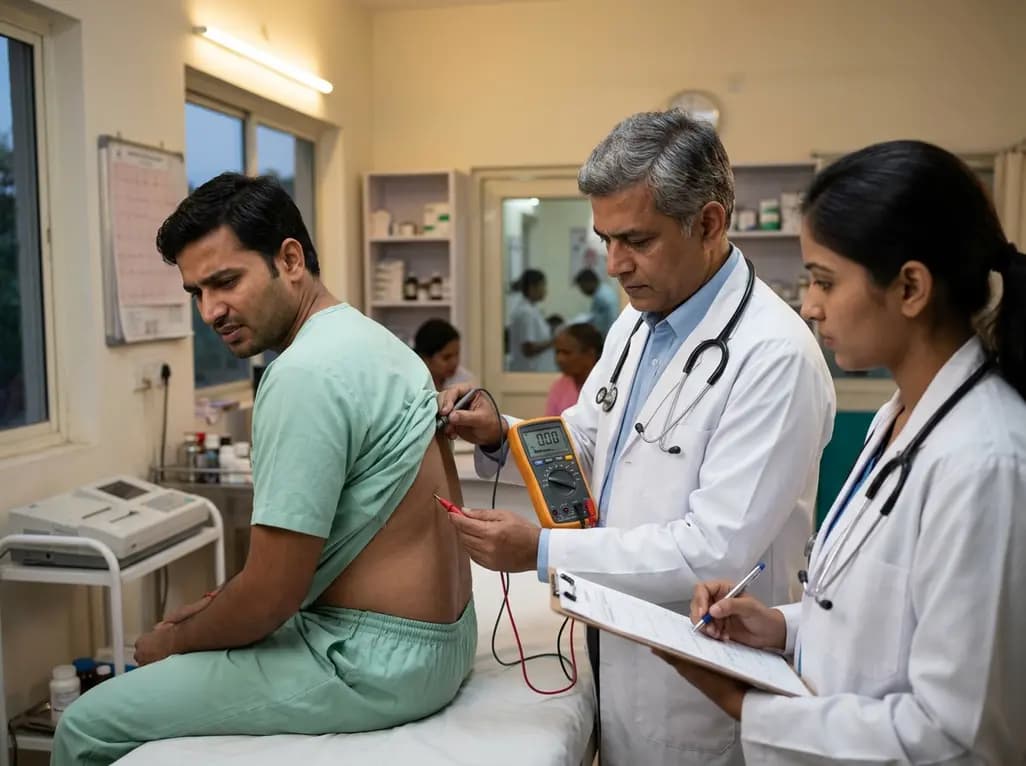
A study reveals that patients with chronic gastritis and inflammatory bowel disease exhibit marked skin resistance drops across specific thoracic dermatomes (T5-T9 and T8-T12), correlating with visceral referred pain severity and offering a non-invasive biomarker.
Today

A landmark biomechanical study demonstrates that sports bra support and running shoe cushioning interact significantly to influence tibial acceleration, breast motion, and comfort in female runners, providing crucial insights for clinical counseling in sports medicine and women's health.
Today
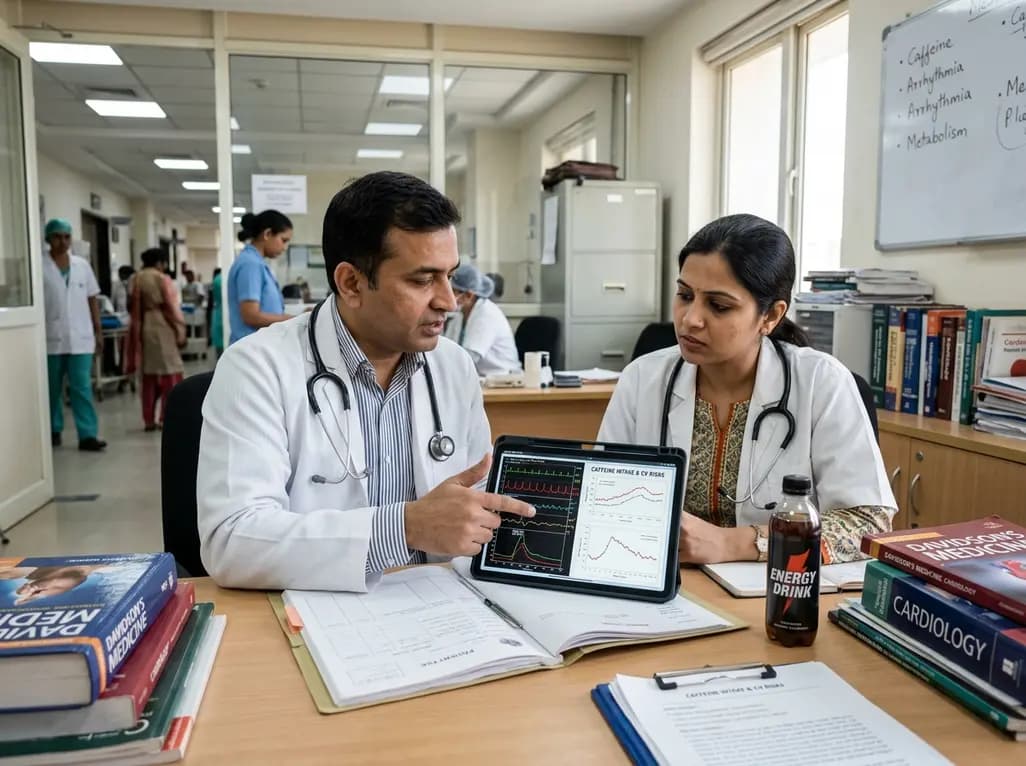
The Delhi High Court declined immediate relief to PepsiCo regarding fresh manufacturing of products using the energy drink label. As regulatory bodies enforce strict standards on caffeinated beverages, medical professionals must evaluate the cardiovascular, metabolic, and pediatric risks linked to excessive intake.
Today

This review explores advances in antibacterial photothermal therapy, highlighting photothermal agents across NIR-I and NIR-II windows. By overcoming biofilm defenses and multidrug resistance without conventional antibiotics, these biomaterial platforms offer transformative options for complex clinical infections.
Today

A landmark Monte Carlo simulation study reveals widespread perchlorate and chlorate exposure through vegetables and drinking water, presenting significant thyroid disruption risks in young children. Learn the physiological mechanisms, dietary drivers, and preventive strategies for clinical practice.
Today
