

Loading, please wait...
Loading, please wait...

Hospital-acquired anemia represents a silent yet pervasive challenge in modern intensive care medicine. Critically ill patients frequently encounter rapid drops in circulating hemoglobin within days of hospital admission. Although clinicians often attribute these hematologic declines to acute illness severity, cumulative diagnostic testing and therapeutic fluid resuscitation significantly accelerate red cell depletion. Recent observational data reveal that more than six out of ten patients admitted to the intensive care unit experience substantial hemoglobin loss before discharge. Consequently, healthcare teams face heightened risks of prolonged mechanical ventilation, increased transfusion triggers, and extended hospitalization. Understanding the clinical implications and root causes of this iatrogenic condition is vital for critical care practitioners.
A recent clinical review from a Florida intensive care unit highlights the alarming prevalence of hospital-acquired anemia among critically ill adults. In this cohort study evaluating 108 adult patients who met inclusion criteria, 69 individuals (64%) developed hospital-acquired anemia during their stay. The researchers defined the condition as a 10% or greater decline in hemoglobin level between admission and discharge. Moreover, patients developing anemia demonstrated an average hemoglobin drop of 20%, whereas unaffected counterparts experienced only a 4% decline.
Furthermore, this steep physiological loss translated directly into worsened inpatient outcomes. Patients who developed hospital-acquired anemia remained in the intensive care unit for a mean of 5.9 days, compared to only 3.3 days for patients without significant hemoglobin depletion. This statistically significant extension of stay underscores how rapidly iatrogenic blood loss compromises recovery. Critically ill individuals possess limited physiologic reserve to tolerate acute decreases in oxygen-carrying capacity. As a result, even moderate hemoglobin reductions exacerbate tissue hypoxia, hinder physical rehabilitation, and delay discharge readiness.
The pathophysiology behind acute hemoglobin deterioration in intensive care settings involves multiple converging factors. Repeated diagnostic phlebotomy remains the most prevalent modifiable cause of hospital-acquired anemia. Daily laboratory assessments, arterial blood gas analyses, and repeated coagulation profiles frequently draw 40 to 70 milliliters of blood each day. Because a critically ill bone marrow cannot compensate for such rapid depletion, cumulative phlebotomy induces severe iatrogenic blood loss over time.
Additionally, aggressive intravenous fluid resuscitation plays a profound role through acute hemodilution. Clinicians routinely administer large volumes of crystalloids and colloids during initial resuscitation for sepsis, shock, or trauma. While volume expansion restores intravascular perfusion pressure, it dilutes red cell mass and lowers measured hemoglobin levels. Furthermore, systemic inflammation suppresses endogenous erythropoietin secretion and alters iron homeostasis via hepcidin upregulation. Consequently, circulating iron becomes sequestered in macrophages, which blunts effective erythropoiesis. When medical teams combine daily blood sampling with blunted erythropoiesis and aggressive fluid therapy, progressive anemia inevitably develops.
Prolonged critical care admission imposes severe clinical burdens on vulnerable patients and drains vital healthcare resources. The Florida study clearly established that hospital-acquired anemia correlates strongly with extended intensive care unit length of stay. When circulating hemoglobin falls, organs with high oxygen demand suffer compromised performance. Specifically, the myocardium must augment cardiac output to compensate for diminished arterial oxygen content, which increases metabolic strain.
Moreover, persistent anemia impedes successful weaning from mechanical ventilation. Diaphragmatic endurance depends heavily on adequate oxygen delivery, and anemic patients frequently experience respiratory muscle exhaustion during spontaneous breathing trials. Consequently, clinicians must maintain invasive ventilatory support for longer periods, which predisposes patients to ventilator-associated pneumonia and delirium. Hospital-acquired anemia also raises the likelihood that clinicians will eventually order allogeneic red blood cell transfusions. Although blood transfusions temporarily raise hemoglobin numbers, they carry substantial risks, including transfusion-related acute lung injury, circulatory overload, and secondary immunosuppression. Therefore, preventing avoidable blood loss provides immediate clinical benefits.
Hospital systems must adopt rigorous diagnostic stewardship to combat hospital-acquired anemia effectively. Intensivists can significantly mitigate iatrogenic blood loss by eliminating routine, non-actionable laboratory orders. Clinical teams often order daily recurring panels out of habit rather than clinical necessity. By auditing laboratory utilization and implementing clinical decision-support algorithms, hospitals can substantially decrease daily draw volumes.
Additionally, critical care units should transition to small-volume collection tubes for routine testing. Modern laboratory analyzers require minuscule quantities of blood to generate accurate results, yet standard adult tubes collect excessive volumes. Switching to pediatric or low-volume vacuum tubes can reduce diagnostic blood loss by up to 40% without compromising analytical quality. Furthermore, closed in-line arterial blood collection systems conserve significant volumes of blood. When nurses draw blood from arterial lines, traditional methods discard several milliliters of blood to clear the line. Closed blood-conservation devices return this initial volume to the patient, preventing cumulative daily wastage. Adopting these simple procedural interventions preserves endogenous hemoglobin throughout critical illness.
Preventing hematologic decline requires a multidisciplinary Patient Blood Management framework within modern intensive care units. Physicians should not view hospital-acquired anemia as an unavoidable byproduct of critical illness. Instead, intensivists must proactively evaluate baseline nutritional status and identify pre-existing iron deficiency upon admission. Early intravenous iron repletion, combined with judicious use of erythropoiesis-stimulating agents in select populations, can enhance red cell production during recovery.
Furthermore, medical teams must exercise strict restraint regarding transfusion thresholds. Clinical evidence consistently shows that restrictive transfusion strategies (maintaining hemoglobin targets between 7.0 and 8.0 g/dL) match or exceed the safety of liberal strategies in most critically ill cohorts. Restricting transfusions prevents acute immunomodulation and infectious complications while encouraging endogenous recovery. Additionally, nursing staff, clinical pharmacists, and laboratory specialists must coordinate closely to streamline medication administration, optimize fluid balance, and minimize hemodilution. When clinical teams view blood conservation as a central quality indicator, intensive care units achieve superior recovery rates, shorter hospital stays, and reduced overall healthcare expenditures.
Implementing structured blood conservation protocols holds immense relevance for intensive care units across India. Many Indian tertiary care centers treat complex, critically ill patients who present with nutritional anemia and delayed clinical presentations. Consequently, baseline physiologic reserve is frequently lower in Indian critical care cohorts compared to Western populations. When iatrogenic blood loss and unmonitored fluid resuscitation compound this vulnerability, patients face precipitous hemoglobin declines that necessitate expensive transfusions and prolong hospital stays.
Therefore, Indian intensive care teams must prioritize cost-effective, high-impact conservation pathways. Hospitals should formulate institutional guidelines that restrict routine admission phlebotomy bundles to essential diagnostic markers only. Moreover, introducing pediatric micro-sampling tubes across intensive care units provides an immediate, affordable safeguard against unnecessary red cell loss. Clinical leaders should also conduct regular bedside audits to evaluate fluid management strategies, ensuring that crystalloid resuscitation avoids excessive hemodilution. Finally, critical care specialists, hematologists, and nursing supervisors must collaborate to establish institutional patient blood management committees. By institutionalizing these proactive measures, Indian critical care departments can curb preventable anemia, optimize intensive care bed utilization, and significantly decrease overall healthcare costs.
Hospital-acquired anemia refers to a significant decrease in hemoglobin concentration occurring after hospital admission in patients without severe pre-existing hematologic deficits. Clinical investigations frequently define this condition as a drop in hemoglobin of 10% or more between admission and discharge. Contributing etiologies include repeated diagnostic blood draws, therapeutic hemodilution from fluid resuscitation, blunted erythropoiesis due to critical illness inflammation, and concurrent procedural bleeding during intensive care hospitalization.
Hospital-acquired anemia significantly reduces arterial oxygen-carrying capacity, placing excessive metabolic strain on the cardiovascular and respiratory systems. Critically ill patients experiencing marked hemoglobin drops often struggle with respiratory muscle fatigue during mechanical ventilation weaning, which delays extubation. Furthermore, acute anemia compromises peripheral tissue perfusion, impedes early mobilization, and increases secondary complications such as myocardial ischemia or transfusion-related adverse events, ultimately postponing clinical recovery and prolonging overall intensive care hospitalization.
Intensive care units can successfully reduce iatrogenic blood loss by implementing targeted patient blood management strategies. Key interventions include replacing standard laboratory tubes with small-volume or pediatric vacuum tubes, which immediately cuts diagnostic volume by up to 40%. Additionally, adopting closed-loop arterial line sampling systems prevents discard wastage during blood draws. Clinicians should also eliminate non-essential repetitive daily testing, utilize non-invasive monitors when feasible, and maintain restrictive transfusion triggers.
Disclaimer: This content is for informational and educational purposes only... Refer to the latest local and national guidelines for clinical practice.
References

Read summarized clinical updates, watch expert medical content, and earn CME certifications right from your smartphone.
Open your smartphone camera to scan and install.





Hospital-acquired anemia affects over 60% of intensive care patients, significantly prolonging ICU stays. Discover key drivers such as diagnostic phlebotomy and hemodilution, along with actionable patient blood management strategies to conserve hemoglobin and improve clinical outcomes.
Today
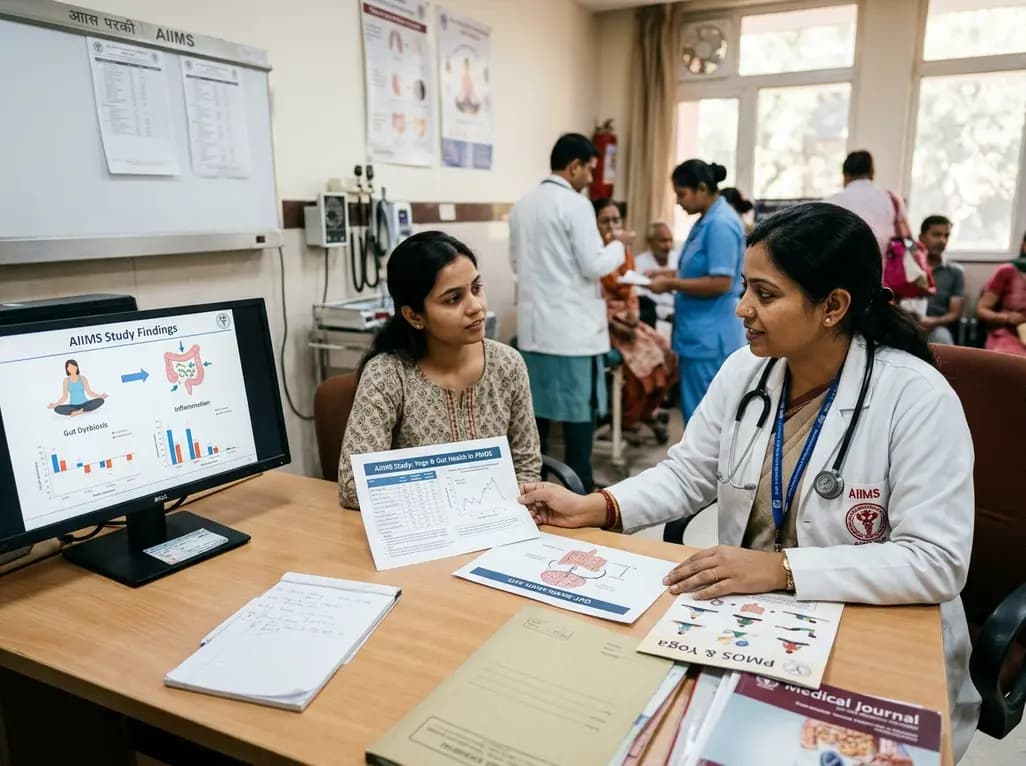
AIIMS researchers suggest yoga may alleviate gut dysbiosis in Polyendocrine Metabolic Ovarian Syndrome (PMOS) by modulating the gut-brain axis, lowering chronic inflammation, and enhancing parasympathetic tone to support metabolic and hormonal equilibrium.
Today
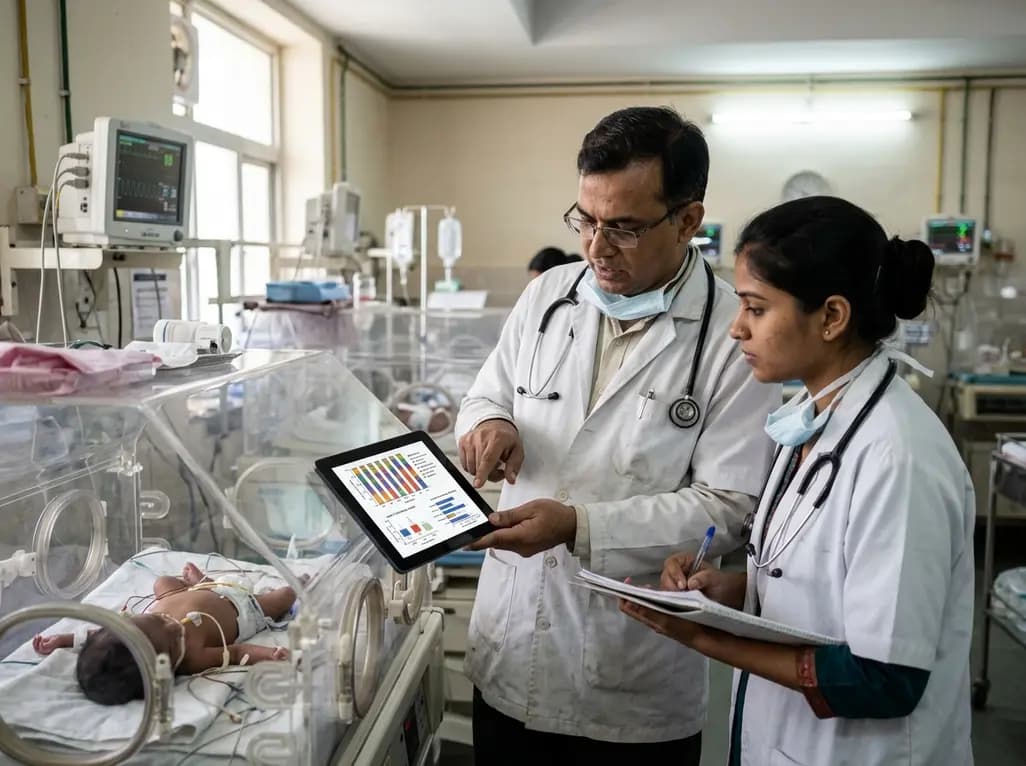
A prospective cohort study demonstrates that feeding tubes, formula exposure, aortic cross-clamp duration, and socioeconomic deprivation disrupt the neonatal gut microbiome in congenital heart disease, emphasizing the need for targeted nutritional and perioperative gut-protective strategies.
Today
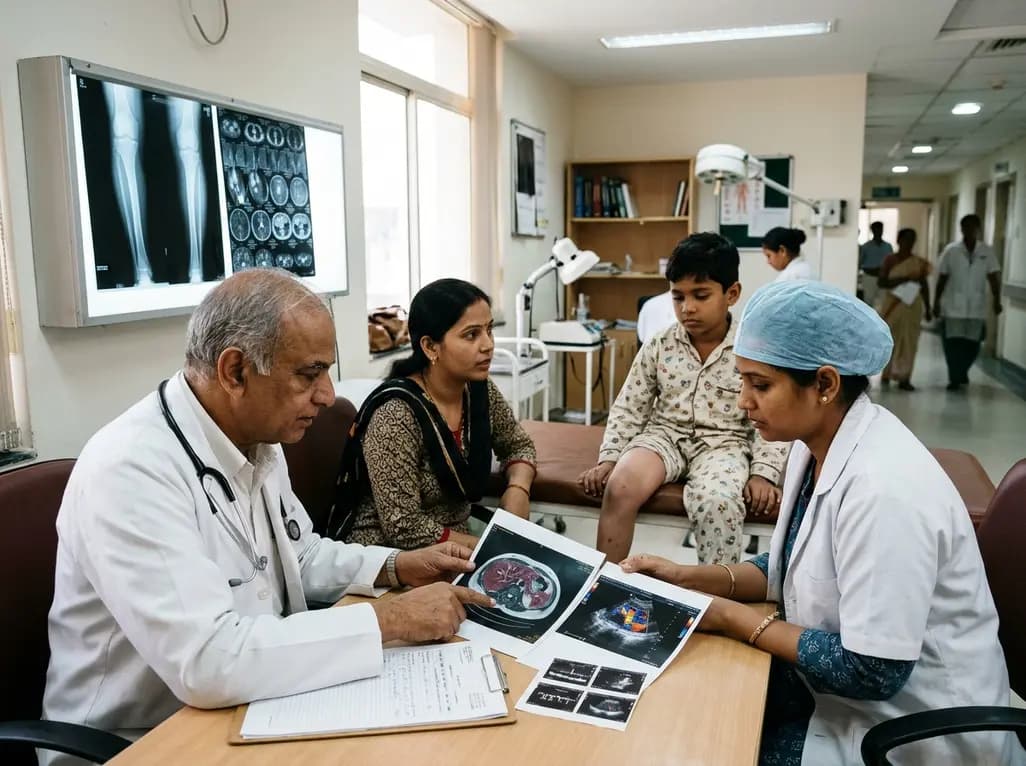
Deep intramuscular vascular malformations in pediatric Klippel-Trenaunay syndrome can mimic Maffucci syndrome. Multimodality imaging with Doppler ultrasound and MRI, along with histopathology, ensures prompt differential diagnosis, targeted surgical debulking, and optimized conservative surveillance.
Today
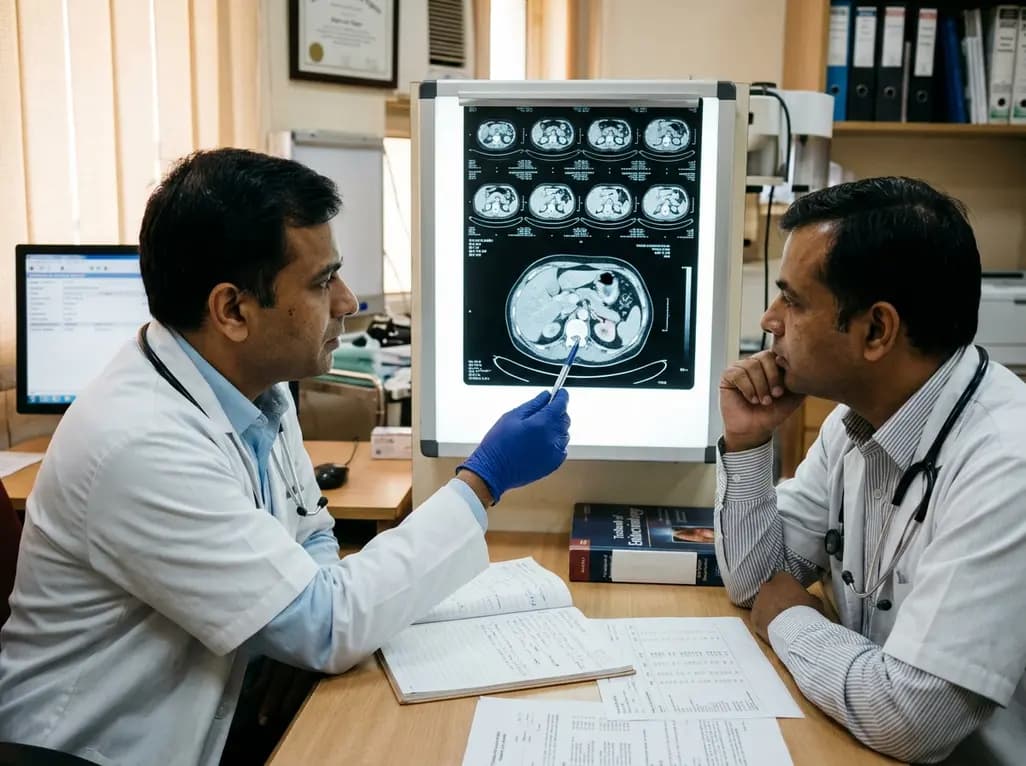
Modern management of adrenal incidentalomas is shifting away from universal testing toward risk-stratified biochemical evaluation. Guidelines suggest omitting metanephrine testing in lipid-rich adenomas (≤10 HU), while maintaining autonomous cortisol testing to prevent cardiometabolic complications.
Today
