.webp&w=384&q=75)

Loading, please wait...
Loading, please wait...

The Holistic Healthcare Shift is no longer optional but essential for India's modern medical landscape. Consequently, Vice-President CP Radhakrishnan recently highlighted how lifestyle diseases function as a silent epidemic. He emphasized that stress and poor diets drive the surge in diabetes and hypertension. Furthermore, physicians should consider broader healing approaches to manage these chronic conditions. While allopathy remains critical for diagnosis and emergency care, long-term wellness requires a more comprehensive strategy. Therefore, integrating traditional systems like naturopathy and yoga is becoming increasingly vital.
Implementing a Holistic Healthcare Shift allows for more sustainable patient outcomes in rural and urban areas. For instance, the Nisargopachar Ashram has demonstrated the power of natural healing since 1946. These institutions draw from principles of discipline and harmony with nature. Additionally, the COVID-19 pandemic underscored the need for stronger preventive health systems and mental resilience. Medical conditions like obesity and stress-related disorders require more than just pharmaceutical intervention. Instead, doctors must encourage patients to manage emotions and maintain mental balance. However, material comforts often fail to improve happiness when stress levels remain high.
Simple living and balanced nutrition are the cornerstones of preventive medicine. Furthermore, regular physical activity helps align the body with its natural rhythms. Clinicians should advocate for closer collaboration between traditional ashrams and public healthcare systems. This synergy can significantly improve healthcare delivery across the country. In summary, building a healthier society requires collective effort and a focus on community well-being. By adopting these holistic principles, India can effectively combat the rising tide of non-communicable diseases.
Q1: Why is a holistic healthcare shift necessary in India?
A shift is necessary because lifestyle diseases like diabetes and hypertension are rising rapidly due to stress and poor diet. Modern medicine effectively manages emergencies, but holistic systems address the root causes of chronic illness.
Q2: What roles do naturopathy and yoga play in preventive health?
Naturopathy and yoga promote simplicity, discipline, and mental resilience. They help patients manage emotions and maintain physical well-being, which prevents the onset of chronic lifestyle-related disorders.
Q3: How does the Vice-President define true health?
The Vice-President defines health as a state of complete physical, mental, and spiritual well-being. It is not merely the absence of disease but a balanced state of mind and body.
Disclaimer: This content is for informational and educational purposes only. It does not constitute medical advice or replace professional judgment. Refer to the latest local and national guidelines for clinical practice.
References

Read summarized clinical updates, watch expert medical content, and earn CME certifications right from your smartphone.
Open your smartphone camera to scan and install.





VP Radhakrishnan urges a shift to holistic healthcare, combining allopathy with naturopathy and yoga to manage the surge in Indian lifestyle diseases....
7 months ago

Explore why official drug package inserts fail to reflect modern evidence for clozapine prescribing. Learn how legal standards of care, case law, slow titration, and vital adverse event monitoring empower clinicians to prioritize evidence-based medical practice over outdated manufacturer labeling.
Today
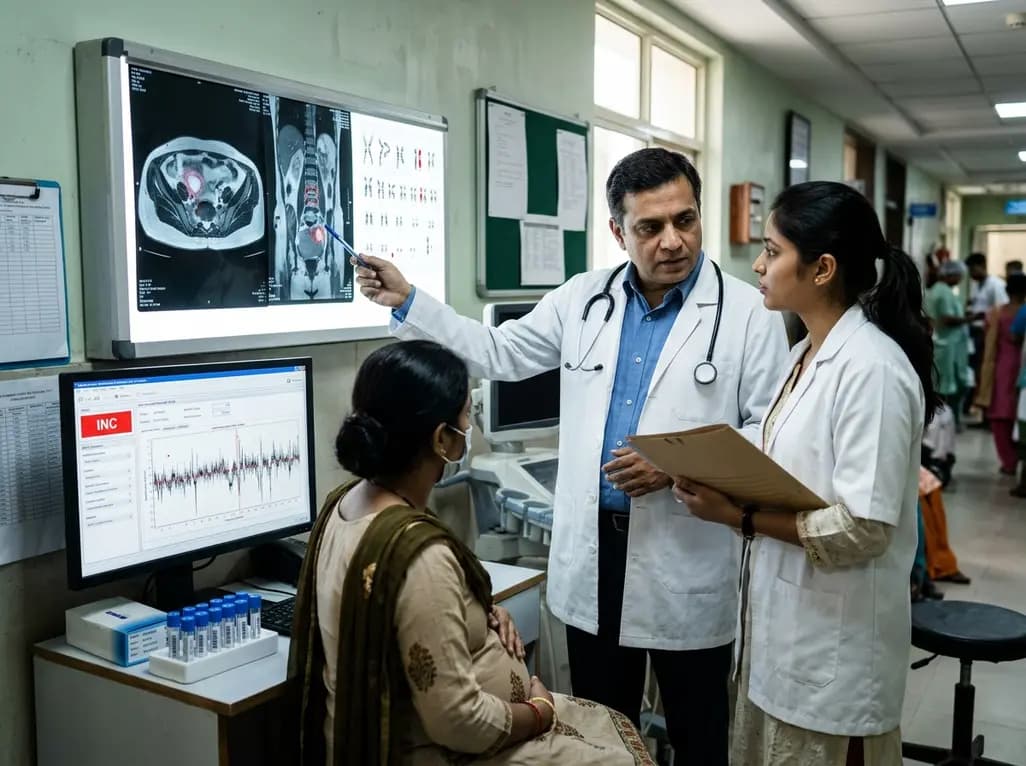
Occult maternal malignancy accounts for 3.82% of persistent unreportable NIPT results with genomic noise. Multiple chromosomal aberrations, notably on chromosome 18, warrant thorough oncological evaluation and whole-body MRI to ensure timely maternal diagnosis while preserving fetal care.
Today
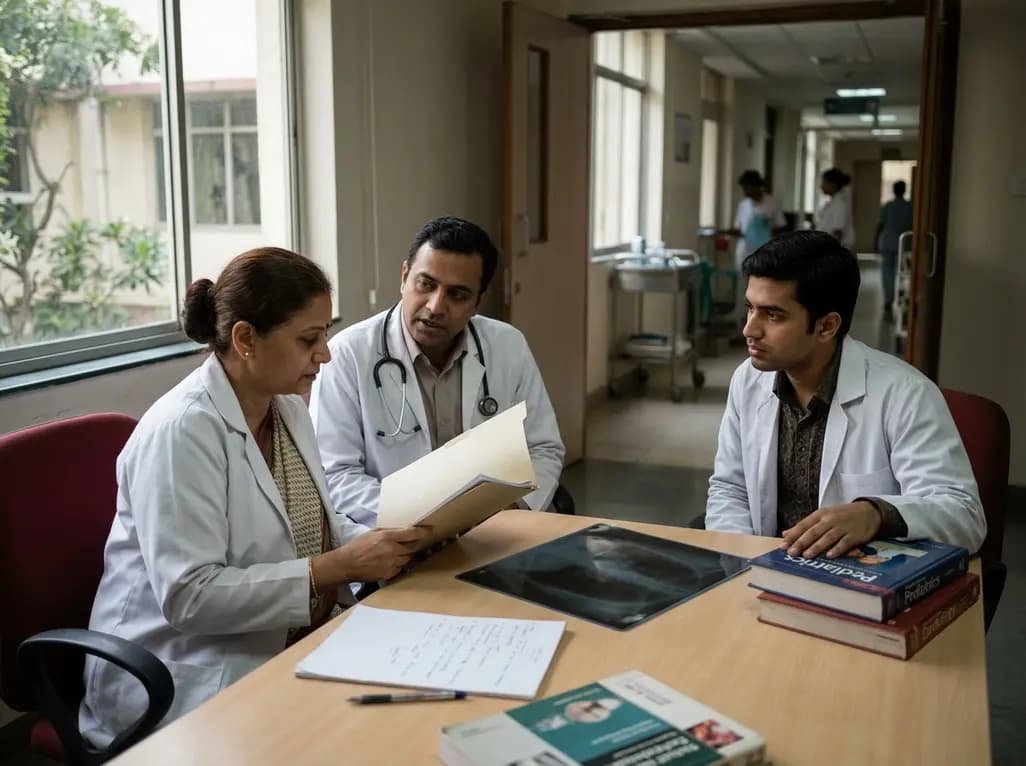
This article reviews the forensic and clinical complexities of acute myocarditis arising on left ventricular hypertrophy in children, highlighting early diagnostic red flags and multidisciplinary postmortem autopsy protocols.
Today
A randomized controlled trial demonstrates that an eight-week dual-task training intervention significantly improves static and dynamic postural control over standard balance exercises in individuals with chronic ankle instability, addressing critical neurocognitive deficits during athletic and daily activities.
Today

A retrospective cohort study of 7,716 ICU patients from the MIMIC-IV database demonstrates that Gradient Boosting Decision Trees significantly outperform traditional SOFA scores in predicting in-hospital mortality among patients with sepsis and diabetes, with SHAP analysis providing clinical interpretability.
Today
