.webp&w=384&q=75)

Loading, please wait...
Loading, please wait...
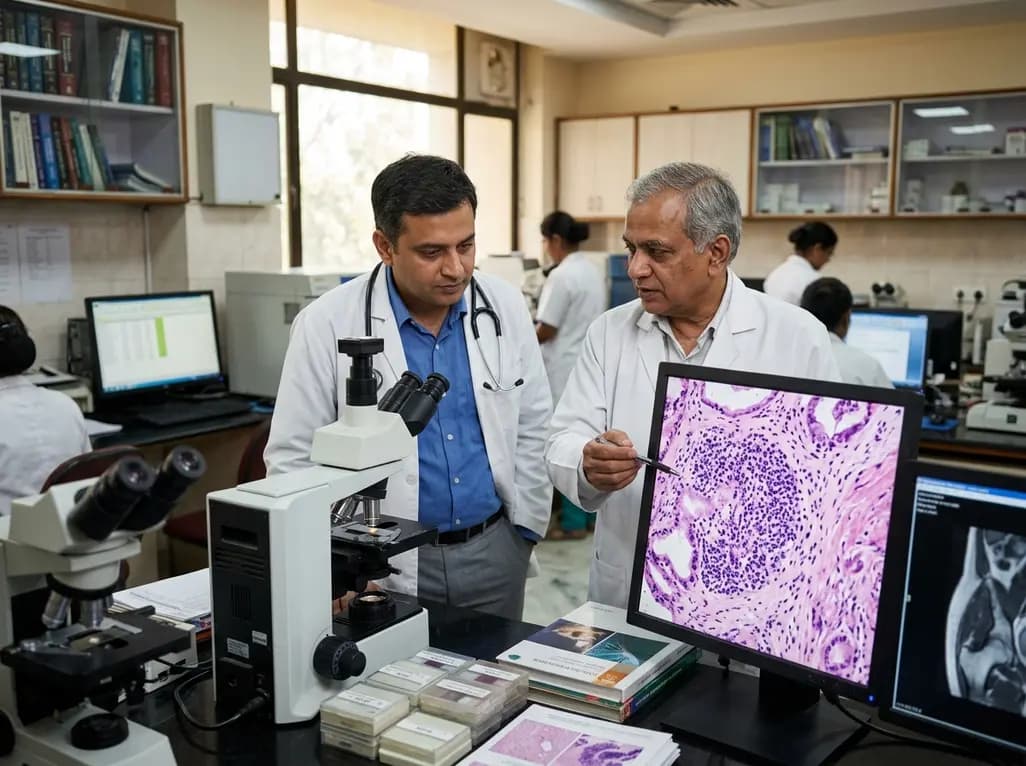
Clinicians frequently encounter lower urinary tract symptoms in aging men, yet traditional paradigms attribute these complaints primarily to mechanical bladder outlet obstruction. However, recent evidence indicates that histological prostatic inflammation plays an active, independent role in the genesis of storage symptoms. Rather than serving as an incidental microscopic bystander, localized tissue inflammation alters neuroreceptor responsiveness and drives structural remodeling within the prostate gland. Consequently, affected individuals often present with severe urinary urgency, frequency, and nocturia that fail to correlate neatly with overall prostate volume.
Furthermore, contemporary translational studies highlight that non-malignant prostate tissue frequently harbors substantial inflammatory infiltrates. When pathologists examine transperineal prostate biopsy specimens obtained for elevated prostate-specific antigen levels, they observe chronic inflammatory cell recruitment in over ninety percent of benign cases. As a result, urologists must look beyond simple glandular enlargement when evaluating bothersome irritative voiding complaints. Therefore, recognizing inflammatory phenotypes allows healthcare teams to better tailor diagnostic pathways and develop more targeted clinical strategies for affected patients.
To clarify this clinical relationship, investigators conducted a detailed retrospective analysis encompassing 123 men who underwent transperineal prostate biopsy. Importantly, all enrolled participants demonstrated elevated serum PSA concentrations or suspicious multiparametric magnetic resonance imaging findings, but definitive histopathological evaluation confirmed no malignancy. Pathologists systematically graded tissue specimens using a modified Nickel classification system. Furthermore, researchers paired these anatomical scores with validated symptom scores, including the International Prostate Symptom Score, the Overactive Bladder Symptom Score, and the Chronic Prostatitis Symptom Index.
Notably, histological inflammation appeared in 91.1% of all benign prostate biopsy specimens, confirming its ubiquitous presence in symptomatic cohorts. Patients exhibiting higher histological inflammation scores suffered from significantly worse storage symptoms, especially persistent urinary urgency. Moreover, these individuals registered significantly higher total Overactive Bladder Symptom Scores and distinct urgency subscores. Interestingly, subgroup analyses confirmed that these detrimental associations remained robust among treatment-naive men, demonstrating that standard pharmacotherapies did not artificially induce or mask the observed inflammatory correlation.
Beyond macroscopic clinical scoring, investigators performed immunohistochemical staining to evaluate the biological pathways driving symptom severity. Specifically, they analyzed the expression of cyclooxygenase-2, interleukin-6, and transforming growth factor-β in representative benign cores. Consequently, the researchers discovered strong positive correlations between histological inflammation scores and the expression of all three biochemical markers. This molecular alignment indicates that localized immune activation directly stimulates both glandular epithelial cells and surrounding stromal compartments.
Furthermore, elevated interleukin-6 and cyclooxygenase-2 expression reflect a persistent pro-inflammatory state that synthesizes sensitizing prostaglandins and autocrine cytokines. In addition, robust transforming growth factor-β expression accelerates fibrotic deposition and extracellular matrix expansion within prostatic architecture. Therefore, sustained inflammation does not merely cause transient swelling; it prompts extensive tissue remodeling and increases local tissue stiffness. Consequently, this persistent cellular remodeling likely exerts continuous tension on adjacent periurethral afferent nerve fibers, precipitating intense urinary urgency regardless of overall gland enlargement.
Prostatic inflammation does not restrict its deleterious effects to urinary storage alone. In the study cohort, patients with elevated inflammation scores demonstrated significantly lower International Index of Erectile Function-5 scores. Thus, chronic stromal inflammation appears intimately interconnected with vascular endothelial dysfunction and pelvic neurovascular irritation. Moreover, these shared pathophysiological pathways emphasize that systemic metabolic stress and localized immune activation jointly compromise both urinary continence mechanisms and male sexual health.
Additionally, investigators analyzed apparent diffusion coefficient values derived from diffusion-weighted magnetic resonance imaging in an exploratory protocol. Although global apparent diffusion coefficient measurements showed no significant divergence across generalized histological inflammation categories, quantitative reductions appeared distinctly among patients reporting moderate-to-severe pelvic pain symptoms. Consequently, restricted water diffusion on pelvic imaging effectively tracks focal microstructural remodeling and intense inflammatory cell packing in painful presentations. Therefore, quantitative diffusion imaging provides valuable noninvasive biological insight when managing chronic pelvic pain syndromes.
These compelling findings demonstrate that chronic prostatic inflammation constitutes a primary driver of lower urinary tract dysfunction. Historically, physicians relied almost exclusively on alpha-blockers and 5-alpha reductase inhibitors to address benign prostatic hyperplasia. However, these conventional interventions target smooth muscle tone and endocrine growth rather than progressive immune-mediated tissue injury. Consequently, patients suffering from pronounced storage symptoms and concurrent erectile decline frequently report incomplete symptomatic relief from standard mono-therapies.
Therefore, future therapeutic algorithms should incorporate anti-inflammatory and antifibrotic strategies to halt progressive tissue remodeling. Clinicians evaluating men with elevated PSA levels and negative cancer biopsies must recognize that persistent urinary urgency often reflects ongoing microvascular inflammation rather than occult malignancy. Accordingly, comprehensive management plans should integrate lifestyle optimization, metabolic syndrome reduction, and targeted anti-inflammatory regimens. By addressing histological prostatic inflammation directly, urologists can preserve sexual function, alleviate distressing urinary urgency, and significantly improve overall quality of life.
Histological prostatic inflammation triggers inflammatory cytokines such as interleukin-6 and cyclooxygenase-2, promoting prostaglandin synthesis and transforming growth factor-β mediated stromal fibrosis. Consequently, this continuous extracellular matrix remodeling increases tissue stiffness around the prostatic urethra. Furthermore, chronic inflammation sensitizes local afferent pelvic nerves, creating heightened detrusor excitability that translates clinically into sudden, involuntary sensations of urinary urgency regardless of whether significant mechanical obstruction exists.
Nonsteroidal anti-inflammatory agents effectively inhibit cyclooxygenase-2 activity, thereby lowering intraprostatic prostaglandin concentrations and reducing localized tissue edema. Clinical studies indicate that anti-inflammatory interventions modestly improve both irritative voiding scores and nocturnal frequency. However, clinicians must weigh potential gastrointestinal, renal, and cardiovascular toxicities when considering long-term therapy. Therefore, physicians typically reserve anti-inflammatory agents for selected symptom flares or multimodal regimens rather than indefinite monotherapy.
Apparent diffusion coefficient values measure the Brownian motion of water molecules within prostate stroma and glandular lumens. When dense inflammatory infiltrates and collagenous fibrosis accumulate, extracellular water movement becomes restricted, driving numerical apparent diffusion coefficient values down. Consequently, lower values correlate closely with moderate-to-severe chronic pelvic pain syndrome symptoms. Thus, quantitative diffusion-weighted imaging acts as a helpful noninvasive biomarker for identifying localized microstructural remodeling in symptomatic men.
Disclaimer: This content is for informational and educational purposes only. It is not intended to provide specific medical advice, diagnosis, or treatment recommendations. Refer to the latest local and national guidelines for clinical practice.
References
Okubo N et al. Histological Prostatic Inflammation Is Associated With Storage Lower Urinary Tract Symptoms and Inflammatory/Fibrotic Marker Expression in Benign Prostate Biopsies. Prostate. 2026 Sep 13. doi: 10.1002/pros.70252. PMID: 42732592.
Nickel JC, Roehrborn CG, O'Leary MP, Bostwick DG, Somerville MC, Rittmaster RS. The relationship between prostate inflammation and lower urinary tract symptoms: examination of baseline data from the REDUCE trial. Eur Urol. 2008;54(6):1379-1384.
Gandaglia G, Briganti A, Gontero P, et al. The role of chronic prostatic inflammation in the pathogenesis and progression of benign prostatic hyperplasia (BPH). BJU Int. 2013;112(4):432-441.

Read summarized clinical updates, watch expert medical content, and earn CME certifications right from your smartphone.
Open your smartphone camera to scan and install.





A retrospective biopsy study demonstrates that histological prostatic inflammation is significantly linked to storage symptoms such as urinary urgency, as well as cytokine expression and erectile dysfunction, revealing tissue remodeling mechanisms beyond benign prostatic enlargement.
Today

A pioneering study highlights the first United States experience using the FARAPOINT focal pulsed-field ablation catheter for refractory ventricular tachycardia. The catheter achieved complete acute non-inducibility across tested patients without procedural complications, marking a milestone in ventricular ablation.
Today

A comprehensive meta-analysis of over 278,000 women demonstrates that maternal atopic dermatitis significantly increases risks of premature rupture of membranes and low birth weight. Discover essential clinical insights on disease mechanisms, serial antenatal growth monitoring, and safe therapeutic interventions.
Today

Managing destructive Citrobacter koseri endocarditis with aortocavitary fistula requires meticulous antiplatelet bridging, extensive debridement, and complex redo aortic root and RVOT reconstruction.
Today
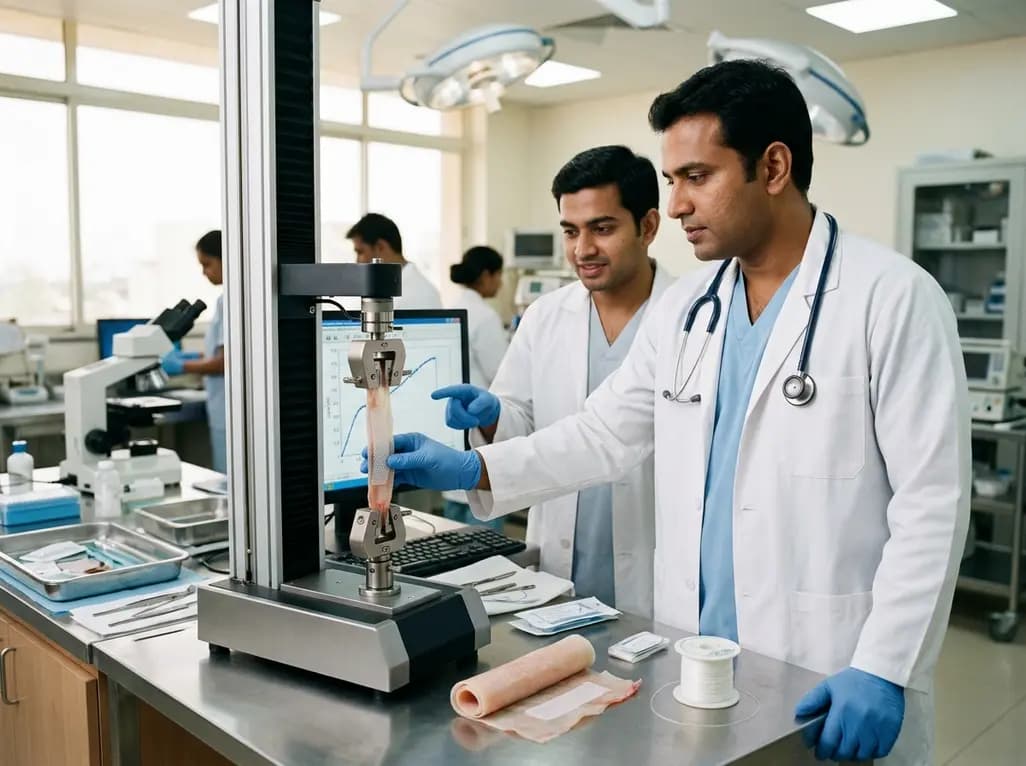
A biomechanical study shows that augmenting thin fascia lata grafts with a reinforced polyester patch doubles ultimate tensile strength and stiffness, matching the performance of thick grafts for superior capsule reconstruction while reducing donor-site morbidity.
Today

A cross-sectional study reveals that elevated METS-IR is independently associated with higher myopia odds in adolescents, showing biological synergy with obesity and highlighting the need for metabolic screening in pediatric eye care.
Today
