.webp&w=384&q=75)

Loading, please wait...
Loading, please wait...

In the first place, addressing heavy metal removal is a critical priority for public health and safety. In fact, toxic metal contamination remains a major concern also in India. However, current purification methods often fall short while they treat complex industrial wastewater. Consequently, a recent study investigated how modified rice hull biochar eliminates lead and cadmium. Specifically, researchers used NaOH to functionalize the carbon so that it works more effectively. Because this modification altered the surface, the adsorption capacity increased greatly.
Furthermore, characterization revealed that NaOH improved porosity as well. Therefore, NaOH-modified carbon (NBC) achieved a larger surface area and a higher pore volume. Indeed, NBC proved highly efficient for this purpose. In contrast, the β-cyclodextrin version performed better in single systems but failed in competitive ones. Then, the study showed lead outcompeted cadmium in binary systems. This is because lead has a smaller radius and lower energy. Moreover, lead exhibits stronger complexation and affinity for the carbon. Thus, NBC represents a selective adsorbent for wastewater treatment.
Additionally, chronic exposure results in renal damage and neurological deficits. As a result, implementing such technologies is vital so as to ensure safety. In addition, this approach protects populations and reduces health risks for all. Finally, the study also establishes a practical framework to improve water quality.
NaOH treatment increases the specific surface area and pore volume of the carbon. This creates more available sites for metal ions to attach, which significantly enhances the overall efficiency of heavy metal removal from contaminated water.
Lead has a higher affinity for the adsorbent because it has a smaller hydrated radius and lower hydration energy. These physical properties allow it to bind more strongly to the biochar surface than cadmium in multi-metal environments.
Disclaimer: This content is for informational and educational purposes only. It does not constitute medical advice or professional services. Always consult a healthcare professional for medical concerns. Refer to the latest local and national guidelines for clinical practice.
References

Read summarized clinical updates, watch expert medical content, and earn CME certifications right from your smartphone.
Open your smartphone camera to scan and install.





A study evaluates modified rice hull biochar for removing lead and cadmium from wastewater, highlighting NaOH-modified carbon as a highly effective adsorben...
6 months ago

Explore why official drug package inserts fail to reflect modern evidence for clozapine prescribing. Learn how legal standards of care, case law, slow titration, and vital adverse event monitoring empower clinicians to prioritize evidence-based medical practice over outdated manufacturer labeling.
Today
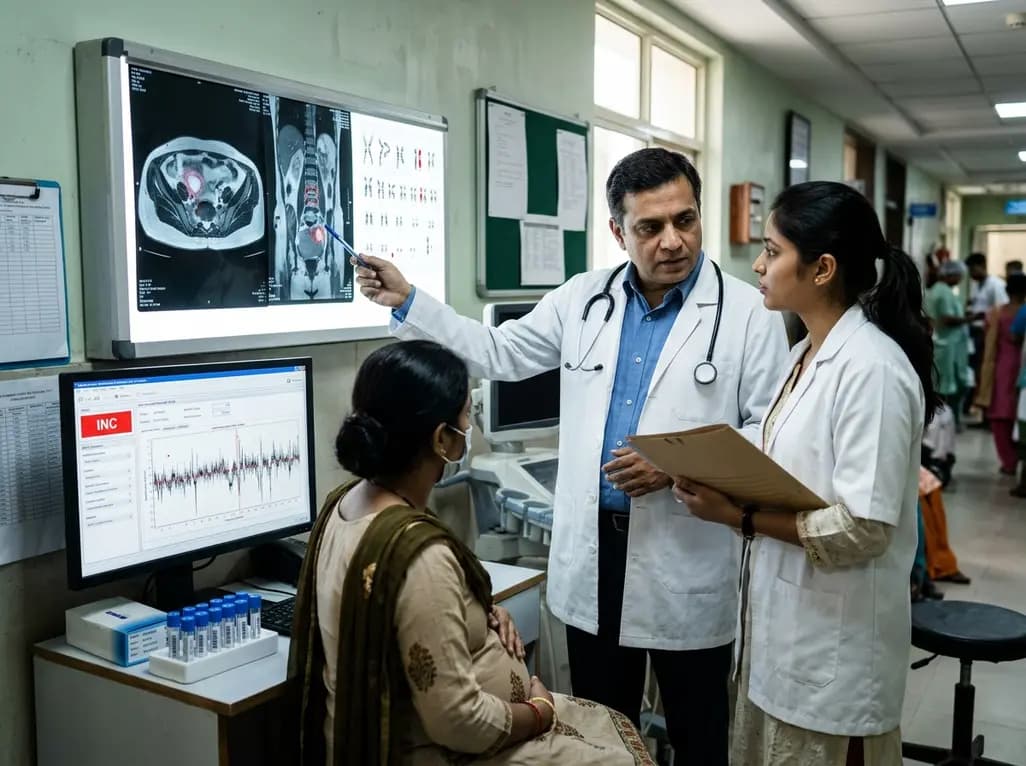
Occult maternal malignancy accounts for 3.82% of persistent unreportable NIPT results with genomic noise. Multiple chromosomal aberrations, notably on chromosome 18, warrant thorough oncological evaluation and whole-body MRI to ensure timely maternal diagnosis while preserving fetal care.
Today
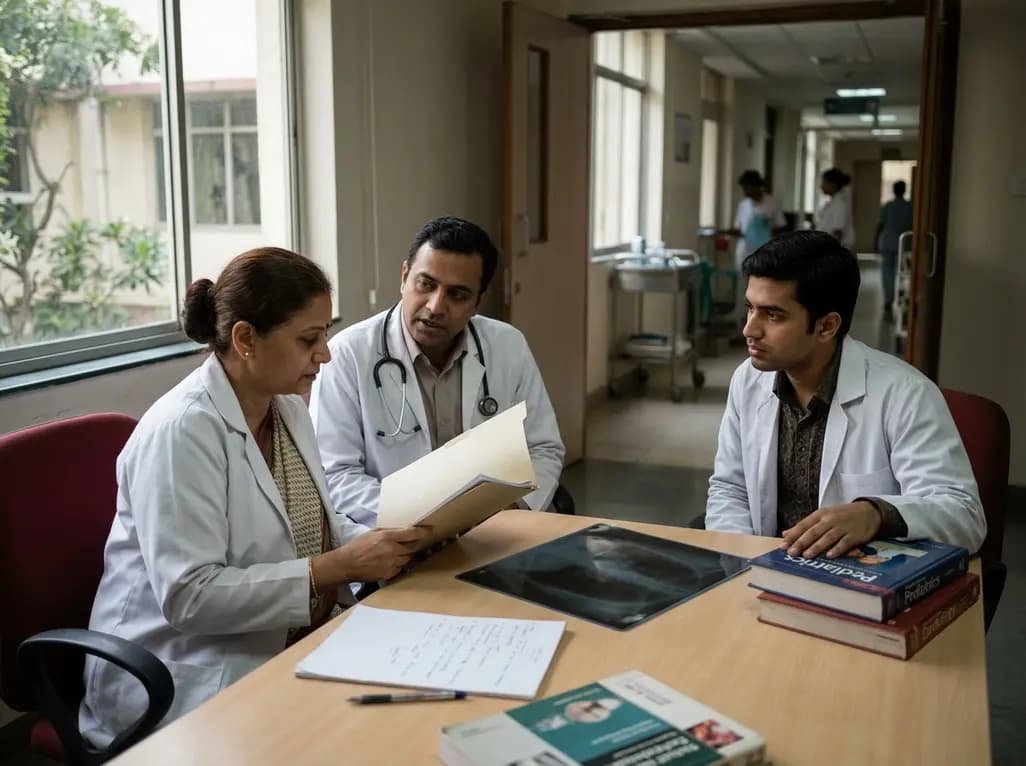
This article reviews the forensic and clinical complexities of acute myocarditis arising on left ventricular hypertrophy in children, highlighting early diagnostic red flags and multidisciplinary postmortem autopsy protocols.
Today
A randomized controlled trial demonstrates that an eight-week dual-task training intervention significantly improves static and dynamic postural control over standard balance exercises in individuals with chronic ankle instability, addressing critical neurocognitive deficits during athletic and daily activities.
Today

A retrospective cohort study of 7,716 ICU patients from the MIMIC-IV database demonstrates that Gradient Boosting Decision Trees significantly outperform traditional SOFA scores in predicting in-hospital mortality among patients with sepsis and diabetes, with SHAP analysis providing clinical interpretability.
Today
