

Loading, please wait...
Loading, please wait...

Evaluating non-pharmacological interventions remains vital for preserving mental capacity in aging populations. Furthermore, emerging research highlights a meaningful link between HCBS and cognitive function among community-dwelling seniors. Home- and community-based services provide diverse social, psychological, and medical supports designed to foster independence. Consequently, these programs allow aging adults to remain in familiar community environments rather than transitioning into institutional care. Recent evidence indicates that structured community engagement substantially mitigates age-related neurocognitive deficits. Therefore, clinicians must understand how community utilization directly influences cognitive performance across different patient cohorts.
Population aging presents significant public health challenges worldwide, especially regarding neurodegenerative disorders and dementia. Therefore, healthcare systems increasingly prioritize home- and community-based services to maintain functional independence. These supportive services encompass varied resources, including home nursing, meal delivery, day care facilities, social counseling, and rehabilitation therapies. In addition, they provide vital cognitive stimulation that counteracts social isolation. Social isolation frequently accelerates intellectual deterioration among vulnerable older adults. Moreover, routine participation in community programs reinforces daily orientation and active executive processing. In this context, community programs serve as practical, non-pharmacological instruments that enhance neural reserve. Because community-dwelling seniors encounter diverse health hurdles, multi-service delivery offers comprehensive assistance. Recent epidemiological evaluations show that receiving multiple support services produces superior outcomes compared to isolated single interventions. Consequently, healthcare providers now recognize community integration as an essential element of proactive dementia management. Clinicians can actively encourage families to utilize localized daycare and counseling networks. Thus, comprehensive social care functions as a powerful pillar alongside conventional pharmacological therapies.
A landmark 2022 cross-sectional survey conducted across nine counties in Shandong Province, China, evaluated community care utilization patterns. The investigators assessed cognitive performance among community-dwelling seniors using the validated Chinese Mini-Mental State Examination. Furthermore, researchers measured service utilization using a comprehensive seven-item scale, categorizing participants into non-users, single-service users, and multi-service users. Confounder-adjusted linear regression models demonstrated that utilizing two or more community services correlated with significantly higher cognitive scores. Specifically, recipients of multiple services achieved a significant beta coefficient increase of 0.928 points on the Mini-Mental State Examination. However, the most striking finding emerged when investigators stratified the analysis by sex. Older males experienced pronounced cognitive improvements from community care engagement. In fact, men receiving one service demonstrated a beta gain of 2.087, while those receiving two or more services gained 2.021 points. In contrast, older females did not display statistically significant cognitive score gains from service utilization. Additionally, rigorous sensitivity analyses confirmed that these pronounced sex-specific associations remained robust and consistent across all model adjustments.
Understanding why community care preferentially benefits older males requires examining behavioral, psychological, and social factors. First, older men often experience smaller natural social networks following retirement compared to older women. Consequently, retirement frequently diminishes masculine social engagement, accelerating cognitive decline through sensory deprivation and loneliness. When older men access community facilities, they encounter novel social contacts and structured mental activities. In contrast, older women frequently maintain strong domestic ties and community relationships throughout their lifespan. Therefore, community services might supplement existing female social circles rather than create entirely new cognitive pathways. Moreover, male participants may derive greater psychological relief when external services alleviate daily functional stressors. For example, community meals and physical therapy remove domestic burdens, allowing men to dedicate mental energy toward stimulating recreational tasks. In addition, structured community interactions foster consistent conversational opportunities that stimulate verbal memory and executive function. Thus, community-based care fills a vital social void for aging men, driving noticeable neurocognitive preservation.
These international findings carry profound implications for the rapidly evolving geriatric healthcare landscape in India. According to recent demographic data, India currently hosts more than 140 million citizens aged 60 years and older. Furthermore, the Longitudinal Ageing Study in India underscores an expanding burden of dementia and mild cognitive impairment. However, formal home- and community-based services remain fragmented across both urban and rural Indian regions. In Indian society, traditional family structures historically provided informal elderly care. Nevertheless, rapid urbanization and nuclear family trends increasingly leave older adults living in relative isolation. In particular, older Indian men transitioning away from active employment frequently struggle with social disengagement. Therefore, primary care practitioners must advocate for structured community health programs, such as senior daycare centers and geriatric clubs. Additionally, the National Programme for Health Care of the Elderly can integrate targeted cognitive wellness initiatives into primary health centres. By expanding localized support services, Indian communities can replicate the neurocognitive advantages observed in structured international cohorts. Consequently, community healthcare investments can substantially alleviate future burdens on tertiary memory clinics.
Primary care physicians and geriatric teams occupy a pivotal position in detecting cognitive decline and recommending non-pharmacological interventions. First, clinicians should routinely screen older patients for cognitive impairment using standardized tools during annual health checks. In addition, practitioners must assess social isolation and functional independence alongside physical biomarkers. When evaluating older male patients with early memory complaints, clinicians should actively prescribe community participation. For instance, doctors can connect families with local senior citizen centers, volunteer groups, or structured community clubs. Furthermore, medical teams must counsel families regarding the distinct cognitive needs of male and female elders. While female patients may benefit more from peer emotional support and caregiver respite, male patients often require structured intellectual stimulation. Moreover, primary care clinics should collaborate with community health workers to establish local peer networks. Clinicians should also track cognitive trajectories at regular six-month intervals to monitor the impact of community involvement. Thus, adopting an individualized, sex-informed social prescription model allows physicians to optimize cognitive longevity effectively.
Community services stimulate cognitive pathways by providing structured intellectual activities, social communication, and emotional support. In addition, receiving multi-component assistance reduces chronic daily stress and functional fatigue among vulnerable seniors. Consequently, older adults experience enhanced mental alertness, improved orientation, and stronger executive processing. Furthermore, regular community interaction counteracts social isolation, which represents a major modifiable risk factor for neurodegenerative disease and progressive dementia in late life.
Older men typically experience a sharper reduction in social contacts after retirement compared to women. Consequently, retirement deprives men of daily conversational complexity and cognitive challenges. When older males enroll in community programs, they gain novel social networks and mental stimulation that restore intellectual drive. In contrast, older women frequently retain dense domestic and community relationships. Therefore, external services provide a stronger baseline cognitive enhancement for isolated older men.
Indian physicians can initiate social prescribing by systematically screening older adults for cognitive decline and loneliness. Furthermore, clinicians can partner with local day centers, non-governmental organizations, and senior wellness clubs to recommend structured activities. Clinicians should also leverage the National Programme for Health Care of the Elderly at primary health centres. In addition, educating family caregivers on the cognitive value of male social participation ensures sustained long-term adherence and cognitive resilience.
Disclaimer: This content is for informational and educational purposes only... Refer to the latest local and national guidelines for clinical practice.
References

Read summarized clinical updates, watch expert medical content, and earn CME certifications right from your smartphone.
Open your smartphone camera to scan and install.





A 2022 survey reveals that utilizing two or more home- and community-based services is linked to better cognitive function among older adults, especially males. Clinicians should explore targeted community care strategies to address sex-specific cognitive health needs in aging populations.
Today

A new study reveals that internalized HIV stigma directly impairs self-rated health by diminishing healthcare empowerment among people living with HIV. Clinicians must actively cultivate patient agency and self-advocacy to interrupt this negative psychosocial pathway and optimize long-term clinical outcomes.
Today

A qualitative study highlights the unaddressed emotional hurdles and role uncertainty faced by men during the transition to fatherhood, calling for father-inclusive perinatal care and tailored digital health support.
Today

A patient-based simulation study reveals that conventional 10% bias in mean normal prothrombin time causes up to 19.2% clinical reclassification in warfarin therapy. Restricting bias to ±2.5% eliminates major INR discrepancies, urging diagnostic laboratories to tighten analytical verification thresholds.
Today
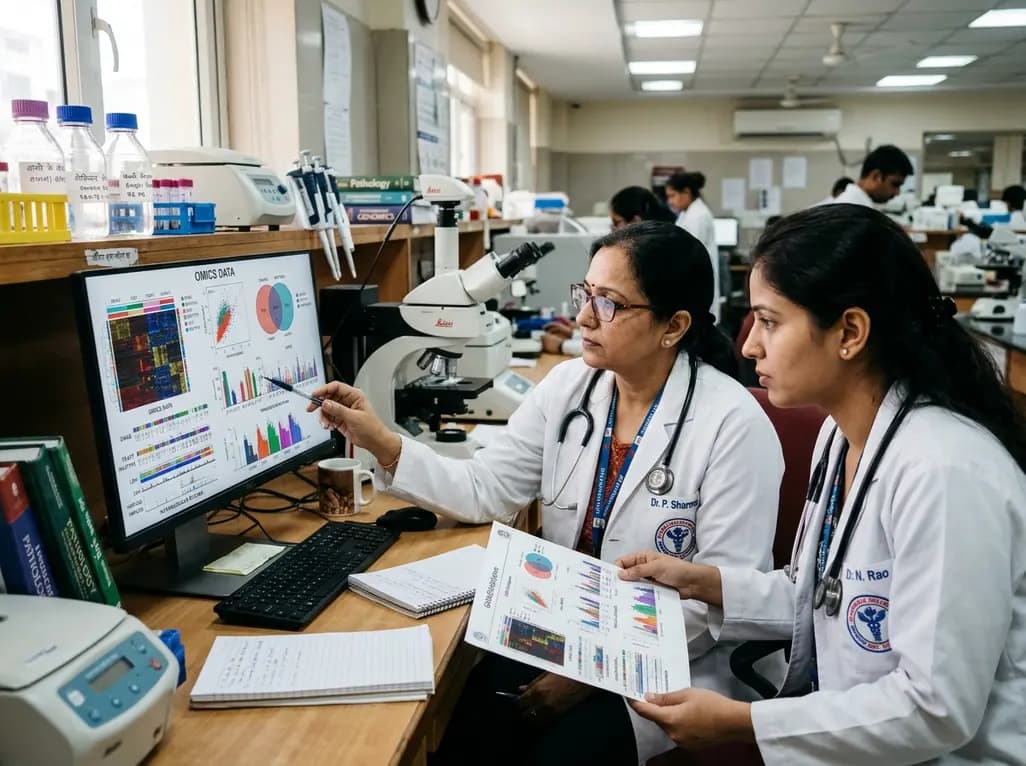
A multi-omic analysis reveals sporadic intramuscular myxoma comprises two molecularly distinct subtypes. GNAS-mutated lesions frequently carry TRAF7 mutations, whereas GNAS-wildtype tumors demonstrate striking genomic instability, loss of heterozygosity, and near-haploid features resembling DNHFN.
Today
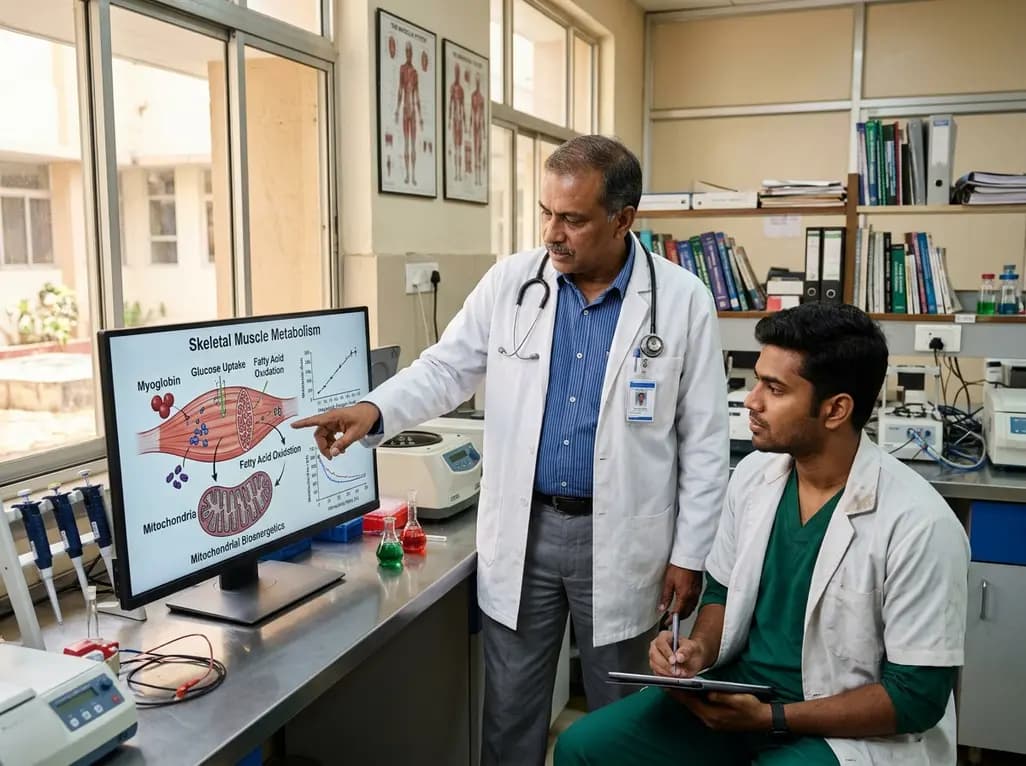
Recent physiological findings demonstrate that myoglobin acts beyond oxygen transport, significantly regulating skeletal muscle glucose metabolism and mitochondrial bioenergetics. Understanding these intracellular metabolic shifts offers fresh insights into metabolic health and exercise physiology.
Today
