.webp&w=384&q=75)

Loading, please wait...
Loading, please wait...
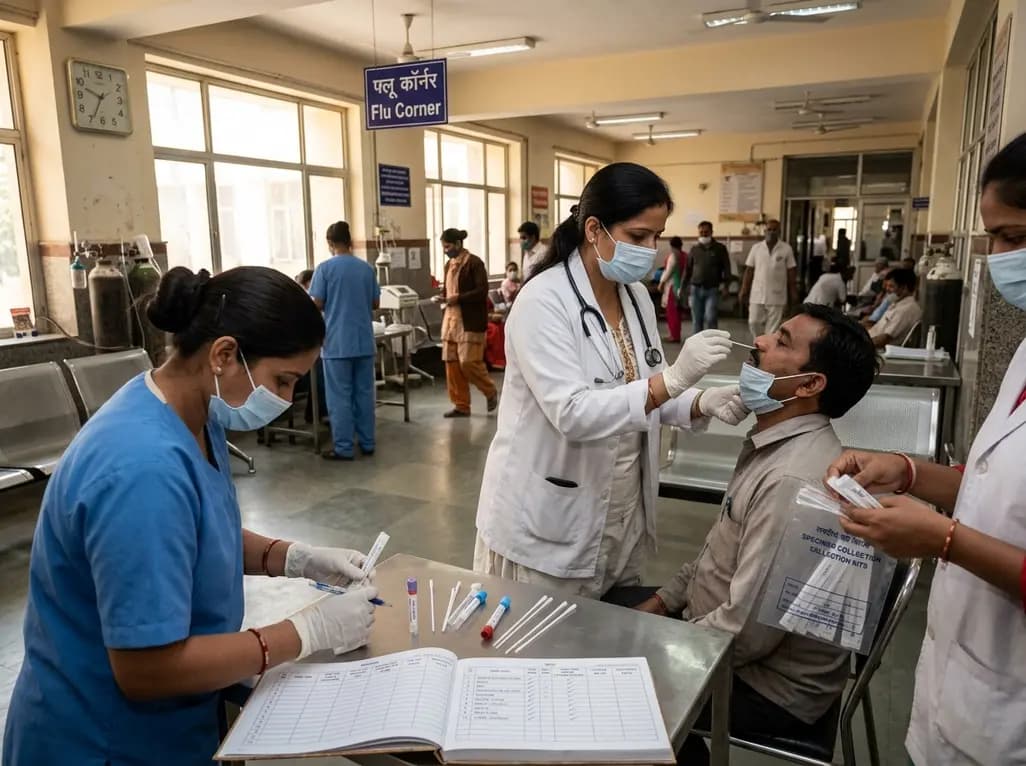
Health authorities across Haryana have intensified respiratory disease surveillance following a pronounced surge in viral infections in neighboring Delhi. Consequently, the Directorate General of Health Services has issued a formal directive mandating rigorous H1N1 influenza testing across all healthcare institutions. Under these new state regulations, hospitals must conduct molecular influenza testing on 100% of patients who present with severe acute respiratory infection (SARI). Furthermore, health centers must sample at least 5% of outpatients presenting with influenza-like illness (ILI) to detect early transmission dynamics. This decisive escalation responds to recent National Centre for Disease Control data showing that Delhi has logged over 1,777 confirmed H1N1 infections this season. In comparison, the capital recorded only 229 cases during the identical period in the previous year.
Because the National Capital Region experiences continuous interstate commuting, health officials emphasize early detection to prevent overwhelmed hospital wards. Therefore, health administrators have instructed medical colleges, district civil hospitals, and sub-divisional health facilities to implement these diagnostic thresholds immediately. Haryana Health Minister Arti Singh Rao affirmed that the government has bolstered state surveillance, clinical management pathways, and infection control logistics ahead of the seasonal peak. Additionally, clinicians must ensure rapid sample transportation to designated referral laboratories to eliminate diagnostic delays. By testing every SARI presentation, physicians can identify influenza viral pneumonia early, allowing timely therapeutic intervention.
To implement the state advisory effectively, healthcare practitioners must distinguish accurately between mild influenza-like illness and severe respiratory compromise. Specifically, an ILI presentation involves an acute respiratory infection characterized by a measured fever of 38 degrees Celsius or higher, accompanied by cough and sore throat occurring within the last ten days. In contrast, severe acute respiratory infection requires acute onset fever, cough, and clinical signs of respiratory distress that necessitate immediate hospital admission. Consequently, clinicians must prioritize diagnostic triage at dedicated hospital entry points. Health facilities across Haryana have operationalized dedicated flu corners to screen incoming symptomatic patients systematically before they mix with routine outpatient queues.
Moreover, physicians must identify high-risk individuals who are vulnerable to rapid decompensation. These susceptible populations include pregnant women, adults over 65 years, children under five years, and individuals with underlying conditions such as diabetes, chronic obstructive pulmonary disease, or chronic renal failure. Therefore, patients categorized with moderate to severe symptoms must undergo immediate assessment for hypoxemia using pulse oximetry. If clinicians identify tachypnea, chest indrawing, low oxygen saturation, or hemodynamic instability, they must immediately admit the patient. Additionally, physicians should obtain nasopharyngeal and throat swabs using viral transport media for real-time reverse transcription polymerase chain reaction testing.
Early antiviral administration remains the cornerstone of effective clinical management for severe influenza infection. Therefore, the state government has mandated that all public hospitals maintain adequate buffer stocks of oseltamivir and supportive therapeutics. Clinicians should initiate neuraminidase inhibitor therapy promptly when patients present with progressive illness or belong to vulnerable high-risk groups. Crucially, physicians must not delay oral oseltamivir administration while awaiting laboratory confirmation from molecular assays. Clinical evidence confirms that administering oseltamivir within 48 hours of symptom onset significantly reduces viral shedding, secondary complications, and overall hospital length of stay.
In addition to antiviral therapy, healthcare providers must judiciously manage secondary complications such as secondary bacterial pneumonia and acute lung injury. However, clinicians should avoid empirical broad-spectrum antibacterial overuse unless clear clinical or laboratory evidence indicates bacterial superinfection. Meanwhile, public health advisories strongly discourage patient self-medication, particularly the unmonitored use of over-the-counter steroids and non-steroidal anti-inflammatory agents. Instead, healthcare teams must educate patients regarding proper hydration, antipyretic usage, and warning signs that require urgent hospital evaluation. Furthermore, hospital administrators must regularly review their pharmaceutical inventory to prevent local drug stockouts during high patient influx periods.
Because severe influenza infections can lead to respiratory failure, hospitals across Haryana have upgraded their critical-care operational readiness. Accordingly, facility directors must ensure that intensive care units, high-dependency units, oxygen-supported beds, and invasive ventilators remain fully operational. Additionally, health facilities must maintain ample supplies of personal protective equipment, including N95 respirators, fluid-resistant gowns, face shields, and alcohol-based hand sanitizers. Healthcare personnel must practice strict standard and droplet precautions when evaluating symptomatic patients or performing aerosol-generating procedures such as endotracheal intubation or nebulization.
Furthermore, hospital administrators must enforce administrative infection-control measures to prevent nosocomial transmission among staff and vulnerable inpatients. Healthcare workers experiencing cough, fever, or cold-like symptoms must wear protective face masks and report to employee health clinics for evaluation. Moreover, hospitals should ensure adequate natural and mechanical ventilation in waiting areas and isolation wards. Routine environmental surface disinfection with sodium hypochlorite solutions must occur across high-touch hospital zones. Ultimately, rigorous internal infection control protocols protect the healthcare workforce, preserving vital medical capacity during the seasonal surge.
Real-time epidemiological intelligence is essential for tracking viral spread and detecting localized disease clusters. Consequently, the state health department has directed all private hospitals, nursing homes, and diagnostic laboratories to participate actively in influenza surveillance. Working in collaboration with the Indian Medical Association, private healthcare providers must record and update clinical data on the Integrated Disease Surveillance Programme platform (IDSP-IHIP). Daily electronic logging of SARI admissions and ILI outpatient counts enables public health epidemiologists to monitor micro-trends across every district in Haryana.
In addition to institutional reporting, the health department is executing extensive public awareness initiatives across urban and rural communities. These health education campaigns inform citizens about respiratory etiquette, frequent hand washing, and the necessity of wearing masks in crowded areas. Furthermore, public messaging urges community members to seek medical consultation immediately at government health centers rather than attempting home remedies for persistent fever or dyspnea. Through coordinated digital surveillance and proactive public communication, health authorities aim to curb transmission chains and safeguard high-risk demographics throughout the flu season.
Q1: What are the primary testing criteria established under the new state advisory?
The state directive mandates that healthcare facilities must test 100% of patients who present with severe acute respiratory infection (SARI). Additionally, health centers must test a minimum of 5% of outpatients presenting with influenza-like illness (ILI) symptoms. This dual approach ensures comprehensive diagnostic coverage for admitted critical patients while providing representative epidemiological sampling across community outpatient settings.
Q2: Should physicians wait for RT-PCR confirmation before initiating oseltamivir?
No, clinicians should not delay antiviral therapy while awaiting laboratory confirmation. Treatment guidelines recommend initiating oral oseltamivir immediately for patients presenting with severe disease or high-risk features within 48 hours of symptom onset. Prompt empiric treatment significantly reduces the risk of serious complications, secondary pneumonia, intensive care admission, and overall patient mortality.
Q3: What mandatory reporting obligations apply to private hospitals in Haryana?
Private healthcare institutions must actively participate in regional surveillance by recording all ILI and SARI cases on the digital IDSP-IHIP portal. Furthermore, facilities must report laboratory-confirmed H1N1 cases to district surveillance officers. This timely data reporting helps health authorities track transmission hotspots and allocate critical healthcare resources efficiently across districts.
Disclaimer: This content is for informational and educational purposes only. It does not constitute medical advice or replace professional judgment. Refer to the latest local and national guidelines for clinical practice.
References

Read summarized clinical updates, watch expert medical content, and earn CME certifications right from your smartphone.
Open your smartphone camera to scan and install.





Haryana health department has directed all healthcare facilities to implement 100% influenza testing for SARI cases and at least 5% for ILI presentations amid an H1N1 surge in Delhi-NCR. Facilities must maintain oseltamivir stocks, establish flu corners, and report data on the IDSP-IHIP portal.
last month
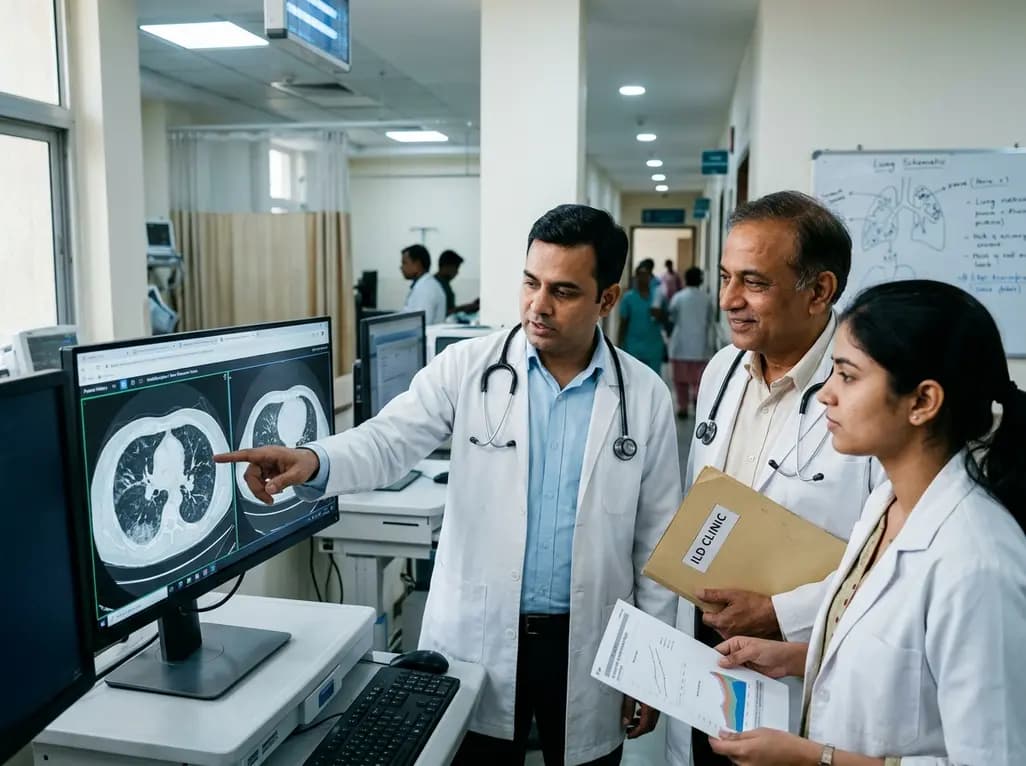
A nationwide English cohort study shows that interstitial lung diseases are no longer rare, with incidence jumping 30% and 200,000 active cases. This analysis highlights clinical implications for diagnosis, multi-disciplinary management, and global health priorities across respiratory and internal medicine.
Today
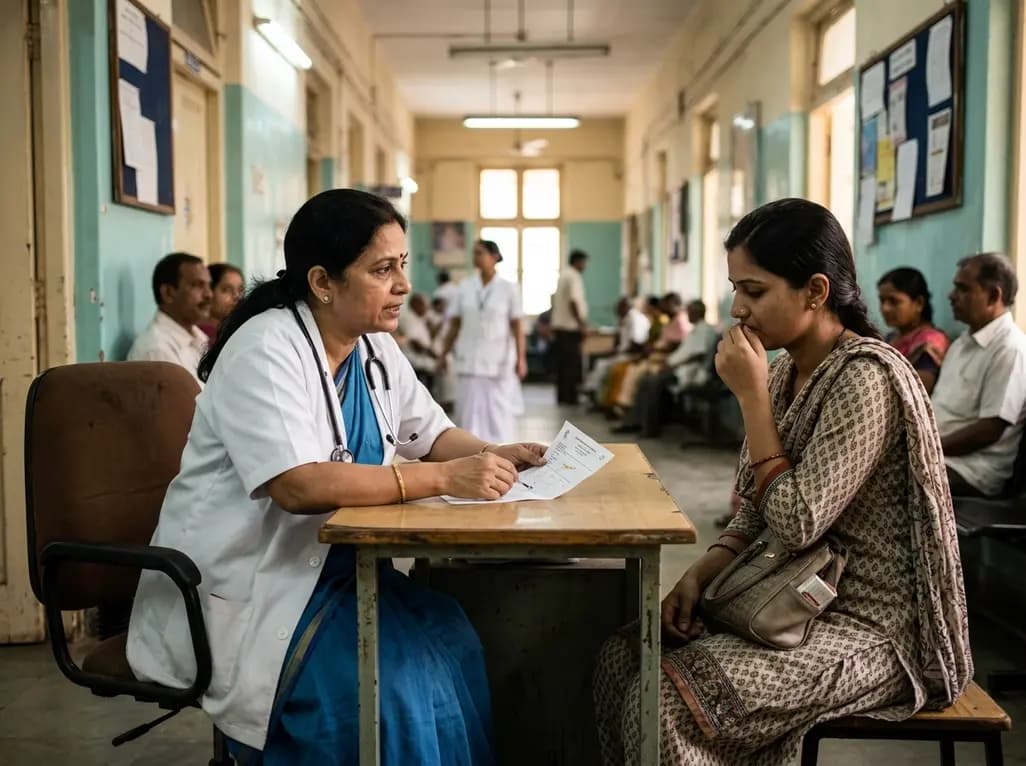
A nationwide South Korean study shows underreporting of smoking among women dropped from 57.4% to 36.4% between 2008 and 2021. However, over one-third of female smokers still conceal their habit, highlighting the critical role of cotinine verification in clinical risk assessment.
Today

PepsiCo and Monster Beverage have challenged the FSSAI ban on the energy drink label in Indian courts. While companies highlight supply disruptions, regulatory actions spotlight severe cardiovascular and metabolic risks associated with excessive caffeine, sugar, and taurine consumption, especially in adolescents.
Today
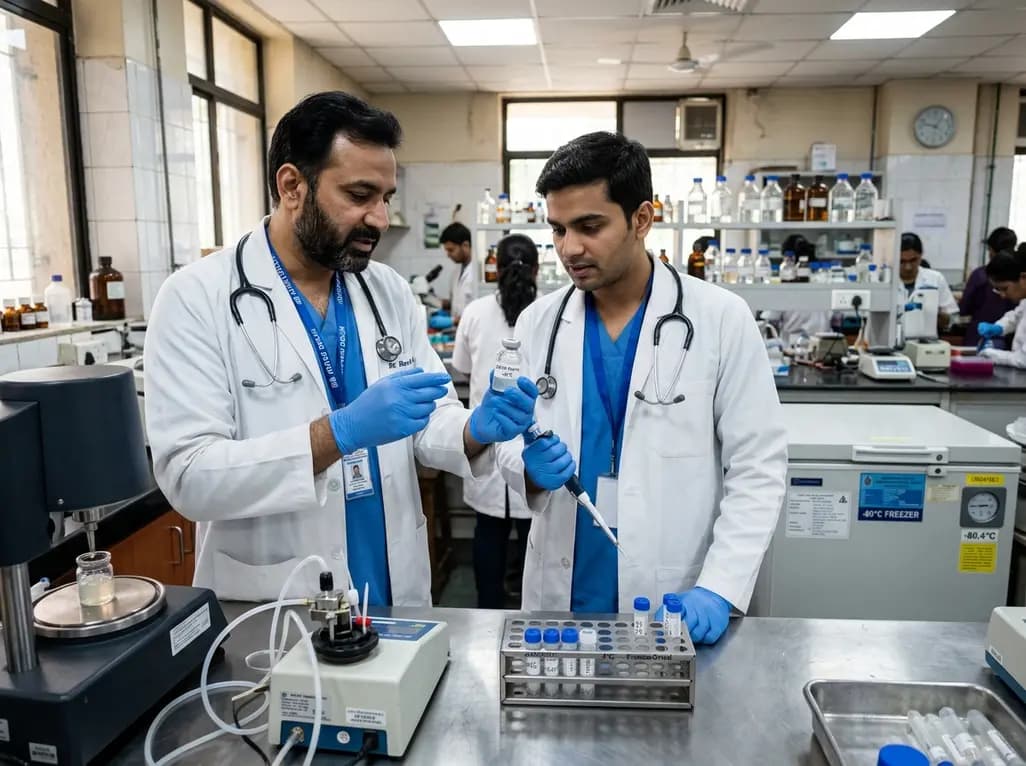
A new study evaluates the rheological stability of decellularized peripheral nerve matrix hydrogels under varied storage conditions. Findings show -80°C storage and freeze-drying preserve gelation kinetics and mechanical stiffness, offering key insights for shipping and translational clinical applications.
Today

A Bayesian multilevel meta-analysis reveals that aerobic training combined with moderate carbohydrate restriction modestly lowers HbA1c in type 2 diabetes. However, sparse data and very low certainty leave incremental benefits over exercise or diet alone unproven, highlighting the need for individualized care.
Yesterday
