.webp&w=384&q=75)

Loading, please wait...
Loading, please wait...
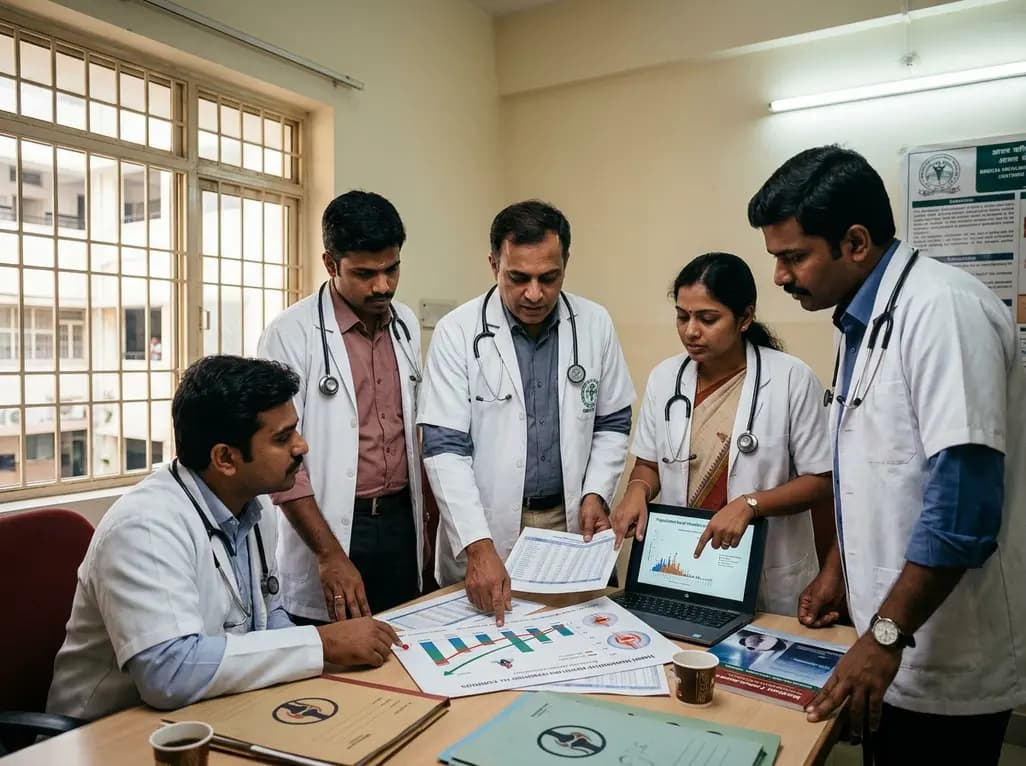
Living with a congenital bleeding disorder poses significant lifelong challenges for patients and healthcare systems alike. Clinicians frequently observe that bleeding episodes cause progressive musculoskeletal damage despite modern therapeutic advancements. Consequently, evaluating real-world haemophilia A healthcare costs has become critical for optimizing healthcare resource allocation. Historical models often focused predominantly on direct clotting factor replacement expenses while underestimating broader medical resource utilization. However, recurrent hemarthroses lead to irreversible joint damage, severe functional impairment, and heightened clinical needs. Furthermore, female patients with bleeding symptoms have historically remained underrepresented in health economic analyses. Recent population-based evidence emphasizes that individuals with congenital factor VIII deficiency consume substantially more healthcare resources than the general population. This ongoing economic demand persists across both sexes and across diverse stages of joint disease. Therefore, healthcare providers must understand how bleeding frequency, surgical interventions, and ongoing chronic pain influence systemic health expenditures. By investigating comprehensive administrative datasets, clinicians can better appreciate the holistic financial and physical burdens experienced by these patients over their lifetimes.
To accurately capture systemic expenditure patterns, researchers applied a population-level retrospective design using comprehensive administrative health records. The study cohort included 2,341 individuals diagnosed with factor VIII deficiency identified through validated diagnostic coding. Importantly, women constituted 26% of this evaluated patient population, providing crucial insights into a frequently overlooked demographic. Researchers established robust control groups through propensity score matching to balance baseline demographic variables, socioeconomic characteristics, and general health metrics. Additionally, investigators evaluated direct medical expenditures in 30-day intervals, standardizing all financial metrics to 2022 Canadian dollars. To determine the financial trajectories associated with physical deterioration, the investigators tracked joint health states by stepping forward and backward from major joint replacement surgeries. A two-part multivariable regression model subsequently analyzed how sex, clinical phase, and comorbid conditions influenced ongoing expenditures. This analytical approach ensured that researchers could isolate the specific cost driver attributable to progressive arthropathy from baseline healthcare consumption. As a result, the findings provide a clear and realistic reflection of real-world clinical and economic trajectories across varying disease stages.
The study demonstrated that haemophilia A healthcare costs remain consistently higher than those of matched control populations across both sexes. Even prior to severe joint destruction, individuals with the disorder required substantially higher medical spending. Specifically, females living with the condition incurred mean 30-day healthcare costs of $910, compared to $469 for matched female controls. Similarly, affected males generated mean 30-day costs of $724, whereas matched male controls required only $352. These figures highlight that baseline management, diagnostic testing, and early outpatient visits create an immediate economic gap. Moreover, the higher baseline costs observed in women underscore the substantial clinical burden associated with gynecological bleeding, diagnostic delays, and symptomatic carrier states. In addition, the regression analyses confirmed that factor deficiency status and sex independently predict total healthcare expenditures. Consequently, these findings challenge the conventional belief that female carriers or mildly affected women impose minimal demands on healthcare infrastructure. Ultimately, both male and female patients require continuous, structured clinical support to avoid unmanaged complications that accelerate systemic resource use.
Joint health status emerged as one of the most powerful predictors of long-term economic utilization in the study cohort. Recurrent intra-articular bleeding triggers synovial inflammation, cartilage destruction, and eventual end-stage hemophilic arthropathy. As patients transition from early structural changes to severe joint degeneration requiring surgical reconstruction, associated direct medical expenses rise steeply. The investigative regression model confirmed that the specific joint health state dramatically drives 30-day expenditure peaks surrounding surgical events and rehabilitation periods. Furthermore, the total number of pre-existing comorbidities substantially amplifies this financial burden. Aging patients frequently develop cardiovascular disease, metabolic disorders, osteoporosis, and chronic liver conditions that interact unfavorably with their coagulopathy. Therefore, the compounding impact of chronic illness and joint failure creates an escalating cycle of inpatient admissions, specialty consultations, and imaging procedures. Managing these interrelated health issues necessitates complex medical decision-making and increased supportive care. As a result, maintaining optimal joint integrity directly prevents both profound physical disability and severe financial escalations across healthcare systems.
The enduring cost disparities revealed by real-world datasets highlight the vital need for early, comprehensive disease management. Modern prophylaxis regimens, including extended half-life factor concentrates and non-factor therapies like bispecific antibodies, aim to prevent joint bleeds entirely. However, many patients continue to experience subclinical bleeding or carry residual structural joint damage from earlier life stages. Consequently, treating physicians must implement regular musculoskeletal monitoring, including point-of-care ultrasound and structured physical therapy assessments. In addition, female patients require dedicated hematological and gynecological evaluations to manage menorrhagia, pregnancy-related bleeding risks, and painful articular symptoms effectively. Multidisciplinary comprehensive care teams—comprising hematologists, orthopedic surgeons, physiotherapists, nurses, and social workers—play an essential role in preventing secondary complications. By identifying early articular micro-bleeds and initiating prompt interventions, clinicians can preserve joint mobility and enhance long-term quality of life. Furthermore, optimizing preventive care reduces emergency department presentations and unnecessary hospitalizations, providing measurable economic relief to families and healthcare institutions.
Translating population-level cost data into improved clinical policy requires collaborative efforts among healthcare providers, administrators, and patient advocacy groups. Health technology assessment agencies and policymakers often evaluate bleeding therapies based solely on short-term acquisition prices. Nevertheless, these study findings demonstrate that unmanaged bleeding and progressive arthropathy generate persistent, high-cost downstream healthcare burdens. Therefore, long-term economic models must incorporate real-world parameters, such as joint preservation, reduced surgical rates, and enhanced productivity. In addition, health systems must bridge diagnostic gaps for symptomatic women and girls, ensuring equitable access to specialized testing and prophylaxis. Clinicians should advocate for integrated care registries that track longitudinal clinical outcomes alongside resource utilization metrics. As novel gene therapies and innovative clotting therapies emerge, understanding real-world expenditure baselines will remain crucial for evaluating overall cost-effectiveness. Ultimately, prioritizing proactive, personalized prophylaxis preserves musculoskeletal integrity, minimizes direct medical expenditures, and ensures comprehensive care for all affected individuals.
Women with haemophilia A or symptomatic carriers frequently face unique challenges, including diagnostic delays, severe menstrual bleeding, pregnancy complications, and early joint symptoms. Managing these multifaceted clinical issues necessitates frequent specialist consultations, specialized laboratory testing, iron replacement therapy, and dedicated hematological monitoring. Consequently, their baseline direct 30-day healthcare expenditures remain substantially higher than those of matched female controls without underlying congenital bleeding disorders.
Recurrent joint bleeding causes progressive hemophilic arthropathy, leading to severe cartilage loss, bone deformities, and chronic pain. As joint damage advances toward end-stage degeneration, patients require frequent orthopedic assessments, extensive physiotherapy, pain management interventions, and costly joint replacement surgeries. Therefore, a worsening joint health state serves as an independent and primary driver of escalating direct medical expenditures over time.
Initiating effective prophylaxis early in life prevents recurrent hemarthroses and preserves long-term musculoskeletal integrity. By maintaining adequate factor levels or utilizing non-factor therapies, prophylaxis substantially lowers the incidence of chronic arthropathy, emergency room visits, and major orthopedic reconstructions. Although prophylactic therapies represent significant upfront pharmacy costs, they prevent debilitating physical complications and substantially reduce lifelong secondary medical utilization costs.
Disclaimer: This content is for informational and educational purposes only. It is not intended to replace professional medical advice, diagnosis, or treatment. Always seek the advice of your physician or other qualified health provider with any questions you may have regarding a medical condition. Refer to the latest local and national guidelines for clinical practice.
References

Read summarized clinical updates, watch expert medical content, and earn CME certifications right from your smartphone.
Open your smartphone camera to scan and install.





A real-world population study reveals significantly higher healthcare costs in men and women with haemophilia A compared to controls, driven by joint damage and comorbidities.
last month

Chronic eosinophilic pneumonia can present with atypical bronchoalveolar lavage findings and an organizing pneumonia pattern, necessitating surgical lung biopsy.
Today

Discover the crucial distinctions between mesonephric and mesonephric-like proliferations of the female genital tract. Learn the key histomorphologic, immunohistochemical, and molecular differences essential for accurate diagnosis and clinical management.
Today
Kikuchi-Fujimoto disease rarely presents with refractory shock and sinus bradycardia in children. This case report highlights life-threatening hemodynamic instability requiring intensive care, preserved cardiac contractility, and the critical diagnostic role of early excisional lymph node biopsy.
Today
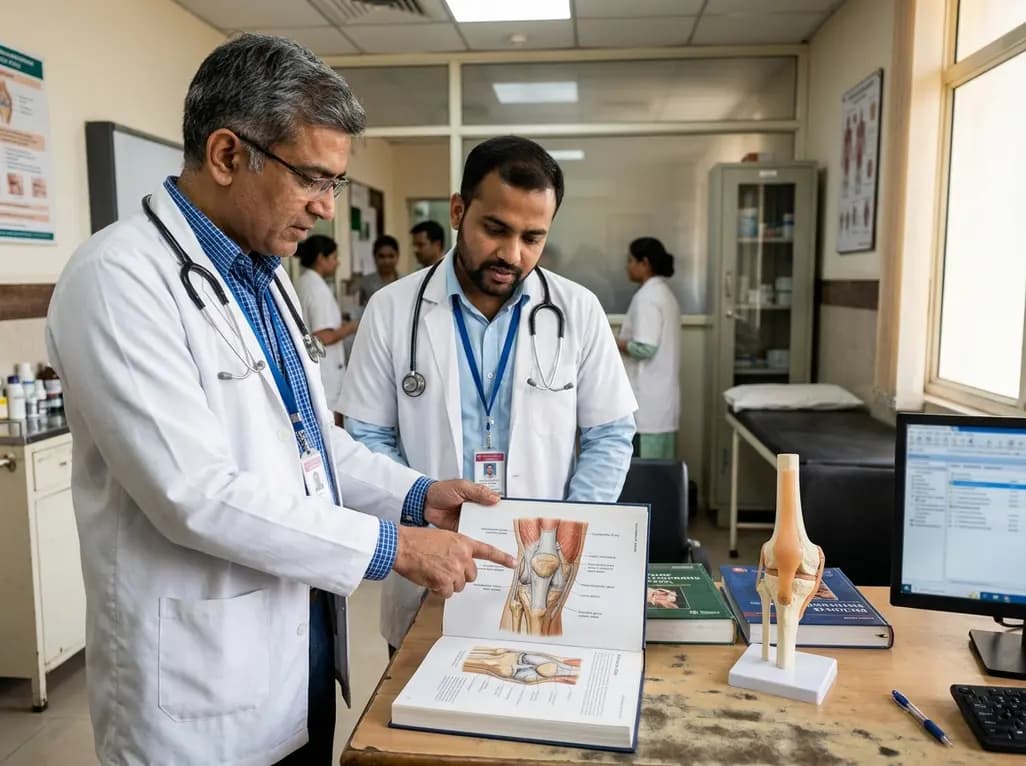
A narrative review investigates whether the articularis genus muscle functions as an independent anatomical entity or blends with the vastus intermedius. We evaluate its morphology, role in retracting the suprapatellar bursa, and direct clinical significance in anterior knee pain and arthroplasty.
Today

A Bayesian multilevel meta-analysis reveals that aerobic training combined with moderate carbohydrate restriction modestly lowers HbA1c in type 2 diabetes. However, sparse data and very low certainty leave incremental benefits over exercise or diet alone unproven, highlighting the need for individualized care.
Today
