

Loading, please wait...
Loading, please wait...

Analyzing worldwide dementia incidence trends provides critical foresight for clinicians, epidemiologists, and healthcare administrators managing aging populations. A recent age-period-cohort study evaluated long-term epidemiological data for Alzheimer's disease and other dementias between 1992 and 2021. Overall, researchers identified a global net drift of 0.03 per year, demonstrating persistent upward pressure on disease incidence worldwide. However, this overarching metric conceals substantial disparities across differing developmental settings. High-middle socio-demographic index regions exhibited the most pronounced escalation, recording a net drift of 0.22. At the national level, China showed the steepest annual increase with a net drift of 0.36, highlighting an acute epidemiological shift. In contrast, mature high-income economies demonstrated stabilizing or decreasing incidence rates. These divergent patterns indicate that economic transitions profoundly influence population-level dementia risk. Furthermore, rapid urban growth in emerging economies outpaces diagnostic and therapeutic capabilities, intensifying clinical strain. Understanding these demographic trajectories allows physicians to anticipate local screening demands and prepare multidisciplinary care networks. Consequently, healthcare systems must adjust clinical resource allocation to address these divergent regional patterns effectively. Additionally, health authorities must invest in regional registries to capture real-world diagnostic trends accurately.
Socioeconomic development acts as a powerful determinant of cognitive health throughout the human lifespan. Notably, epidemiological findings show that higher socio-demographic index levels exert a noticeable protective effect against dementia incidence. This phenomenon aligns with the cognitive reserve hypothesis, which posits that stimulating intellectual environments build neural redundancy. Specifically, enhanced access to primary education and cognitively demanding employment encourages synaptic complexity. As a result, individuals with greater cognitive reserve withstand neuropathological insults, including amyloid deposition, for longer intervals before manifesting clinical symptoms. Conversely, lower-middle and middle socio-demographic index regions confront heavy cumulative burdens of chronic disease. Populations undergoing rapid economic development frequently adopt sedentary habits, resulting in higher prevalences of hypertension, dyslipidemia, and diabetes mellitus. Because untreated cardiovascular conditions impair cerebral microvascular perfusion, they accelerate neurodegenerative processes. In addition, marginalized populations face persistent structural inequities, including limited access to hearing aids, formal education, and preventative clinical services. Therefore, improving socioeconomic development and eliminating systemic healthcare disparities remain paramount for dementia prevention. Clinicians must actively recognize how social determinants dictate individual cognitive risk trajectories. Moreover, community health programs should offer targeted educational campaigns to mitigate vascular risks among socioeconomically disadvantaged cohorts.
Traditionally, clinicians have regarded neurodegenerative cognitive decline as a pathology primarily affecting older geriatric cohorts. Nevertheless, contemporary demographic analysis demonstrates an alarming upward incidence trend among adults aged 50 to 64 years. This concerning pattern appears most pronounced within high socio-demographic index regions, defying expectations of age-related vulnerability. Several intertwined factors explain this shifting clinical picture. First, modern healthcare environments utilize sophisticated cognitive screening tools and plasma biomarkers, enabling detection during earlier stages of functional decline. Second, midlife populations increasingly present with unmanaged lifestyle risks, such as chronic occupational stress, poor sleep hygiene, and obesity. Furthermore, early-onset dementia generates devastating socioeconomic consequences for middle-aged patients and their dependent families. These individuals often occupy prime income-earning roles while managing significant domestic and financial obligations. Consequently, primary care physicians, internists, and neurologists must maintain vigilance when evaluating midlife adults reporting cognitive symptoms. Rather than dismissing memory complaints as benign stress or normal aging, clinicians should perform structured neurocognitive testing. Prompt diagnostic clarification facilitates earlier lifestyle modifications, legal planning, and targeted symptom management before severe impairment ensues. Ultimately, recognizing early-onset symptoms protects vocational longevity and enhances overall quality of life.
Epidemiological modeling through 2046 reveals severe operational challenges for worldwide health infrastructure. Projections indicate that annual new cases of Alzheimer's disease and other dementias will surge to 21.24 million globally. Moreover, the worldwide age-standardized incidence rate will gradually increase to 120.8 per 100,000 individuals by 2046. This demographic reality underscores that population aging and longer lifespans will continuously expand total clinical caseloads. Consequently, healthcare delivery systems will face immense demands for specialized memory clinics, acute inpatient beds, and community respite services. Emerging economies will carry the largest volume of this expansion, despite possessing limited medical budgets and diagnostic assets. Additionally, societal costs will escalate rapidly, driven by medical expenditures and lost workforce productivity among informal family caregivers. In response, governments and healthcare planners must prioritize national dementia strategies immediately. Policymakers must invest in decentralized memory assessment services that integrate primary care physicians with tertiary neurological specialists. Furthermore, establishing subsidized long-term care programs will prevent catastrophic personal financial expenditures for affected households. Without proactive systemic preparations, the escalating dementia surge will overwhelm existing medical services worldwide. Therefore, global health organizations must coordinate cross-border resource sharing to support regions experiencing the steepest caseload surges.
Physicians across general practice, internal medicine, and neurology must translate these epidemiological insights into daily patient care. Because curative treatments for neurodegenerative disorders remain limited, clinicians must aggressively pursue multifaceted prevention strategies. Specifically, practitioners should routinely evaluate modifiable dementia risk factors in every patient aged 50 and above. Doctors must emphasize strict blood pressure targets, optimal glycemic regulation, and routine cholesterol monitoring during regular checkups. Furthermore, clinicians should address sensory deficits, because uncorrected midlife hearing impairment significantly increases downstream dementia risk. Clinicians should also promote regular aerobic exercise, smoking cessation, and Mediterranean dietary habits to preserve cerebral vascular integrity. In clinical encounters involving subjective memory decline, physicians should administer standardized tools like the Montreal Cognitive Assessment. Additionally, teams must provide compassionate caregiver education, connecting families with respite support, cognitive rehabilitation, and social services. Multidisciplinary collaboration between family physicians, gerontologists, and psychiatrists optimizes diagnostic accuracy and continuous patient management. By implementing comprehensive risk reduction and systematic surveillance, medical professionals can effectively mitigate the projected public health impact of dementia. Finally, institutional providers must advocate for public policies that expand dementia education across diverse socioeconomic demographics.
Rising incidence among middle-aged adults reflects improved diagnostic detection alongside increasing midlife metabolic risks. Modern biomarker assays identify neuropathology earlier than historical evaluations. Concurrently, high rates of obesity, hypertension, diabetes, and chronic stress compromise cerebral microvascular integrity during midlife, accelerating earlier clinical manifestation of neurodegenerative decline.
High-income regions benefit from advanced healthcare systems, higher educational attainment, and proactive management of midlife cardiovascular risk factors. Higher education strengthens cognitive reserve, enabling neural networks to compensate for neuropathological changes. Furthermore, aggressive control of hypertension, diabetes, and tobacco use significantly mitigates vascular contributions to neurodegeneration.
Clinicians should combine detailed clinical histories with validated assessment tools like the Montreal Cognitive Assessment. Practitioners must screen for reversible metabolic causes, evaluate sensory deficits, and aggressively manage vascular risk factors. Patients displaying persistent cognitive deficits warrant prompt referral for neuroimaging, plasma biomarker profiling, and comprehensive neuropsychological testing.
Disclaimer: This content is for informational and educational purposes only. Refer to the latest local and national guidelines for clinical practice.
References

Read summarized clinical updates, watch expert medical content, and earn CME certifications right from your smartphone.
Open your smartphone camera to scan and install.





A 2046 forecast reveals rising global dementia incidence, driven by high-middle SDI regions and an alarming increase in people aged 50-64. Socioeconomic development offers protective effects, underscoring the urgent need for targeted public health policies and early clinical risk-reduction interventions.
Today

The Food Safety and Standards Authority of India has issued an urgent advisory against food business operators violating mandatory labelling standards for nutraceuticals and botanicals. Regulators prohibited therapeutic claims while mandating clear advisory warnings to prevent patient toxicity and medical misuse.
Today

Biotechnology researchers in India are developing an automated liquid biopsy platform to detect cervical malignancy from blood samples. Supported by the MAHA MedTech Mission, this initiative applies nanopore sequencing and piRNA biomarker detection to eliminate invasive speculum exams and expand rural screening.
Today
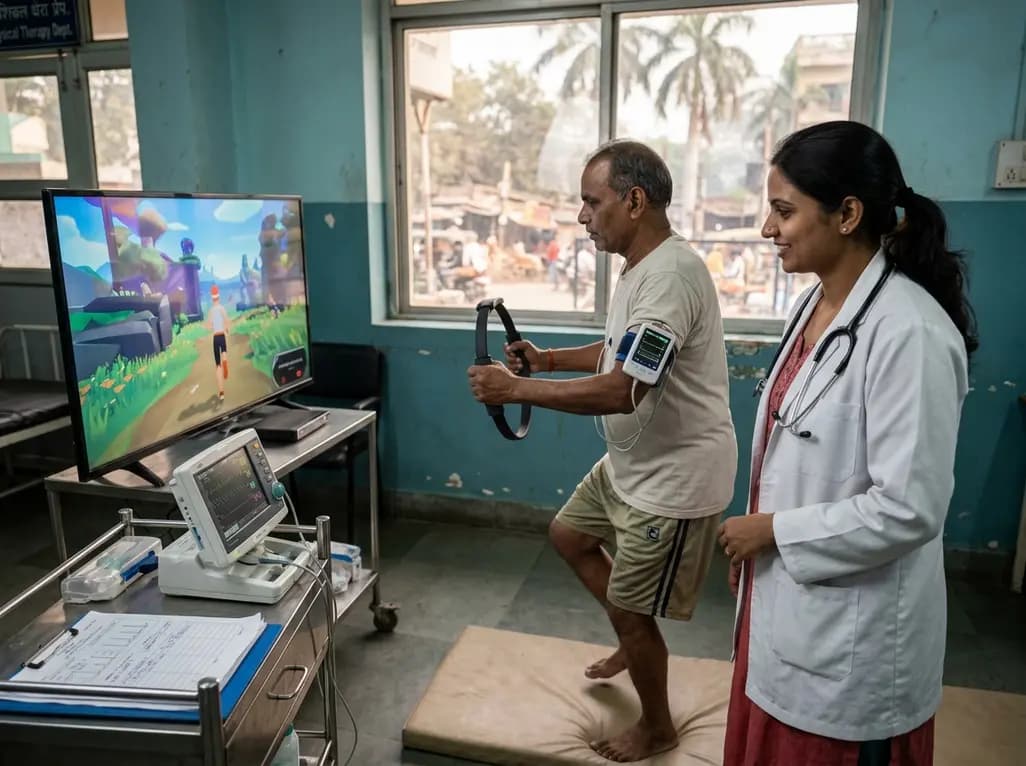
A clinical study evaluated Ring Fit Adventure in adults with chronic conditions, revealing that exergaming achieves moderate-to-vigorous exercise intensity while maintaining hemodynamic stability, high enjoyment, and zero adverse events.
Today

A retrospective cohort study reveals that selecting the touched vertebra as the lowest instrumented vertebra in thoracic adolescent idiopathic scoliosis yields a 20.8% distal add-on rate, driven by remnant motion segments and axial rotational discrepancies.
Today
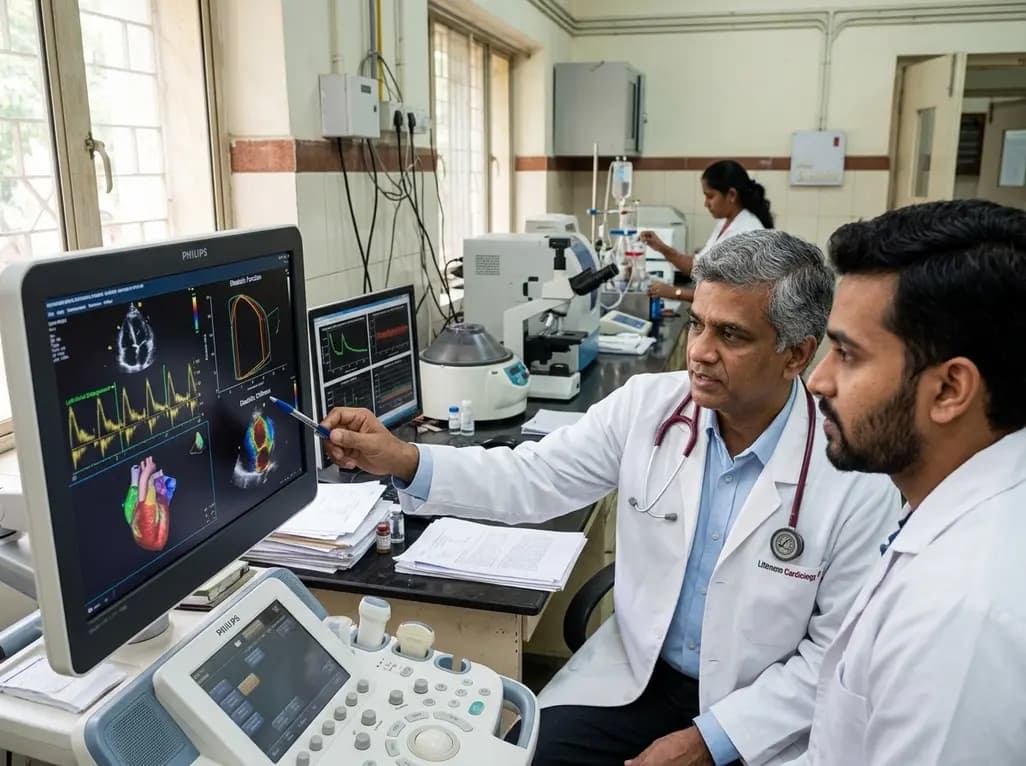
A study evaluates a cardiometabolic HFpEF model combining metabolic stress with chronic mineralocorticoid excess. The findings reveal profound diastolic stiffness, endothelial dysfunction, and pulmonary hypertension, illuminating key pathophysiological mechanisms for targeted cardiopulmonary therapies.
Today
