

Loading, please wait...
Loading, please wait...
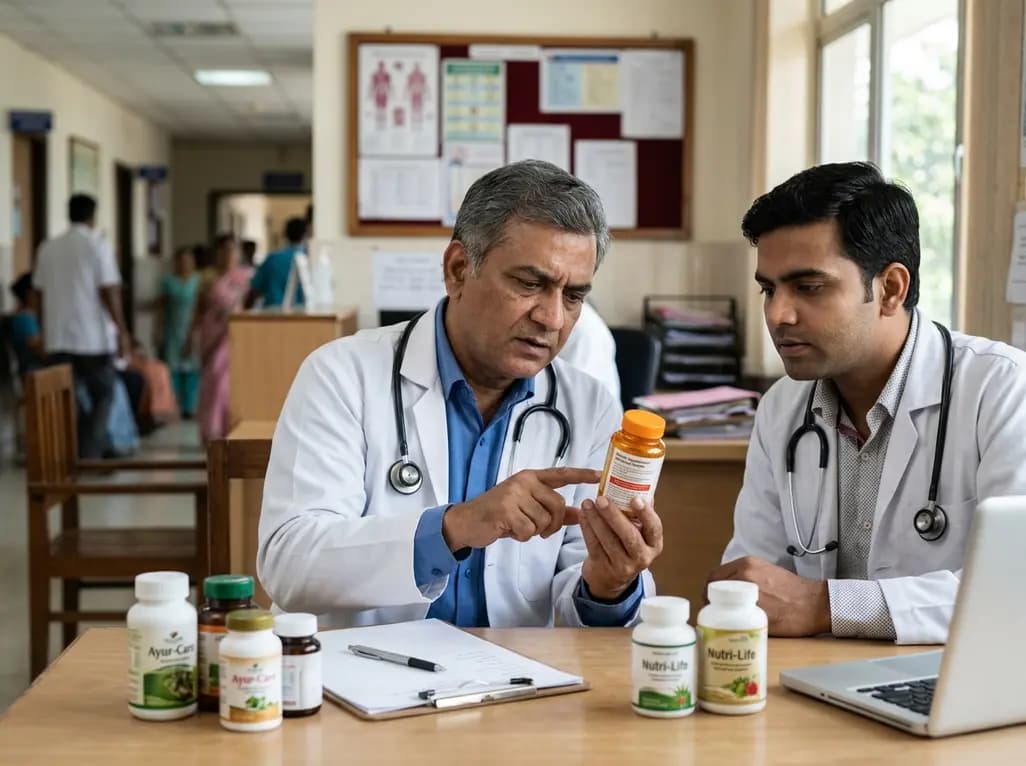
The Food Safety and Standards Authority of India has issued a critical regulatory directive regarding dietary products. The national food regulator warned manufacturers against widespread non-compliance with statutory standards. Specifically, the enforcement of nutraceutical labelling norms has become an urgent public health priority. Authorities observed that numerous manufacturers fail to display required cautionary statements and detailed composition profiles on botanical products. Consequently, clinicians across India must recognize how these commercial discrepancies influence patient safety and everyday clinical evaluations.
The regulatory authority issued an official advisory addressing mandatory compliance requirements for plant-based formulations and botanical extracts. This regulatory framework stems directly from the Food Safety and Standards Regulations of 2016. These statutory provisions govern health supplements, nutraceuticals, and foods intended for special dietary or special medical purposes. In addition, the rules supervise novel foods, functional foods, and prebiotic preparations. Regulators observed that several business operators neglect Schedule IV standards regarding herbal raw materials and botanical ratios.
Consequently, the statutory body warned that non-compliant manufacturers face severe penal outcomes, including license suspensions and substantial financial fines. The advisory explicitly emphasizes that packaging must detail the exact plant parts used in manufacturing. Furthermore, manufacturers must display specified warning statements in prominent and legible typefaces. The regulator noted that ambiguous packaging misleads vulnerable consumer groups. Therefore, central surveillance squads are intensifying retail inspections across urban and rural distribution networks to eliminate unauthorized formulations.
Adherence to established nutraceutical labelling norms serves as a vital safeguard against botanical toxicity and unregulated dosing. Botanical formulations often contain potent bioactive phytochemicals that alter human physiology. Therefore, the regulations mandate precise quantitative disclosures of active phytoconstituents and extraction solvents. Furthermore, commercial packaging must declare standard serving sizes that do not exceed the recommended daily allowance benchmarks formulated by Indian nutritional authorities. Unregulated dosages pose significant risks of acute organ stress.
Moreover, the regulatory framework firmly prohibits ambiguous therapeutic representations on retail packaging. Food products cannot claim to diagnose, mitigate, treat, or cure defined clinical diseases. In addition, product containers must display a conspicuous cautionary declaration stating that the formulation is not intended for medicinal use. When brands omit these disclosures, consumers frequently mistake commercial dietary aids for approved prescription pharmacotherapy. Thus, rigorous enforcement prevents misleading commercial advertisements and curbs unsupervised self-medication trends among vulnerable consumer demographics.
Physicians regularly encounter patients who consume non-prescribed health supplements alongside conventional pharmacotherapy. However, the absence of explicit cautionary warnings on herbal products creates severe clinical vulnerabilities. Many botanical extracts alter hepatic cytochrome P450 enzymes and membrane transport proteins. Consequently, unmonitored supplement usage can dramatically modulate the therapeutic index of essential pharmaceuticals. For example, common extracts can compromise the pharmacokinetic stability of oral anticoagulants, antidiabetic medications, and antihypertensive agents.
Furthermore, several concentrated herbal formulations can produce idiosyncratic hepatotoxicity or acute interstitial nephritis. If product packaging lacks standardized warnings regarding organ toxicity or known contraindications, clinicians struggle to pinpoint the origin of unexpected adverse events. Therefore, transparent declarations enable medical practitioners to identify supplement-induced toxicities promptly. Clinicians must routinely elicit detailed history regarding over-the-counter wellness aids during every clinical consultation. Diligent patient communication ensures early identification of adverse botanical interactions before severe organ dysfunction develops.
Vulnerable patient cohorts face the greatest physiological hazards when dietary formulations conceal necessary cautionary alerts. Specifically, paediatric patients, pregnant women, nursing mothers, and frail geriatric individuals exhibit altered drug metabolism and elevated organ susceptibility. Under the statutory mandates, manufacturers must state whether a botanical product is unsuitable for children or expectant mothers. Nevertheless, deceptive branding frequently leads pregnant women to consume unregulated botanical tonics without prior medical clearance.
Similarly, patients battling advanced metabolic syndromes, chronic kidney disease, or cardiovascular disorders often fall victim to fraudulent therapeutic guarantees. Unscrupulous commercial entities frequently claim their botanical extracts can reverse diabetic vascular injury or dissolve arterial atheroma. Consequently, despondent patients may abandon their prescribed insulin or statin therapies in favour of unverified supplements. Transparent statutory labelling therefore functions as a critical defence against treatment abandonment. By maintaining uncompromising regulatory oversight, authorities ensure patients receive genuine scientific disclosures rather than commercial exploitation.
Healthcare professionals represent the primary line of clinical defense against unsafe dietary supplements. Physicians, clinical pharmacologists, and registered dietitians must actively educate their communities on deciphering statutory packaging information. Clinicians should specifically instruct patients to examine packages for legitimate licensing emblems, complete ingredient declarations, and mandatory advisory notices. In addition, medical practitioners must advise individuals to reject products that promise miraculous therapeutic cures or rapid weight loss.
Moreover, clinicians should systematically report suspected adverse supplement reactions to national pharmacovigilance and food safety portals. Documenting cases of herbal-induced hepatotoxicity, allergic anaphylaxis, or unlisted heavy metal toxicity provides crucial empirical evidence for government regulators. Collaborative surveillance between frontline clinicians and regulatory agencies accelerates corrective recalls of adulterated products. Through rigorous clinical vigilance and persistent patient education, medical professionals can significantly curb the health hazards associated with sub-standard botanical supplements.
Q1: Why has the food safety regulator issued an urgent advisory on nutraceutical labelling?
The authority issued this directive because numerous food business operators fail to print mandatory cautionary statements and botanical specifications on labels. Many manufacturers promote unverified therapeutic claims or omit critical safety warnings regarding botanical extracts. Consequently, the regulator issued this advisory to protect consumer safety, enforce statutory Schedule IV compliance, and penalize non-compliant manufacturing units with license cancellations.
Q2: What mandatory statements must appear on nutraceutical packages in India?
Every nutraceutical package must visibly feature the words stating that the product is not for medicinal use. Furthermore, the label must declare the specific plant parts used, daily recommended servings, potential contraindications, and allergen warnings. In addition, the packaging must explicitly state that the product should not serve as a replacement for a balanced, varied daily diet.
Q3: How do hidden or inaccurate supplement ingredients endanger patient health?
Inaccurate ingredient profiles obscure potent phytochemicals that can interact deleteriously with prescribed cardiovascular, antidiabetic, or neurological medications. Moreover, excessive botanical concentrations can cause severe hepatic or renal toxicity. When labels omit appropriate warnings, high-risk groups like pregnant women or individuals with chronic illnesses may inadvertently consume hazardous botanical substances without clinical supervision.
Disclaimer: This content is for informational and educational purposes only. It does not constitute medical advice or replace professional judgment. Refer to the latest local and national guidelines for clinical practice.
References

Read summarized clinical updates, watch expert medical content, and earn CME certifications right from your smartphone.
Open your smartphone camera to scan and install.





The Food Safety and Standards Authority of India has issued an urgent advisory warning food business operators against flouting mandatory labelling rules and cautionary warnings on botanical extracts. Learn how these regulatory actions impact clinical safety, patient discussions, and supplement surveillance in India.
Today

Biotechnology researchers in India are developing an automated liquid biopsy platform to detect cervical malignancy from blood samples. Supported by the MAHA MedTech Mission, this initiative applies nanopore sequencing and piRNA biomarker detection to eliminate invasive speculum exams and expand rural screening.
Today

A multicenter evaluation reveals that AI-based CT-FFR outperforms anatomical stenosis grading in high-prevalence cohorts, offering rapid non-invasive ischemia detection to guide revascularization and reduce unnecessary invasive coronary angiography procedures.
Today
A systematic review and meta-analysis of 8 RCTs evaluated bipolar versus monopolar electrocautery in primary total hip and knee arthroplasty. Pooled data revealed no significant differences in haemoglobin drop, blood loss, or length of stay, concluding that routine bipolar electrocautery is not supported.
Today
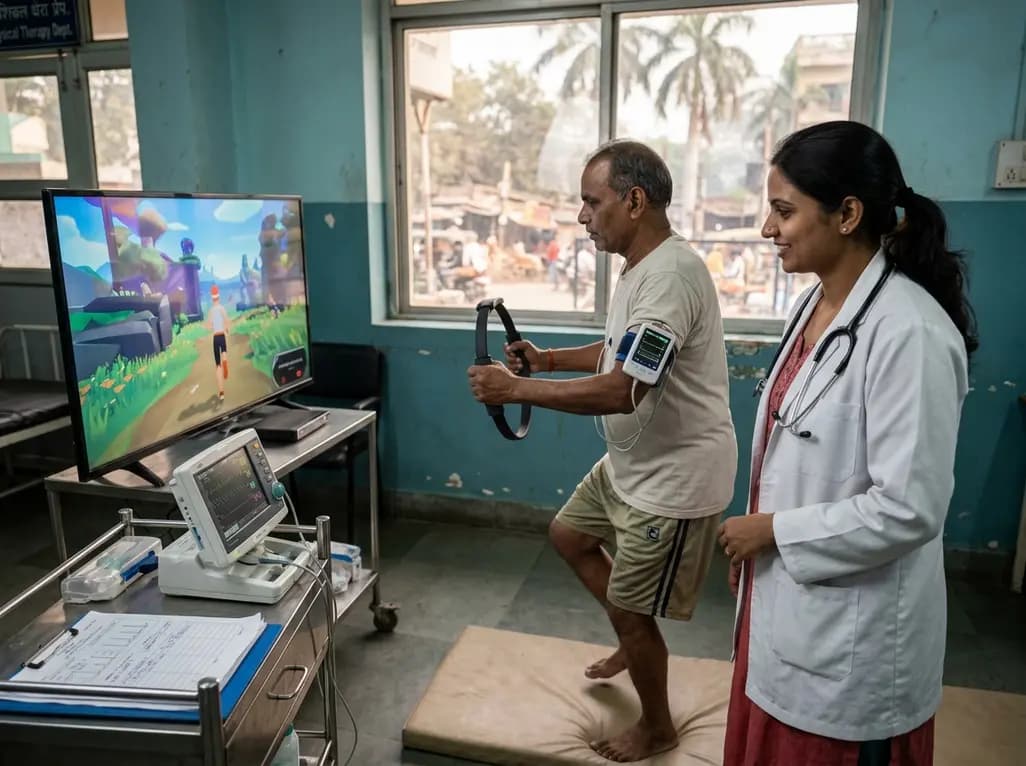
A clinical study evaluated Ring Fit Adventure in adults with chronic conditions, revealing that exergaming achieves moderate-to-vigorous exercise intensity while maintaining hemodynamic stability, high enjoyment, and zero adverse events.
Today
