.webp&w=384&q=75)

Loading, please wait...
Loading, please wait...

In many resource-limited regions, young mothers experience severe structural disadvantages that threaten their wellbeing. Recent demographic projections predict that adolescent girls in sub-Saharan Africa will reach 160 million by 2030, with nearly one-third entering early motherhood. Despite these alarming numbers, healthcare systems frequently overlook how food insecurity adolescent mothers endure undermines clinical outcomes. Marginalized teenage mothers in resource-constrained settings face structural barriers that perpetuate cycles of poverty across generations. When households lack adequate nutrition, pregnant and parenting adolescents suffer immediate caloric and micronutrient deficits. Furthermore, clinical evidence confirms that inadequate food availability exacerbates biological stress during post-pubertal physical maturation. Adolescent girls must simultaneously nourish their developing bodies and support infant growth. Healthcare professionals observe that these dual physiological demands deplete essential maternal micronutrient reserves. In addition, social marginalization worsens dietary diversity among young families. Therefore, clinicians must recognize the systemic forces that exacerbate nutritional inequities among vulnerable teenage girls.
Complex structural factors drive severe food deprivation among teenage mothers living in disadvantaged settings. Primarily, absolute poverty and household financial insolvency represent the most pervasive underlying causes. Many pregnant adolescents leave school prematurely, which drastically eliminates future employment opportunities and independent earning potential. Without formal education, young mothers struggle to afford basic nutritional staples and protein sources. Moreover, pervasive social stigma compounds this financial precarity. Families and communities often ostracize unwed adolescents, stripping away vital familial safety nets and food sharing networks. Consequently, young women must shoulder substantial caregiving duties without financial or domestic assistance from child fathers. In addition, ecological crises and climate shocks exacerbate local food scarcity. Deteriorating soil fertility, prolonged droughts, and poor agricultural infrastructure reduce crop yields in rural settlements. As a result, adolescent households experience erratic food availability and volatile market prices. Ultimately, these overlapping economic, social, and environmental pressures entrap adolescent mothers in persistent hardship.
The psychological burden of chronic hunger among adolescent mothers remains deeply concerning for primary care providers. Food scarcity correlates strongly with severe mental health disorders, including postpartum depression, chronic anxiety, and hopelessness. Adolescent mothers consistently report intense distress when they cannot nourish their infants adequately. Furthermore, societal rejection and isolation magnify these feelings of despair. Clinical studies demonstrate that nutritional deficits impair neurochemical pathways, which accelerates maternal affective disorders. In particular, extreme food deprivation elevates the incidence of suicidal ideation and suicide attempts among young mothers. Unfortunately, primary healthcare clinics in resource-limited environments rarely provide adequate mental healthcare for postpartum adolescents. Therefore, emotional trauma frequently remains undiagnosed and untreated during regular clinic visits. When depression immobilizes an adolescent mother, her capacity to care for her infant deteriorates further. Healthcare teams must therefore prioritize routine psychological screening during maternal visits.
Severe hunger compels many adolescent mothers to adopt perilous survival strategies to sustain their children. When licit livelihood options disappear, young women frequently resort to hazardous labor. More alarmingly, severe food shortages force vulnerable teenagers into transactional and age-disparate sexual partnerships. In many instances, adolescent girls accept financial gifts or sustenance in exchange for coerced sex. Consequently, these encounters drastically escalate the transmission rates of sexually transmitted infections, including HIV. Furthermore, unequal power dynamics prevent young mothers from negotiating condom usage or reproductive autonomy. Substance-influenced sexual encounters also rise substantially as adolescents seek relief from relentless domestic stress. As a result, young women face repeat unintended pregnancies, which intensifies their physical vulnerability and economic hardship. Thus, treating sexual health disorders requires clinicians to address the underlying hunger that drives high-risk behaviors.
The intersection of adolescent pregnancy and malnutrition generates profound clinical complications for both mother and child. Biologically, teenage girls have not yet attained full pelvic maturity or completed their linear bone growth. When severe undernutrition coincides with pregnancy, both mother and fetus compete for scarce micronutrients. Consequently, adolescent mothers face heightened risks of severe anemia, preeclampsia, preterm delivery, and obstructed labor. In addition, intrauterine growth restriction occurs frequently, leading to low birth weight and neonatal wasting. Newborns born to undernourished adolescent mothers display diminished immune function and elevated vulnerability to neonatal infections. Moreover, maternal nutritional depletion impedes successful lactation and exclusive breastfeeding practices. When breast milk volume declines, infants miss vital immunoglobulins and essential caloric intake. Therefore, these infants suffer from early failure to thrive and recurrent pediatric illnesses. Over time, these nutritional deficits create an intergenerational cycle of stunting and chronic health deficits.
Healthcare providers must implement proactive strategies to mitigate the multifaceted impacts of food deprivation on adolescent mothers. First, antenatal and pediatric clinics should integrate routine food security questionnaires into standard triage assessments. By identifying food-insecure adolescents early, clinicians can connect families to supplementary nutrition programs and community resources. In addition, multidisciplinary teams must combine nutritional supplementation with focused psychosocial support and trauma-informed counseling. Clinicians should also promote accessible, youth-friendly reproductive healthcare services that prioritize adolescent autonomy. Specifically, clinicians must provide comprehensive contraception counseling to prevent rapid repeat pregnancies. Furthermore, health systems should partner with social protection services to facilitate educational re-enrollment and vocational training. When young women gain economic independence, their household food security improves sustainably. In conclusion, medical professionals, social workers, and policymakers must collaborate closely to dismantle structural barriers and protect the health of young mothers.
Severe food insecurity drastically increases psychological distress among adolescent mothers, precipitating postpartum depression, anxiety, and feelings of utter helplessness. The relentless pressure of feeding an infant without resources elevates emotional despair. Furthermore, severe nutritional shortages and persistent social isolation substantially increase the risk of suicidal ideation and suicide attempts among these vulnerable teenagers.
Adolescent mothers facing acute food shortages often lack viable economic opportunities or familial financial support. Consequently, many young women resort to transactional sex or age-disparate relationships to obtain food and shelter for their children. These coercive partnerships compromise reproductive autonomy, reduce consistent condom usage, and significantly elevate the transmission of sexually transmitted infections like HIV.
Healthcare facilities should implement universal food insecurity screening during routine antenatal and pediatric consultations. Clinical teams must link vulnerable mothers with community nutrition programs, micronutrient supplements, and mental health counseling. Additionally, providing accessible postpartum contraception prevents rapid repeat pregnancies, while collaboration with educational programs helps adolescent mothers establish long-term financial independence.
Disclaimer: This content is for informational and educational purposes only and should not be considered medical advice. Healthcare professionals should exercise their independent clinical judgment. Refer to the latest local and national guidelines for clinical practice.
References

Read summarized clinical updates, watch expert medical content, and earn CME certifications right from your smartphone.
Open your smartphone camera to scan and install.





A scoping review highlights the critical crisis of food insecurity among adolescent mothers, linking nutritional deprivation to poverty, societal stigma, maternal depression, and poor reproductive health. Integrated clinical screening and social support are vital to break intergenerational cycles of deprivation.
Today

Chronic eosinophilic pneumonia can present with atypical bronchoalveolar lavage findings and an organizing pneumonia pattern, necessitating surgical lung biopsy.
Today

Discover the crucial distinctions between mesonephric and mesonephric-like proliferations of the female genital tract. Learn the key histomorphologic, immunohistochemical, and molecular differences essential for accurate diagnosis and clinical management.
Today
Kikuchi-Fujimoto disease rarely presents with refractory shock and sinus bradycardia in children. This case report highlights life-threatening hemodynamic instability requiring intensive care, preserved cardiac contractility, and the critical diagnostic role of early excisional lymph node biopsy.
Today
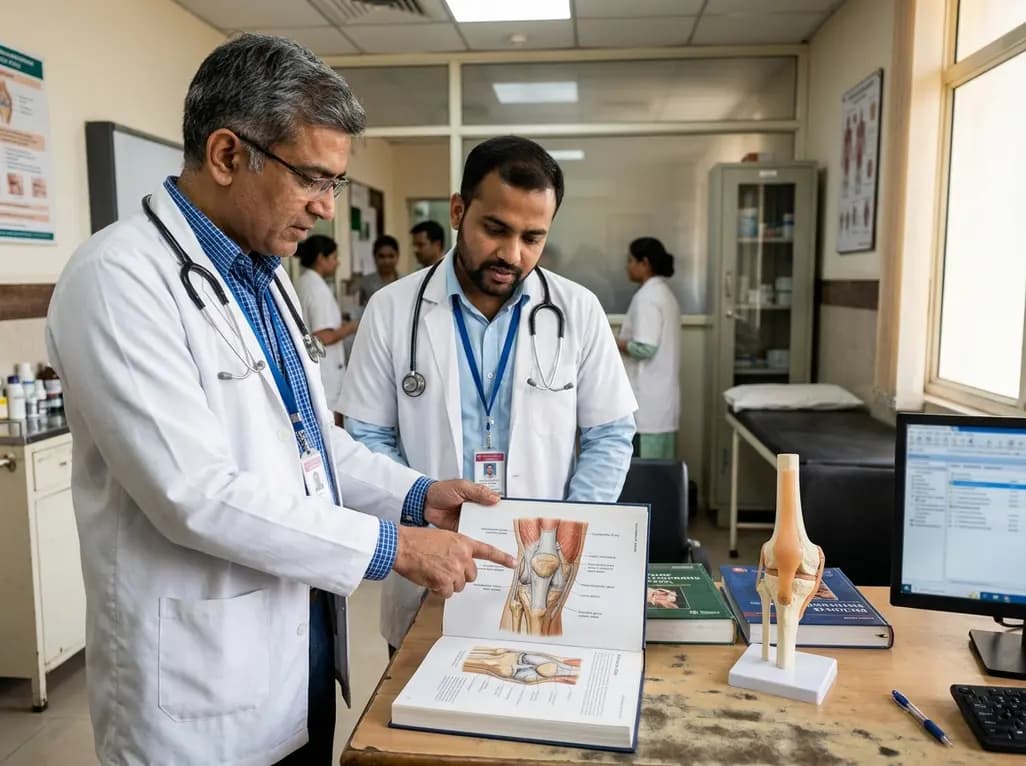
A narrative review investigates whether the articularis genus muscle functions as an independent anatomical entity or blends with the vastus intermedius. We evaluate its morphology, role in retracting the suprapatellar bursa, and direct clinical significance in anterior knee pain and arthroplasty.
Today
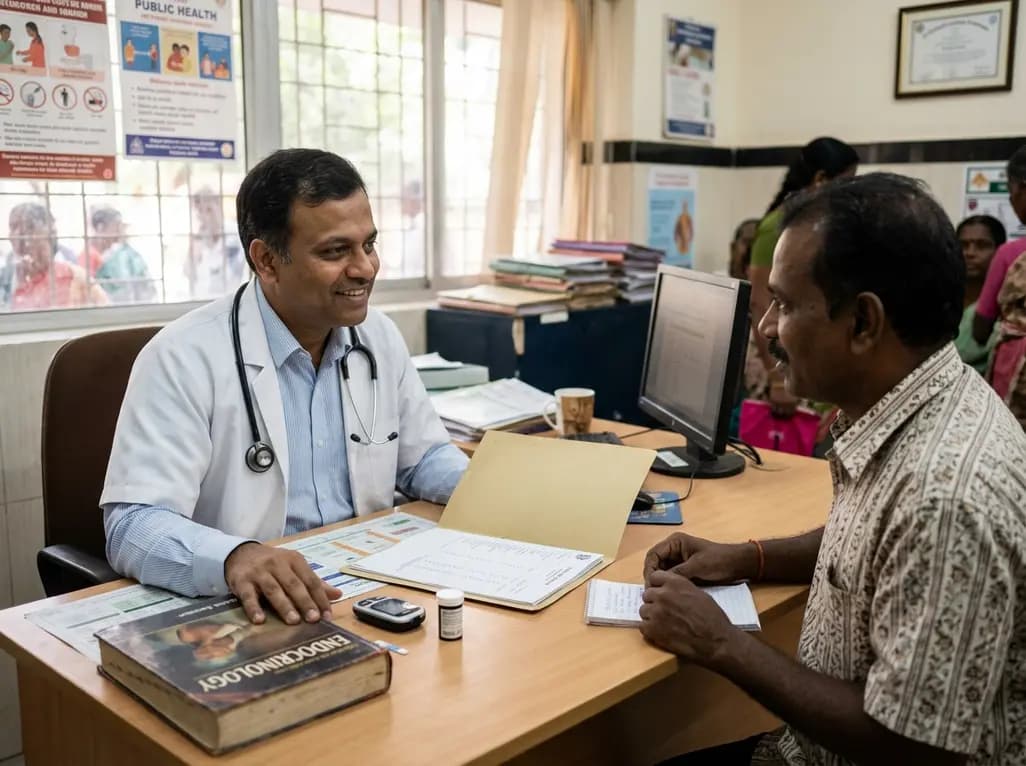
A Bayesian multilevel meta-analysis reveals that aerobic training combined with moderate carbohydrate restriction modestly lowers HbA1c in type 2 diabetes. However, sparse data and very low certainty leave incremental benefits over exercise or diet alone unproven, highlighting the need for individualized care.
Today
